Autodesk Inventor
-

Cost of Poor Quality Categories: How Supplier Defects Drive Hidden Manufacturing Costs
Explore cost of poor quality categories and how supplier defects increase COPQ through scrap, rework, and warranty costs, and how to reduce the impact. Supplier defects are one of the most persistent and expensivie contributors to the cost of poor quality (COPQ) in manufacturing. While defects may first appear as isolated quality issues, their true…
Design & Engineering
-
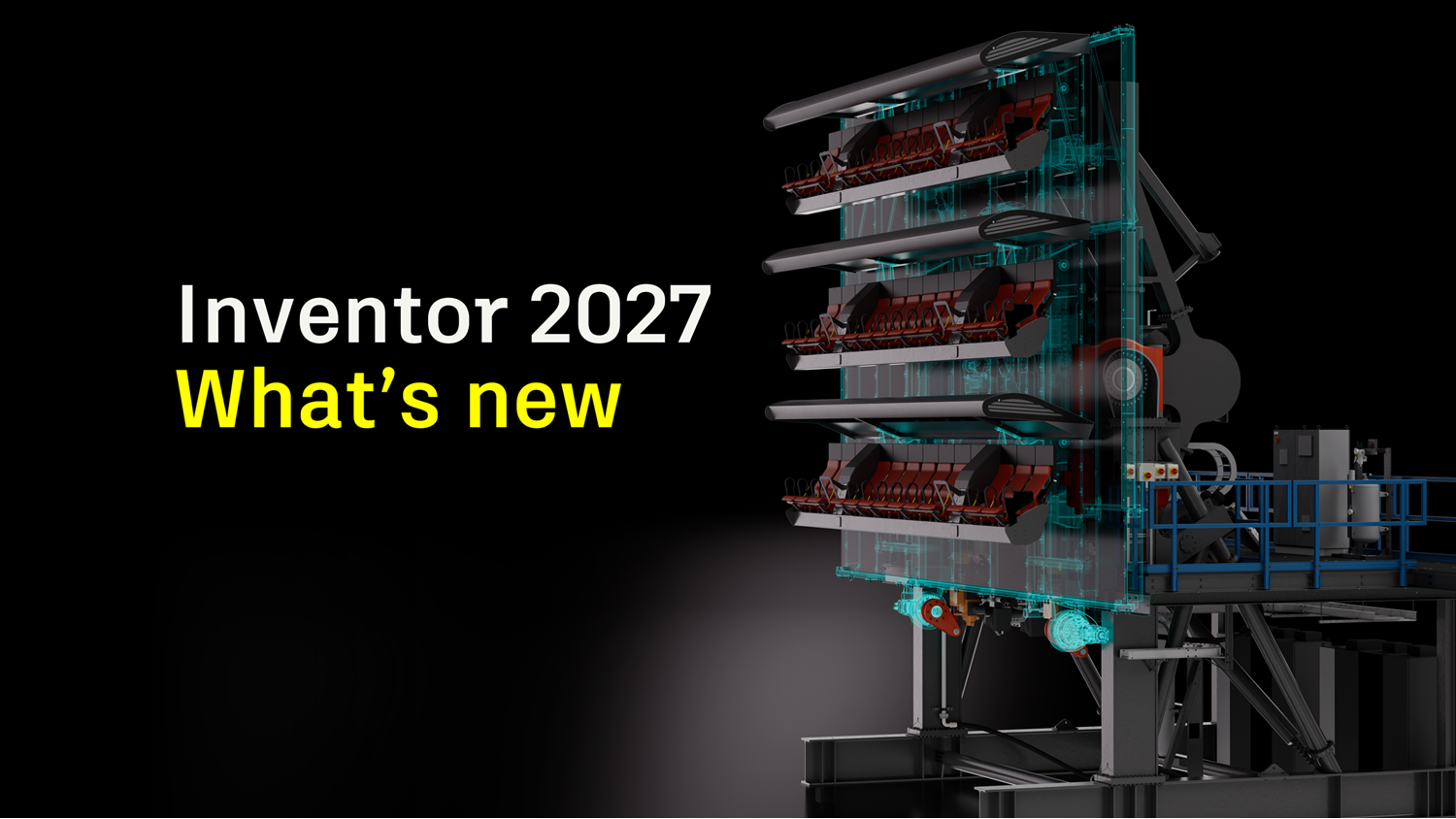
Autodesk Inventor 2027 what’s new
Autodesk Inventor 2027 introduces a new wave of enhancements focused on helping engineers design faster, work smarter, and stay connected across their workflows. This release brings meaningful improvements to everyday productivity, powerful new AI-driven capabilities like the Autodesk Assistant, expanded automation through visual iLogic tools, new part modeling tools, and stronger interoperability enhancements. Register below…
Autodesk Inventor
-
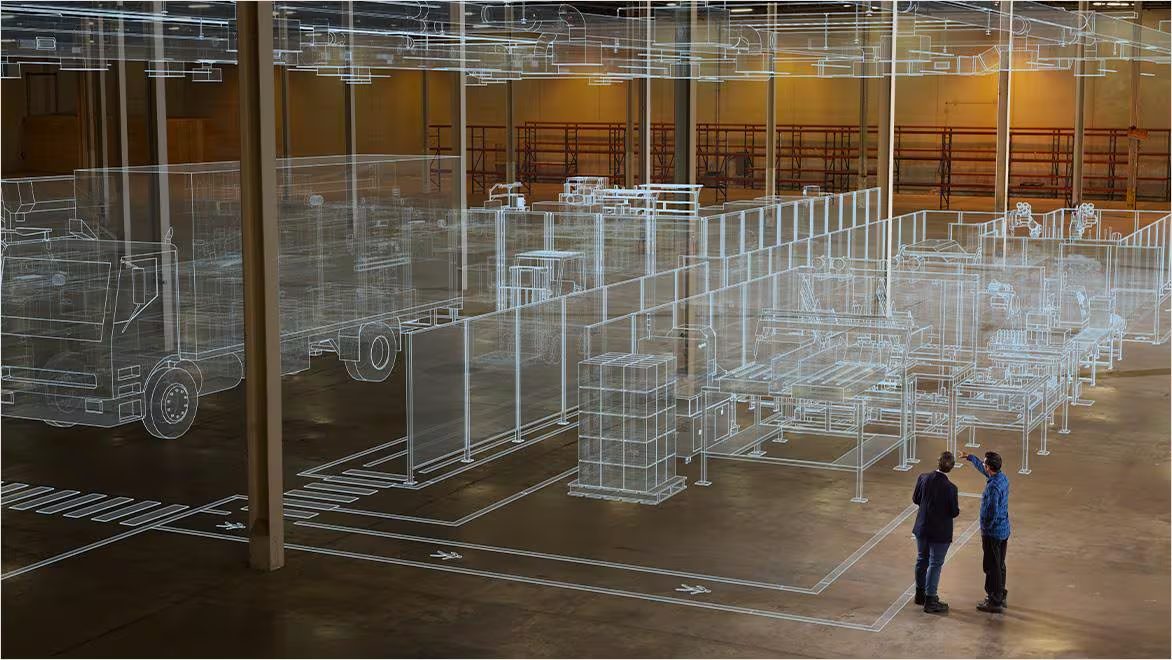
The ROI of Accurate Factory Layout: Reducing Installation Errors and Construction Rework
Learn how accurate factory layout reduces installation errors, minimizes construction rework, and improves ROI using Autodesk Factory Design Utilities. During factory layout projects, design teams face the daunting question of how to place heavy machinery and structural elements within tight factory floors. If not handled correctly, inaccurate measurements during the planning phase can lead to…
Production
-

Moving from 2D to 3D: A Practical Path with Inventor and AutoCAD
Explore a realistic path to move from 2D to 3D with AutoCAD and Inventor in PDMC. Keep your DWGs while gaining automation, precision, and manufacturing-ready data. For many engineering and manufacturing teams, 2D drawings remain the backbone of daily work. AutoCAD has been a trusted standard for more than four decades, and many organizations have…
Design & Engineering
-
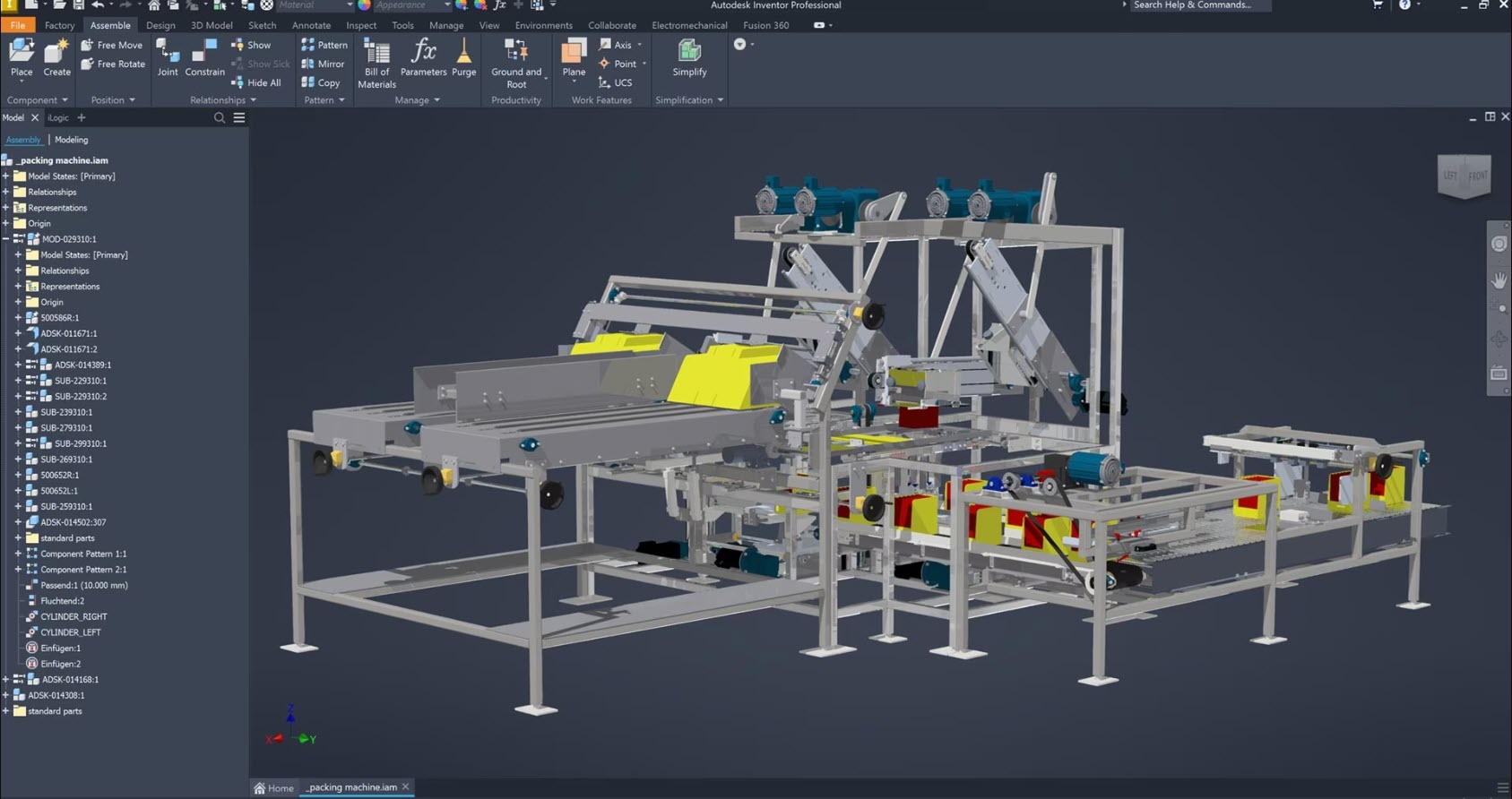
The High Cost of Engineering Bottlenecks: How Autodesk PDMC Reduces Design Cycle Times in Industrial Machinery
Engineering bottlenecks slow industrial machinery manufacturers and increase costs. Learn how the Autodesk Product Design and Manufacturing Collections streamlines workflows, reduce cycle times, and accelerate product delivery. Industrial machinery (IM) manufacturers are constantly faced with high expectations for custom configurations and faster delivery, all while product complexity continue to rise. Engineering teams often struggle with…
Design & Engineering
-
Connecting FDU and FlexSim for End‑to‑End Factory Simulation
Learn how connecting Autodesk Factory Design Utilities (FDU) with FlexSim enables true end‑to‑end factory simulation, improving throughput, reducing risk, and optimizing layout and operations. Production bottlenecks, resource constraints, and unpredictable shifts in demand can derail even the best factory planning. Factory simulation helps address these challenges by revealing how a system behaves under real‑world scenarios…
Production
-
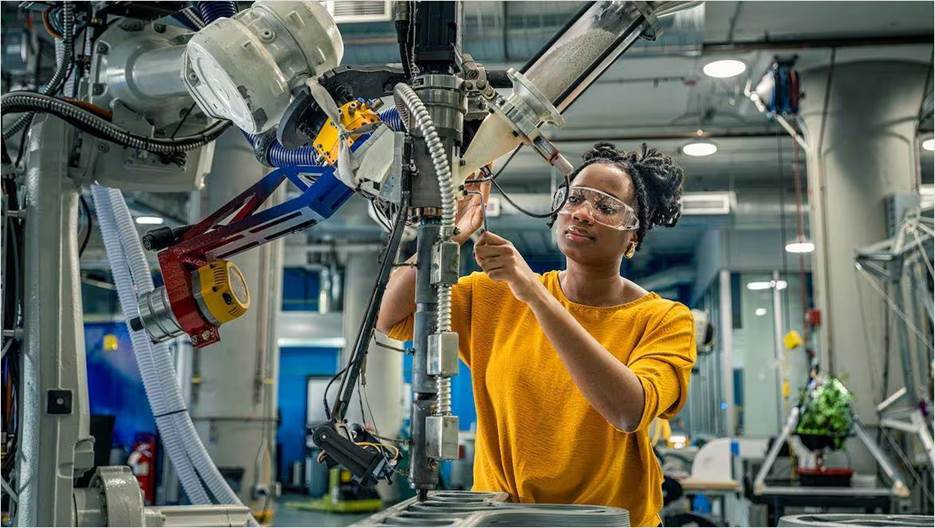
Building Flexible Manufacturing Systems for Unpredictable Markets
This article examines the importance of Flexible Manufacturing Systems (FMS) in navigating volatile markets. It explains how modular and reconfigurable setups help manufacturers pivot production and manage supply disruptions. Learn how Autodesk solutions, like Inventor and Fusion, facilitate agility through automated asset modeling, process simulation, and cloud collaboration. In modern manufacturing, volatility is the norm.…
Production
-
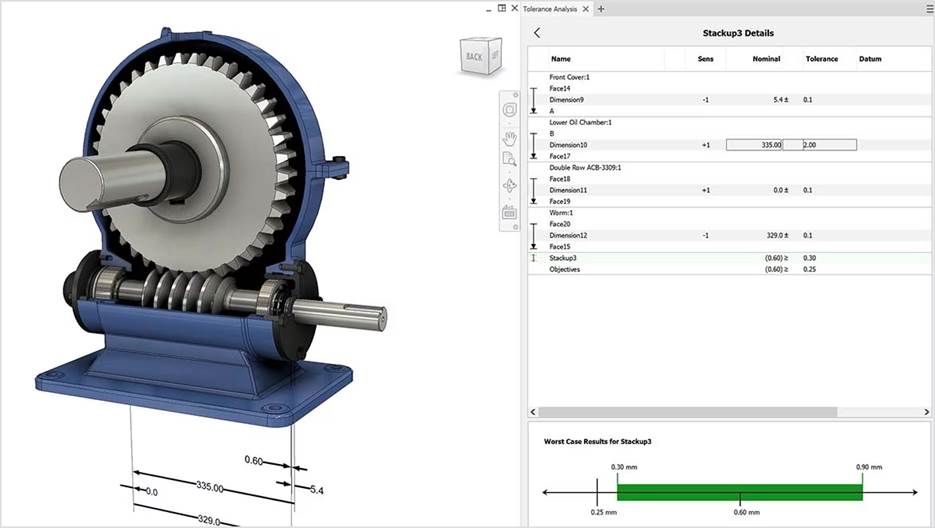
What Are GD&T Symbols and Why Do They Matter?
This article explains the five main categories of GD&T symbols: form, orientation, location, profile, and runout. It details how each category controls specific geometric variations. It also highlights how Autodesk Inventor integrates these symbols into 3D models using Model-Based Definition for automated tolerance analysis. What are GD&T symbols and why do they matter? Geometric Dimensioning…
Design & Engineering
-

Accelerate Time-to-Market and Reduce Risk: The Six Phases of NPI Explained
Learn how structured NPI processes cut time-to-market by up to 50%, improve quality, and enable cross-functional collaboration for manufacturing leaders. Why NPI matters New Product Introduction (NPI) is the structured process that transforms ideas into market-ready products. Companies that implement formal NPI frameworks achieve 30–50% faster time-to-market and 40% fewer post-launch quality issues compared to…
Design & Engineering
-
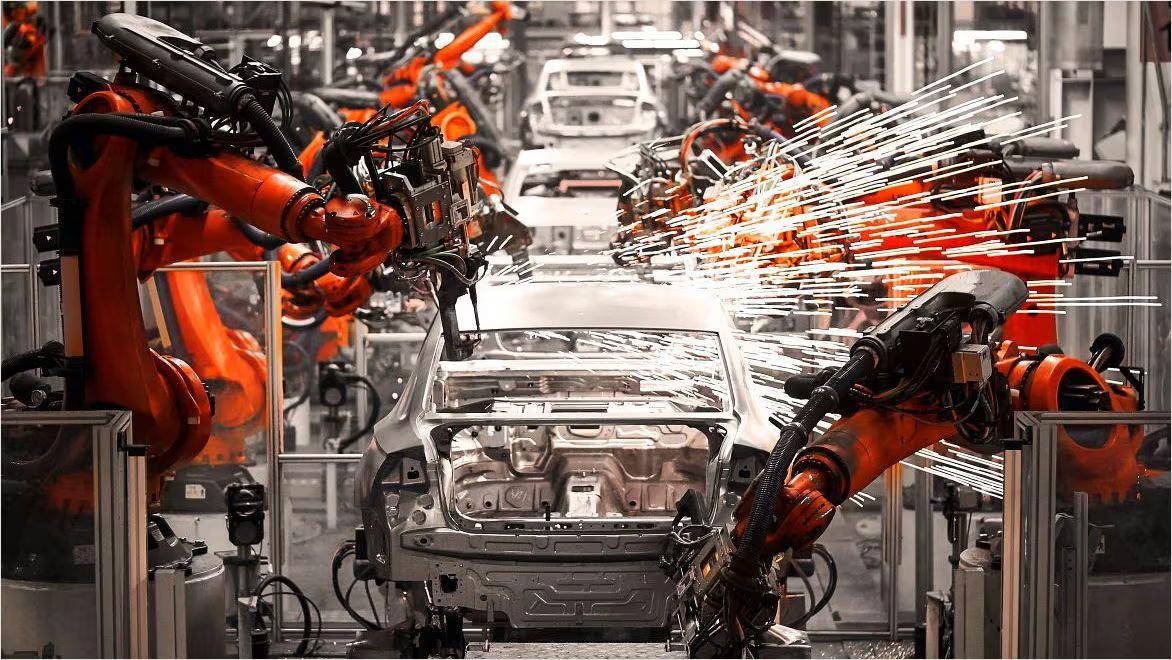
JIT Management in a Digital Manufacturing World
Explore how AI, IoT, and automation strengthen modern JIT management while addressing challenges related to supplier reliability and uncertain demand. As global supply chains become more interconnected, they become more fragile. In this context, successful just-in-time (JIT) strategies require more than traditional lean practices. They now need digital technologies capable of sensing, predicting, and adapting…
Production
-
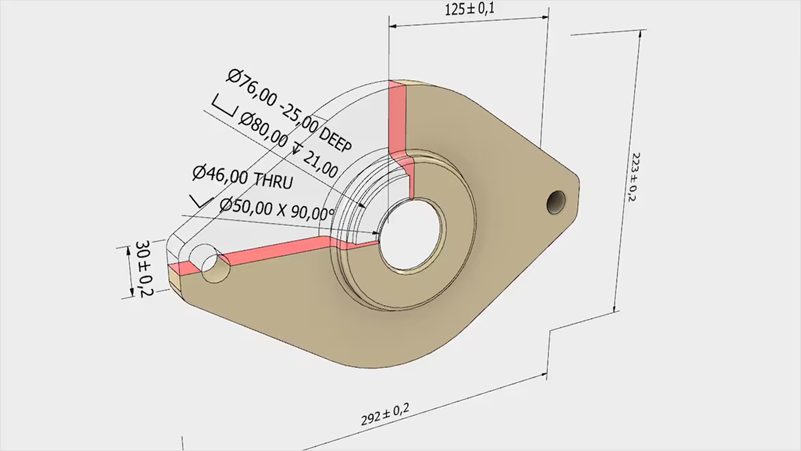
Complete Guide to GD&T Symbols: Geometric Dimensioning and Tolerancing
Discover the complete guide to GD&T symbols, their categories, standards, and practical applications across industries. Learn how Autodesk Inventor makes geometric dimensioning and tolerancing easier for beginners, improving design accuracy, manufacturing efficiency, and quality control. Modern manufacturing demands precision beyond basic dimensional tolerances. Engineers rely on GD&T symbols to communicate complex geometric requirements for critical…
Design & Engineering
-
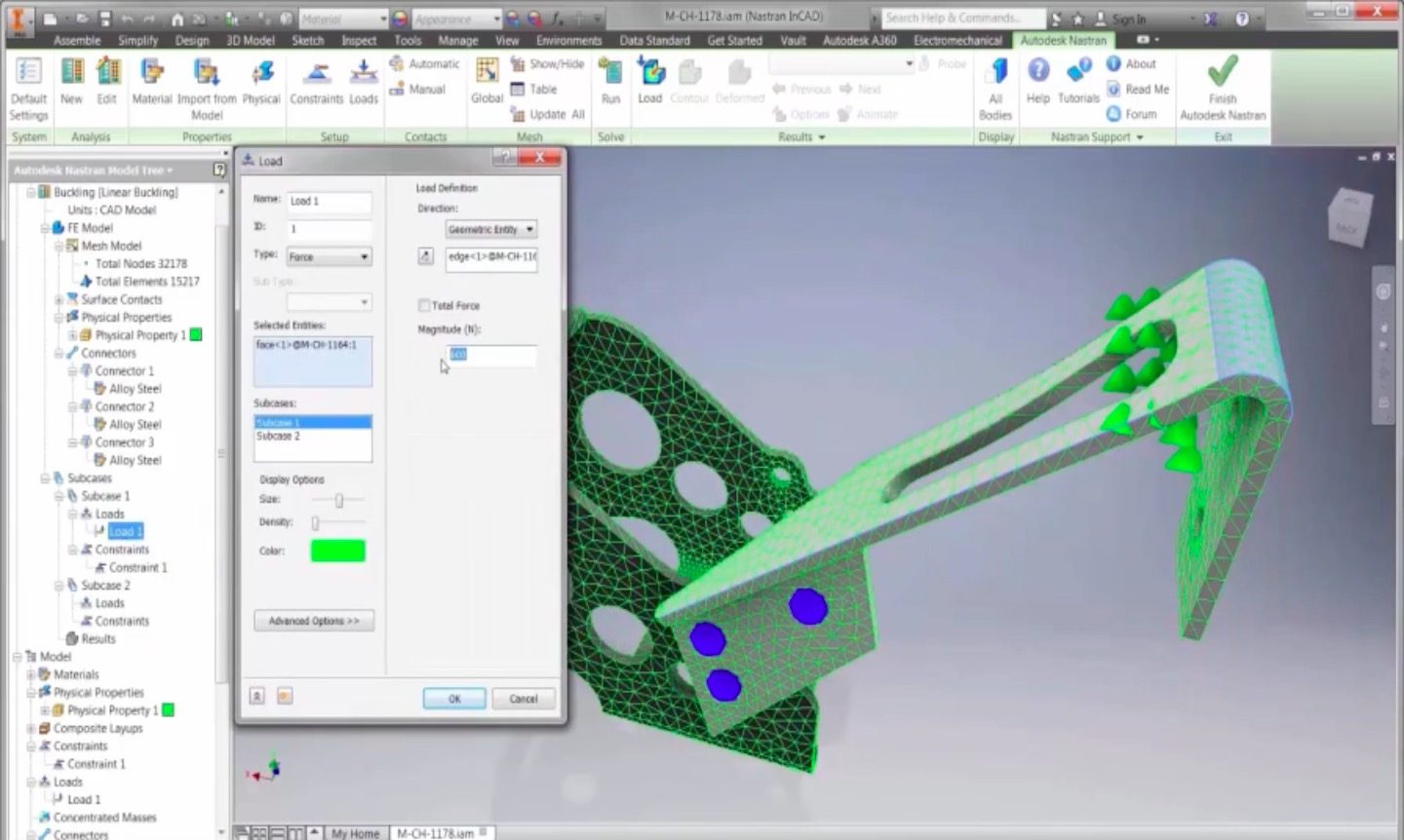
Introduction to Buckling Analysis: What Every Designer Should Know
This article introduces the principles of structural buckling, explains how instability arises under compressive loads, and explores linear versus nonlinear analysis methods. It then highlights how Autodesk Nastran enables detailed buckling simulations within the design workflow, helping engineers identify failure risks and improve performance before physical testing. Buckling is one of the most sudden and…
Design & Engineering