Water distribution
-
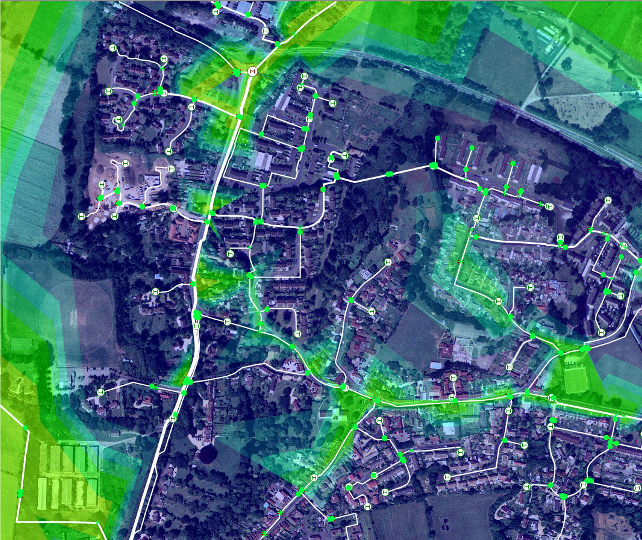
Drop-by-drop: a thorough approach to mitigating leaks, conserving water, and reducing costs
In regions with aging and decaying infrastructure, water utilities around the world have been dealing with reducing non-revenue water for decades, particularly the water leakage part. Because leaks continue to occur and grow, finding and reducing leakage is continuous work. Underground leaks can generate high costs for a water utility: treated water is lost, including…
Water distribution
-
Everything you need to know about the Infrastructure Investment and Jobs Act (IIJA) for the water sector
After much debate, delay, compromise, and – finally – voting, the US Infrastructure Investment and Jobs Act (IIJA) was passed. This $1.2 trillion act comes not a moment too soon. For years, organizations like ASCE have graded the US infrastructure as a ‘D’ (currently a notch up at C-) and have estimated more than $4.5…
Commentary
-
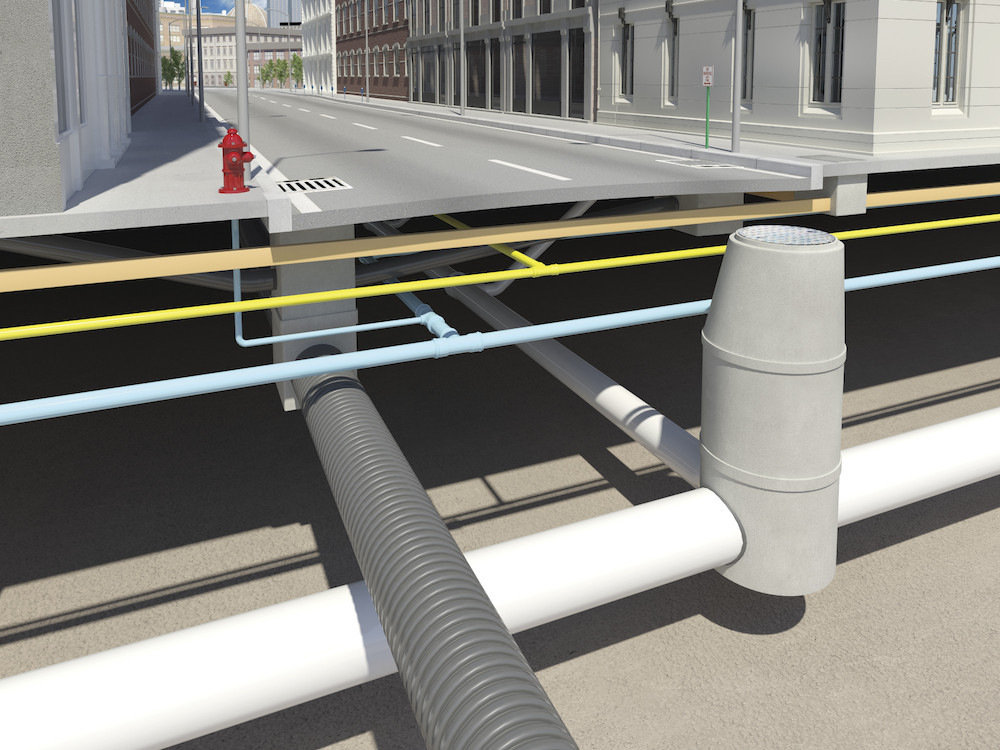
How the US IIJA infrastructure bill impacts the water sector
Since the Clean Water Act/Safe Drinking Water Act of 1974, the federal government has actively supported wet infrastructure investment through various means, including the recently passed the Infrastructure Investment and Jobs Act (IIJA). This new bill, and its section 914, centers on authorizing and creating programs to support drinking water and wastewater infrastructure projects. The…
Commentary
-
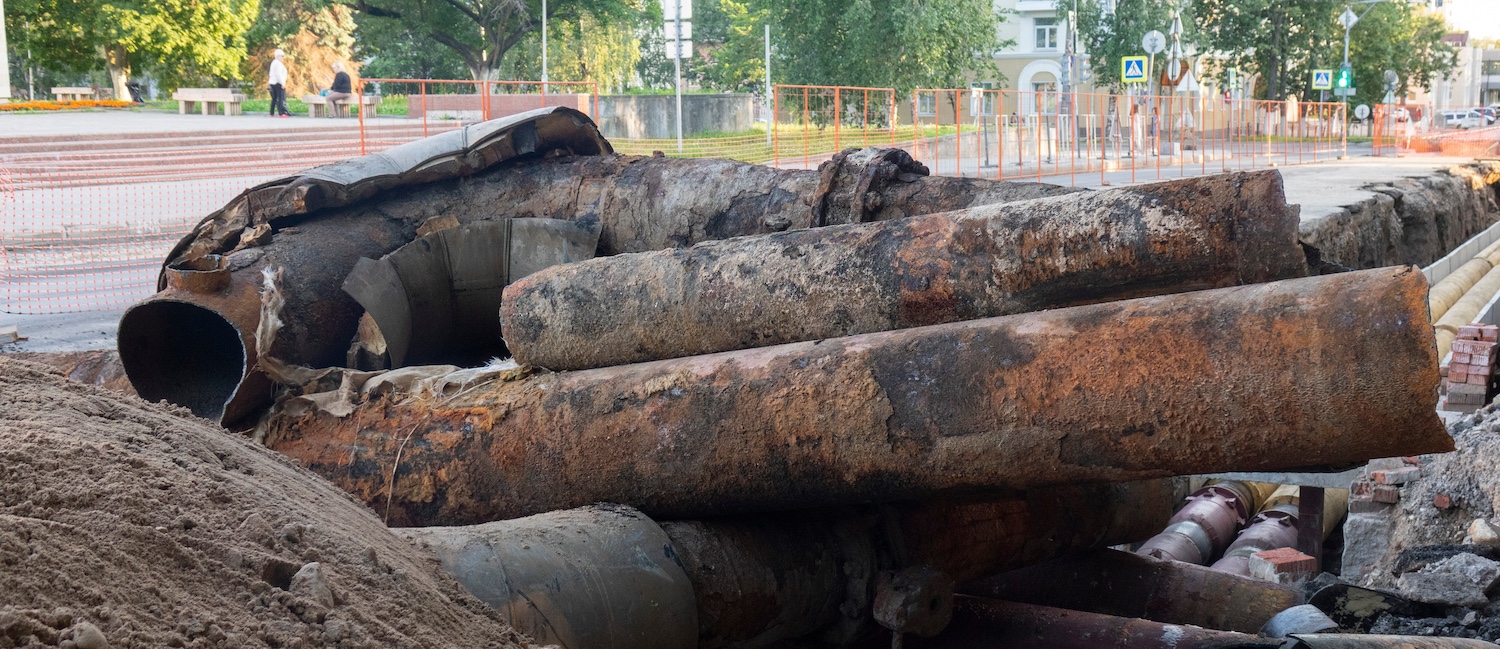
How to find critical pipe bursts
When a pipe bursts, how do you find the critical pipes?
Water distribution
-

Collaborating on building and running hydraulic models using InfoWorks WS Pro’s Workgroup technology
If your organisation has team members who work on the same hydraulic model at the same time, they probably generate several versions of the same model file. When this happens, keeping track of model file versions and model changes is next to impossible. This is a common – but definitely solvable – problem. InfoWorks WS…
Water distribution