Sustainability
-
What are sustainable drainage systems (SuDS)? Features, types and design principles
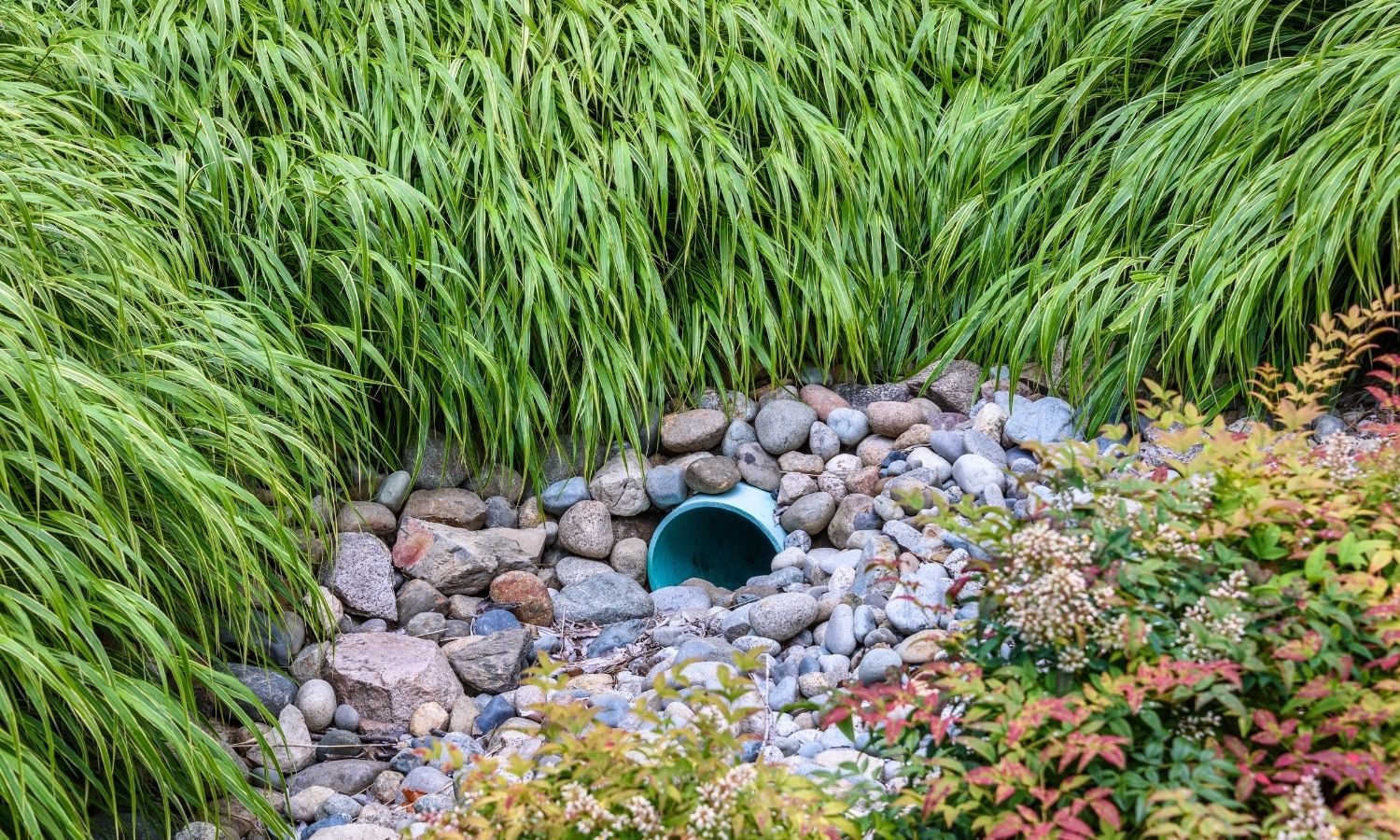
In many urban areas, rainfall doesn’t soak into the ground. It runs off hard surfaces, overwhelms drainage systems, and contributes to flooding and pollution. SuDS (Sustainable Drainage Systems) are designed to change that. SuDS are designed to manage rainfall in a way that mimics natural processes – slowing, storing, and treating water close to where it…
Drainage design
-
Artificial and constructed wetlands: sustainable drainage superstars
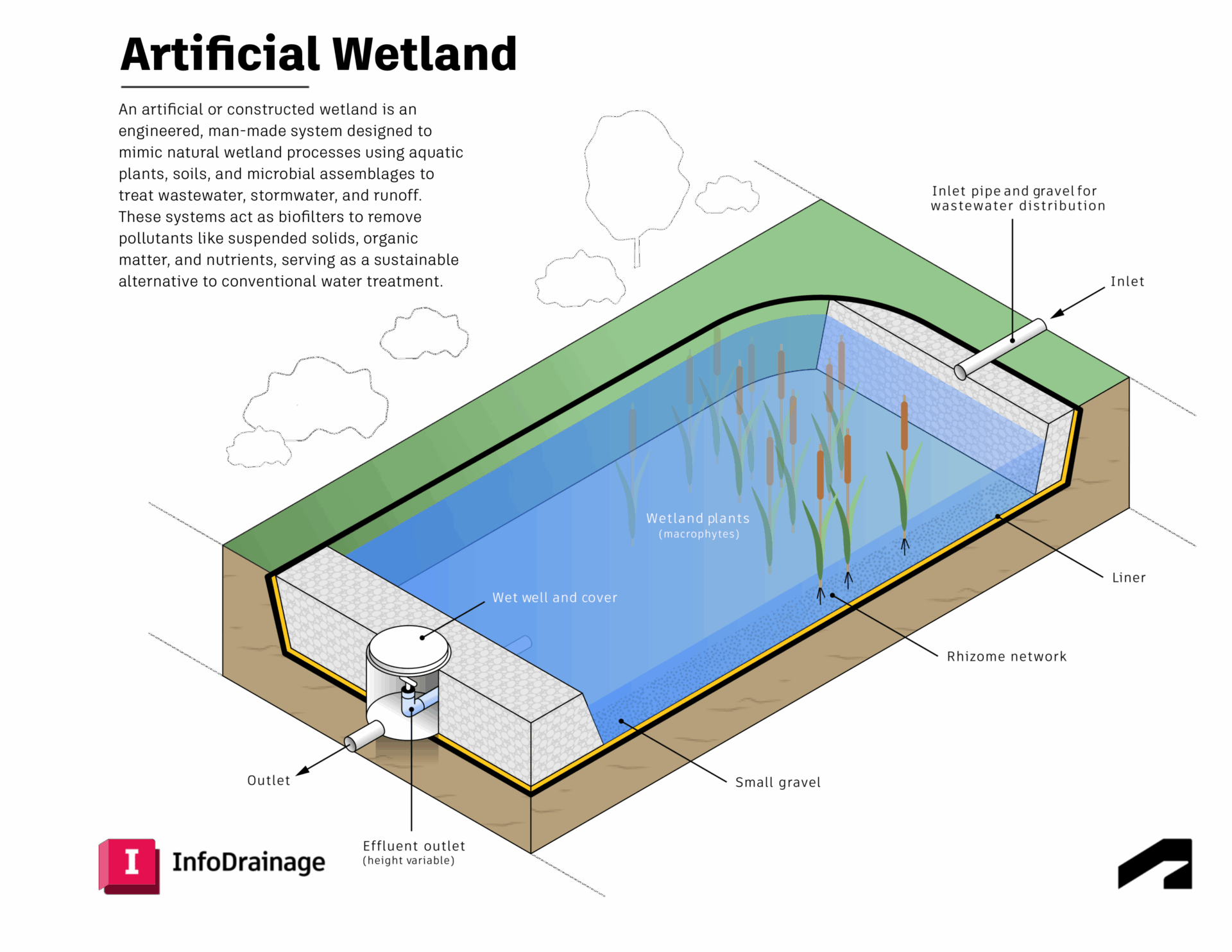
An artificial wetland is a constructed ecosystem designed to manage water and pollution through engineered processes that are designed to mimic natural processes using plants, soils, and microbes to treat wastewater or storm runoff. As a type of treatment wetlands, artificial wetland systems serve as a comprehensive ecological infrastructure for water quality improvement, supporting environmental…
Sustainability
-
‘Transforming Drainage Design with AECOM’ using InfoDrainage + Civil 3D
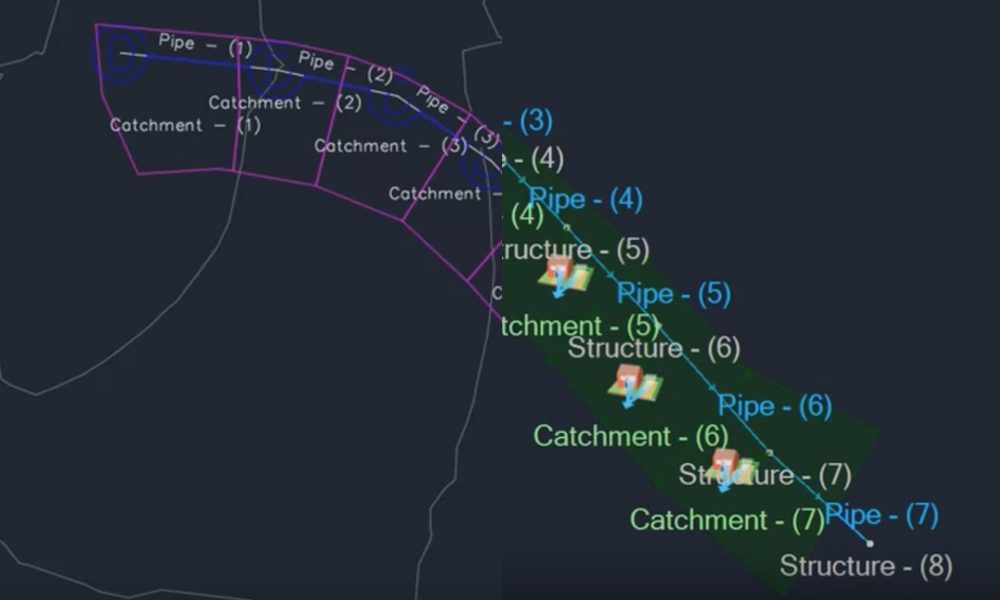
As climate volatility and urban growth intensify, drainage systems are becoming a frontline resilience challenge. Across the UK and globally, heavier storms and expanding impermeable surfaces are overwhelming legacy sewer networks and increasing flood risk. These are a few reasons why regulation has been shifting toward more sustainable outcomes – and that’s why SuDS (Sustainable…
Drainage design
-
Best practice in sustainable drainage design: what’s holding SuDS approaches back — and what to do about it
As urban areas densify and climate-driven flood risk increases, Sustainable Drainage Systems (SuDS) have shifted from “nice to have” to essential — and in many places, effectively planning-required. Yet many organisations still struggle to deliver SuDS consistently due to fragmented processes, inconsistent requirements, skills shortages, and slow approvals. In our latest webinar, which was hosted…
Sustainability
-
How professionals design rain gardens to effectively control stormwater runoff
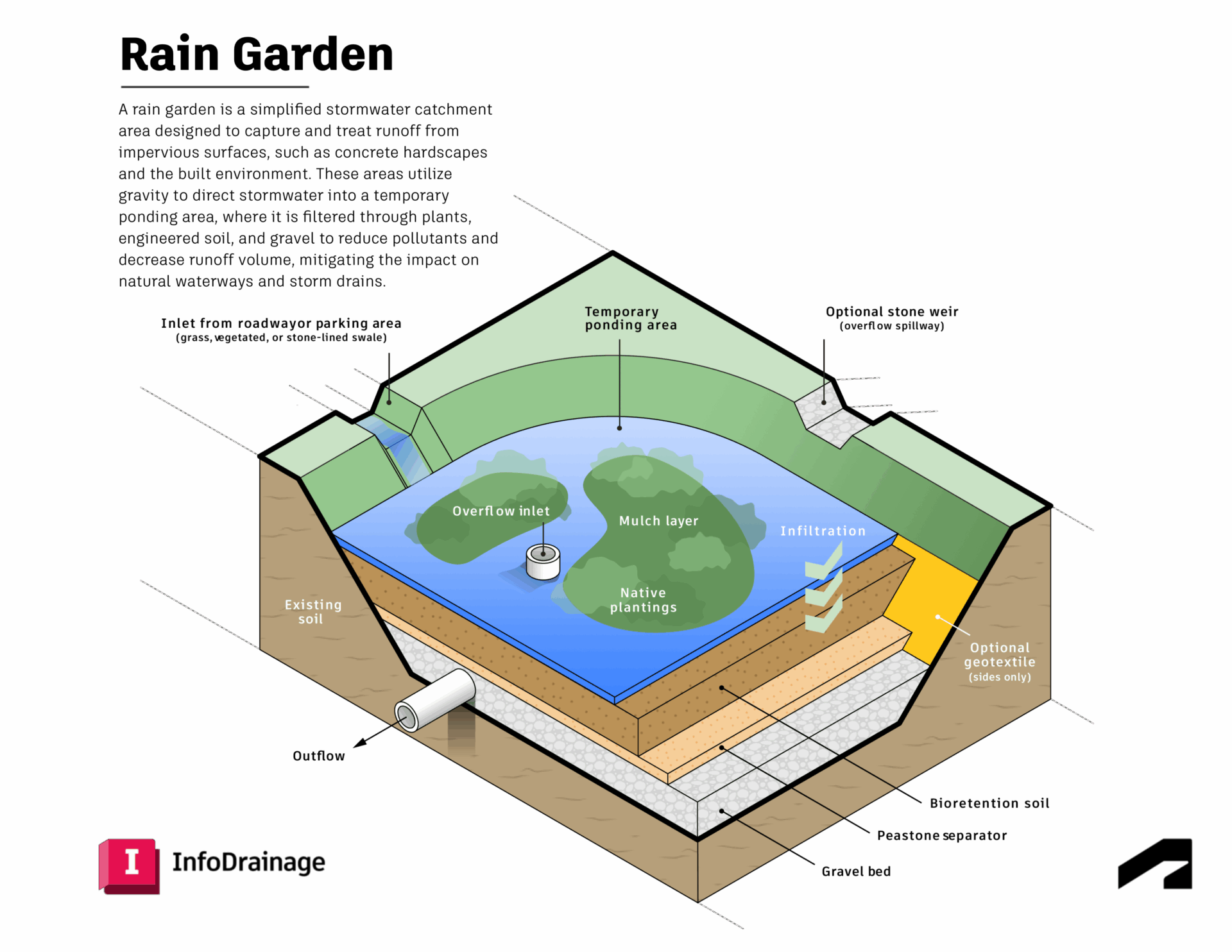
In the urban environment, hard or impervious surfaces often block the natural process of infiltration, which means rainwater can’t soak into the ground. One very effective solution to this problem is a rain garden, a small stormwater control installation that mimics the natural environment as rainwater evaporates, gets absorbed by plants or soaks into the ground. A…
Drainage design
-
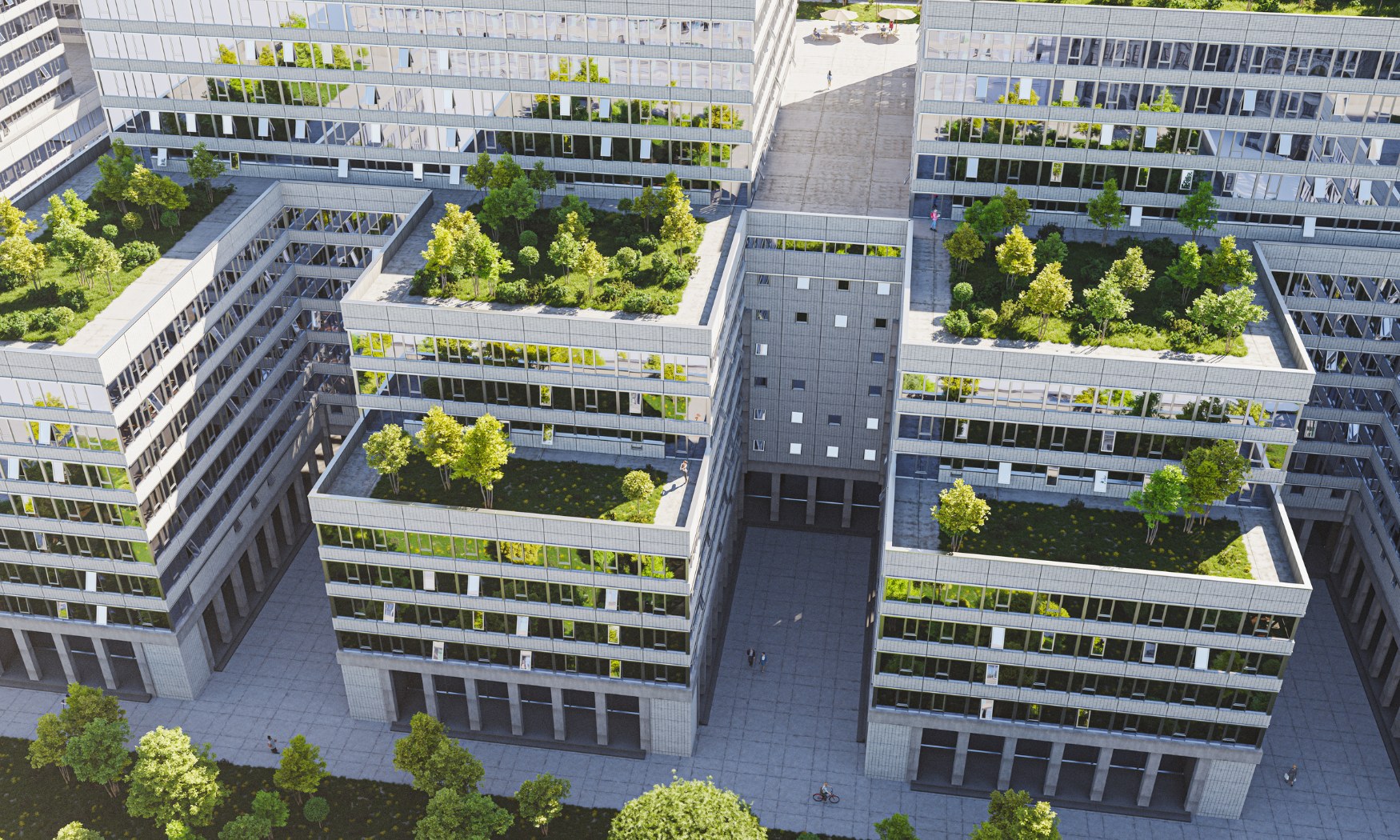
Our essential guide to the CIRIA 753 SuDS manual for water management
If you’re a drainage designer in the UK, you probably already know about the CIRIA SuDS manual: To help our customers interpret these guidelines, we’ve created “A Guide to Representing SuDS in InfoDrainage”, which explains all of the settings and options in the software that can help you meet the recommendations of the CIRIA manual.…
Drainage design
-
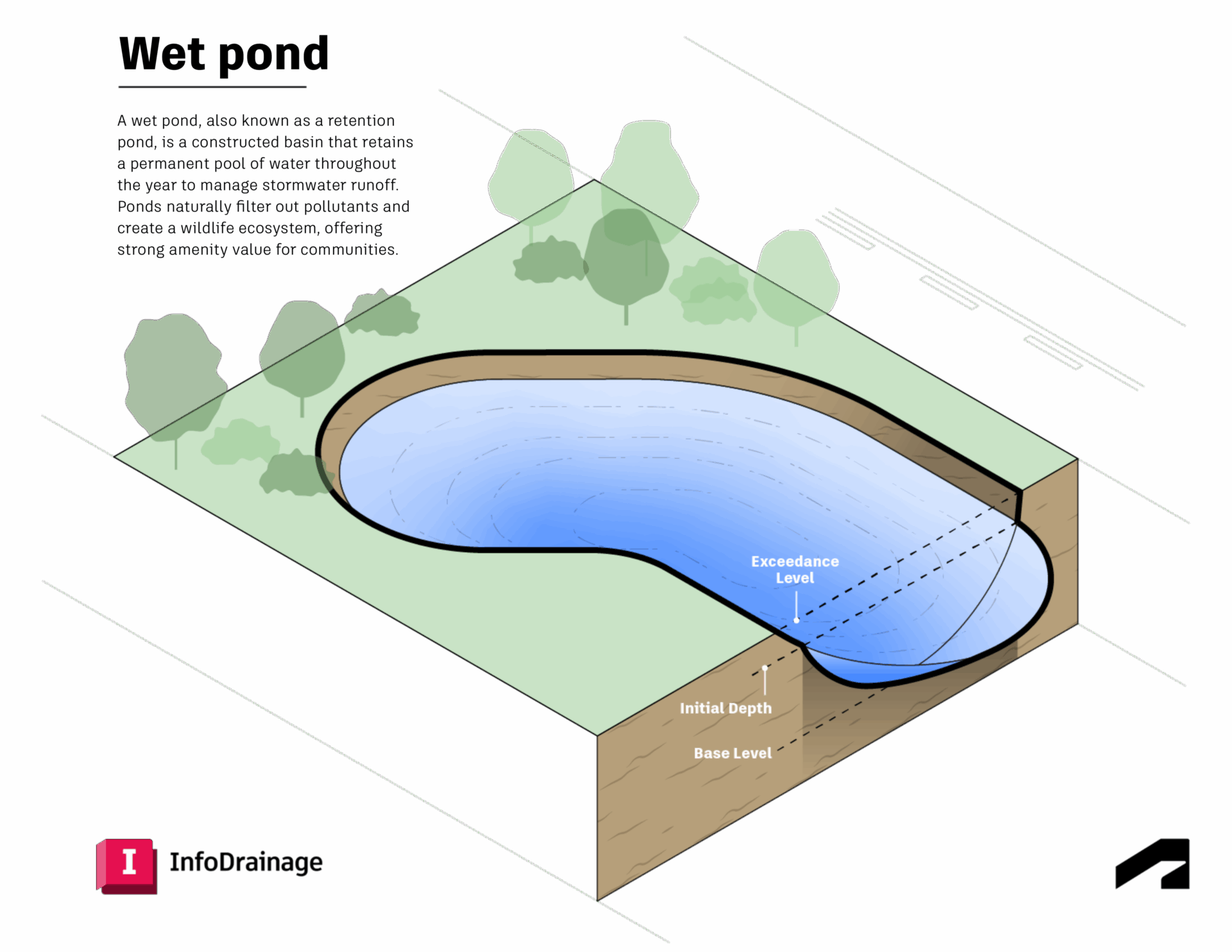
The role of wet ponds and infiltration basins in sustainable drainage design
Ponds and infiltration basins are two of the most effective strategies in sustainable drainage design, offering multiple benefits beyond simple stormwater control. By capturing runoff from impervious surfaces and either storing it for gradual release or allowing it to soak back into the ground, these systems reduce flood risks, improve water quality, and recharge groundwater…
Storm, sewer, flood
-
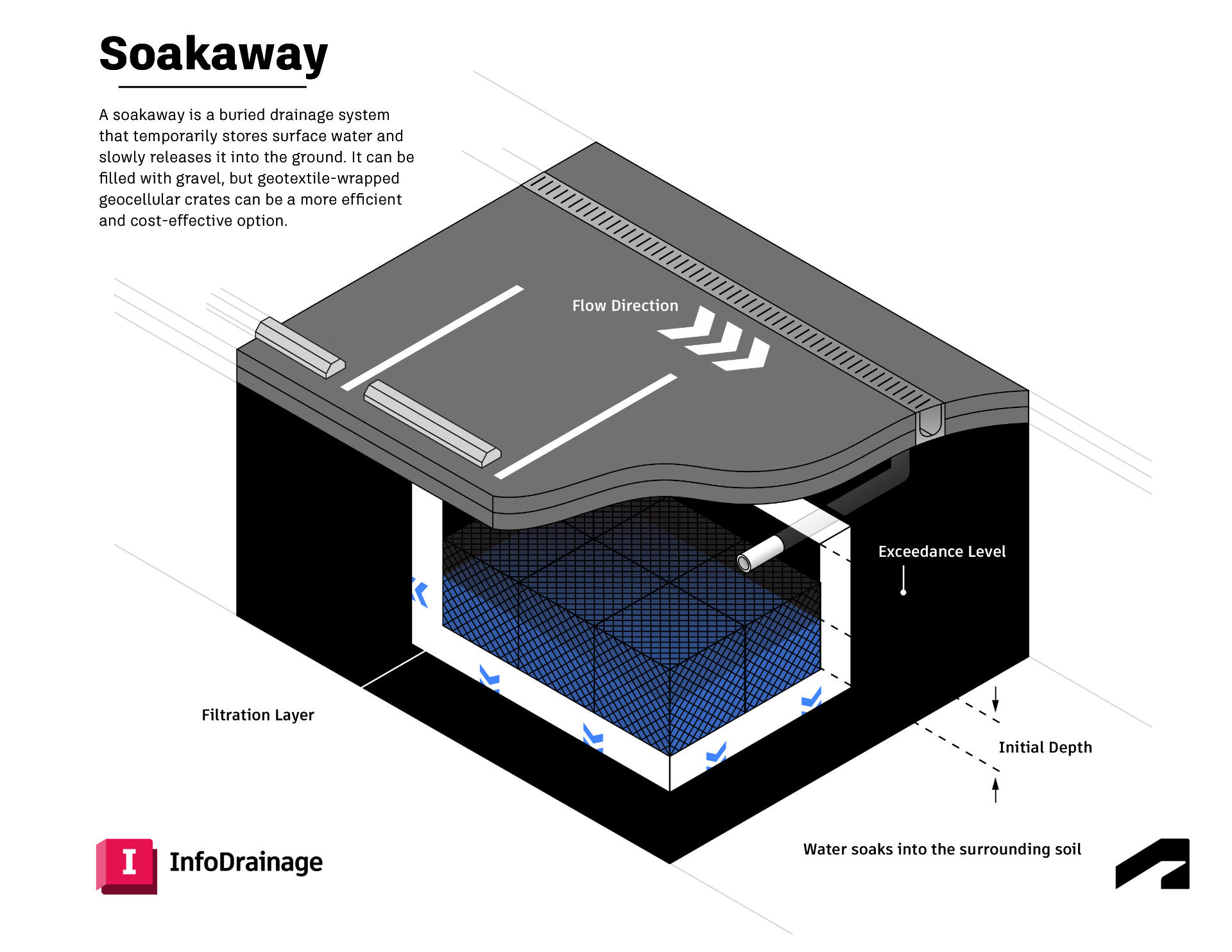
What are soakaways and how should they be designed?
Evolving weather patterns and increasing rainfall lead to water and drainage challenges for homes, businesses, and infrastructure. Developers must incorporate drainage systems in their planning that can solve current water challenges and meet tomorrow’s unknown water management needs. Soakaways can create safer, more resilient communities while protecting the environment. What are soakaways? Soakaways reduce the…
Drainage design
-
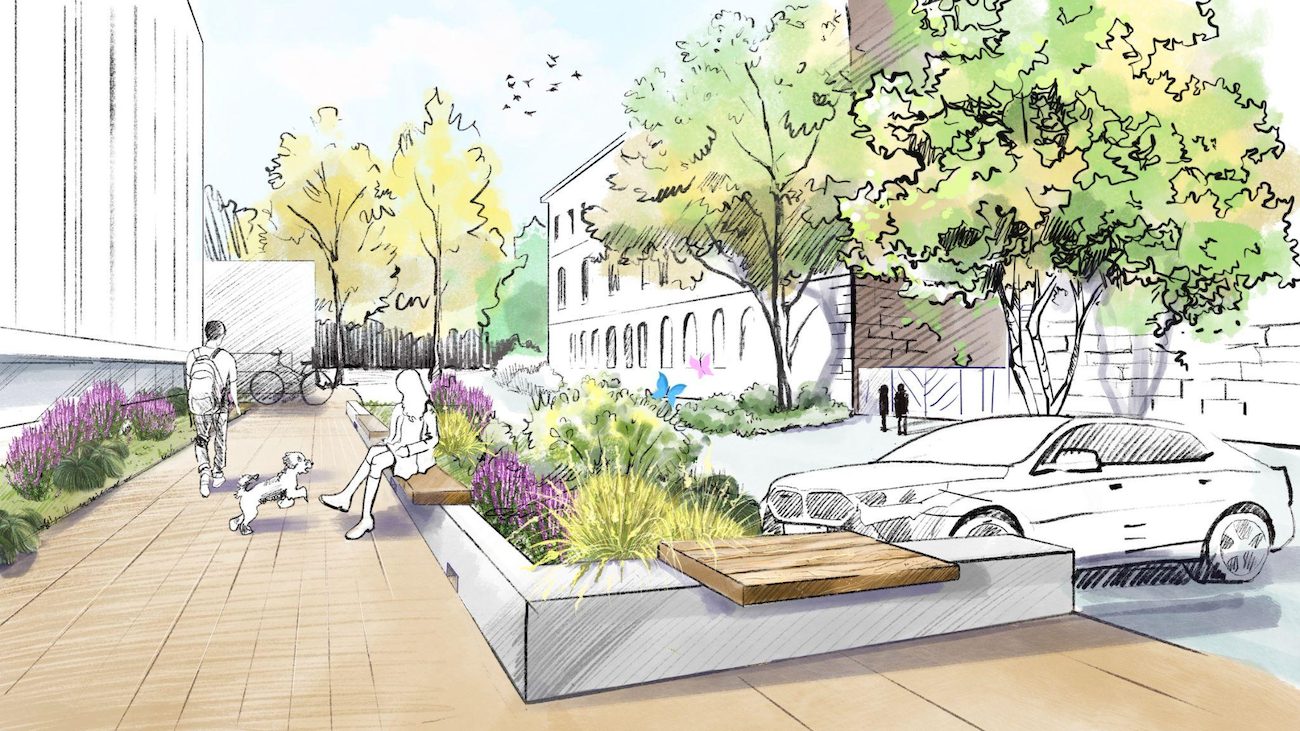
Smart City SuDS: How I built a practical toolbox for evaluating bioswales
We are pleased to spotlight guest author Mariya Bodylevskaya, who discovered InfoDrainage in the course of her studies around sustainable drainage at HFT Stuttgart. She shares her experience building a framework for better understanding and evaluating the performance of bioswales in urban environments. For several years, I have studied the topic of Sustainable Drainage Systems…
Drainage design
-

What is a bioretention system and how does it help control stormwater runoff?
Bioretention is a stormwater management practice that harnesses natural processes to treat and manage stormwater runoff from impervious surfaces such as rooftops, driveways, and parking lots. If you live in a city, you may have seen many of these types of systems. By utilizing a combination of vegetation, soil, and beneficial microorganisms, bioretention systems capture,…
Sustainability