Storm, sewer, flood
-
Unseen infrastructure: The underground networks that keep the world turning
Let’s explore unseen infrastructure and examine everything happening beneath our feet, in walls, under roads, and throughout cities.
Storm, sewer, flood
-

Water Drops: NEXRAD, inlets, and templates, oh my!
This release of Water Drops focuses on some key functionality to help improve your workflows: Designing inlets in InfoDrainage We’ve already seen many useful tools in InfoDrainage from previous Water Drops collections. In this video, we continue to built on those skills by taking a deep dive on inlets inside InfoDrainge. More specifically, how inlets should…
Storm, sewer, flood
-

Putting the squeeze in sponge cities: Amsterdam’s Waternet and the innovative RESILIO blue-green roof project
The RESILIO project has helped Amsterdam repurpose rooftops as smart blue-green roofs to reuse rainwater and prevent localized flooding. This project, along with other sustainable water initiatives like the Amsterdam Rainproof program, continues to position the Netherlands at the forefront of water management. We examine the details of the project, how our software is used,…
Customer stories
-
1D vs 2D hydraulic modeling: What’s the difference? Pros and cons? How do you decide?
Predicting floods and how these flows of water interact with topography and infrastructure has presented a menagerie of challenges for engineers past and present. Floods are dynamic events that encompass a series of interrelated factors that determine the resultant effects. Factors like topographical variance, soil permeability, precipitation intensity, existing stormwater controls, and plenty more need…
Storm, sewer, flood
-
HEC-RAS: Its history, benefits, drawbacks, and alternatives
For much of human history, rivers were one of the most prevalent resources to civilization, serving as the liquid highways for goods and providing needed water for irrigation. It’s no wonder then why the world’s top minds have long toiled over how to control rivers and understand their flow. While understanding rivers presented persistent toil…
Storm, sewer, flood
-
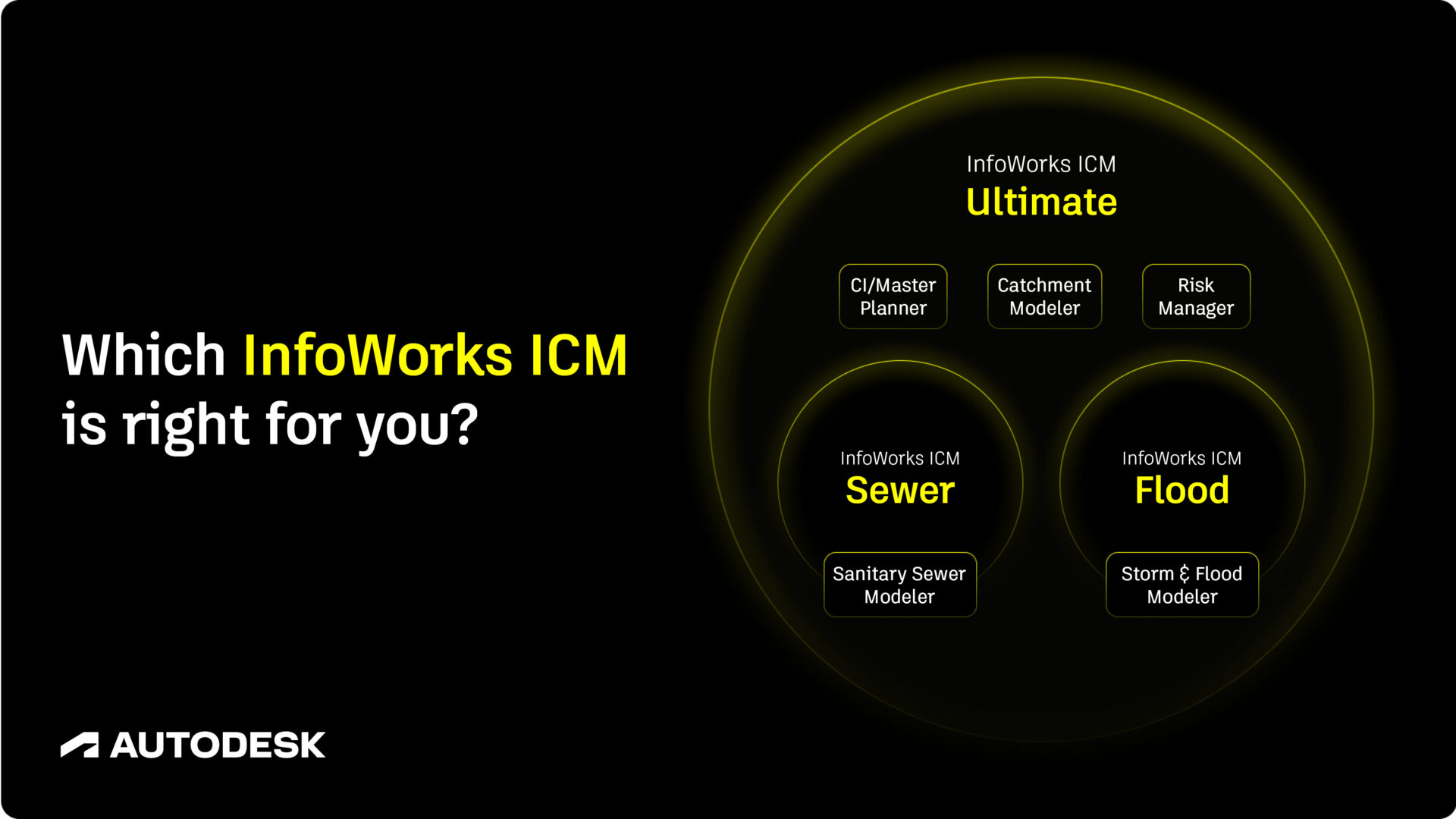
InfoWorks ICM Sewer vs. Flood vs. Ultimate: which one do you need?
Autodesk’s InfoWork ICM is catchment modeling software which can be applied to hydraulic modeling challenges as diverse as: Goodbye, ‘Standard vs Ultimate’ In the past, InfoWorks ICM was available in two flavors: Standard and Ultimate. However, in June of 2025, Autodesk announced two new options for customers who didn’t require access to every toolset available in InfoWorks…
Storm, sewer, flood
-

Mitigating wet weather events with InfoWorks ICM: an overview of the software’s essential use cases
Understanding and mitigating storm, sewer, and flooding events is a complex challenge known well by those in the water industry. In this post we walk through how InfoWorks ICM empowers users through the capacity planning process, Combined Sewer Overflow (CSO) mitigation, and even walk through its integration with Autodesk Civil 3D. What are the essential…
Storm, sewer, flood
-
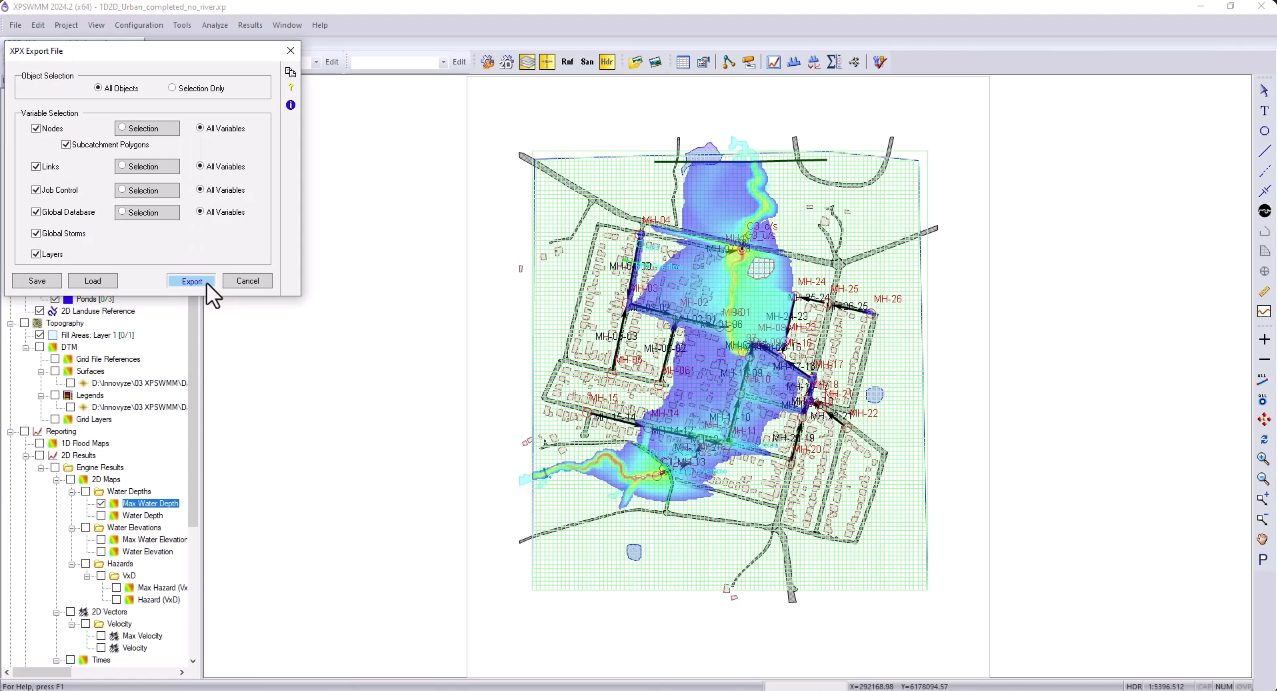
The easiest way to migrate XPSWMM files into InfoWorks ICM: XP Importer
Twenty years on from the first release of XPSWMM, the water industry has demanded simulation solutions that can efficiently handle large data sets and help modelers understand advanced flow conditions across multiple catchments, and simultaneously model different climate scenarios and mitigation options. It’s this demand for powerful modern modeling tools that drove our team to…
Product news
-

[Webinar] Creating a city-wide 1D + 2D flood model
Can you create a combined 1D/2D model of an entire city to determine its risk for flooding? Not too long ago, the answer was no. But it’s becoming increasingly possible using GIS platforms, tools like InfoWorks ICM, and by taking advantage of the vast amount of public data that’s increasingly being shared. This openness with…
Storm, sewer, flood
-

San Francisco Public Utilities Commission uses InfoWorks ICM to model a combined system
The San Francisco Public Utility Commission (SFPUC) owns and operates close to 1,000 miles of sewer mains, 3 treatment facilities, 200 million gallons of storage, 26 pump stations and 36 combined sewer discharge outfalls. Interestingly, it is the only coastal city in California with a combined sewer system that collects and treats both wastewater and…
Storm, sewer, flood