-
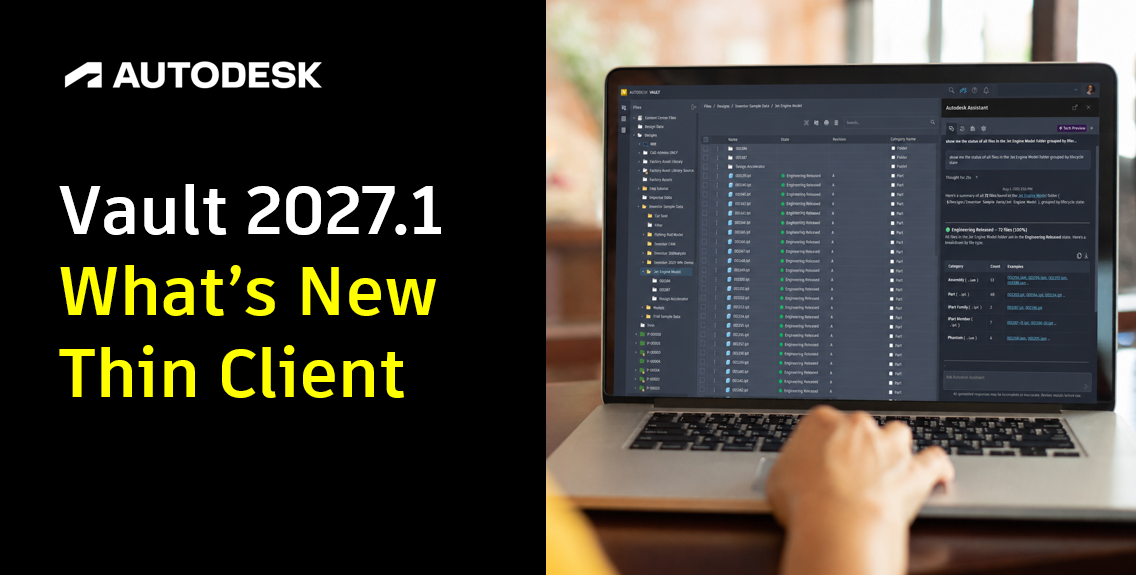
Autodesk Vault 2027.1 Delivers a More Modern, Intelligent Thin Client
The Autodesk Vault Thin Client gives users browser-based access to controlled Vault data without requiring the full desktop client. It provides a streamlined way for stakeholders across manufacturing, procurement, and project management to find, review, and act on engineering and product data management information. The release of Autodesk Vault 2027.1 transforms the Thin Client experience…
Data & Process
-
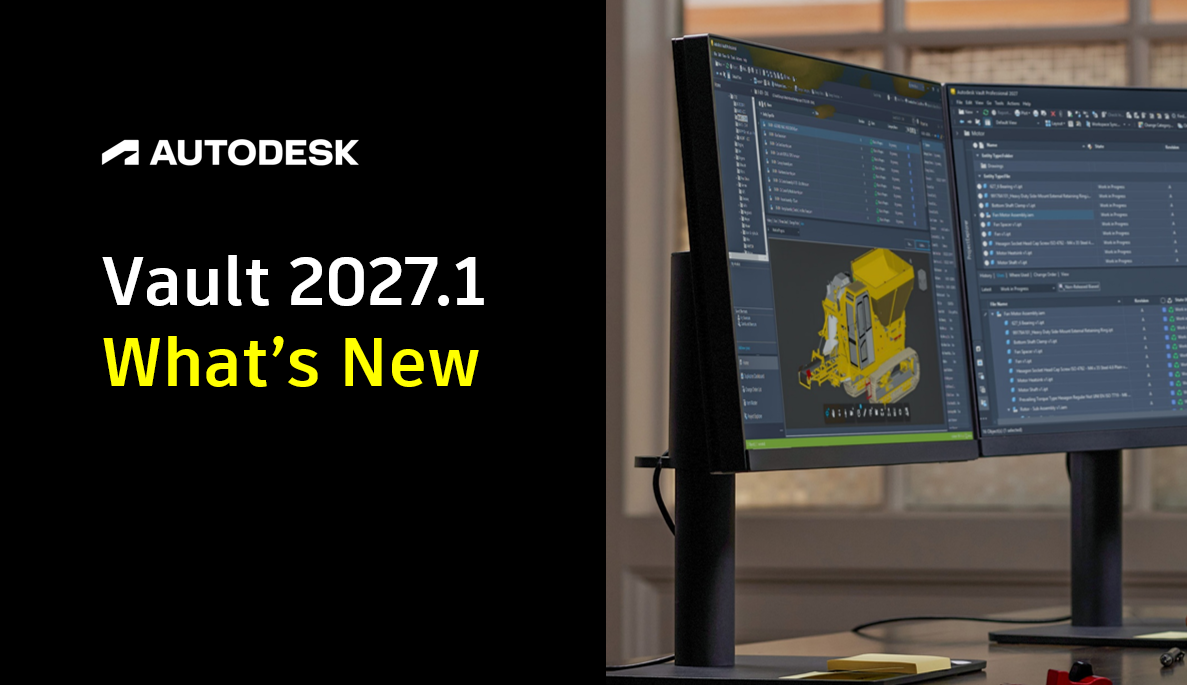
Autodesk Vault 2027.1 What’s New
Earlier this year, Autodesk Vault 2027 took a meaningful step forward in product data management. The release focused on a clear goal: removing friction from everyday work while keeping Vault as the trusted system of record. The result is an experience that feels more intelligent and connected, without asking teams to rethink how they already…
Data & Process
-

BOM Management Guide: How to Connect Product Design, Engineering, and Manufacturing
Learn how modern BOM management helps engineering and manufacturing teams reduce errors, manage product changes, and connect design, production, and business systems with Autodesk Fusion and Vault. BOM Management: The Foundation of Connected Product Development Every product starts with a bill of materials (BOM). Whether you’re designing industrial equipment, consumer products, machinery, or electronics, your…
Data & Process
-

Design for Assembly (DFA): What It Is, Principles, and How to Reduce Manufacturing Cost
Design for assembly (DFA) simplifies product design to reduce manufacturing cost and speed up production. Learn key principles, benefits, and real-world best practices. What is design for assembly (DFA)? Design for assembly (DFA) is a product design approach that simplifies how parts are assembled by reducing part count, minimizing fasteners, and standardizing components. The goal…
Design & Engineering
-
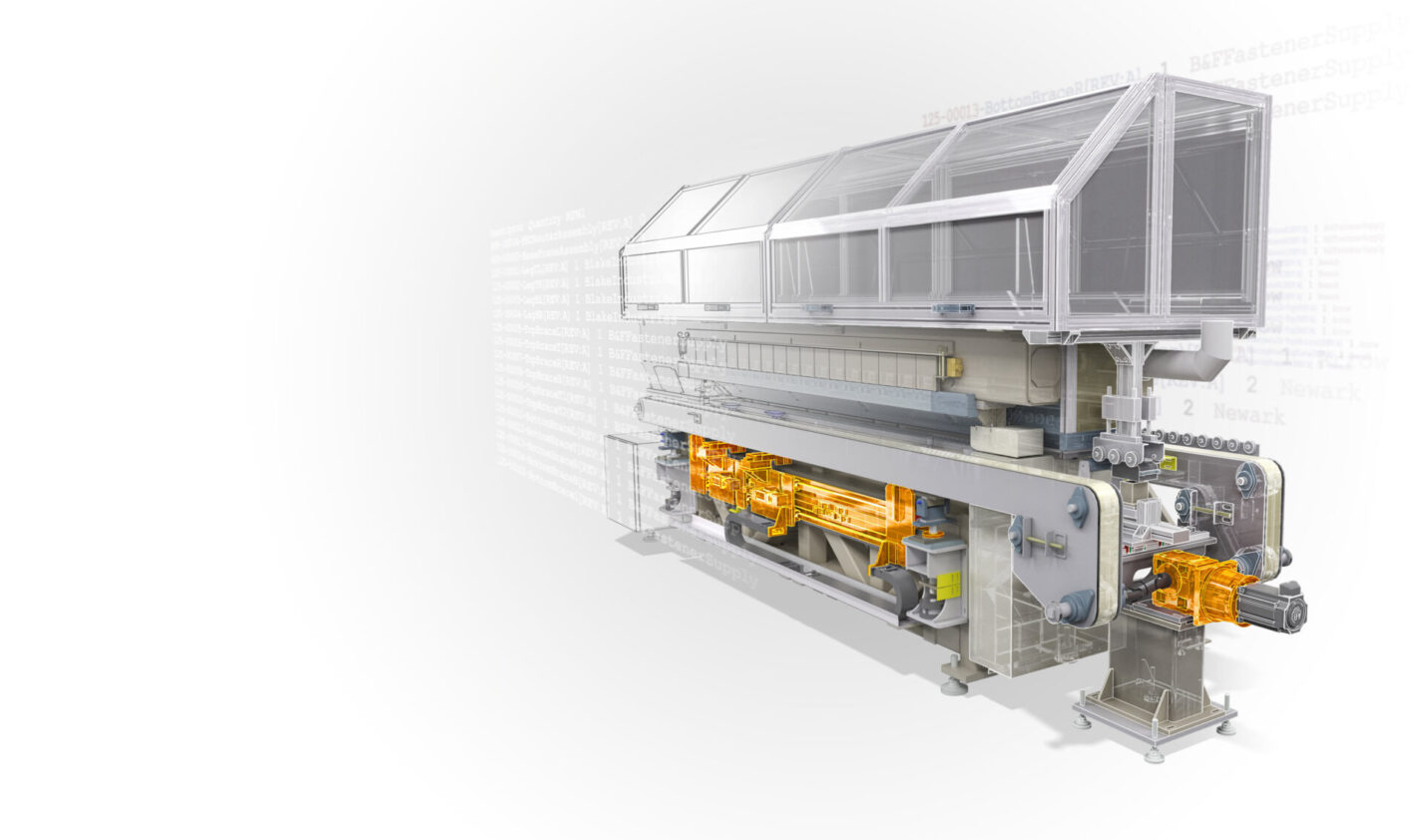
Autodesk Inventor Subscription: What You Get and Why Engineers Choose It
Explore Autodesk Inventor subscription options, pricing, and features. Learn what you get, how it works, and start a free trial to test it on real engineering workflows. If you’re evaluating Autodesk Inventor, the real question isn’t just “What does it cost?” It’s: “Will this help me design faster, reduce errors, and get products to market…
Design & Engineering
-
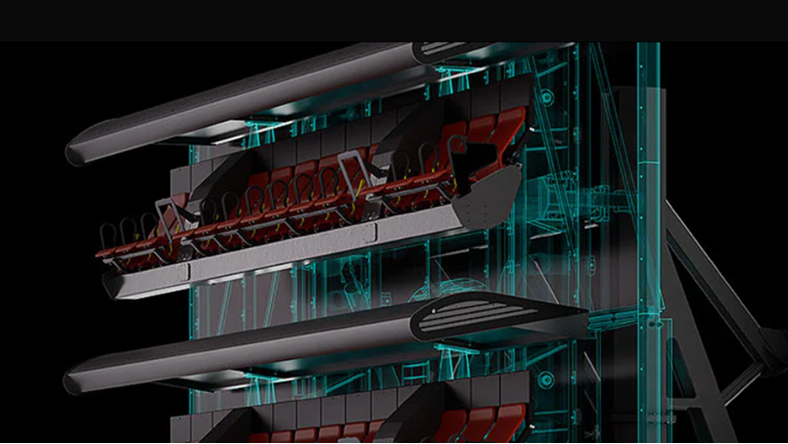
How to Manage Large Multi-Part Assemblies in CAD for Industrial Machinery
Struggling with large CAD assemblies slowing you down? Learn how to manage complex industrial machinery designs, and why Autodesk Inventor is built for large-scale performance. Designing industrial machinery is one of the most demanding use cases in CAD. Assemblies don’t just grow, they scale. What starts as a manageable model quickly becomes a system of…
Design & Engineering
-

Why File Versioning Alone Isn’t Enough (And What to Do Instead)
File versioning tracks changes, but engineering teams need more control. Learn how PDM helps prevent version conflicts, protect design data, manage revisions, and keep teams working from the right files. Every engineering team has a version-control problem. At first, it looks harmless. A designer saves a file as: Everyone understands what happened. At least for…
Data & Process
-

How to Plan and Optimize a Factory Layout with Autodesk
Learn how to plan, visualize, and optimize factory layouts using Autodesk Factory Design Utilities and FlexSim. Create digital factory models, validate equipment placement, and simulate material flow before making costly physical changes. Why factory layout decisions costs manufacturers millions Few decisions have a greater long-term impact on manufacturing performance than factory layout. A poorly planned…
Production
-
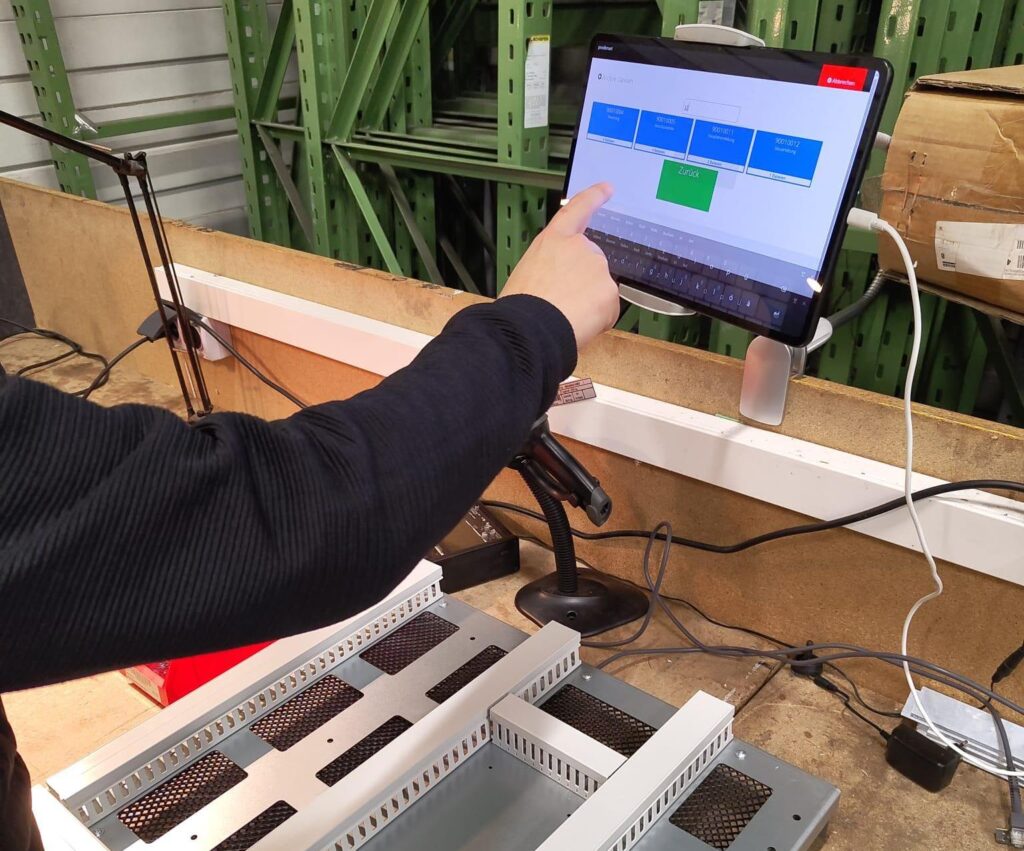
The Real Reason Your Production Data Can’t Be Trusted
Struggling with unreliable production data? Learn why manufacturing data breaks down and how Fusion Operations bring real-time visibility and accuracy to the shop floor. Production data is supposed to be the foundation of every decision on the shop floor. It’s how teams track progress, measure performance, and identify problems before they escalate. But in many…
Production
-
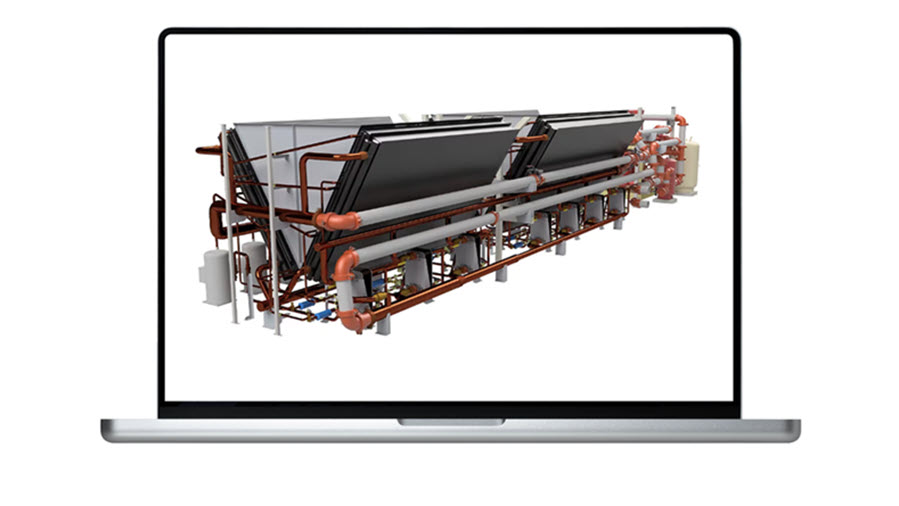
How to Handle Late-Stage Design Changes in Inventor Without Breaking Workflows
Learn how to manage late-stage design changes in Autodesk Inventor without disrupting workflows. Discover how PDM tools like Autodesk Vault keep revisions controlled, traceable, and aligned across engineering and manufacturing teams. Late-stage design changes are inevitable. A supplier issue, a manufacturability concern, or a last-minute requirement can force updates when a design is already close…
Design & Engineering
-
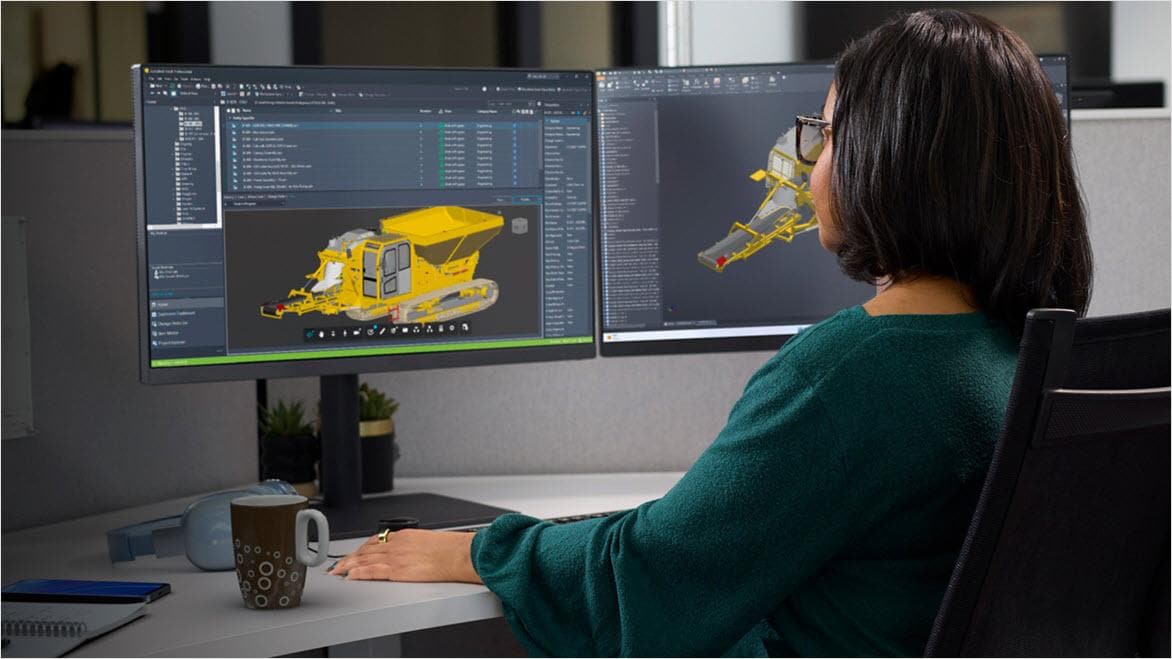
The Hidden Cost of Disconnected Engineering Data and How to Fix It
Disconnected engineering data leads to rework, delays, and costly errors. Learn how a centralized approach with Autodesk Vault helps teams stay aligned and keep product development moving. In most manufacturing organizations, teams are surrounded by design files, BOMs, change records, supplier specs, and production data spread across shared drives, email threads, spreadsheets, and disconnected systems.…
Data & Process
-
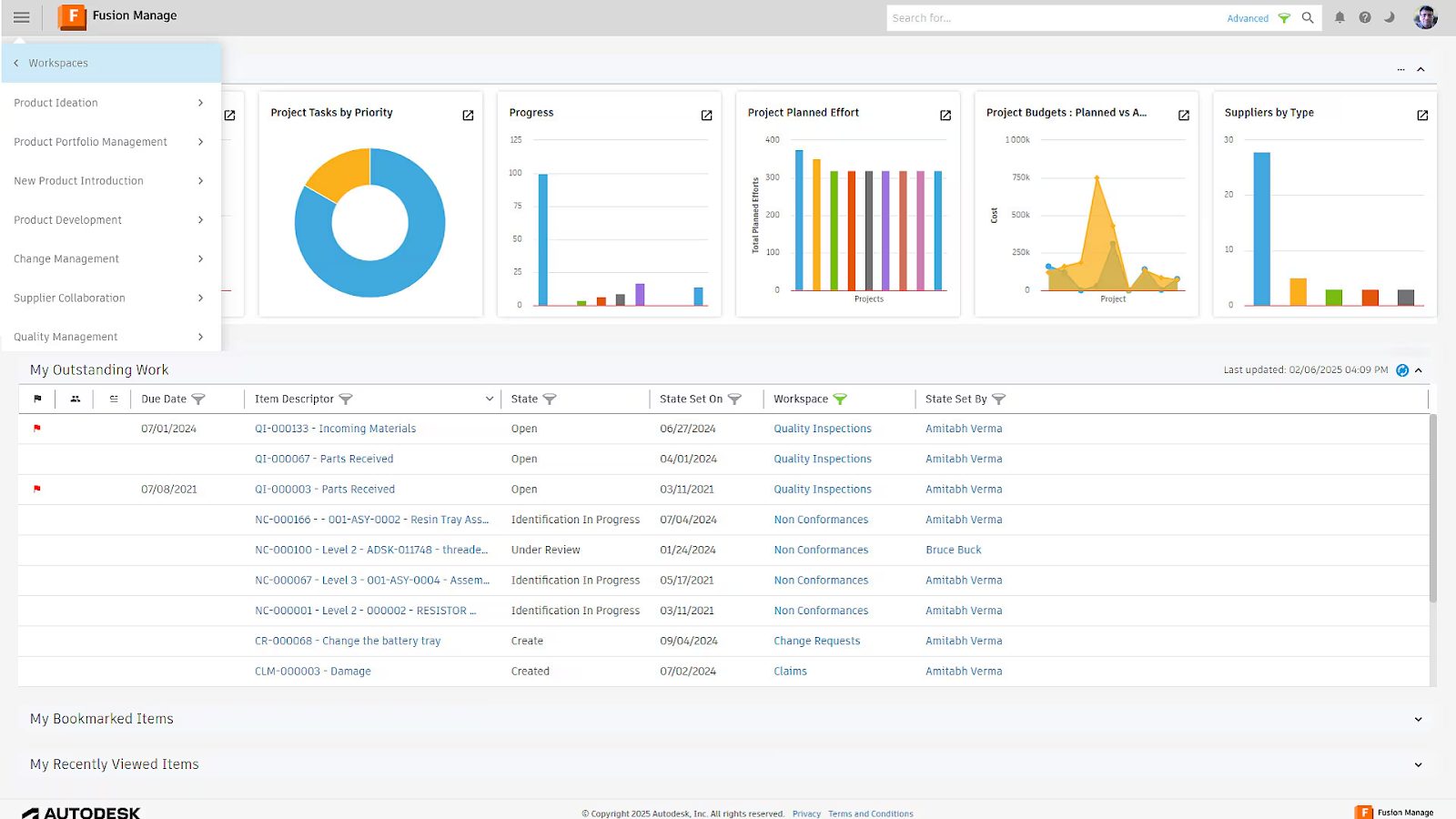
Cloud Product Lifecycle Management for Distributed Product Teams
This article examines how cloud PLM solutions support distributed product teams by improving accessibility, collaboration, and scalability. It also highlights Autodesk’s cloud PLM tools (Fusion Manage and Vault PLM) and how they facilitate change management to improve supplier collaboration and connect teams across the full product lifecycle. In 2026, product development teams face a new…
Data & Process