TECHNICAL DRAWING
TECHNICAL DRAWING
Draft precise and detailed drawings quickly with CAD software from Autodesk.
Image courtesy of Engineering Center LTD, Russia

What is a technical drawing?
What is a technical drawing?
A technical drawing, also known as an engineering drawing, is a detailed, precise diagram or plan that conveys information about how an object functions or is constructed. Engineers, electricians, and contractors all use these drawings as guides when constructing or repairing objects and buildings.
A technical drawing, also known as an engineering drawing, is a detailed, precise diagram or plan that conveys information about how an object functions or is constructed. Engineers, electricians, and contractors all use these drawings as guides when constructing or repairing objects and buildings.
 Image courtesy of MartinCSI
Why are technical drawings important?
Why are technical drawings important?
Technical drawings bridge the communication between designers, the people who come up who come up with ideas, and producers, the people who put those ideas into practice. They’re designed as a universal language to be understood by engineers, contractors, and architects.
Technical drawings bridge the communication between designers, the people who come up who come up with ideas, and producers, the people who put those ideas into practice. They’re designed as a universal language to be understood by engineers, contractors, and architects.
Types of technical drawings
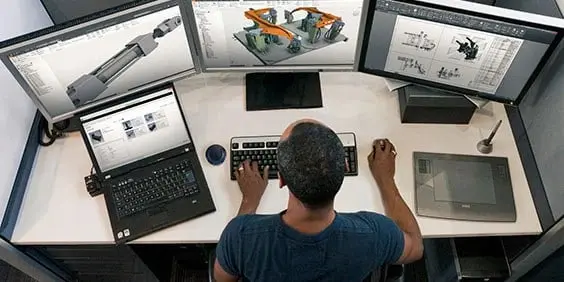
Mechanical Engineering Drawing
Mechanical Engineering Drawing
Mechanical engineering drawings are used to define the requirements for engineering products/components. They serve as technical manuals and as trouble-shooting tools for identifying the weak spots in a mechanical design (US site). Mechanical drawings rely on precise mathematical equations to accurately depict the mechanism and its component parts
Mechanical engineering drawings are used to define the requirements for engineering products/components. They serve as technical manuals and as trouble-shooting tools for identifying the weak spots in a mechanical design (US site). Mechanical drawings rely on precise mathematical equations to accurately depict the mechanism and its component parts
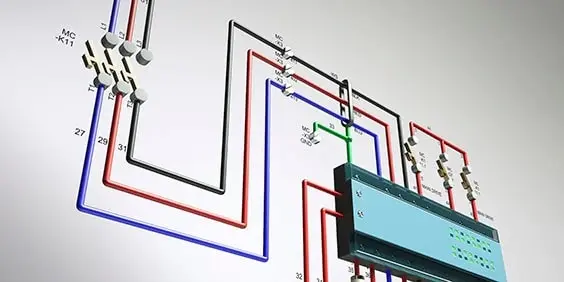
Electrical drawing
Electrical drawing
Electrical drawings are technical documents that depict and notate designs for electrical systems. They convey relevant information about lighting, wiring and power sources, as well as information about voltage and capacity. Technicians rely on electrical drawings during a building’s construction or when repairing a building’s electrical system.
Electrical drawings are technical documents that depict and notate designs for electrical systems. They convey relevant information about lighting, wiring and power sources, as well as information about voltage and capacity. Technicians rely on electrical drawings during a building’s construction or when repairing a building’s electrical system.
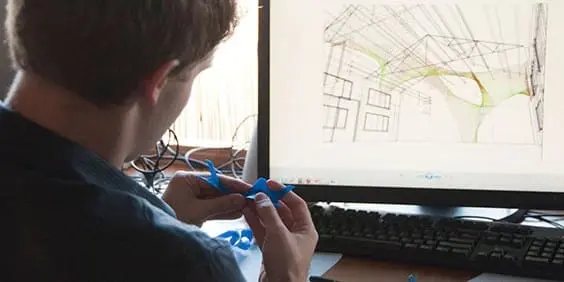
Architectural drawing
Architectural drawing
Architectural drawings are detailed, precise depictions of every aspect of the construction being proposed. Architects use the drawings to visualise ideas and concepts, turn a design idea into a coherent plan for a building and decide the type of supplies and labour that is needed for the project.
Architectural drawings are detailed, precise depictions of every aspect of the construction being proposed. Architects use the drawings to visualise ideas and concepts, turn a design idea into a coherent plan for a building and decide the type of supplies and labour that is needed for the project.
Technical drawing software

Expedite your technical drawing process
Expedite your technical drawing process
AutoCAD includes specialized toolsets, such as architecture, mechanical, electrical, and more. Access over 750,000 intelligent objects and parts with industry libraries. Automate common actions in technical drawings such as inserting doors, generating bills of materials, and creating PLC I/O drawings.
AutoCAD includes specialized toolsets, such as architecture, mechanical, electrical, and more. Access over 750,000 intelligent objects and parts with industry libraries. Automate common actions in technical drawings such as inserting doors, generating bills of materials, and creating PLC I/O drawings.
Getting started with technical drawing software

AutoCAD
AutoCAD
Get started in AutoCAD with these free guides and develop your skills with videos and tutorials.
Learn moreGet started in AutoCAD with these free guides and develop your skills with videos and tutorials.


Technical drawings in action
See how customers are using Autodesk software to create technical drawings.
 Image published with the kind permission of Lightning Motorcycles
Delivering the world's fastest electric motorcycle
Delivering the world's fastest electric motorcycle
Electric motorcycle builders outraced the petrol-powered competition with a superbike developed with generative design and 3D-printed prototypes. Autodesk’s iterative process to auto-design translated into significant gains in speed and range for the motorcycle, helping them to achieve world records.
Electric motorcycle builders outraced the petrol-powered competition with a superbike developed with generative design and 3D-printed prototypes. Autodesk’s iterative process to auto-design translated into significant gains in speed and range for the motorcycle, helping them to achieve world records.

Creating a "ropeless" lift for the US navy
Creating a "ropeless" lift for the US navy
Federal Equipment Company designs highly innovative lifts for the US Navy with help from Autodesk software, including AutoCAD, Revit and Inventor. Collectively, these programmes helped perform initial finite element analysis (FEA) (US site), track materials and optimise designs for manufacturability, ultimately reducing cost overruns associated with production stoppages and rework.
Federal Equipment Company designs highly innovative lifts for the US Navy with help from Autodesk software, including AutoCAD, Revit and Inventor. Collectively, these programmes helped perform initial finite element analysis (FEA) (US site), track materials and optimise designs for manufacturability, ultimately reducing cost overruns associated with production stoppages and rework.
Technical drawing resources
Create an engineering drawing in AutoCAD
Learn how to create mechanical engineering orthographic projection drawing in AutoCAD.
Learn how to create mechanical engineering orthographic projection drawing in AutoCAD.
Essential commands for technical drawing
Discover the commands you need to create 2D drawings in AutoCAD or AutoCAD LT.
Discover the commands you need to create 2D drawings in AutoCAD or AutoCAD LT.
Get started in AutoCAD
Get the most out of your AutoCAD subscription with these tutorials, tips, and free resources.
Get the most out of your AutoCAD subscription with these tutorials, tips, and free resources.
Update technical drawings anywhere
Explore the AutoCAD web app capabilities.
Explore the AutoCAD web app capabilities.
Construction sequencing workflow
Learn how the Autodesk AEC Collection helps make construction sequencing more efficient for streamlined project phasing.
Learn how the Autodesk AEC Collection helps make construction sequencing more efficient for streamlined project phasing.
AutoCAD and Inventor work better together (US Site)
Design faster and get more from your models by combining the capabilities of AutoCAD and Inventor.
Design faster and get more from your models by combining the capabilities of AutoCAD and Inventor.
Frequently asked questions on technical drawing
What are the branches of technical drawing?
Mechanical, civil, and electrical engineers, manufacturing designers, and architects all produce and use detailed, precise technical drawings that convey information about how an object or structure functions or how it is constructed.
What is sectioning in technical drawing?
Sectioning in technical drawing shows the internal configuration of a part or object, as if the object has been sliced through. When a technical drawing is rendered in sections, it reveals the interior construction of an object and the relationship between different parts or components and space. The Autodesk Architecture, Engineering and Construction Collection delivers integrated tools for streamlined 2D and 3D technical drawing.
What is perspective drawing in technical drawing?
Perspective drawing is a way to represent 3D objects on a flat surface. Using perspective drawing conveys depth, space, and extension of an object, tool, part, or building. Autodesk Inventor software makes it easy to apply perspective to a custom drawing view.
Why is technical drawing important in the manufacturing industry?
Detailed technical drawings communicate the design intent of the item to be manufactured and assembled. They help the manufacturer understand how to build or construct something to a specific size, form, and function to enable it to work correctly. Technical drawing details help streamline the manufacturing process in two ways: They reduce the time spent from design cycle to production and eliminate errors and waste associated with missing or incomplete manufacturing information.
How do you read technical drawings?
To read technical drawings, refer to the many information blocks provided on the drawing. The title block, located on the bottom right corner of the drawing, includes a description of the drawing, information about the materials to be used, scale, tolerances, size, part numbers, and more. The revision block, located in the upper right corner, explains revision details or changes made to the original drawing. The bill of materials block, above the title block or on the upper left corner, includes a list of all the items or quantities of materials needed to assemble the object or structure. The drawing key explains various symbols and lines that can identify the different features of an object or structure. The scale number will explain the scale the drawing should be produced to. For example, 1:1 means the drawing represents the actual size of the object and 100:1 means the actual object is 100 times the size of the drawing.
What is pattern development in technical drawing?
Pattern development in technical drawing is the creation of a flat representation of a three-dimensional object. True pattern development uses parallel lines, radial lines, or triangulation so that every surface on the pattern is the same size and shape as the corresponding surface of the 3D object.