-
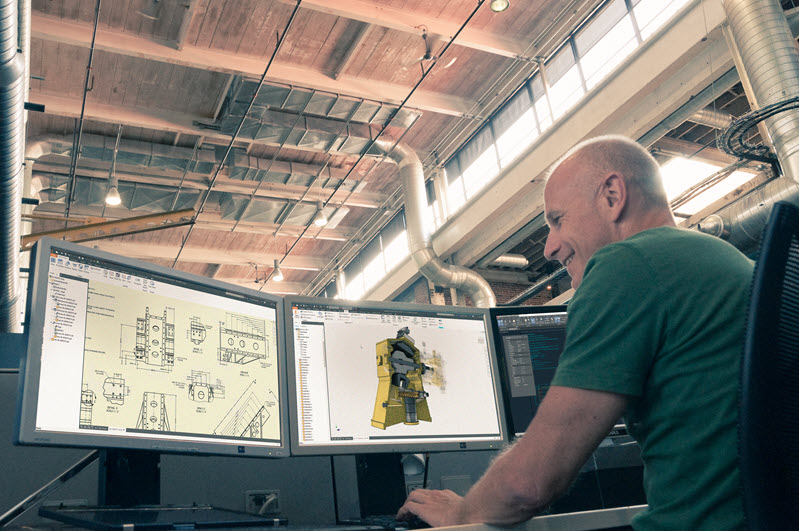
New Product Introduction (NPI) Process Guide
Explore how successful New Product Introduction (NPI) relies on standardized processes, lifecycle tracking, and digital tools like Fusion Manage and Vault PLM to facilitate development and guarantee product success. NPI manufacturing Bringing a new product to market requires coordination across engineering, operations, supply chain, and marketing teams, making the New product introduction (NPI) process a…
Data & Process
-
The Future of Factory Automation: How Simulation Drives Efficiency and Innovation
Advanced simulation tools are shaping the future of factory automation by driving efficiency, innovation, and competitiveness. These tools help manufacturers optimize processes and design layouts, enhance productivity, reduce costs, and stay agile in the face of modern manufacturing complexities. Factory automation is top of mind for manufacturers today, propelling industries toward unprecedented levels of efficiency,…
Production
-
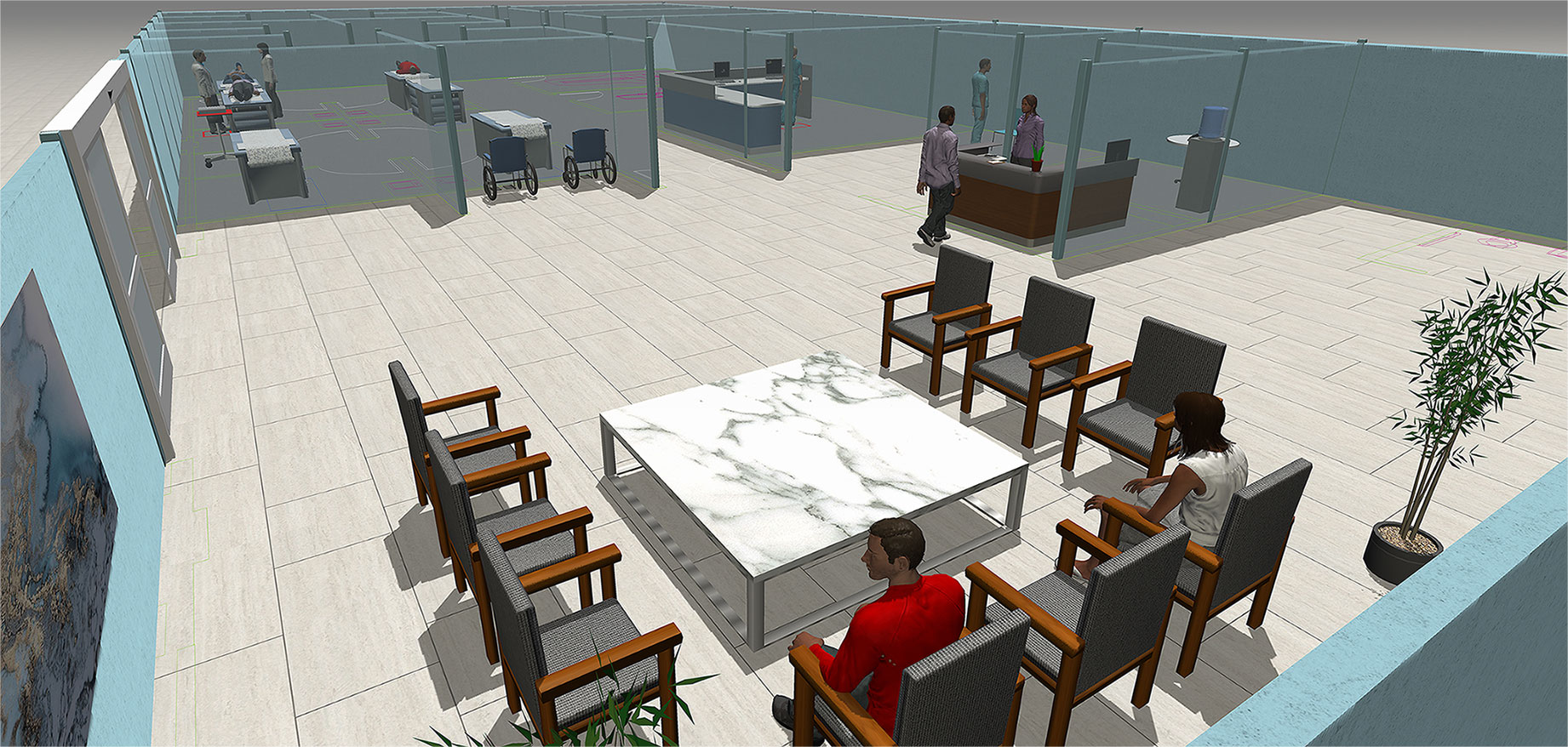
Revolutionizing Healthcare with 3D Simulation Modeling
3D simulation modeling, with tools like Autodesk FlexSim, enables healthcare professionals to analyze and optimize patient-based processes. This approach enhances patient care, improves operational efficiency, and achieves better outcomes, which will be crucial for future advancements in the industry. The healthcare industry is one of the most complex and dynamic sectors, requiring constant advancements to…
Production
-
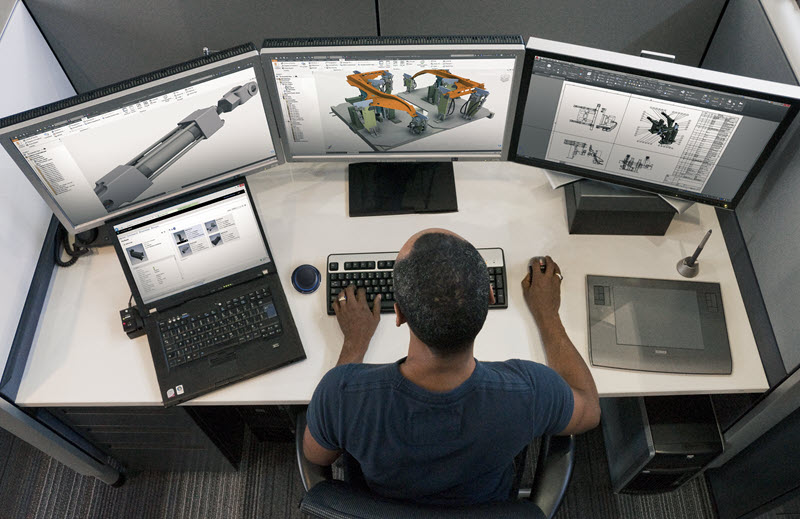
Design for Assembly: Enhancing Mechanical Design and Streamlining Production
As the manufacturing industry evolves, the significance of design for assembly and the advanced capabilities of Autodesk Inventor will help manufacturers reach their objectives and sustain a competitive edge. Efficiency and precision are paramount in the world of manufacturing. Companies strive to reduce production costs, improve product quality, and shorten time-to-market. One effective strategy to…
Design & Engineering
-
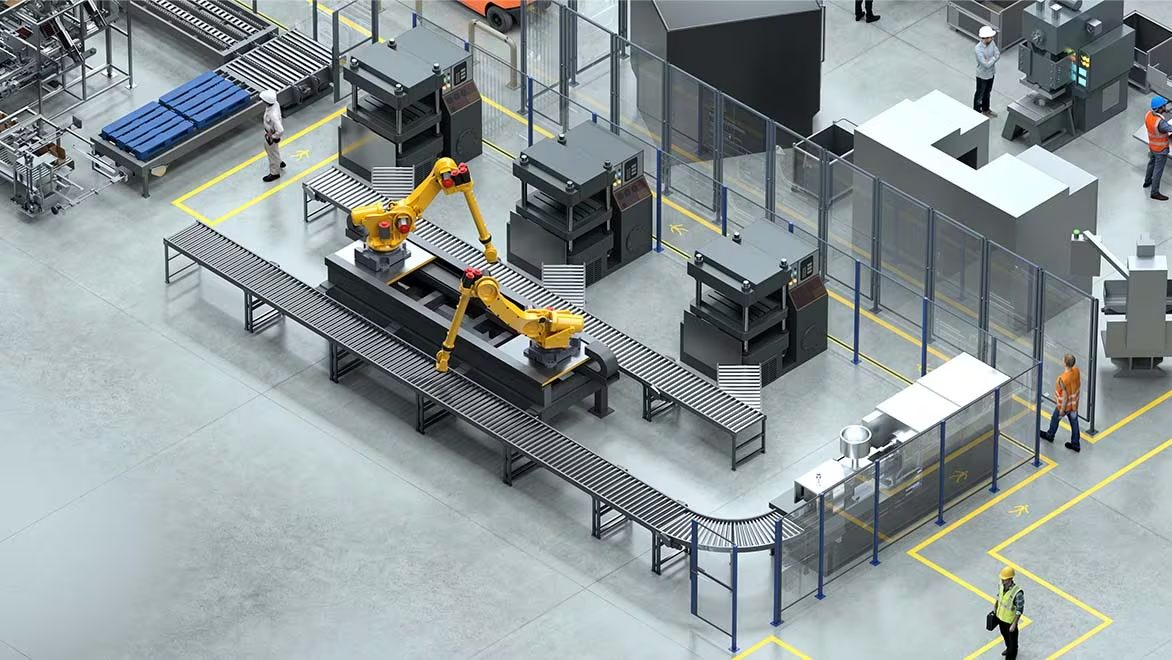
The Digital Factory of the Future
Learn how the digital factory of the future is changing manufacturing through intelligent systems and how Autodesk solutions support this evolution with advanced layout and coordination tools. The concept of a digital factory has become the blueprint for future-ready production as manufacturing evolves to be more responsive, sustainable, and efficient. By integrating data, automation, and…
Production
-
The Future of IIoT in Design and Manufacturing
Learn how IIoT in design and manufacturing will drive innovation, efficiency, and competitiveness, playing a critical role in shaping next-generation manufacturing processes and products, and leading to a smarter, more connected, and sustainable future. The Industrial Internet of Things (IIoT) is transforming design and manufacturing, as it ushers in a new era of connectivity, efficiency,…
Production
-

PLM for Sustainability – Do Good Well
Autodesk’s PLM solution, Fusion Manage enhances sustainability in product design and manufacturing through efficient data management, material selection, lifecycle assessments, design optimization, supply chain collaboration, change management, and end-of-life planning, aiding businesses in achieving sustainability goals and benefiting their bottom line. Autodesk is a market leader in sustainability, ranking #1 among software companies by Corporate…
Data & Process
-

Why Product Lifecycle Management (PLM) is Essential for Manufacturing
Learn why Product Lifecycle Management (PLM) is crucial for manufacturing, enhancing workflows, collaboration, and innovation.
Data & Process
-
Design for Assembly: Enhancing Designs and Streamlining Production
Design for Assembly (DFA) is essential for designs and streamlining production, offering significant benefits such as cost reduction and improved product quality. Learn more about DFA and how Autodesk Inventor providing tools to support its principles and help manufacturers to achieve their goals and maintain competitive advantage. Efficiency and precision are top priorities in the…
Design & Engineering
-

Agile PLM and Its Importance in Manufacturing
Learn about the benefits of agile PLM and how Autodesk can help increase product quality, and time to market. Agile PLM is vital for manufacturers to quickly adapt to market changes and technological advances. It emphasizes flexibility, iterative development, collaboration, customer-centricity, and adaptability. This leads to increased innovation, improved product quality, faster time to market,…
Autodesk Fusion Manage
-

Understanding the Basics of Geometric Dimensioning and Tolerancing (GD&T)
Learn the fundamentals of geometric dimensioning and tolerancing (GD&T) and why it’s important for precision engineering. Discover how Autodesk Inventor streamlines GD&T applications for better manufacturing and quality control. Manufacturing excellence relies upon precision, efficiency, and seamless communication between design and production. Every part, assembly, and mechanism—from aerospace components to everyday electronics—relies on consistent geometry…
Design & Engineering
-
The Mindset of a Manufacturing Engineer: Meeting Challenges Head-On in Production Planning
A manufacturing engineer plays a pivotal role in designing and optimizing manufacturing processes, emphasizing their responsibilities in quality control, material selection, and process optimization, and discusses how Autodesk’s Fusion Operations tool supports these engineers by providing real-time production tracking and data-driven insights to enhance efficiency and quality. Manufacturing is fundamental to product design. Regardless of…
Production