

May 11, 2020
AU Conferences Go Digital in 2020
To our valued AU community,
Each year I look forward to engaging with our customers and partners at Autodesk University events around the world. It’s a time when thousands of professionals from the construction, manufacturing, architecture, and engineering industries come together to learn, network, and share knowledge.
READ MORE >
May 6, 2020
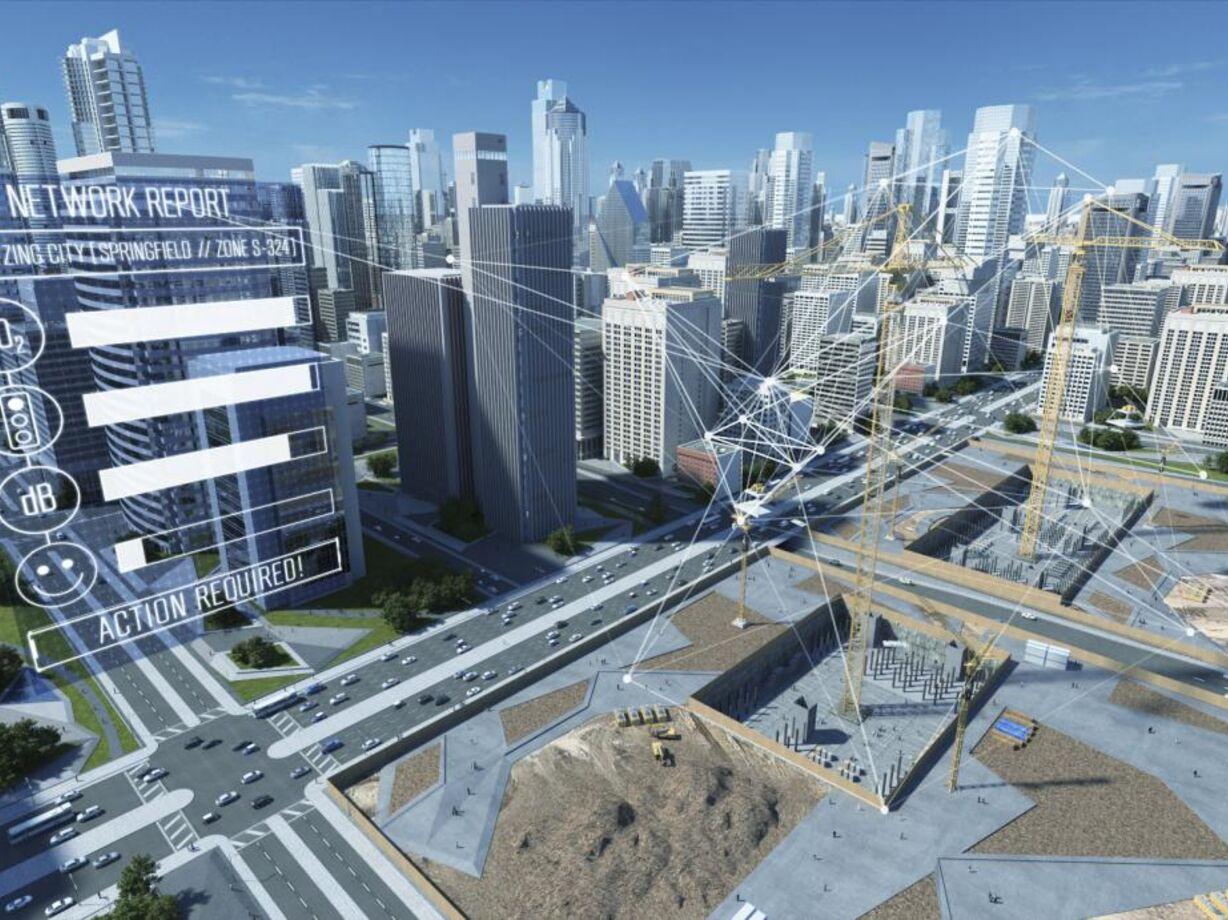
Smart Cities: Connecting Citizens, Services, and Systems
The coordination and control of our urban areas is critical right now, whether you’re talking about small towns or a major metropolis. Smart city technologies provide an ever-expanding tool set to intelligently connect citizens, services, and systems.
What exactly is a smart city? It depends to some extent on where you are and what people need. At their essence, smart cities are about using sensors to gather data, then using intelligent networks to analyze that data, extract insights, and share them with people and organizations.
READ MORE >
April 29, 2020
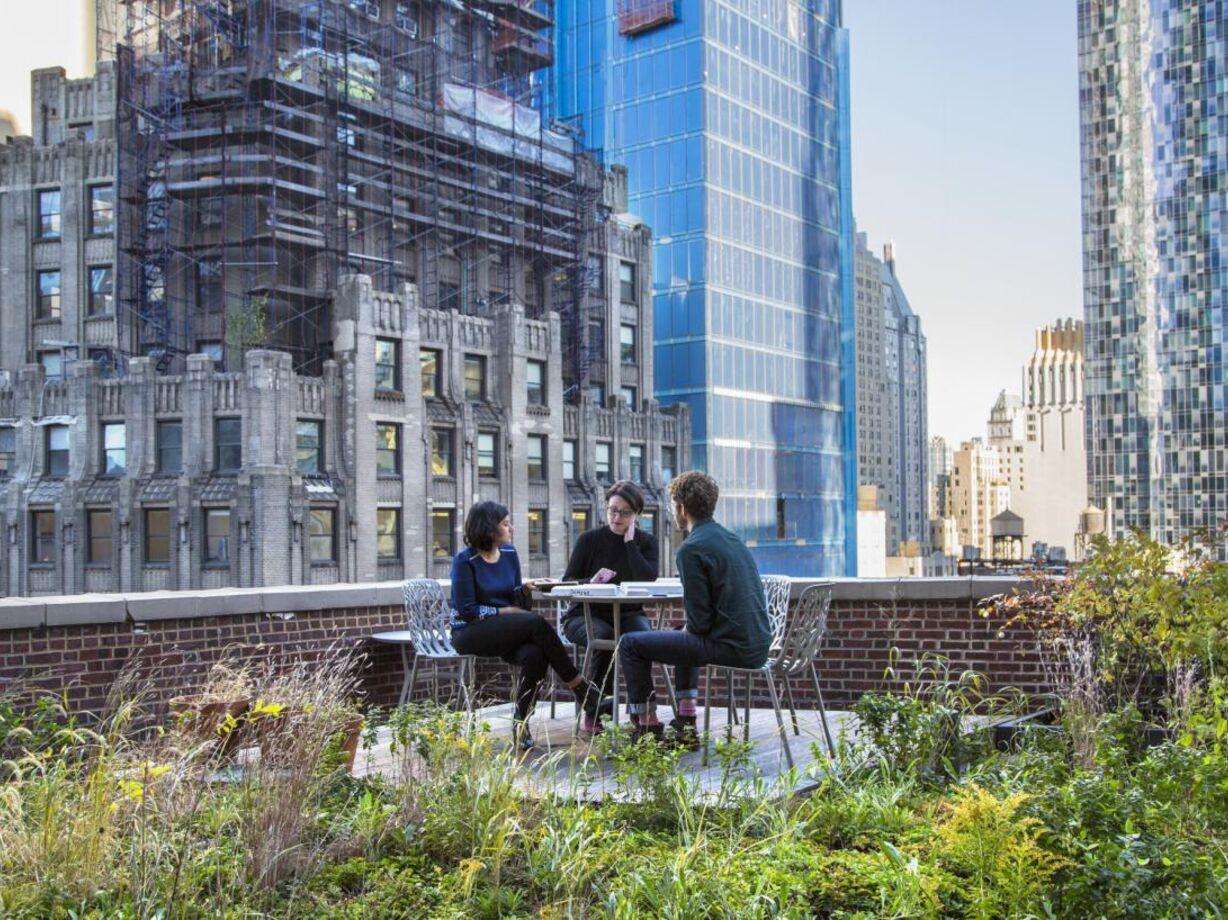
Top AU Resources for Architects
Buildings start as ideas, and architects are key to making them reality. Whether you’re making a house or a hospital, an auditorium or an office building, it’s the architects who listen to what’s needed, factor in all the requirements, develop the vision—then make it possible, balancing bold ideas and cold requirements, the beautiful with the necessary.
With the recent releases of AutoCAD 2021 and Revit 2021, what better time to highlight some top AU learning for the architects in our community. Let’s dive in.
READ MORE >

April 22, 2020
Cloud Collaboration Resources: Getting Started and Staying Productive
With so many of us working remotely right now, cloud-based collaboration has never been more important. To help, Autodesk has made several cloud collaboration products available at no cost until May 31, 2020.
Sign up and get full professional access to BIM 360 Docs, BIM 360 Design, Fusion 360, Shotgun, and AutoCAD Web and Mobile. Visit the Extended Access Program page for more details and to get started.
When you’re ready to get up to speed with these tools, check out these AU classes:
READ MORE >
April 14, 2020
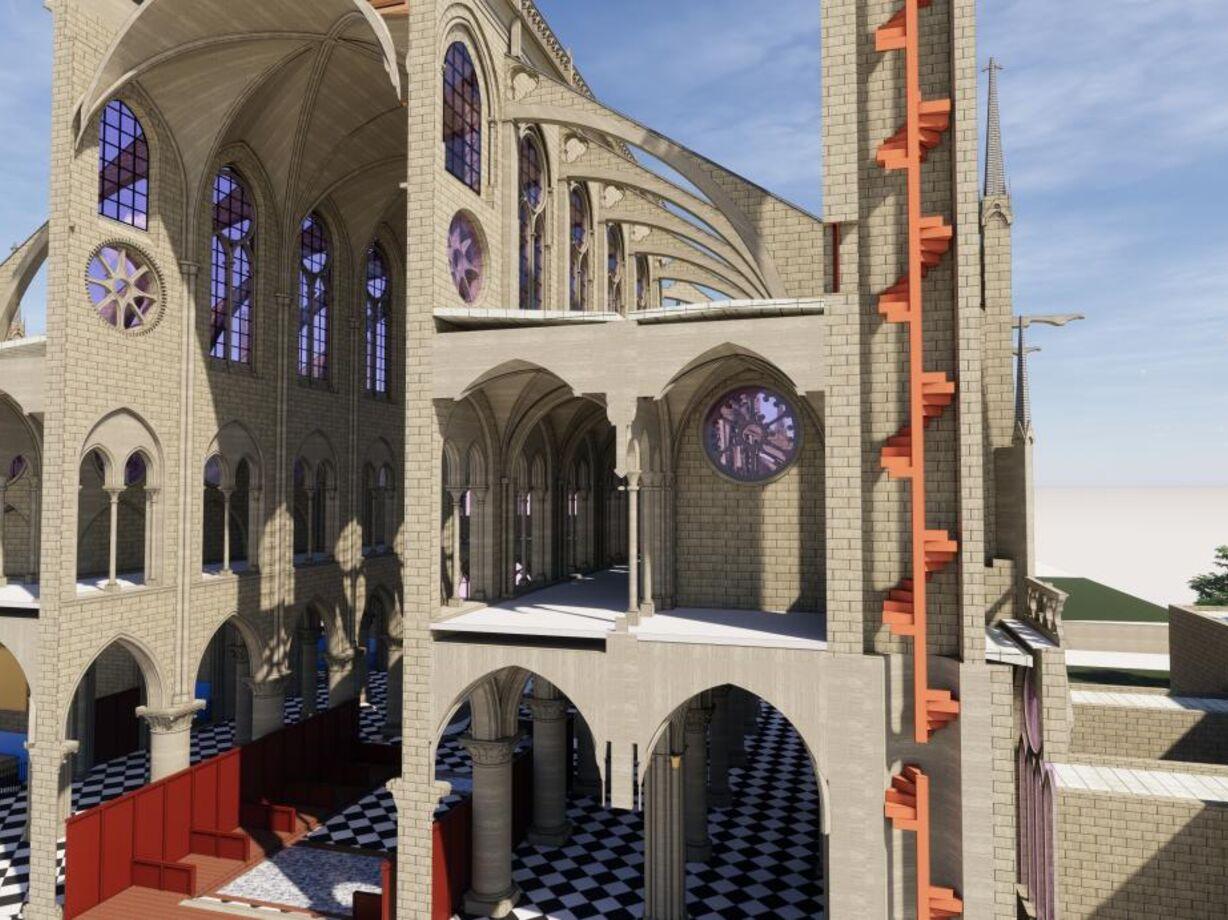
Notre Dame One Year After the Fire: Reconstruction and Reimagination
April 15, 2020 marks the one-year anniversary of the fire that nearly destroyed the Notre Dame Cathedral in Paris. In the wake of the event, archaeologists, geologists, chemists, and other scientists have been working to analyze the damage—not only to repair it, but also to better understand how the cathedral was built, who built it, and what lies underneath.
READ MORE >
Featured

September 11, 2026
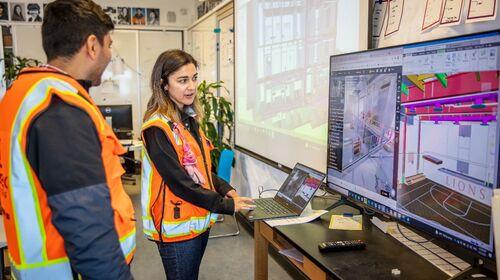
Experience customer stories in the AU Customer Spotlight Lounge

September 8, 2026
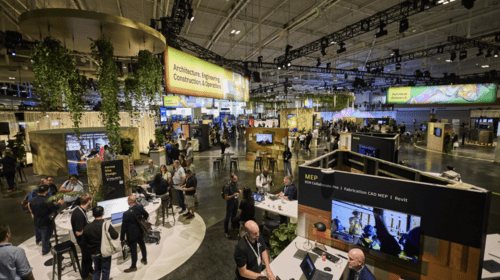
Inside AU 2026: Session Highlights
August 26, 2026
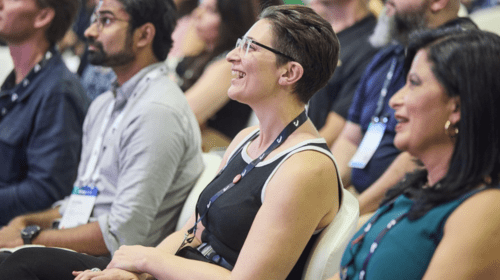
Welcome to the AU 2026 Expo
August 18, 2026