-
The New Bridge Design: Building Before Building
Estimated Reading Time: 5 minutes Colas SA is using BIM for virtual planning and construction of the Rivière des Galets Bridge on Reunion Island. Autodesk software—including ReCap, Civil 3D, Revit, 3ds Max, Navisworks, and BIM 360—is helping the firm and all the…
Uncategorized
-

My Journey to BiLT NA 2018 St. Louis
As Autodesk University Las Vegas approaches later this fall, and BiLT EUR is about to kick-off in Ljubljana next week, I wanted to summarize and recount my experience from BiLT NA 2018 in St. Louis, MO this past August. The JOURNEY For…
Architecture
-
How Civil 3D Tackles Tomorrow’s Challenges Today
Estimated Reading Time: 4 Minutes A rapidly growing population, resource constraints, and an urgent need for climate-resilient infrastructure… civil engineers and architects face a host of challenges as we approach the next decade. But what if you had to build a city…
Uncategorized
-
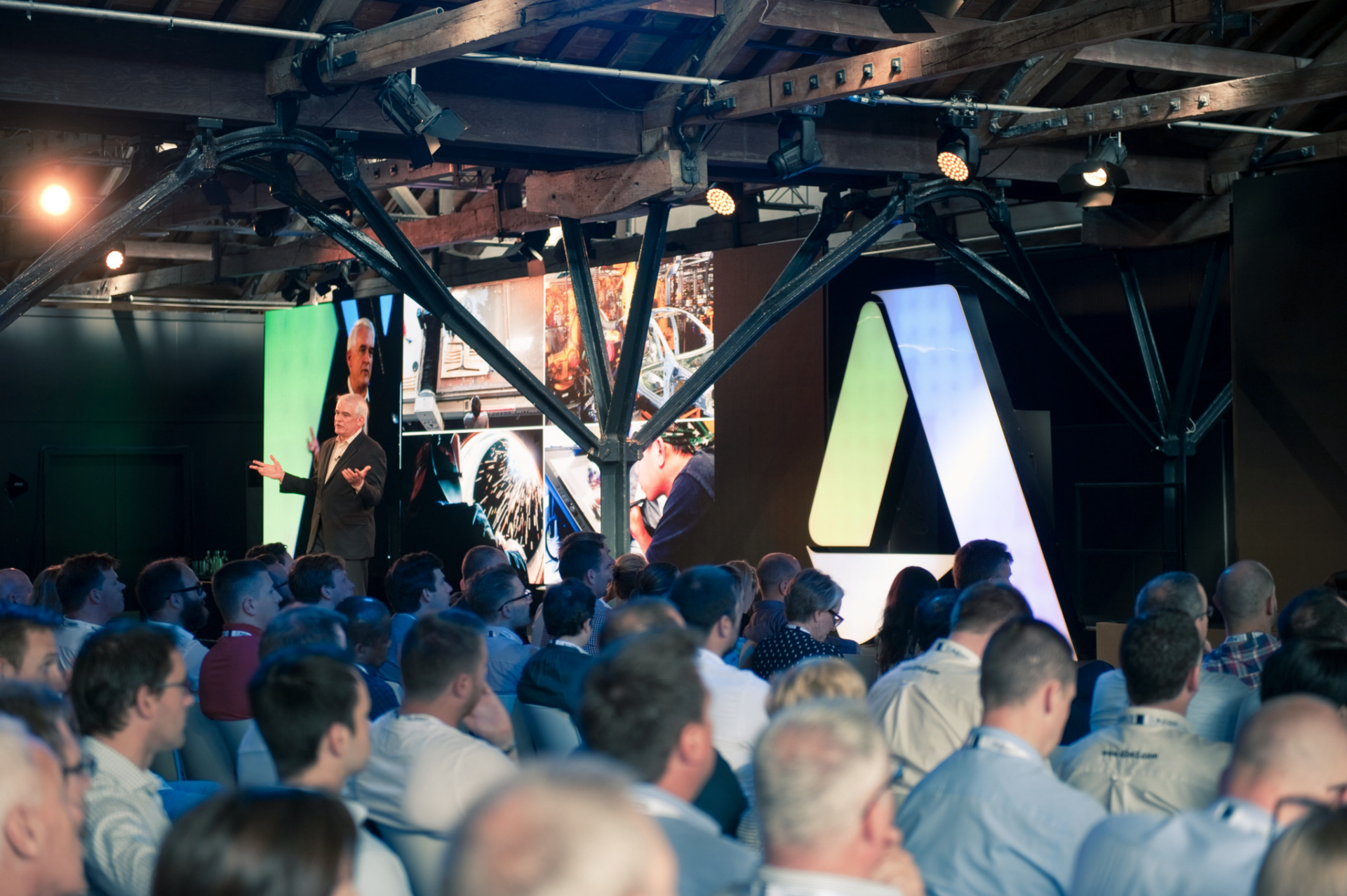
MEP pros: Skipping out on Autodesk University? Here are 5 reasons to change your mind
Autodesk University Las Vegas is around the corner, kicking off on November 12th, 2018 and running through November 15th. We’ve been busy creating a unique and valuable experience for MEP engineers, designers, detailers, and fabricators. We think that this year’s AU is…
MEP
-
Under the Hood: The Promise of VR in High-Speed Rail
By Nigel Peters Every month, an Autodesk expert gets technical and provides an overview of the AEC Collection’s most powerful workflows. Read on to learn how one group of rail designers created a VR experience with Autodesk solutions. Imagine traveling from Los…
Learning
-
Updates to Revit Extensions for timber and rebar
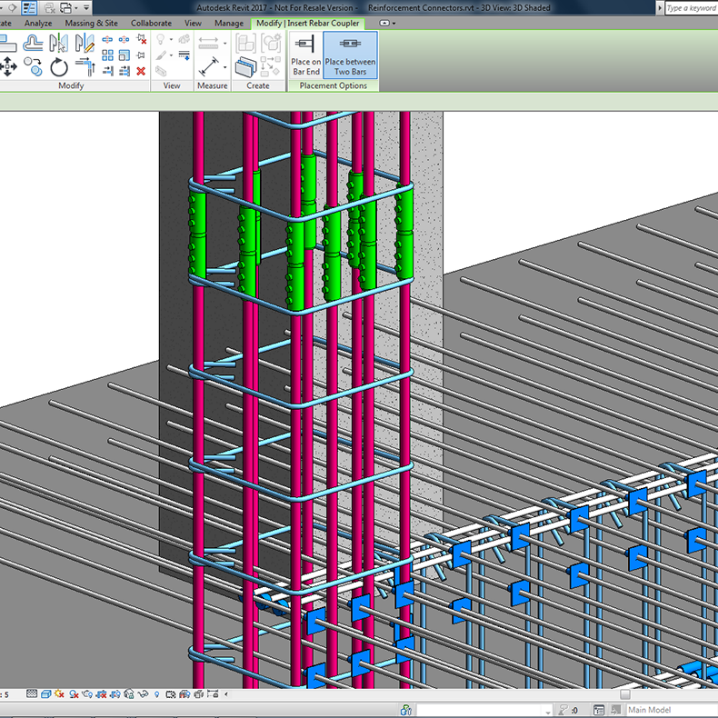
Customers have historically used Revit for concrete rebar and timber modeling and documentation including use of Autodesk productivity extensions delivered as Revit® Extensions. However, in recent years many customers have found value in adopting automated Revit apps provided by regional technology partners, particularly…
Structure