-
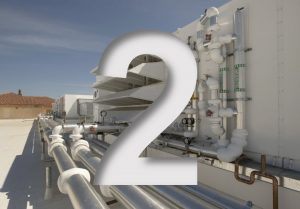
How to export each assembly to a separate PCF file
A comment was recently posted to my previous blog post on Exporting PCF Files from Revit 2018 – Part 2 (Assemblies), asking: Thanks for the awesome code Martin! Is there a way to make the file name match the Assembly Name? I’ve…
Uncategorized
-

Robot Structural Analysis Preview is Back!
There’s one surprise we have for you in the New Year. We are bringing back our Robot Structural Analysis Preview program. The January 2019 Preview release captures your requests to update American steel, concrete and seismic loads codes as well as Canadian…
Structure
-
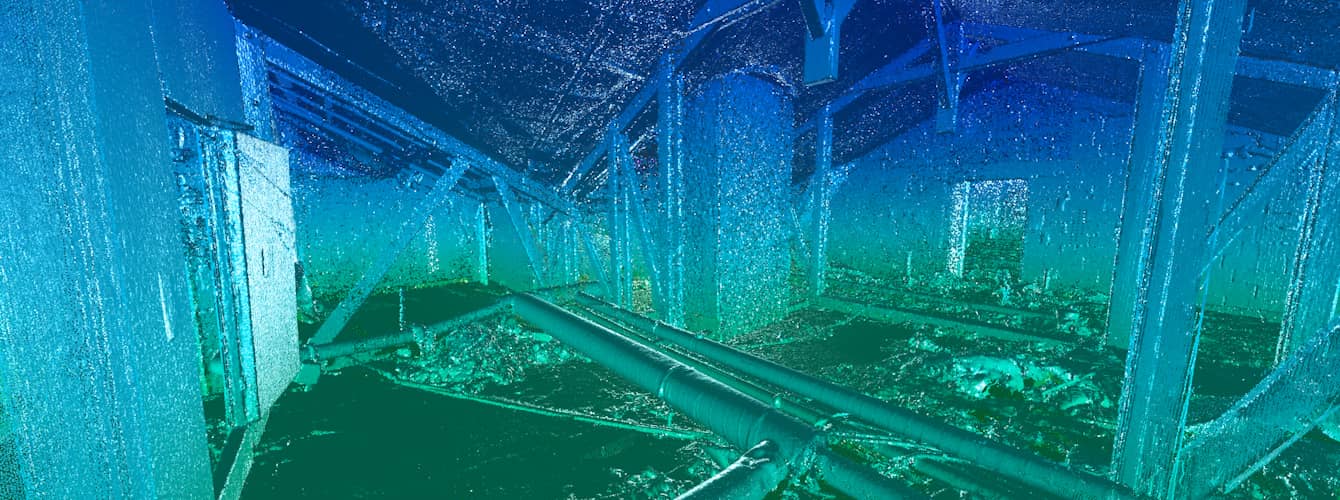
Reality Solutions Quickfire Spotlight: Scan to BIM Solution
Featuring Leica, Faro and Pointfuse It’s been a few months since we announced the launch of our Reality Solutions SDK, which made our point cloud format available to partners so they can develop innovative solutions for our customers. The release of the…
Uncategorized
-
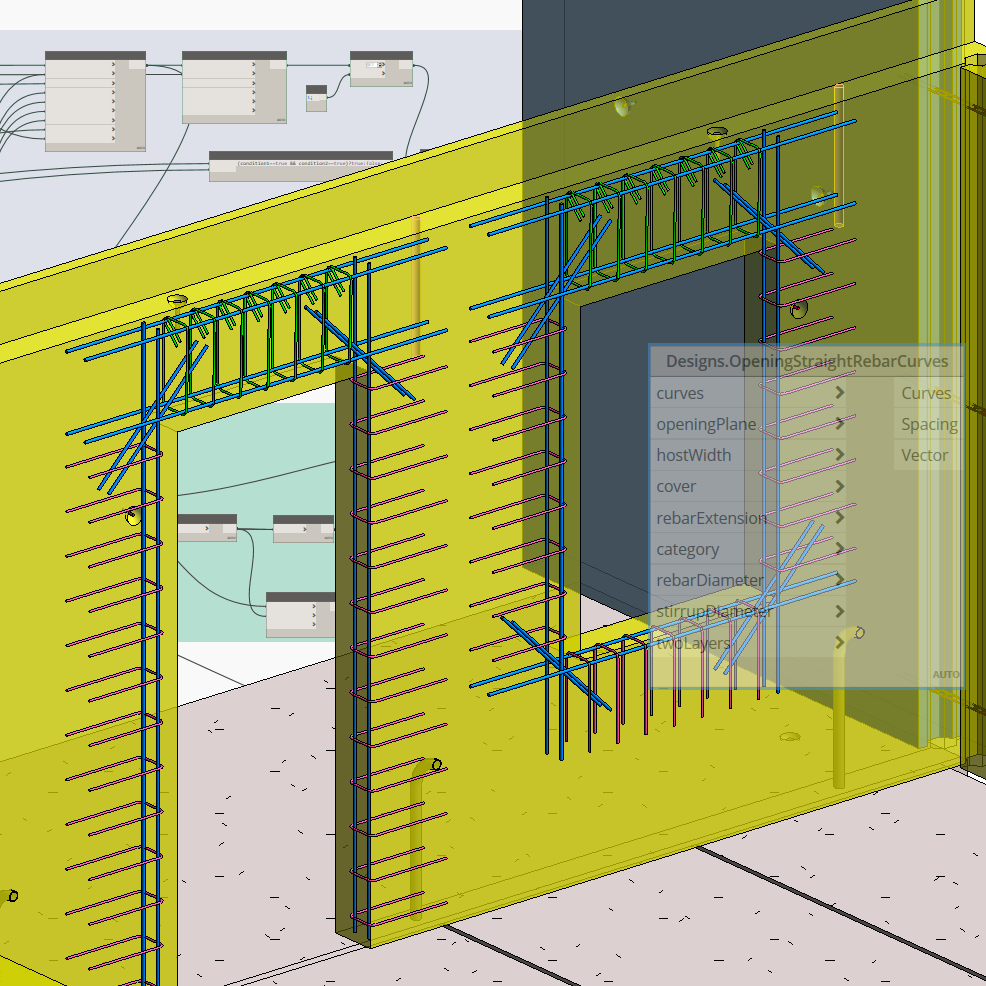
Learn the Power of Dynamo for Automated Reinforcement Detailing – Part 2
In this blog post, I’ll continue the subject I started a few weeks ago. In Part 1 I covered how structural engineers and detailers can automate reinforcement designs with Dynamo in the example of straight rebars around window and door openings. Let’s…
Structure
-
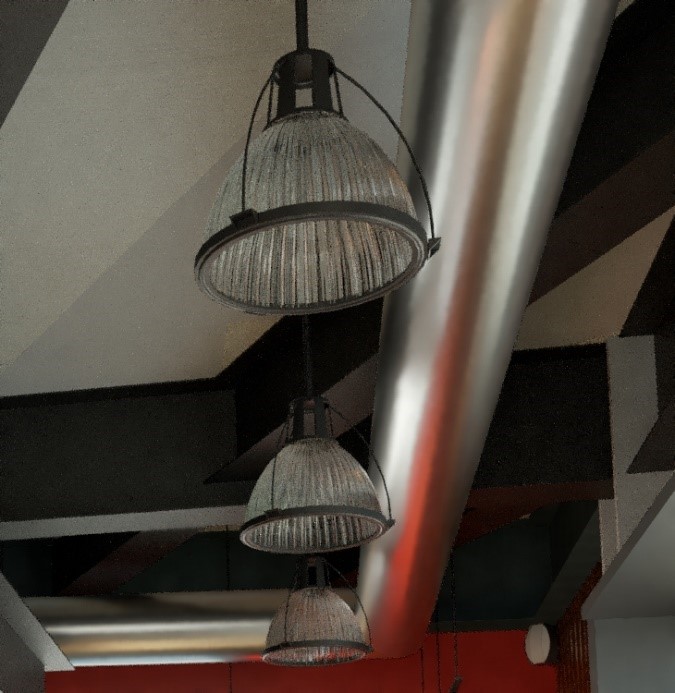
New engine in Autodesk Rendering speeds Revit renders
Autodesk Rendering, the cloud service that lets you create high-quality photorealistic images, panoramas, solar studies and illuminance simulations without tying up your desktop, just got way better. With this new release, cloud rendering for Revit is not only significantly faster but also…
What’s New
-

Under the Hood: Bringing GIS Data into InfraWorks with the Autodesk Connector for ArcGIS
UNDER THE HOOD Every month, an Autodesk expert gets technical and provides an overview of the AEC Collection’s most powerful workflows. Read on to learn how you can seamlessly import GIS data into InfraWorks with the Autodesk Connector for ArcGIS. It doesn’t matter what…
Learning