 Trevor English
Severe weather events are some of the largest looming threats to civilization in the next many decades. The power of water is humbling, something that anyone who has ever been through a flood knows well. Floods can wreak havoc on urban communities, destroying homes, but also destroy environments, damaging wetlands and natural habitats.
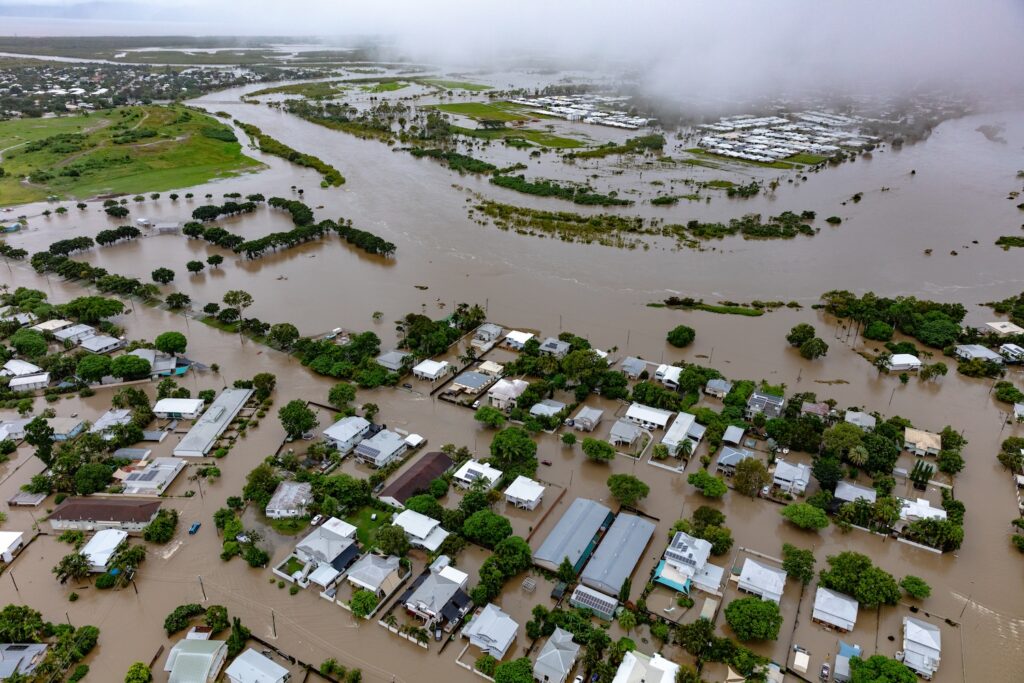
However, we aren’t helpless. As a response to the risk posed by catastrophic flooding events, humans have developed a variety of powerful techniques to counteract water, to control it. Despite what the exuberant environmental engineer or civil engineer might suggest, we’re not talking about some mystical water-bending power – rather practical, science-based techniques to manage, predict, and prevent extreme flooding. Let’s examine what these not-so-mystical-but-equally-impressive techniques are, and then explore how engineers and hydraulic modelers can help prevent catastrophic flooding.
What do we mean by catastrophic?
A catastrophic flood is a severe flood with a high magnitude and devastating impact, usually involving sudden and widespread inundation usually caused by extreme precipitation events. It can cause significant damage to property, infrastructure, and can even pose a serious threat to human life. These flash flooding events are extremely rare and exceptional events, with flood water levels far exceeding what is normally experienced in a given area.
Flood simulation and planning
In the days past, engineers prevented and mitigated flooding by erecting large levees, building channels for stormwater to flow, or – in more modern times – building up stormwater sewer networks to quickly divert water away from populated or environmentally important areas. Many of these techniques are still used today, but they are now aided by powerful hydraulic modeling and simulation capabilities presented by modern software. In fact, as will soon become apparent, recent advances in artificial intelligence are playing a greater role in engineers’ abilities to prevent floods as well.
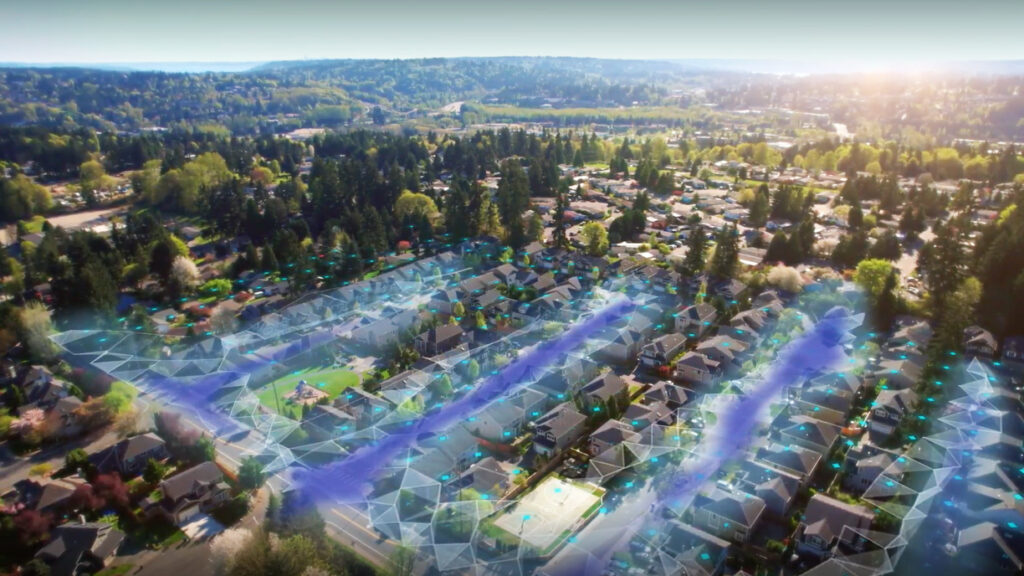
Engineers looking to prevent flooding first need to understand what a flood in a given area might look like. To do this, they need to leverage powerful hydraulic modeling tools that run calculations regarding overland flow and provide 2D models, mapping out water paths and depths, among many other features. These tools are something we’d know a thing or two about, because we’ve seen a thing or two while both developing and using Autodesk’s advanced flood and hydraulic modeling capabilities inside of InfoDrainage and InfoWorks ICM.
Powerful software tools like these can ingest land and site data for a given area, model rainfall events of varying sizes, and then simulate where the flood water goes – explained in its most basic form. As mentioned before, artificial intelligence is even starting to play a role in these tools’ capabilities. InfoDrainage just released a Machine Learning Deluge tool, which enables modelers to simulate a flooding event with an AI algorithm, enabling them to make responsive and intelligent decisions for the placement of stormwater controls like pipes and ponds.
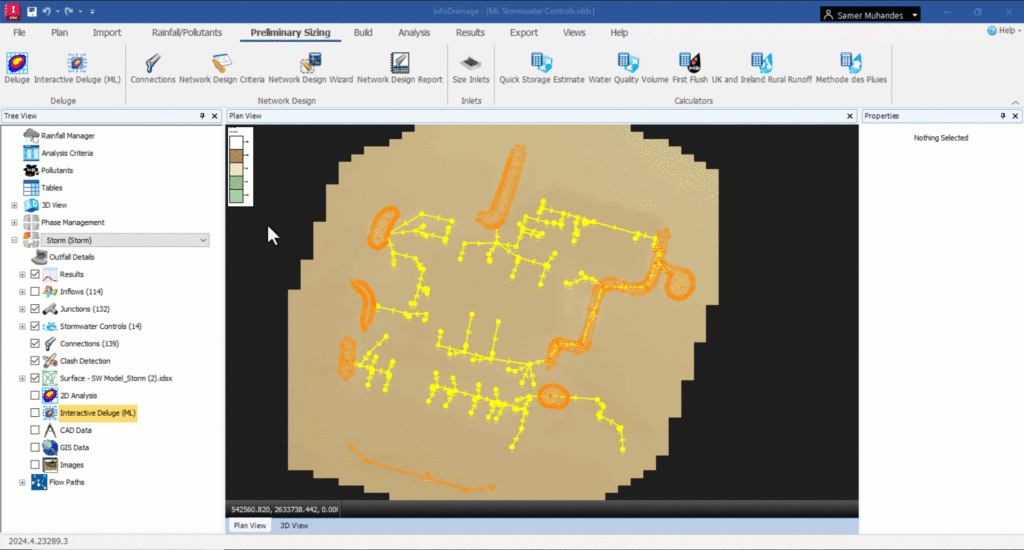
To summarize, engineers are able to plan for and simulate catastrophic flooding events through the following methods and workflows:
- By leveraging powerful modeling technology to model and predict flooding events
- By learning from these models to implement responsive flooding controls and early warning systems
- By utilizing AI as a tool to quickly develop flood maps and form emergency response plans
Increasingly too, engineers are turning to a concept known as sustainable drainage design. This term refers to urban drainage structures that mimic natural processes in combination with the environment, rather than in contrast.
Preventing floods sustainably
Think back to the last time you saw a storm pipe. It probably seemed industrial and intrusive, but hey, it got the job done. However, such rigid and geometric structures usually get the job done by altering natural flow paths and standing in contrast to a given environment. Sustainable Drainage Systems, referred to in the industry as SuDS (or LiDs – Low Impact Developments), accomplish the job of stormwater controls, but does so in a way that is conducive to a given ecosystem, often naturally recharging groundwater sources, providing areas for wetlands habitats, and allowing for natural water infiltration and discharge.
SuDS inspire the prevention of catastrophic flooding by building off of nature’s learnings over thousands of millennia, rather than just humankind’s over the last few centuries. In fact, I mentioned the word “infiltration” which is a word very relevant to the concept of flooding. As humans build infrastructure, we often do so with impermeable surfaces. We build roads with non-porous concrete, we create structures with bricks and stones – and we often do so in areas like floodplains that otherwise serve as nature’s natural flood prevention zone.
Historically, humans have managed this through designing more impermeable drainage structures like pipes, sewer networks, dams, and much else. SuDS is a return to the tried and true, and it’s gaining increasing adoption. SuDS is also an area that Autodesk knows a thing or two about; if you’re curious, we’ve even published a SuDS design manual, which anyone can download.
So, in summary, sustainable drainage systems prevent catastrophic flooding through:
- Enabling infiltration of groundwater
- Allowing for absorption of water into roofs, pavements, and other structures in a green and managed way
- Constructing wetlands and flooding zones to allow for natural filtration, further improving chemical and environmental outcomes of floods as well.
Download our free Guide to Representing SuDS in InfoDrainage in accordance with the SuDS Manual Ciria 753.
When engineers choose SuDS, they’re helping combat climate change
SuDS are vital in addressing climate change, and it’s becoming more and more important for engineers to include them when designing the built world, particularly in cities. They offer robust solutions for managing increased storm frequency, prolonged droughts, and unpredictable precipitation. Unlike traditional drainage systems, SuDS use permeable surfaces, vegetation, and storage structures to slow water flow, reduce peak runoff, and enhance water quality – to name just a few benefits. They do a lot of great things…
Mitigating flash flooding risks
SuDS help mitigate flood risks by controlling runoff at the source through components like swales, rain gardens, and permeable pavements. This attenuation prevents urban flooding and reduces the strain on drainage networks.
Enhancing water quality
Vegetated swales, infiltration trenches, constructed wetlands filter and trap sediments and pollutants, improving water quality. This purification ensures cleaner water returns to natural water bodies, promoting healthier ecosystems.
Addressing droughts
SuDS like cellular storage hold on to stormwater for later use, recharging groundwater supplies and providing alternative water sources during dry periods. This efficient water management can actually reduce a reliance on municipal supplies during droughts.
Promoting biodiversity
Green infrastructures like bioretention systems, wetlands, and green roofs (or even blue-green roofs) provide habitats for various species, enhancing urban biodiversity and resilience.
A matter of scale: choosing which tool to use
Proper engineering, hydraulic modeling, and sustainable drainage design are all vital components to preventing flooding. For a given site, say a housing development, an engineer might utilize InfoDrainage to model a deluge, generate a flood map, and ensure the proper placement of storm drains or catchment basins, even designing those systems in the platform in conjunction with their civil design tool. Additionally, as the site is managed and constructed, a general contractor or land owner might use the tool to determine ponding or channeling issues and address them effectively.
On a network or city scale, a hydraulic modeler or city planner might leverage InfoWorks ICM to generate flood maps and determine capital improvements. One aspect of managing floods is the fact that mitigating floods often falls to governments who need to get and manage funding for projects. This challenge is something engineers often utilize these powerful tools to do, justifying capital investments and allowing for flood planning on the horizon of 50 to 100 years.
At the end of the day, engineers help prevent flooding through their own ingenuity, leveraging powerful hydraulic modeling tools at their fingertips, now with a little help from AI as well. While hydraulic modelers might not be water benders in the mystical sense, they’re the closest thing the world today has; and it’s a good thing too, as flooding events would be much worse without the great work they do.
See how our customers do it
- Model the possibilities: The City of Fayetteville in hilly North Carolina mapped 15 watersheds in InfoWorks ICM to prepare for increasingly stronger storms.
- Serious about sustainability: Read how consulting firm VHB helped a local university go green with bioretention beds and a complex series of interconnected stormwater controls designed with InfoDrainage
- Innovative water storage: Jacobs helped Sidmouth built a one-of-a-kind flood-resistant outdoor amphitheater that can store 150,000 gallons of water underneath. It’s beautiful.