The traditional battery industry has long depended on what can be extracted from the Earth, whether it’s lithium nickel, cobalt, or graphite. Nexus Power is upending that with an innovative approach to source battery materials above ground instead.
Across India, fields of rice, wheat, corn, and other crops leave behind enormous amounts of stalks, leaves, and other organic materials after harvest. In many regions, fields are burned to clear the land for the next planting season, worsening the air quality in a country that already grapples with pollution.
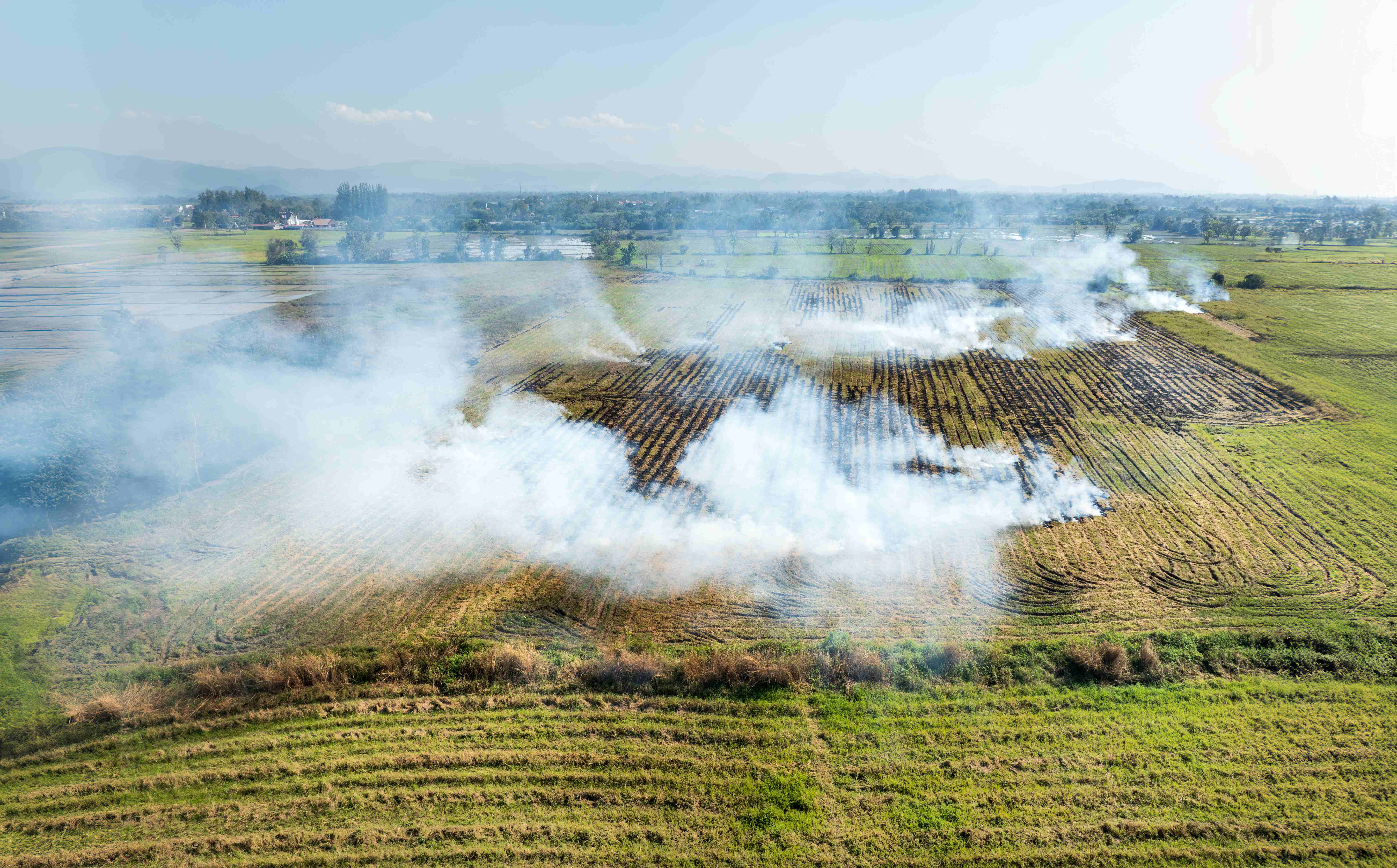
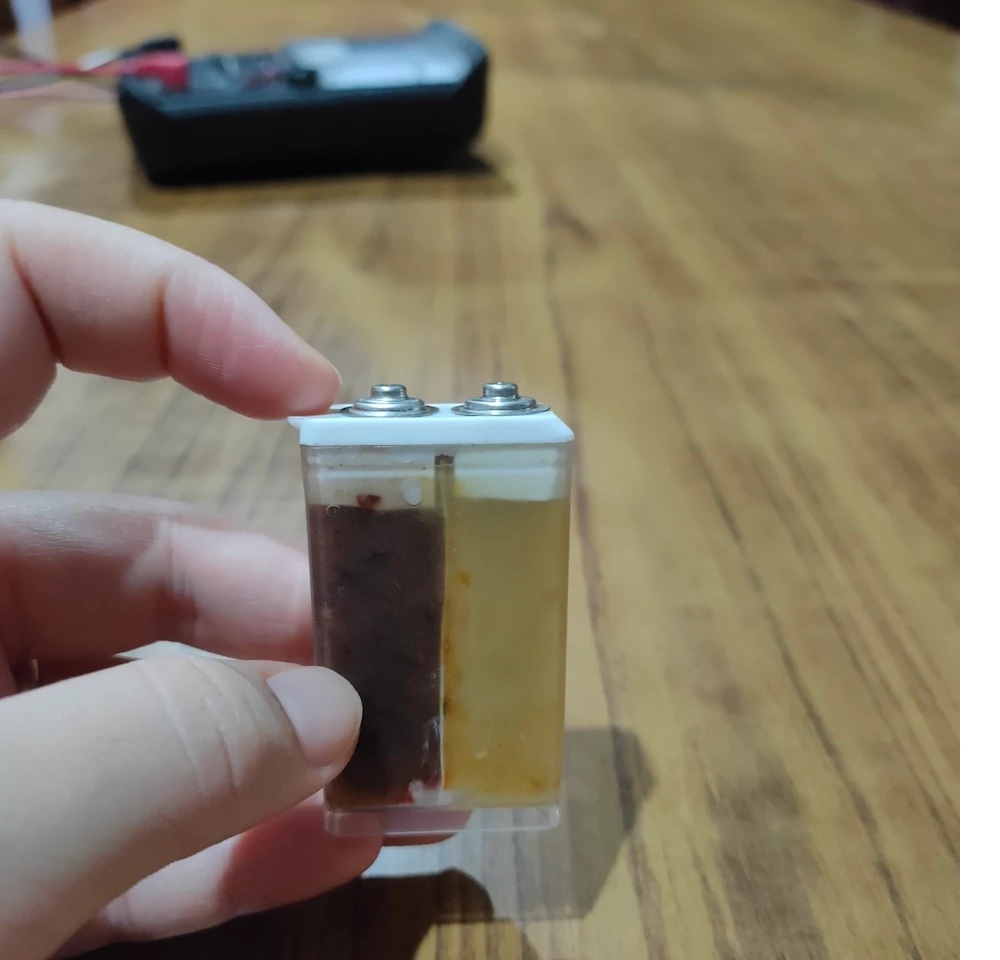
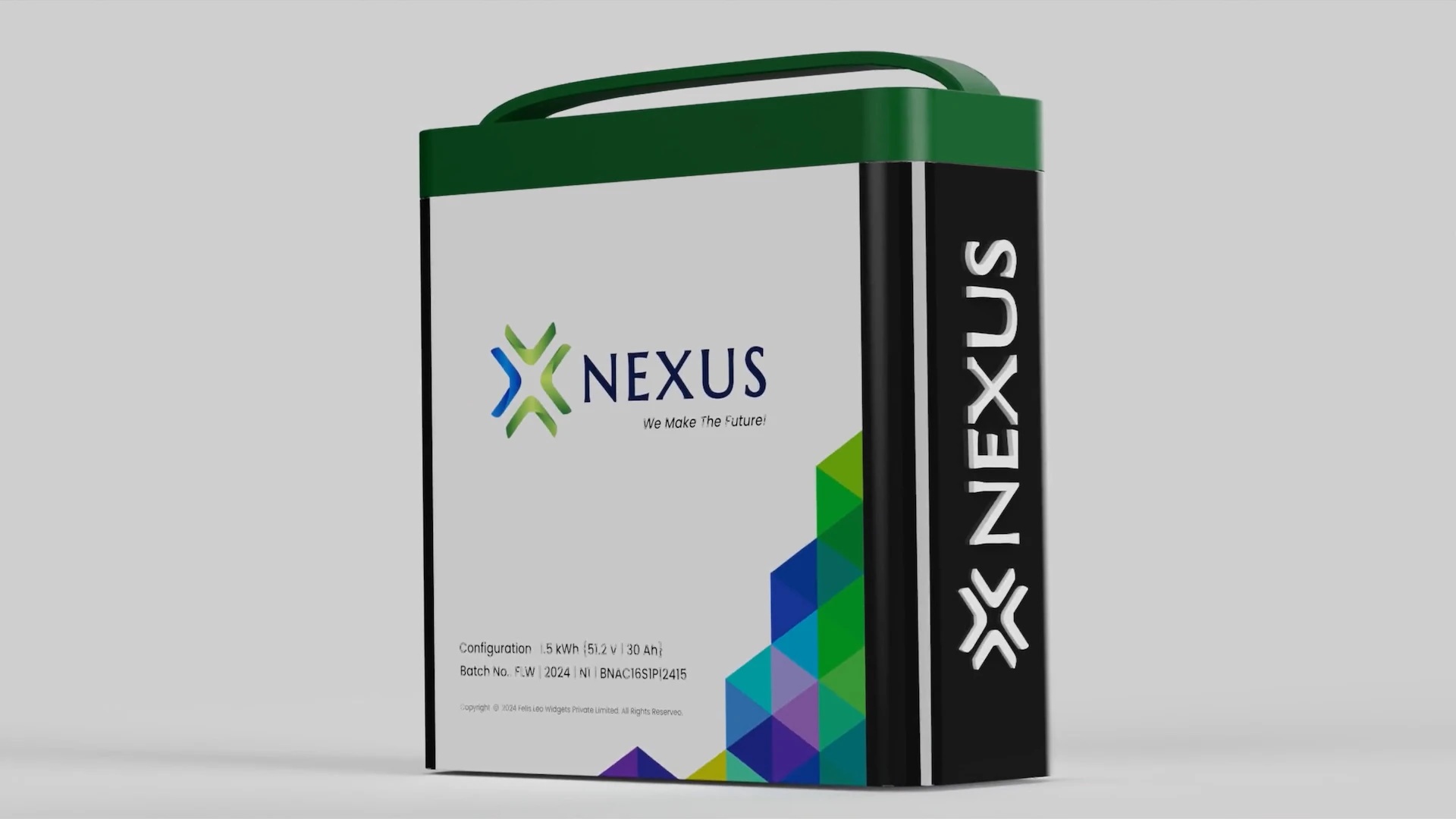
Nexus Power sees something entirely different in those agricultural remains: the raw ingredients for a sustainable battery alternative. Founded by twin sisters Nishita and Nikita Baliarsingh, Nexus Power is developing energy-storage technology that derives key materials from agricultural waste. It’s a win-win for the circular economy. Less air pollution from the fires and a sustainable battery alternative that is also completely biodegradable. With AutoCAD and Autodesk Fusion, they’re making this vision a reality.
From an idea to a working battery
Autodesk technology has been pivotal in helping Nexus Power move from concept to physical battery. The team uses AutoCAD and Fusion to design the battery components, evaluate designs through simulation, and rapidly turn digital models into working prototypes. According to Nikita Baliarsingh, the seamless interoperability between the two allows the team to pass updates smoothly between environments, reducing translation errors and keeping hardware and electrical teams in sync.
“Using AutoCAD alongside Fusion gives us a seamless 2D-to-3D design pipeline,” Nikita says. “AutoCAD handles the precise 2D schematic design, electrical routing, and mechanical layouts, while Fusion allows us to take those layouts into 3D space for spatial packaging, thermal analysis, and structural CAD modeling.”
“Developing advanced battery technologies requires precision at every level, AutoCAD provides the foundational drafting environment needed to translate complex electro-chemical and structural parameters into standardized, production-ready engineering blueprints efficiently.”
Nikita Baliarsingh, Co-founder, Nexus Power
Designing with precision from the start
During the design phase, AutoCAD was key for efficiency and accuracy. Automated wire numbering and component tagging streamlined complex wiring diagrams and virtually eliminated labelling errors. Smart schematic libraries sped up component placement and ensured consistency across battery module schematics. The team could also flag open circuits and duplicate tags early, saving significant debugging time prior to prototyping.
Dynamic blocks allowed the team to quickly adapt and scale components across different battery pack architectures. With automatic bill of materials (BOM) generation in AutoCAD, they were able to instantly create accurate component lists straight from schematics, drastically cutting down manual documentation time.
The Electrical toolset was also used for the electrical architecture, wiring harnesses, and battery management system (BMS) integration.
“The primary benefit of the Electrical toolset was the automated schematic auditing and real-time error checking, which ensured high accuracy across complex circuitry without requiring manual double-checks,” Nikita says.
Looking ahead with AutoCAD
For Nexus Power, AutoCAD is the undisputed choice as they continue to refine and expand their batteries.
“AutoCAD is the industry standard for a reason,” Nikita says. “It offers unmatched precision, high adaptability, and seamless standardization across engineering teams. Its built-in automation features handle tedious tasks so designers can focus on core product innovation.”