 Trevor English
Envelope is a proudly Pasifika-owned New Zealand-based civil and structural engineering consultancy firm that is overflowing with home-grown personality. Assembled a decade ago, they are growing fast and have already opened their first international outpost in Glasgow.
The firm is well-known for its vibrant people-first culture that leans heavily into Maori and Pasifika roots. They put out ‘A Vibe’ on their site that’s as sharp as their technical expertise. All of this people power has helped them attract highly skilled professionals and build a reputation for delivering exceptional results across large-scale land development and subdivision projects, which is often powered by a suite of Autodesk solutions.
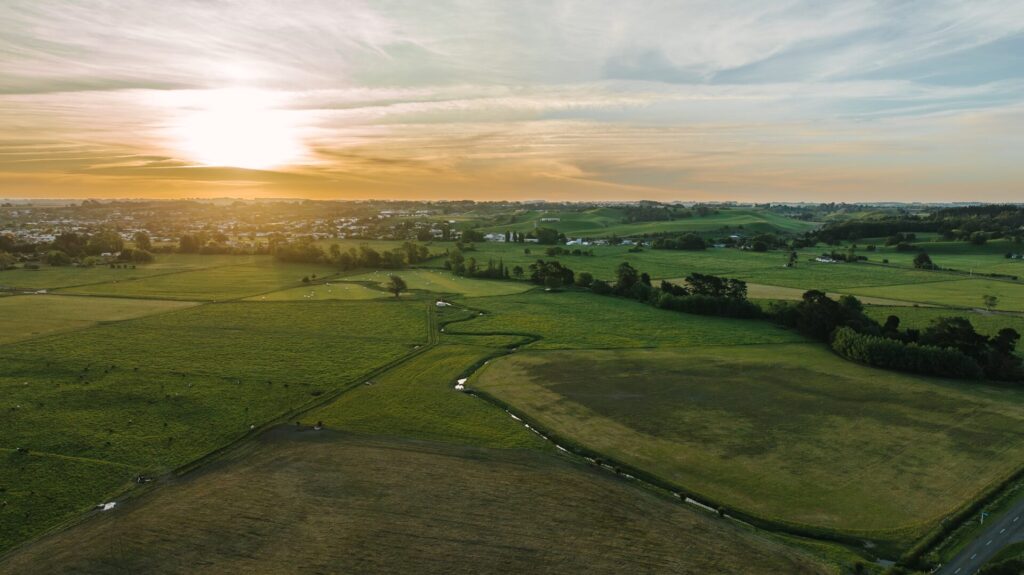
We sat down with them to talk about Awa Park, a new subdivision being built in Feilding, which is part of the Kaha Ake development portfolio. Kaha Ake (“Stronger Together”) is a joint development partnership between Classic Group and the New Zealand Super Fund, whose goal is to help meet the growing demand for Kiwi housing but with a very strong focus on finding sustainable, productive, and appealing urban and community outcomes. Classic Developments led the project as development manager, and Envelope supported the project using Autodesk’s Civil 3D, InfoDrainage, InfraWorks, and InfoWorks ICM, developing a seamless workflow from site design to hydraulic and full network analysis.
Leveraging the tight Civil 3D and InfoDrainage integration
Awa Park was a complex project from the outset. Located on the rural fringe of Feilding within the newly established suburb of Maewa, the site presented both technical challenges and important contextual responsibilities. The development is surrounded by key waterways, including the Mangakino Stream, the Oroua River, and the Maewa spring, so the development required not only significant land transformation but a thoughtful approach to the site’s environmental setting and the values of the surrounding community.
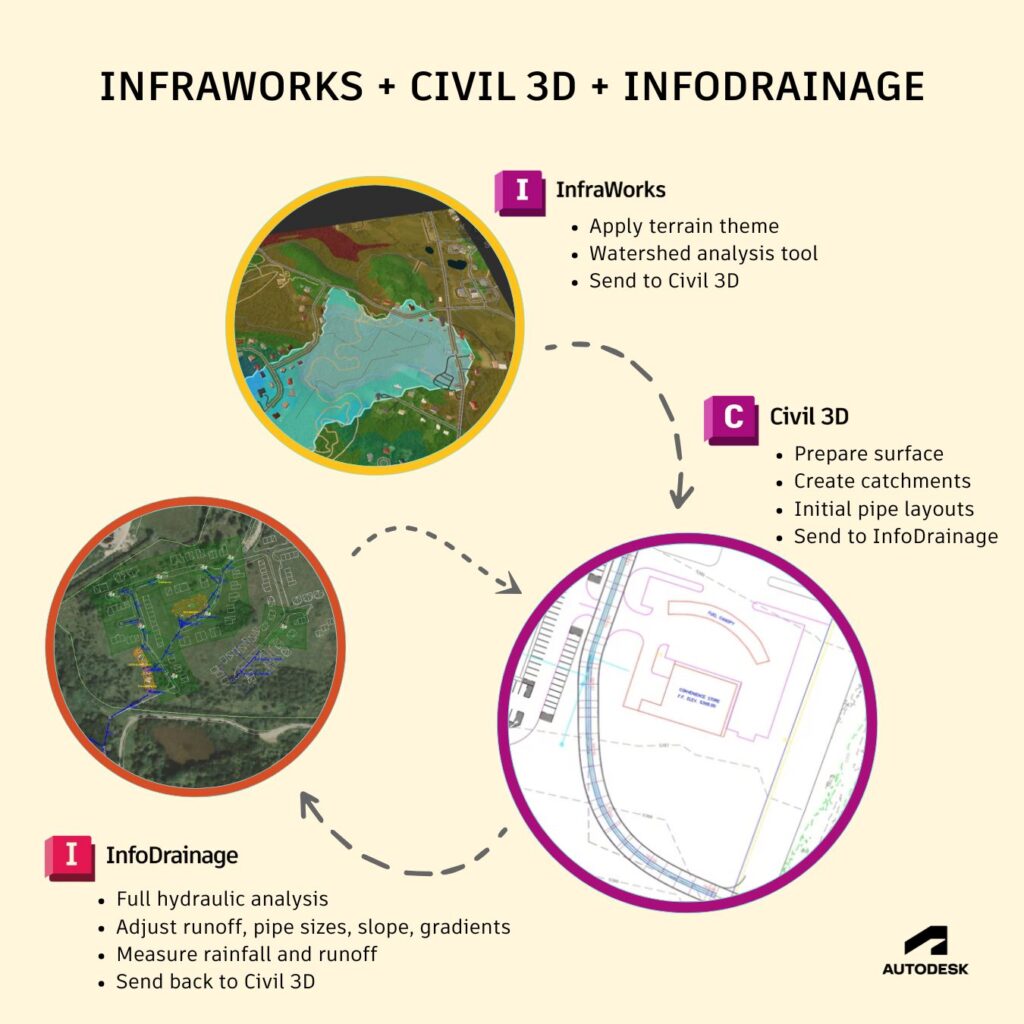
Louis Freeland, Project Lead and Senior Civil Engineer at Envelope, described their pragmatic approach to the project: “We use Civil 3D to do all of the basic design work. Everything from looking at the earthworks, creating surfaces, road corridors, cut-fill volumes, and so on. We then create drainage networks in Civil 3D and transfer that across to InfoDrainage.”
Louis and his team faced unique challenges, including a major river running through the site and several other streams that needed to be relocated. The primary concern was ensuring that any changes to the landscape did not negatively impact the surrounding watercourses and areas. He highlights the importance of their workflow.
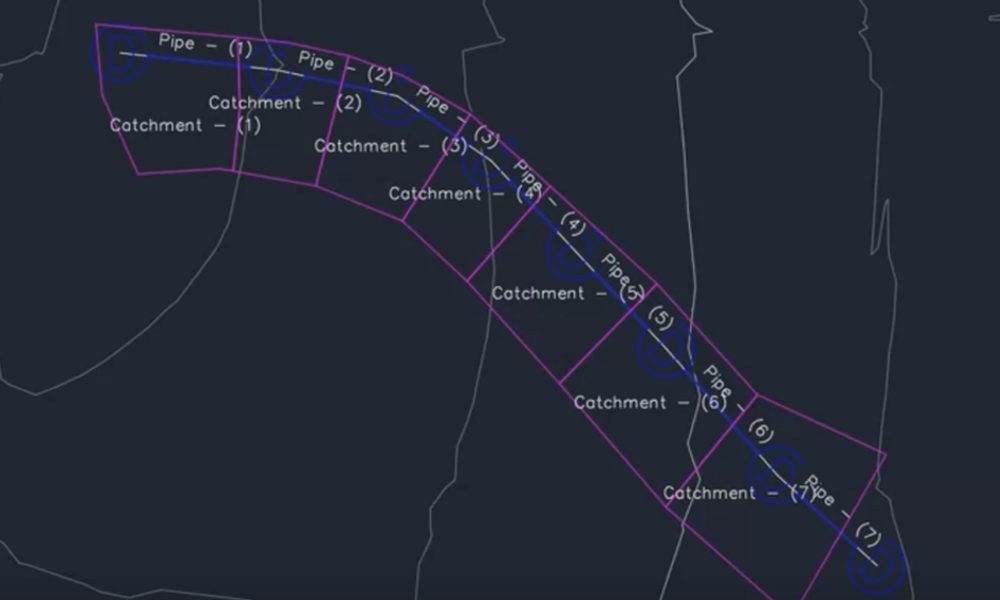

“We use InfoDrainage to run rainfall models and get discharge hydrographs and compare pre- and post-development scenarios. This tells us everything we need to know about the system and how it will perform including sizing pipes and control structures – for example, using attenuation ponds to achieve our desired outcomes.”
Envelope often needs to go a step further. For sites like Awa Park, they also need to understand the 1D and 2D flows of the region and network as a whole – not just on a site scale. For this, they move their model from InfoDrainage to InfoWorks ICM to run more complex and expansive analysis.
Stepping from InfoDrainage to InfoWorks ICM for complex flood modeling
The integration between InfoDrainage and InfoWorks ICM allows the team to conduct detailed flood modeling and network analysis. “As soon as we’re happy with the pipe network in InfoDrainage, then we move over to InfoWorks ICM and model the major rainfall events,” says Freeland. “On this project, we had ponds right next to a major stream, which meant there was interaction between the stream flows and associated flooding and the proposed drainage infrastructure. There was a bit of trial and error to find something that worked in the larger events”. This trial and error, common in site development, was made more manageable by working within one integrated Autodesk ecosystem.
The workflow is efficient, enabling Envelope to go from planning to design to construction with a high degree of confidence. Freeland emphasized the ease of using Autodesk’s suite of solutions noting that they “use the tools for very different things, but they all have very similar interfaces and it’s super easy to tie everything together.”
Modeling a confluence of streams, rivers, ponds, and springs
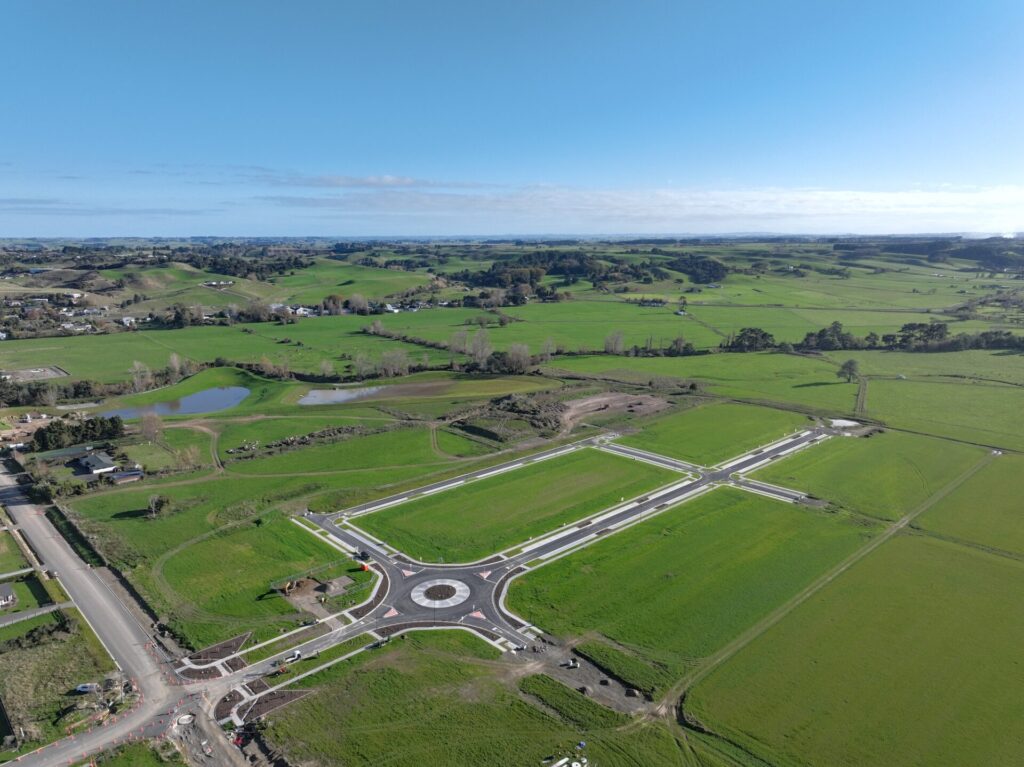
The Awa Park project presented other challenges related to the site’s waterways. The team had to move some of the smaller streams around and assess the effects upstream and downstream of the site. “We wanted to see what the effects were by moving smaller streams downstream or upstream and understand the resultant changes in velocity and flow. If we’re filling in ponding areas or changing where something discharges, is that going to cause flooding somewhere else?”
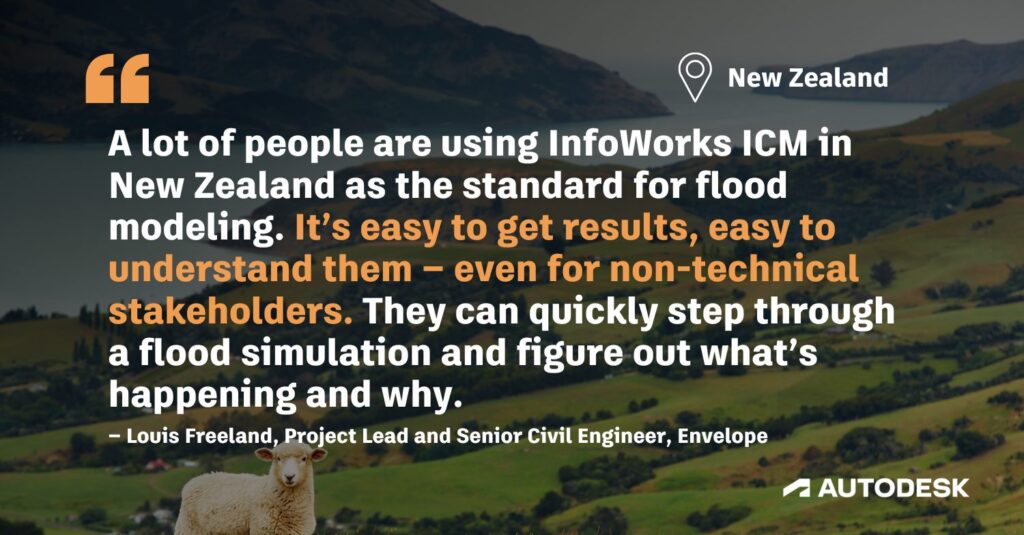
Envelope’s use of InfoWorks ICM for flood modeling was essential in addressing these challenges. The software’s user-friendly interface and powerful capabilities allowed the team to quickly step through flood simulations and understand the impacts. Freeland gave high marks to InfoWorks ICM, noting, “A lot of people are using InfoWorks ICM in New Zealand as the standard for flood modeling. It’s easy to get results, easy to understand them – even for non-technical stakeholders. They can quickly step through a flood simulation and figure out what’s happening and why.”
By utilizing InfoDrainage in combination with InfoWorks ICM, Envelope can confidently ensure that their designs are robust and compliant with local regulations. The ability to model different rainfall events and assess their impacts allows the team to fine-tune their designs and avoid potential flooding issues.
Building new places that fit the space – and the cultural landscape
Working to Classic Developments’ vision, Envelope’s team designed drainage and flood solutions that met both regulatory requirements and responsibilities to protect water quality, demonstrating that the value of these tools goes beyond efficiency.
Classic Developments Regional Manager William Dorset explains the need to not just deliver on business needs but to tailor a solution that fits the area: “Delivering Awa Park meant balancing technical innovation with a deep understanding of place. From the outset, we needed a drainage and flood resilience strategy that could unlock the site’s potential without compromising its natural waterways. Envelope played a big part in helping us achieve that.”
With Autodesk tools, Envelope has developed a workflow that ensures a high level of confidence in their designs for flood modeling and site drainage. “Using InfoDrainage as a bridge between Civil 3D and InfoWorks ICM links everything back and forth very easily,” says Freeland.
The success of Awa Park highlights the potential of Autodesk’s suite of solutions in taking sites from initial development and visualization to finalized stormwater and drainage plans, ready for development. As firms like Envelope continue to embrace digital transformation and holistic design and analysis solutions, they’re delivering smarter, faster, and more responsible development outcomes.
More from New Zealand
- Learn how Stantec helped Wellington Water save a whopping 20% on electricity costs by using Info360 Insight for pump optimisation.
- Read about the web-based Hinekōrako portal, which is helping water regulator Tauata Arowai regularly monitor and report on the quality of their water.
- Did you know that you can use the Rainfall Manager in InfoDrainage to design rainfall for any event in any region? We have a video that shows you how and a downloadable Rainfall Library file for New Zealand to make it even easier.