This Careers in Construction Month, we’re celebrating the student innovators who are already putting the future of the industry into practice through Autodesk’s Design & Make It Real: Make It Heal challenge. With more than $75,000 in scholarship prizes, the challenge supported students across the U.S. and Canada in exploring how the built environment can help communities heal and become more resilient after disasters and other community-changing events—while developing the real-world Design and Make skills that will shape the industry's future.
In the third part of this series, we’re exploring inspiration from winning projects and perspectives from DPR Construction and ACE Mentor Program of America on the skills for today’s construction industry and the future.
The construction industry is facing a defining workforce challenge. Demand for digital skills continues to grow as the combination of artificial intelligence (AI), building information modeling (BIM), virtual design and construction (VDC), and prefabrication transform how work gets done.
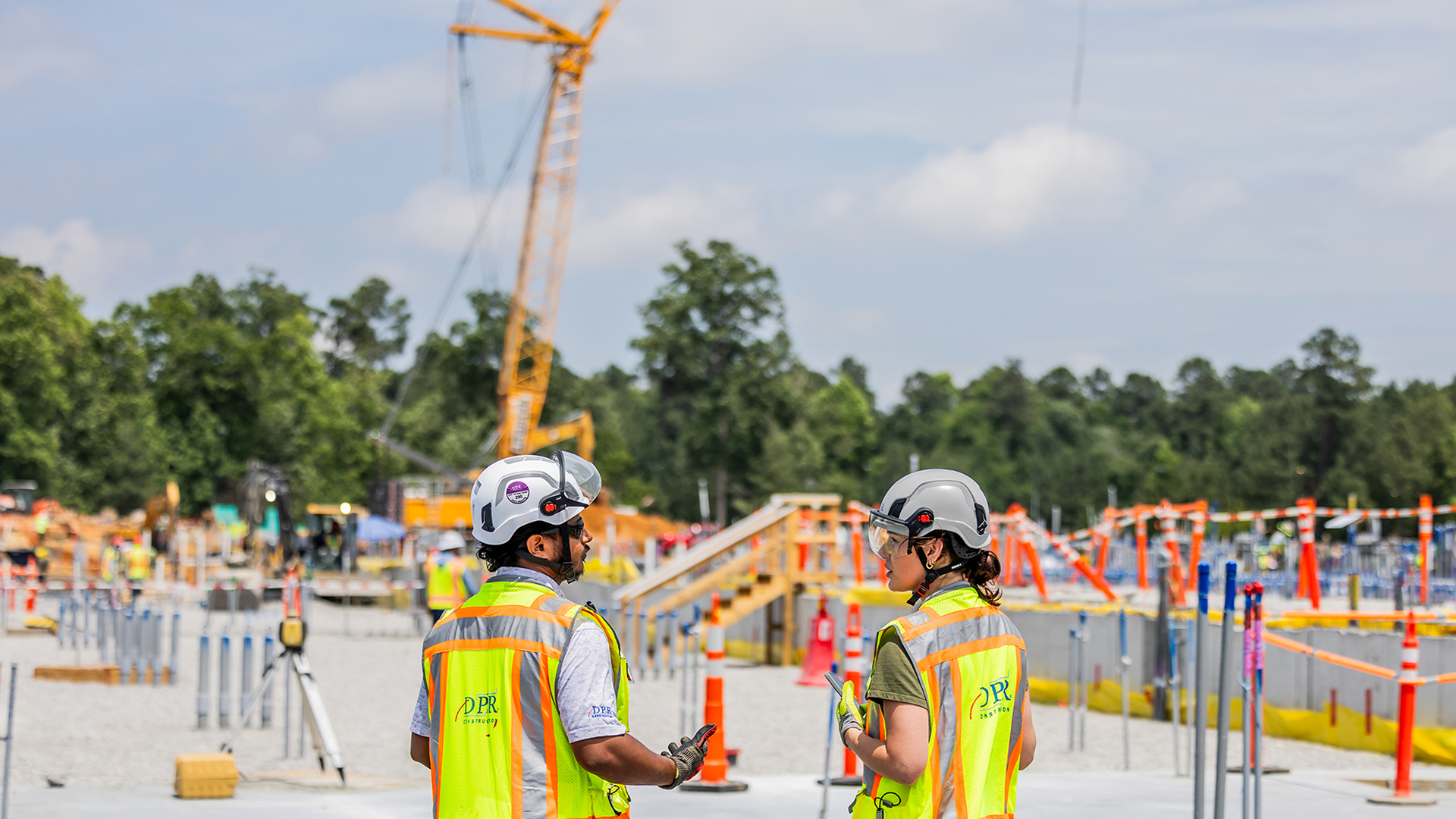
“Students might be surprised by how many careers connect construction with technology,” says Rayya Karaa, Regional VDC Director, DPR Construction. “VDC engineers use 3D models to coordinate building systems and solve problems before installation, while product managers, trainers, business analysts, and solutions architects help teams put technology to work.”
“Data engineers, software developers, and analytics teams turn project information into actionable insights,” Karaa adds. “As industry evolves, opportunities are also emerging in AI, digital twins, robotics, digital fabrication, and prefabrication and modular construction. Some of these careers are still evolving, while others are simply less visible.”
Representing DPR Construction as a judge for Autodesk’s Design & Make It Real: Make It Heal challenge, VDC manager Paul Bracchitta was able to see firsthand how students are approaching the new industry realities. Across designs addressing transitional housing, post-fire recovery, sustainable building performance, and modular construction, the winners demonstrated digital fluency and practical problem-solving. Their work reveals how the next generation is already approaching challenges and the skills needed to solve them.
“What stands out is the students' ability to connect technology with real-world problems,” Bracchitta says. “Across these projects, they connected design, technology, and community impact. This is exactly the type of thinking that will drive the future of our industry and what we need more of.”
“The future of construction requires builders who can move between digital tools and physical outcomes, collaborate across disciplines, and use technology to solve meaningful problems,” he continues. “At DPR, we use digital tools and employ technologies every day, but the real value comes from asking the right questions, testing ideas early, and continuously improving them.”

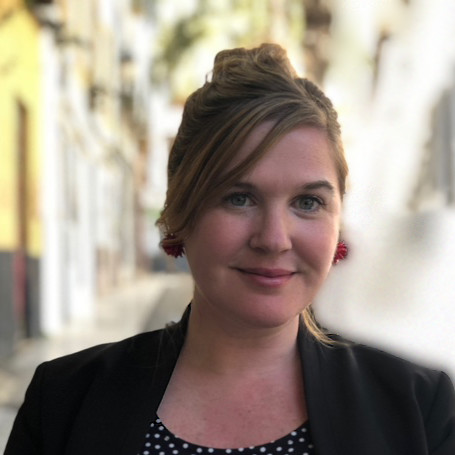
These early experiences helped prepare her for Sunny Days Ahead: A Wildfire Proof Community Center and Transitional Housing Area, a Make It Heal project addressing wildfire displacement and housing insecurity. Ilia Grzegorzewski researched the needs of vulnerable communities before sketching a “greenhouse” facility that could provide transitional housing, support services, and shared spaces. She developed the concept in Tinkercad and explored its placement and environmental context in Autodesk Forma.
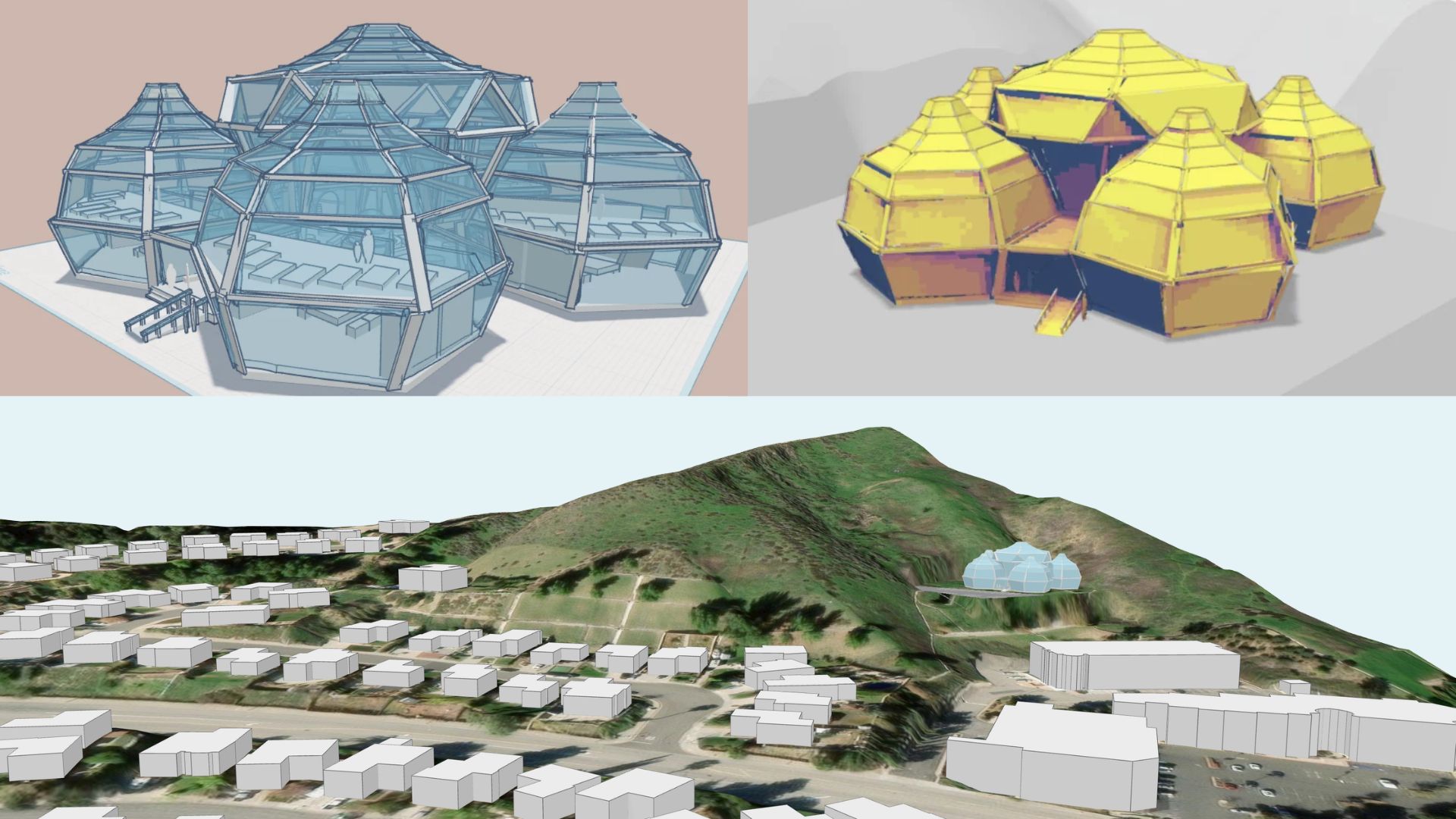
Along the way, she encountered technical challenges, sought feedback from teachers, and experimented with new approaches. The experience has brought her newfound insights.
“Sunny Days Ahead has actually led me to find new interests like prosthetics since I realized I have a passion for building and designing things that help people,” she says. “Now, when I pass through city centers and areas where architecture is around me, I notice it and appreciate the effort that was put into it, now more than ever.”
Karaa at DPR Construction shares that the combination of curiosity, communication, and collaboration that Grzegorzewski demonstrated is essential for others looking toward their future careers.
“I’d encourage a young person to practice collaborating with others, taking responsibility, communicating clearly, and staying curious,” Karaa says. “Construction is a team effort, bringing together design, estimating, technology, safety, skilled trades, and many other roles to turn an idea into something tangible.
“You don’t need to define a career path yet. Focus on exploring how things are built, asking questions, getting comfortable with emerging technology, and learning to solve problems with others. Whether through opportunities at your school, internships, or programs like ACE Mentor, look for ways to connect with industry professionals, including those at companies that offer programs like DPR's Build Up high school internships, to better understand the many career paths available. Construction offers many ways to contribute and plenty of room to discover where you can make the greatest difference. Even after years in the industry, you never stop learning.”
She researched local rebuilding efforts, permitting challenges, and construction materials, using Autodesk Forma to inform decisions about an actual site near a school that would be rebuilt. The design process also required balancing cost, functionality, and the experience of the people who would use the space.
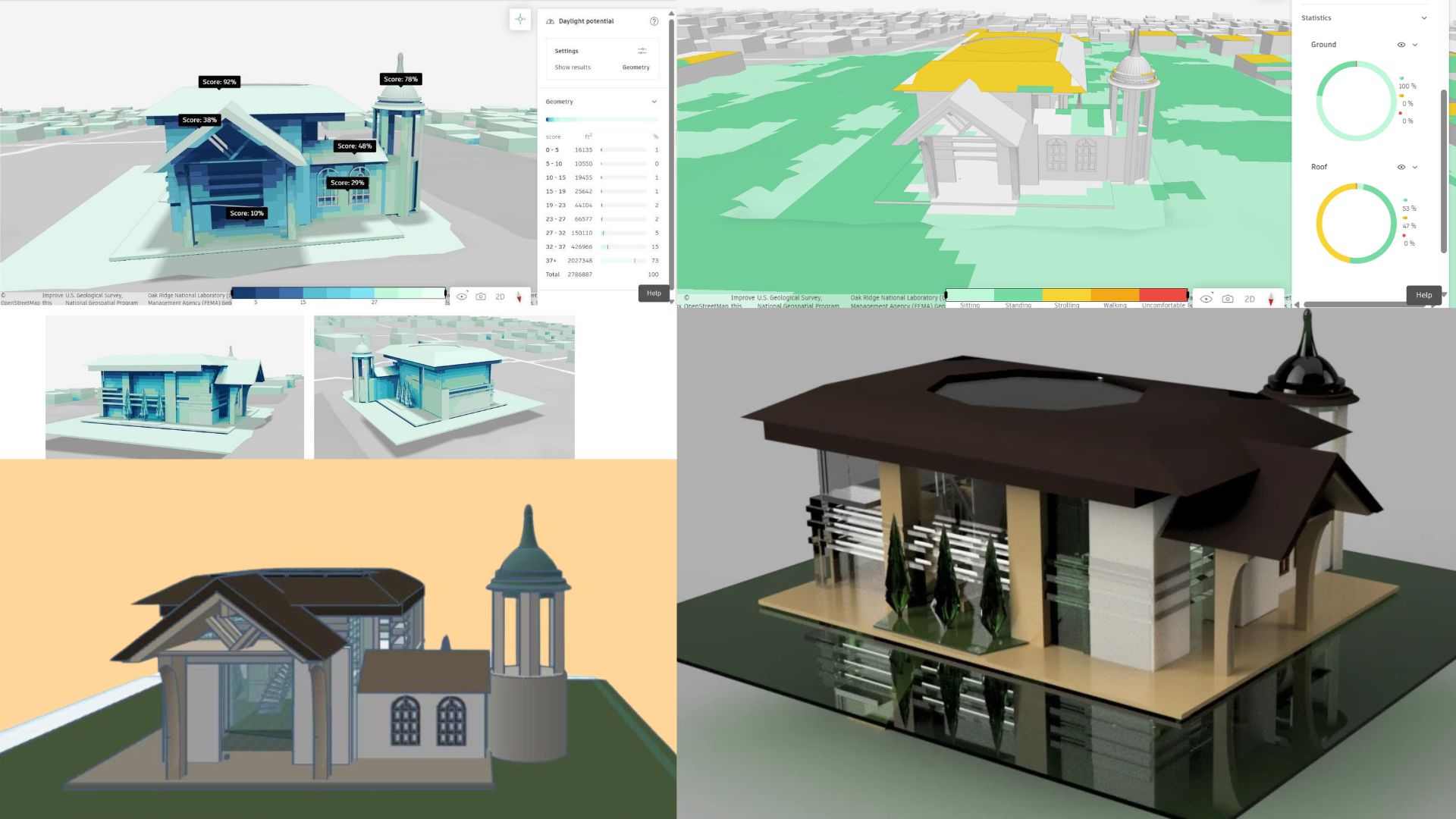
"I worked through several design iterations and landed on something more understated and suburban-looking because, in the end, it has to serve the public and stay relatively low-cost,” Wang says.
From Bracchitta’s perspective, her willingness to revisit a design and iterate reflects an important reality in construction, too.
"We use technology to explore options and make issues visible sooner, but the real value comes from bringing the right people together to ask questions, test assumptions and determine what will work in the field," he says.
Benoit's project explores how alternative materials and construction methods, including rammed earth construction, could become more accessible. He developed a system called Terra-Link while incorporating strategies such as earth sheltering and solar chimneys into a compact architectural design. Using Autodesk Revit, he developed the project in BIM and evaluated solar exposure and heat gain.
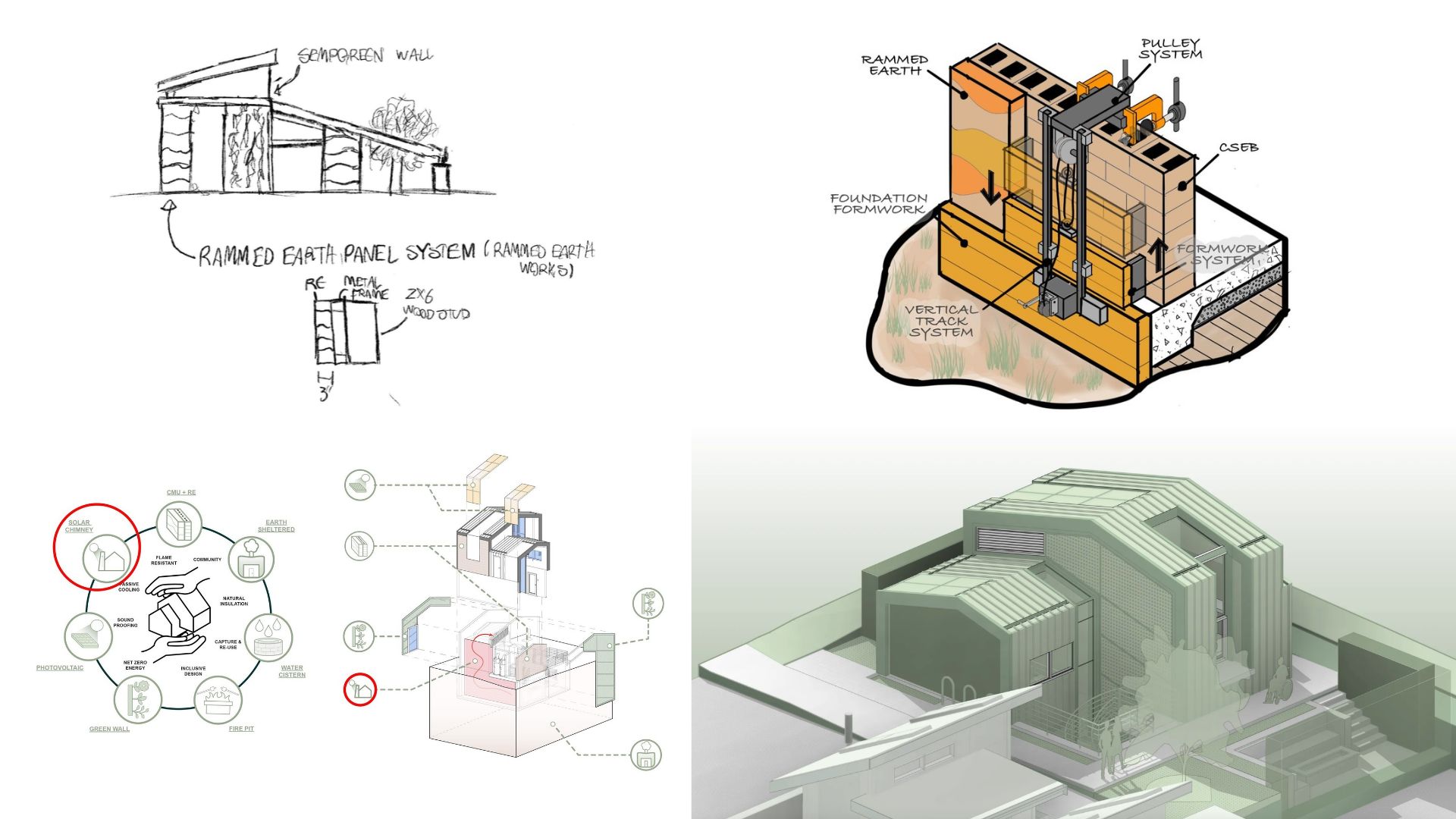
“The project required me to research areas outside of traditional architectural design, particularly rammed-earth construction and building performance,” Benoit says. "That experience reinforced how dependent architecture is on collaboration. Every discipline contributes a different piece of knowledge, and part of the architect's responsibility is understanding those contributions well enough to coordinate them toward a common goal.”

His Make It Heal Grand Prize-winning project, Biophilic Community Recovery Ecosystem, proposes a network of modular housing, community facilities, and a Resilience Hub to support disaster recovery. Inspired by the long-term impacts of Hurricane Katrina, he researched shelter capacity, accessibility, sustainability, and construction efficiency.
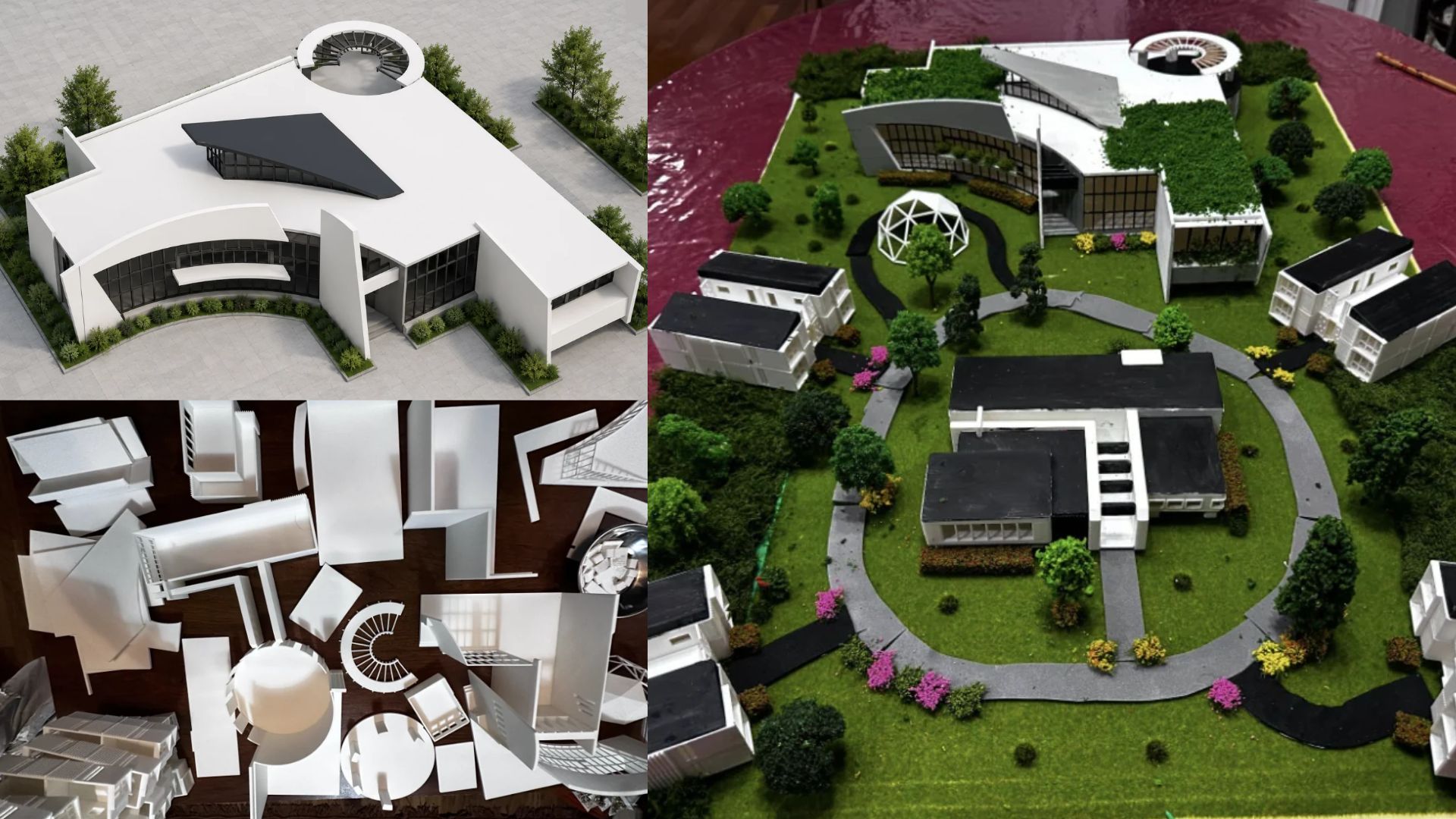
Katakota developed the structures in Autodesk Fusion, considering how modular components could be produced off-site, transported, assembled, and expanded as community needs changed. He then brought his digital design into a physical prototype, managing approximately 23 hours of 3D printing before assembling and finishing a detailed prototype.
“This project made me more interested in the connection between CAD, fabrication, and the built environment,” he says. “I’d like to keep exploring how design can solve practical problems for people through engineering and architecture. I’m especially interested in seeing how I can bring my interests in robotics and architecture together.”
Across the Make It Heal projects, students demonstrated capabilities that are becoming increasingly valuable throughout construction. For Steve Sheahan, Northeast Healthcare Core Market Leader at DPR Construction, the students' motivations are as encouraging as their technical abilities.
“The next generation is bringing fresh ideas, a natural comfort with technology, and, most importantly, a desire to make a meaningful impact,” Sheahan says. “Those qualities can't be taught by software alone, and they're on full display in these projects. They're looking at the issues facing communities and asking how design, construction, and innovation can be part of the solution.”
“At DPR, we believe great projects start with understanding the people who will learn, heal, work, and connect in the spaces we build, whether that's a hospital providing lifesaving care, a life sciences facility advancing new therapies, or a manufacturing plant creating products people depend on every day,” he adds. “Seeing those qualities already present in the next generation gives me a lot of confidence about where our industry is headed."
The Make It Heal winners approached design with a sense of purpose, using technology to explore problems affecting real communities. Their projects offer a glimpse of how the next generation could contribute to the industry's evolving needs. But helping students develop these capabilities requires opportunities that extend beyond an individual design challenge.
The ACE Mentor Program of America introduces high school students to careers in architecture, engineering, construction, and the skilled trades through mentorship, hands-on learning, and connections with industry professionals. Building on this shared commitment to workforce development, Autodesk and ACE partnered on the 2026 Summer Trades Institute & Externship Initiative, expanding access to construction camps, trade-focused learning, digital design tools, and professional experiences across four regions. The initiative was designed to support 50 high school students with $500 scholarships or stipends.
Over approximately 30 hours of career-connected learning, students developed foundational Autodesk Revit skills through self-paced coursework and engaged with industry professionals through webinars and mentorship. They then applied their learning to a real-world mechanical, electrical, and plumbing (MEP) design challenge. Developed with Tyler Wilson, founder of Integrat3D Building Engineering and an ACE Mentor, the hands-on exercise challenged students to model mechanical or plumbing systems for a two-bedroom residential unit in Revit, considering structural constraints and coordination with other building systems. Students also had opportunities to present their designs to industry professionals, receive feedback, and explore potential career pathways.
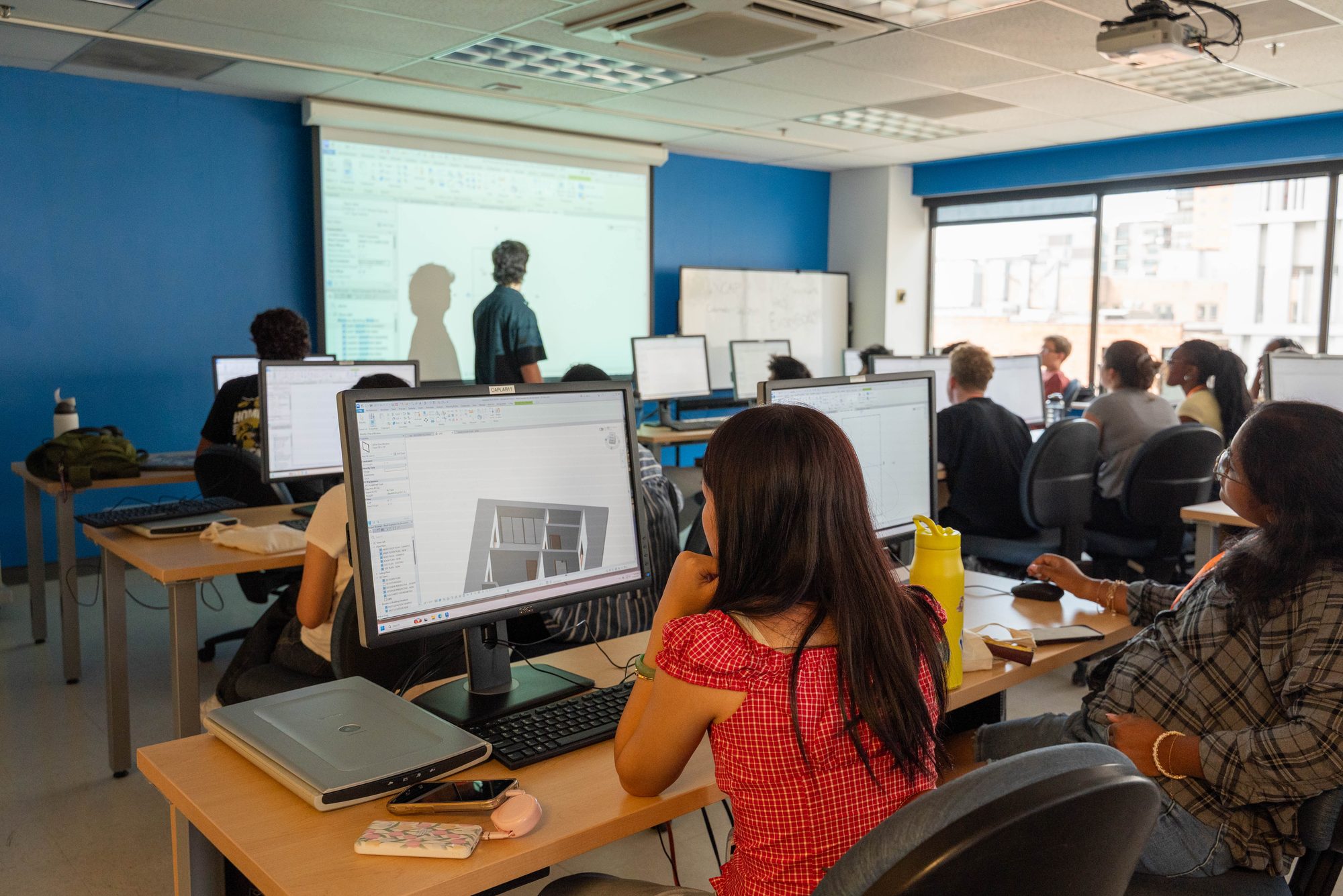
For Paulette Dallas of the ACE Mentor Program, one of the summer's memorable moments came from seeing students engaged in a technology lab in Denver. Alumni counselors supported the campers as they learned unfamiliar software, strengthening their own knowledge while taking on mentoring roles. The program also reinforced the value of connecting students directly with people working in the industry.
"Students start asking questions and making connections,” Dallas says. “They start to understand the network that they are building through their ACE connections."
Those relationships can help students understand the breadth of opportunities available to them. Dallas emphasizes that employers have an important role in making those possibilities more accessible.
“Firms providing externship opportunities and participating in the ACE high school externship program makes the pathway into the industry a reality,” she says. “This next generation of students are excited to learn and discover what is available to them. It’s so fun to watch.”
Explore more stories from our Make It Heal series to discover how students are using design, technology, and creativity to tackle real-world challenges and help shape the future of construction: