DESIGN & MANUFACTURING
The future of building product manufacturing and fabrication
The future of building product manufacturing and fabrication
Bring your expertise to building projects and inform decisions that define the spaces around us.
What clients want from building product manufacturers and fabricators
77% NEED CUSTOMIZATION
77% NEED CUSTOMIZATION
Due to changing expectations of building occupants, 77% of architects saw an increased need for customized solutions and closer collaboration with suppliers
74% NEED MORE COLLABORATION
74% NEED MORE COLLABORATION
Three-quarters of architects surveyed said highly collaborative relationships are very important to the success of their projects
48% NEED BIM DATA
48% NEED BIM DATA
Lack of Building Information Modeling (BIM) proficiency was listed as a supplier deal-breaker by 23% of architects
Why leading companies choose Autodesk

“In many cases, the discussion isn’t even about the windows or the façade. It’s a collaborative moment in which we can all start to make design decisions.” —Erik Rasker, CTO

“We need to give our customers a measure of customization. We chose to move forward with Autodesk to free up our engineers’ time and win more business.” —Matt Quigley, Design Manager

“Many of our customers have told us they will use us over anyone else because we give them 3D BIM content.” —Steve Hofmann, CAD Designer
Harvard Business Review: The Future of Building Design
Harvard Business Review: The Future of Building Design
Building projects are changing–and so is your place in them. In this new study, architects share how they see the role of their suppliers evolving.

Discover one platform for the building supply chain
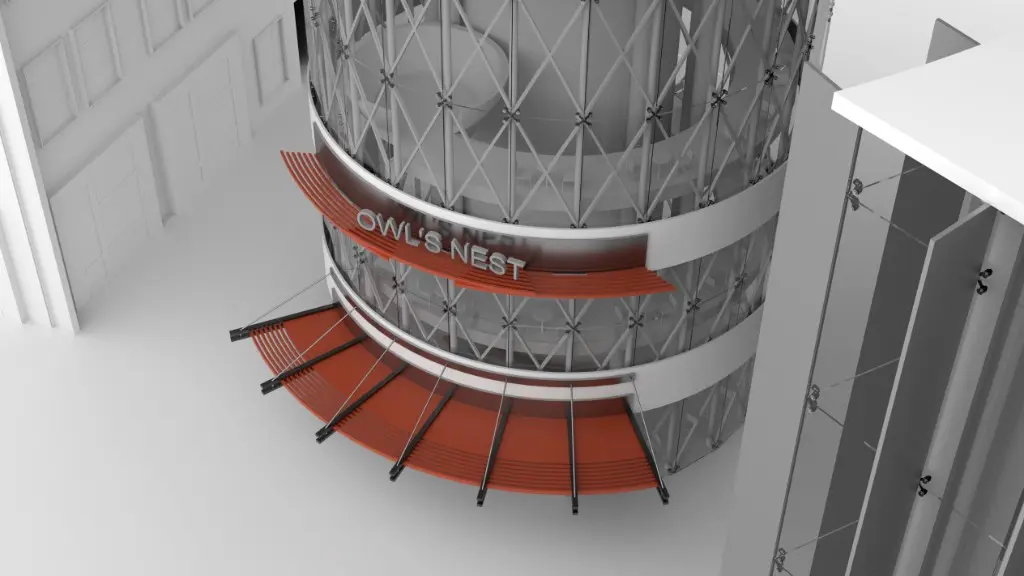
Collaborate with BIM
Collaborate with BIM
Provide BIM content to make it easier for your clients to specify your products into projects. Work inside building models to design in the context of the building. And exchange all this data in one seamless digital ecosystem to help all your stakeholders communicate more efficiently.
Provide BIM content to make it easier for your clients to specify your products into projects. Work inside building models to design in the context of the building. And exchange all this data in one seamless digital ecosystem to help all your stakeholders communicate more efficiently.
Solutions for building product manufacturers and fabricators
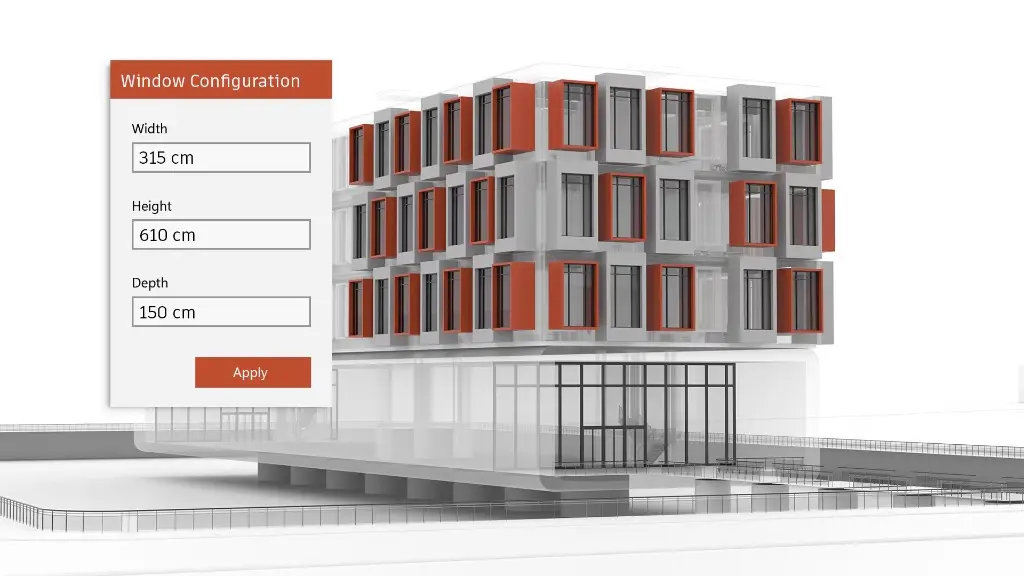
BIM collaboration for manufacturers
Collaborate with clients using centralized data in the BIM ecosystem, reference building data in your designs, and generate BIM content of your product designs.
Explore BIM collaboration (US Site)
Product lifecycle management (PLM)
Manage product data and development processes with tools that adapt to your business. Start simply, scale easily, and realize the promise of connected people, processes, and data.
Design automation
Capture and re-use engineering knowledge and intent to reduce errors and time spent on tedious, repetitive modeling tasks like product configuration, drawing creation, and more.
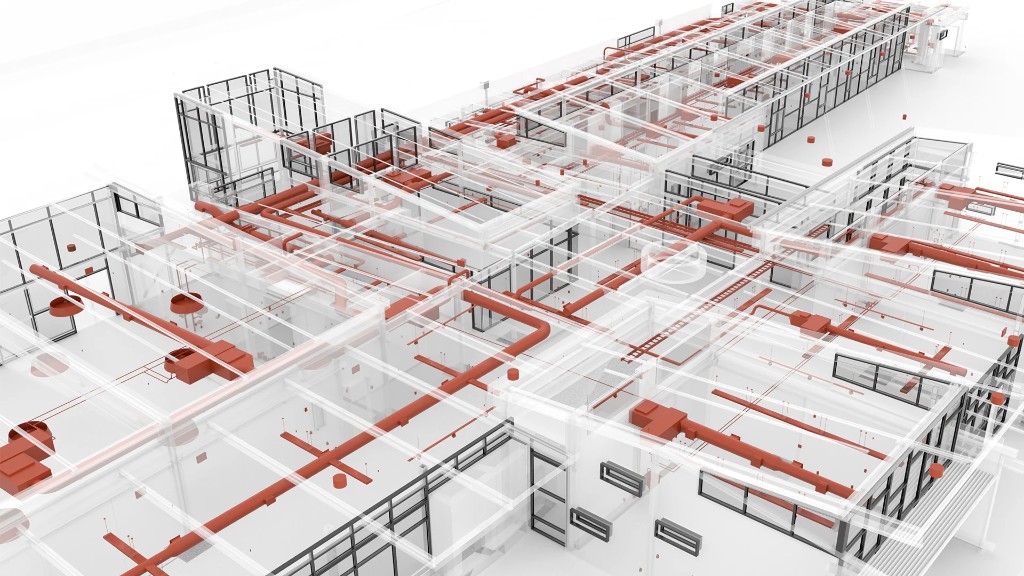
Integrated factory modeling
Generate a digital representation of your production facilities and equipment by combining BIM and digital factory planning.
Advanced manufacturing
Whatever you make, however you want to make it—Autodesk has the advanced manufacturing software you need.
Building Product Manufacturing & Fabrication software
Featured resources

VECOR
More sustainable buildings—one tile at a time
More sustainable buildings—one tile at a time
See how Vecor used product design and factory modeling technology to reduce the environmental impact of its ceramic tiles.

VIEWRAIL
Automation grows customised staircase business
Automation grows customised staircase business
See how a leading manufacturer of stair parts and custom staircase systems rapidly adapted its engineering processes to fulfill orders faster.
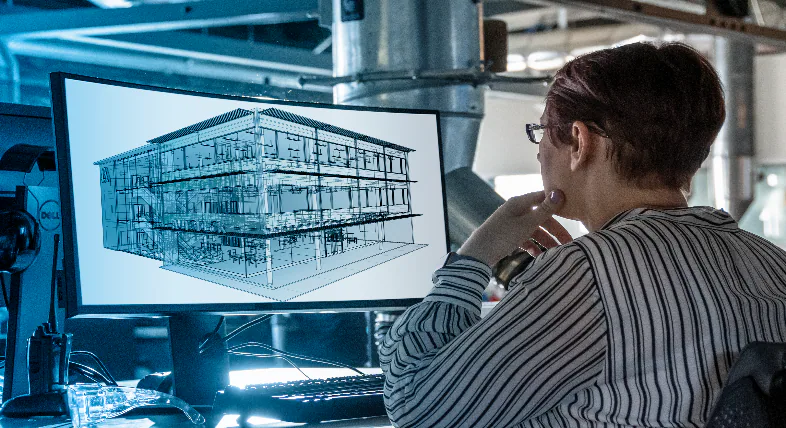
ON DEMAND WEBINAR
What Building Designers & Contractors Want: A Client Wish List for Building Suppliers
What Building Designers & Contractors Want: A Client Wish List for Building Suppliers
Do you know the deal breakers in your client relationships? Hear from industry experts from both sides of the table—architecture and manufacturing—to understand the evolving role of suppliers in building projects.
Let’s talk strategy
Let’s talk strategy
As a global leader in the integration of architecture, engineering, construction, product design and manufacturing processes, Autodesk can help you to develop the capabilities needed to achieve your goals.
Keep in touch today to schedule your business consultation.
As a global leader in the integration of architecture, engineering, construction, product design and manufacturing processes, Autodesk can help you to develop the capabilities needed to achieve your goals.
Keep in touch today to schedule your business consultation.
Let’s talk strategy
Let’s talk strategy
As a global leader in the integration of architecture, engineering, construction, product design and manufacturing processes, Autodesk can help you to develop the capabilities needed to achieve your goals.
Keep in touch today to schedule your business consultation.
As a global leader in the integration of architecture, engineering, construction, product design and manufacturing processes, Autodesk can help you to develop the capabilities needed to achieve your goals.
Keep in touch today to schedule your business consultation.
Frequently asked questions (FAQs)
What is the building product industry?
Building product manufacturers make products, equipment, and supplies that go in and around buildings, such as windows, doors, elevators, escalators, HVAC systems, light fixtures, kitchen fixtures, bathroom fixtures, and wood elements. Custom fabricators provide a mechanical design-to-manufacture service for bespoke or custom items, such as entrance canopies and facades, handrails, staircases, and curtain walls.
What software is used by building product manufacturers?
Building products manufacturers use a variety of software at different stages in the development process, industrial design software, mechanical 3D CAD, product lifecycle management (PLM), computer-aided manufacturing (CAM), and visualization and rendering applications.
How does BIM benefit manufacturers?
The use of building information modeling (BIM) methodologies and software is now widespread within the architecture, engineering, and construction (AEC) industries. Manufacturers who strive to partner with their AEC clients must become BIM-fluent so they can consume and create data that is compatible with the applications currently used to design the buildings their products are used.
How can building product manufacturers adapt to digital transformation?
Digital transformation is about connecting your entire organization with the data and insights needed for everyone to perform their job to the best of their ability. This brings together different disciplines within the company, enables a higher order of collaboration with your clients, and provides a foundation for automation that leads to significant improvements to overall throughput and productivity.
What is the future of the building product industry?
In a recent survey conducted by Harvard Business Review, more than three-quarters of architecture, engineering, and construction respondents stated that there is an increasing attention to the building occupant experience throughout the building design process. Since the manufactured products provided by companies in the building products industry play a significant role, a higher degree of collaboration is required to plan and evaluate that experience prior to construction.
What are some building product industry trends?
A recent survey of architects, engineers, and contractors conducted by Harvard Business Review identified the following trends:
73% say having a highly collaborative relationship with their building product manufacturers is important to the success of their projects.
77% say there is an increasing need for customized solutions and closer collaboration.
23% say BIM proficiency is among the most important factors when choosing a supplier.
25% say ability to meet project delivery schedules is the most important factors in choosing a building product supplier.