
Cobots: Smarter, safer, more flexible automation
Cobots: Smarter, safer, more flexible automation
 Engineers program and train collaborative robots to operate directly with or close to human workers.
What is a cobot?
What is a cobot?
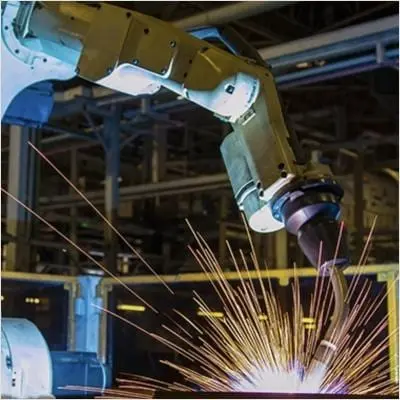
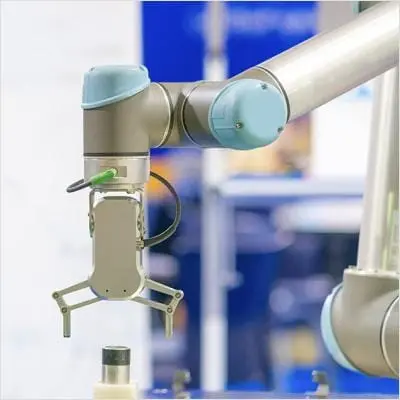
 Unlike traditional industrial robots, collaborative robots can safely share a physical workspace with human coworkers.
What is cobotics?
What is cobotics?
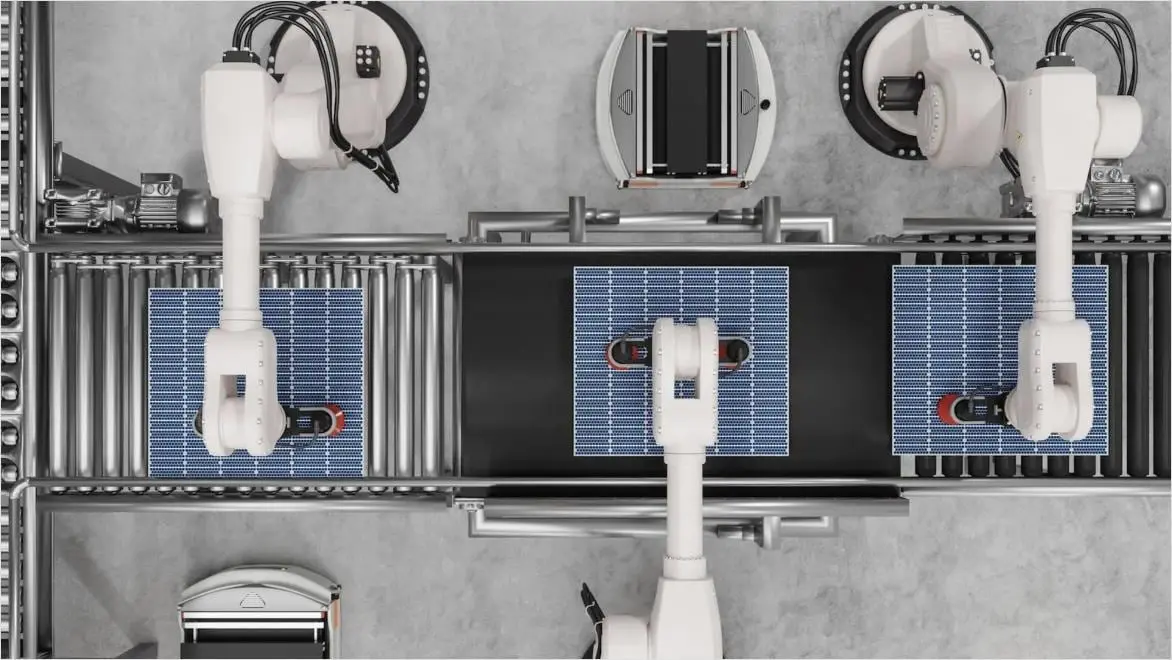
How do cobots work?
How do cobots work?

Power and force limiting
Power and force limiting
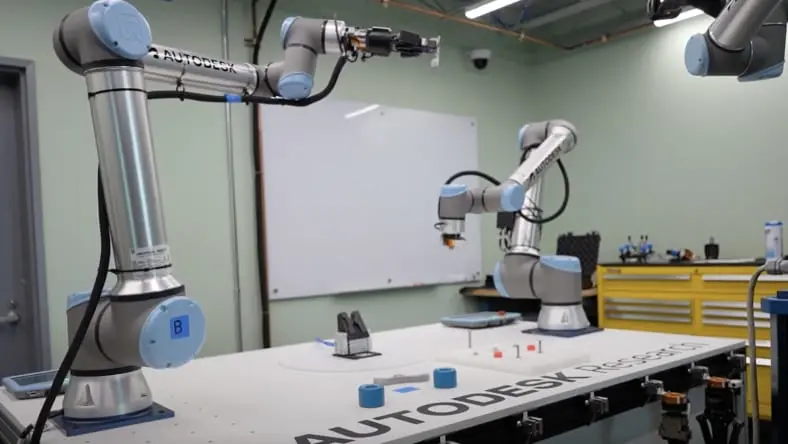
Hand guiding
Hand guiding
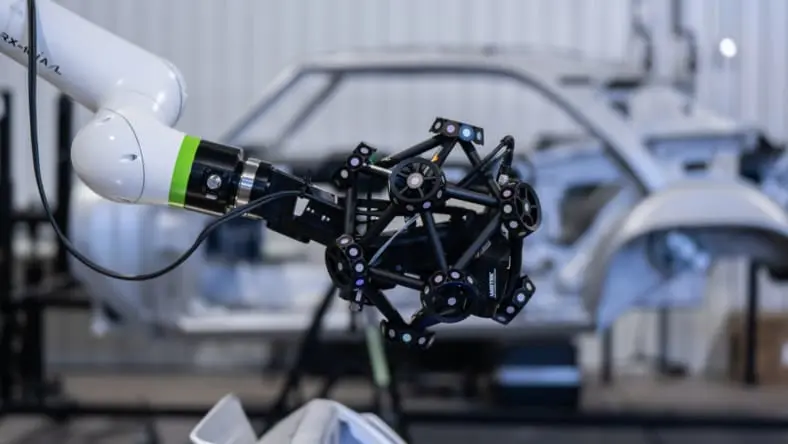
Speed and separation monitoring
Speed and separation monitoring
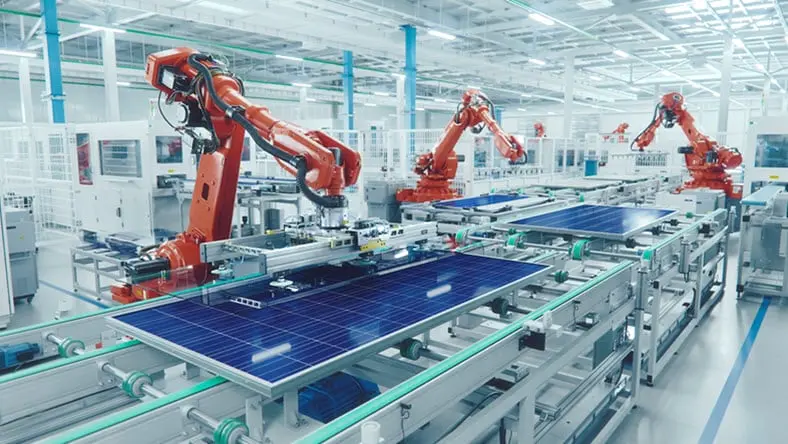
Safety-rated monitored stop
Safety-rated monitored stop
Ready to bring your cobots to life?
Ready to bring your cobots to life?
Safe human collaboration
Safe human collaboration
Fast setup and programming
Fast setup and programming
Flexible deployment
Flexible deployment
Improved productivity
Improved productivity
NEW OFFER - Flex now starting at {{PRICE}} for {{FLEXACCESS.billingQuantity}} tokens
新たなオファー - Flex が {{price.FLEXACCESS.1year}} から
Autodesk Flex では、Fusion や高度な Design and Manufacturing 機能へのオンデマンド アクセスをトークンで前払いでき、ツールの使用時にのみ課金されます。プロジェクトベースの作業や、専門的なワークフローを時折ご利用いただく場合に最適です。 Flex トークンと Fusion を組み合わせると、次のことが可能になります。
オンデマンドで高度な製品開発ワークフローにアクセスできます。
必要なときにのみ、価値の高い機能をご利用いただけます。
ピーク時のワークロードに対応するアクセスの拡大
Designing for cobotics: Key considerations
Designing for cobotics: Key considerations

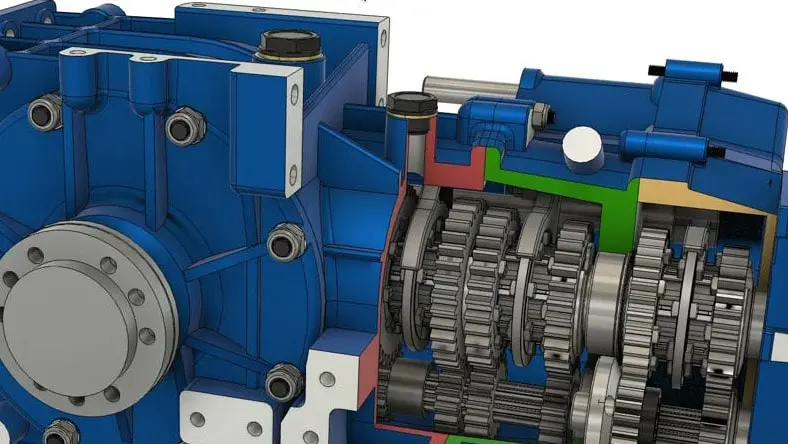


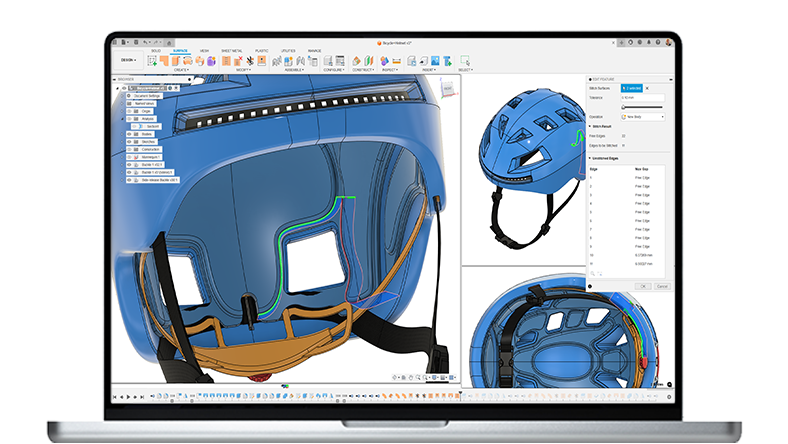
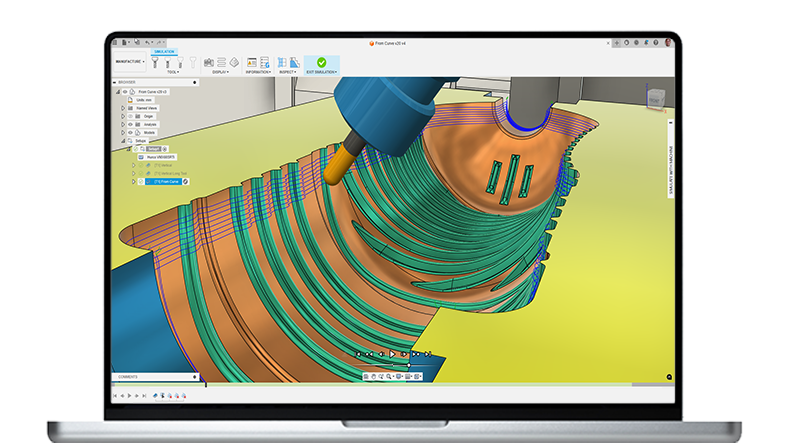
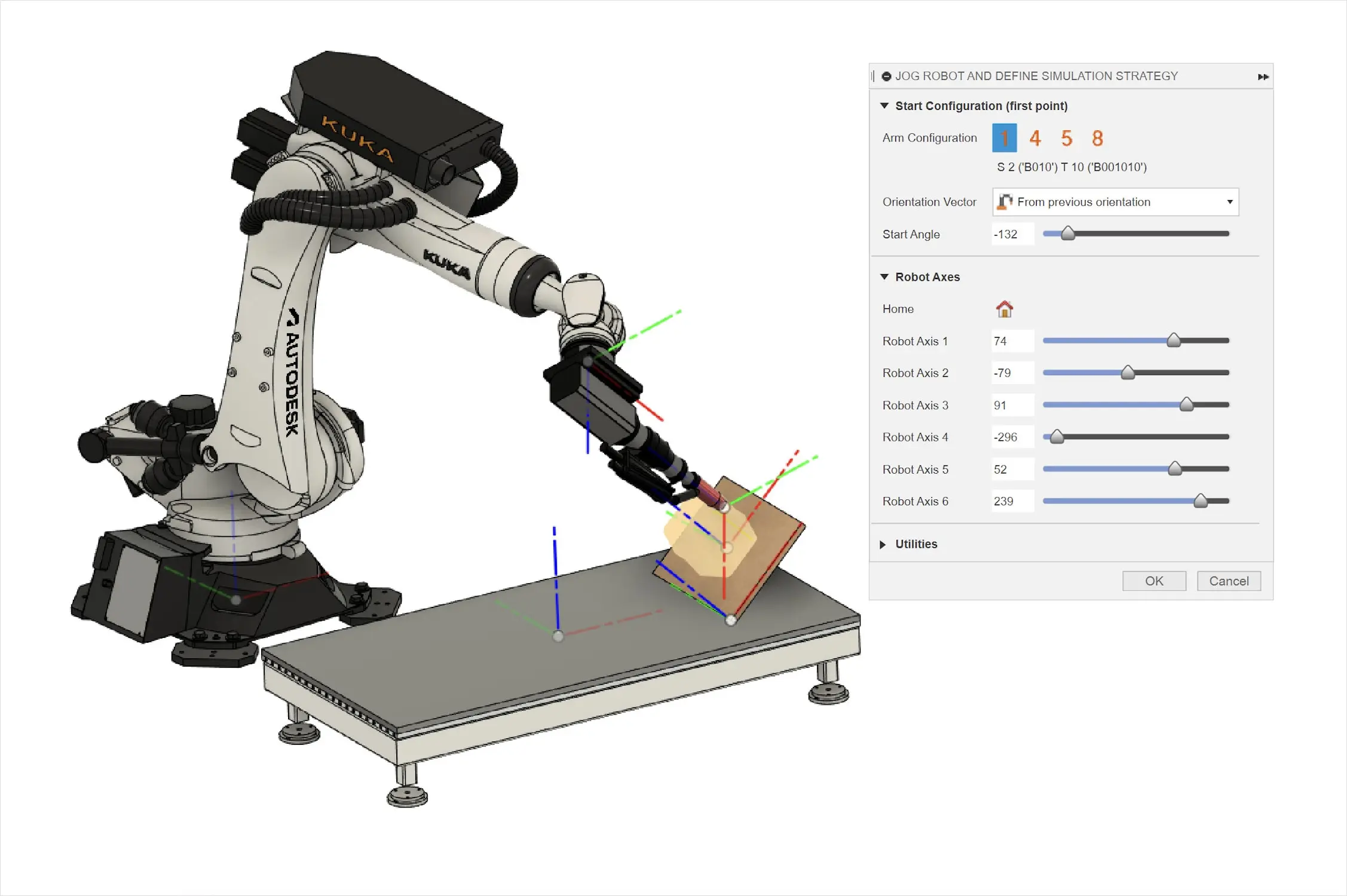
Future of work: Humans + Cobots + Fusion
Future of work: Humans + Cobots + Fusion

How do cobots improve factory operations?
Cobots improve factory operations by automating repetitive or dangerous tasks, reducing human error, and enhancing worker safety. They work alongside employees, allowing humans to focus on more complex and creative activities.
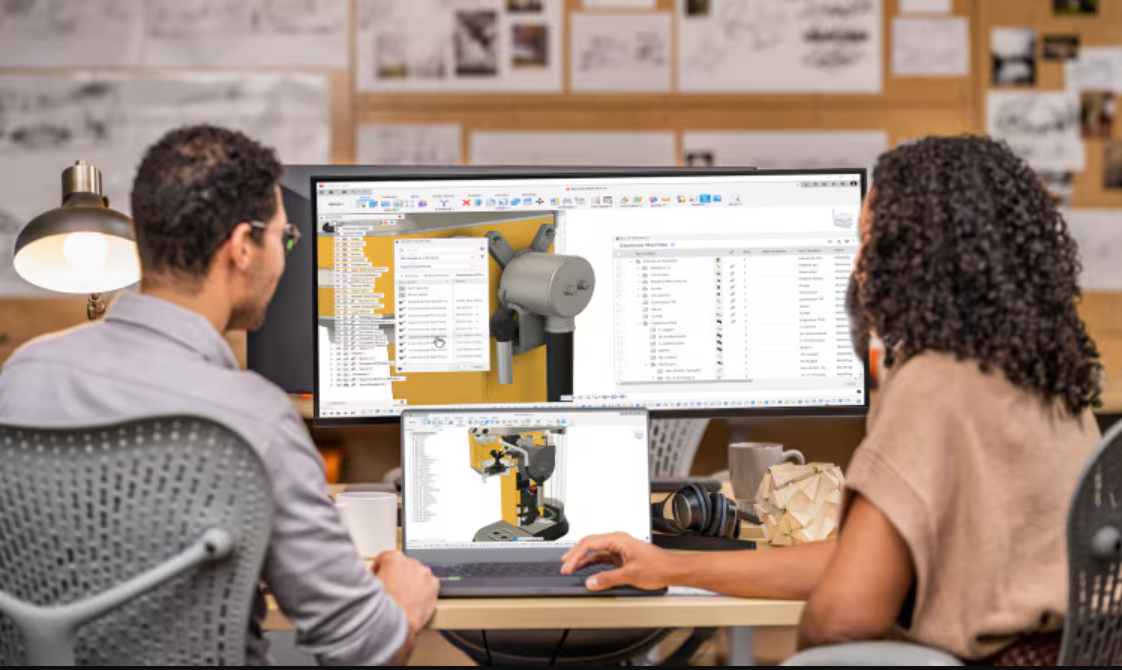
Autodesk Fusion supports this integration by providing powerful design and simulation tools that help engineers create, test, and optimize cobot workflows and components before implementation—saving time and costs while ensuring smooth and efficient factory automation.
How do cobots differ from traditional industrial robots?
Traditional industrial robots usually require safety cages or barriers because they operate at high speeds and forces, posing risks to humans nearby. Cobots, however, are built with sensors and safety protocols to detect and avoid collisions, enabling them to work side-by-side with people. Cobots are more flexible, easier to program, and designed for smaller-scale or variable tasks. This makes them suitable for small and medium-sized enterprises (SMEs) and diverse production environments.
Are cobots difficult to program?
No, cobots are user-friendly and easy to program. Many models feature intuitive interfaces, drag-and-drop programming, or teach-by-demonstration methods where operators physically guide the robot through a task sequence. This reduces the need for specialized programming skills, allowing even operators without extensive robotics experience to set up and modify cobot workflows quickly.
What safety features do cobots have?
Cobots come equipped with multiple safety features, including:
Force and torque sensors to detect contact and immediately stop or slow down
Vision systems and proximity sensors for obstacle detection
Speed and separation monitoring to maintain safe distances
Soft padding and rounded edges to minimize injury risk
Emergency stop buttons accessible to human operators These features allow cobots to safely share workspace with humans without the need for physical safety barriers.
What are the stages of product lifecycle management?
The stages of product lifecycle management (PLM) typically include the following:
1. Concept and ideation: This stage encompasses idea generation, market research, and preliminary feasibility assessments. It involves brainstorming sessions, conceptual development, and the definition of the product's requirements and specifications.
2. Design and development: During this stage, detailed product designs are crafted using tools such as CAD (Computer-Aided Design). Prototypes are developed and tested, with iterative design adjustments made to enhance the product. This stage also involves conducting engineering analysis and validation.
3. Production and manufacturing: After finalizing the design, the product transitions into the production phase. This stage involves comprehensive planning, sourcing materials, executing manufacturing processes, assembly, and implementing quality control measures. It ensures the product is produced efficiently and adheres to quality standards.
4. Market launch: The product is introduced to the market during this stage. It involves marketing, sales, distribution, and customer support.
5. Growth: During the growth stage, the product gains market acceptance and demand increases. Efforts are made to optimize production, improve distribution, and enhance marketing campaigns to maximize sales.
6. Maturity: The product reaches peak market penetration in the maturity stage. Sales stabilize, and focus shifts to maintaining market share, optimizing operations, and extending the product's lifecycle through updates or enhancements.
7. Decline: The product enters the decline stage as market demand decreases, often due to technological advancements, changing customer preferences, or increased competition. Strategies are developed for product discontinuation, cost reduction, and transitioning customers to newer products.
8. Retirement:The final stage involves phasing out the product from the market. This includes managing inventory, providing support for existing customers, recycling or disposing of the product, and transitioning to new product offerings.
How do cobots integrate with existing factory automation and legacy equipment?
Cobots easily connect with legacy systems using common industrial protocols like Ethernet/IP and Modbus, ensuring smooth communication. They can be customized to work alongside older machines, often using middleware to bridge technologies. Autodesk Fusion’s simulation tools help engineers test and optimize these integrations virtually before deployment, reducing downtime and speeding up implementation.
Are there industry standards or certifications governing the safe use of cobots?
Yes, standards like ISO/TS 15066 set safety requirements for cobots working alongside humans. Adhering to these ensures risk mitigation. Fusion’s design extensions help engineers validate safety features in their robotic components.
What industries benefit most from using cobots?
Cobots are used in various industries, including:
Automotive manufacturing for assembly and welding
Electronics for precision assembly and inspection
Food and beverage for packaging and palletizing
Pharmaceuticals for handling delicate or hazardous materials
Consumer goods for repetitive or customized assembly
Metal fabrication for machine tending and quality check
Their versatility makes them suitable across many sectors that require both flexibility and automation.
Can cobots operate 24/7?
Yes, cobots can operate continuously and are often deployed for round-the-clock tasks, especially in environments that require repetitive or precise work. However, like all machinery, they require routine maintenance and occasional calibration. Operators typically schedule downtime for preventive maintenance to ensure consistent performance and avoid unexpected failures.
How do cobots contribute to Industry 4.0 and smart factories?
Cobots play a vital role in Industry 4.0 by integrating with IoT devices, data analytics, and AI-driven systems to create smart, connected manufacturing environments. They provide real-time data on production processes, collaborate dynamically with humans and other machines, and enable flexible manufacturing that can quickly adapt to changing demands. Cobots help achieve higher efficiency, quality, and customization, essential elements of smart factories.