Behind the VFX of Beast Games: Preparing for the unexpected
For SOKRISPYMEDIA, previsualizing a production of monumental scale means planning for what you can—so artists can stay focused on what matters when the unexpected happens.
3 min read
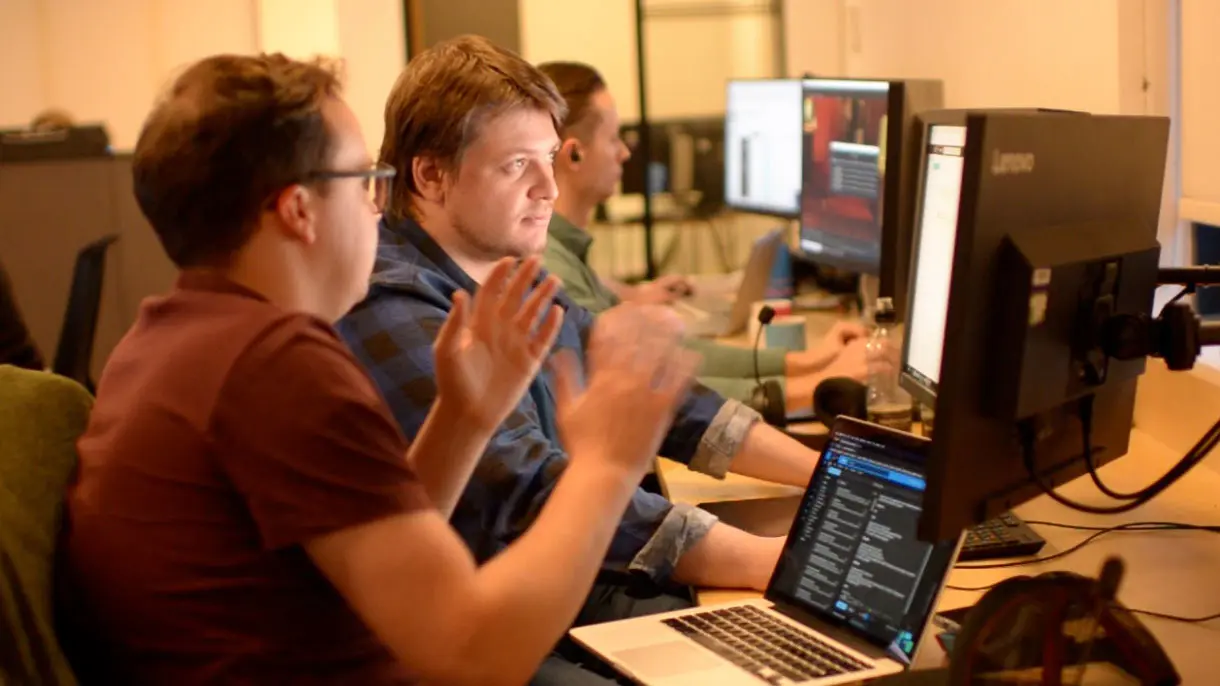
SOKRISPYMEDIA operates with a small core team of four, scaling up with freelance artists and production crews for ambitious projects like Beast Games Season 2, where it handled previsualization and VFX for a production of monumental scale.
The studio uses Autodesk Flow Studio, Maya, and 3ds Max to turn single-camera footage into editable 3D scenes, creating a scalable pipeline that keeps teams aligned and artists focused on the art.
The bigger and more unpredictable a production gets, the more preparation matters.
On Beast Games Season 2, that meant planning for hundreds of cameras, sprawling obstacle courses, massive sets, and scenarios that could change once the competition began. For SOKRISPYMEDIA, the small VFX studio handling previsualization and visual effects, the challenge called for a simple strategy: overprepare.
SOKRISPYMEDIA started out on YouTube, learning ambitious production and VFX techniques as the team went. The channel eventually grew to 3.1 million subscribers and more than 750 million views. The studio went on to develop an innovative previsualization pipeline for HBO's The Last of Us, while its breakout series, Chalk Warfare, is now being developed into a major video game.
Along the way, SOKRISPYMEDIA developed a trusted working relationship with MrBeast (aka Jimmy Donaldson). Their early collaborations relied on modest budgets and smaller builds. But with Donaldson’s reality competition show Beast Games, SOKRISPYMEDIA took the reins on previsualization and VFX for a show pushing the scale of unscripted television.
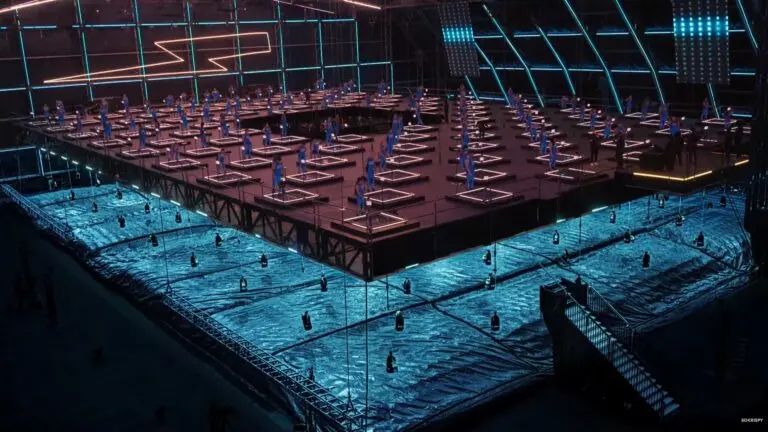
Beast Games Season 2 scaled up every aspect of Prime Video’s most-watched unscripted series ever: more cameras, larger sets, and more intricate environments, including the world’s largest LED floor, sprawling obstacle courses, and Beast City, a custom-built habitat. “Walking on set this time around, the scale is monumental,” says Sam Wickert, founder of SOKRISPYMEDIA.
Wickert describes the studio’s mandate as “building the magic to elevate production value.” On a show the scale of Beast Games, that starts with being overprepared—and for SOKRISPYMEDIA, preparation starts with previsualization.
Sam Wickert’s principle for Designing & Making
“For a production at scale, you have to overprepare, and the first step is previs.”
—Sam Wickert, Founder, SOKRISPYMEDIA
Share a principle for designing and making what matters most to you.
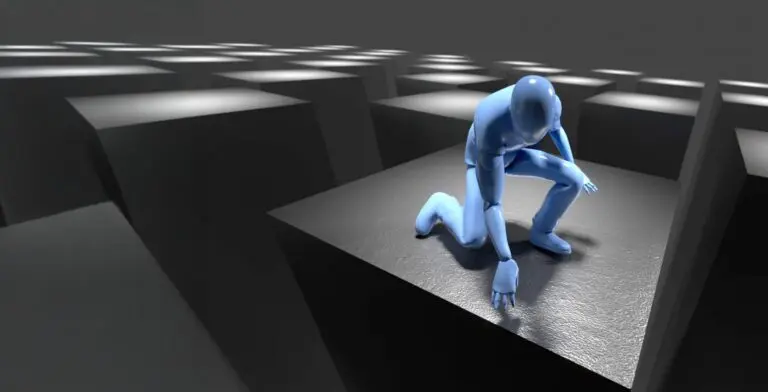
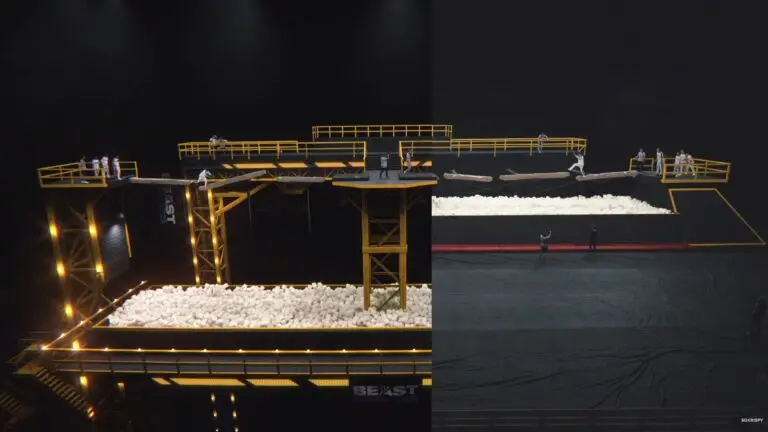
Previsualization isn’t simply storyboarding. “It’s a preview of what you’re going to make, so everyone is on the same page,” Wickert says. For an unscripted show like Beast Games, with hundreds of competitors and evolving scenarios, previs can crystallize a shared vision and make rapid pivoting easier for teams. “And it’s crazy how much the tech has changed,” he says.
Wickert points to SOKRISPYMEDIA’s use of Autodesk Flow Studio for markerless motion capture derived from simple, single-camera footage. Creators upload video to Flow Studio and it translates human performances into animated 3D character animations, along with camera tracking, lighting, and rigging data—an entire editable 3D scene. Then that scene is exported to the studio’s pipeline mainstays, Maya or 3ds Max, for previs finishing.
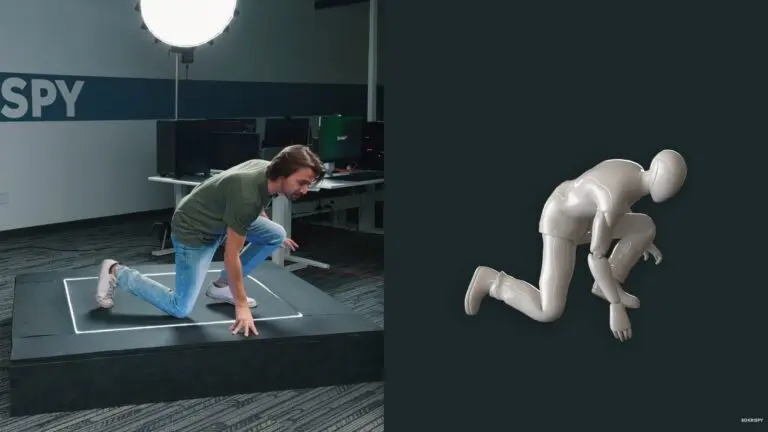
“So, not only do we have previs to show everyone, we also have a final look-development shot,” Wickert says.
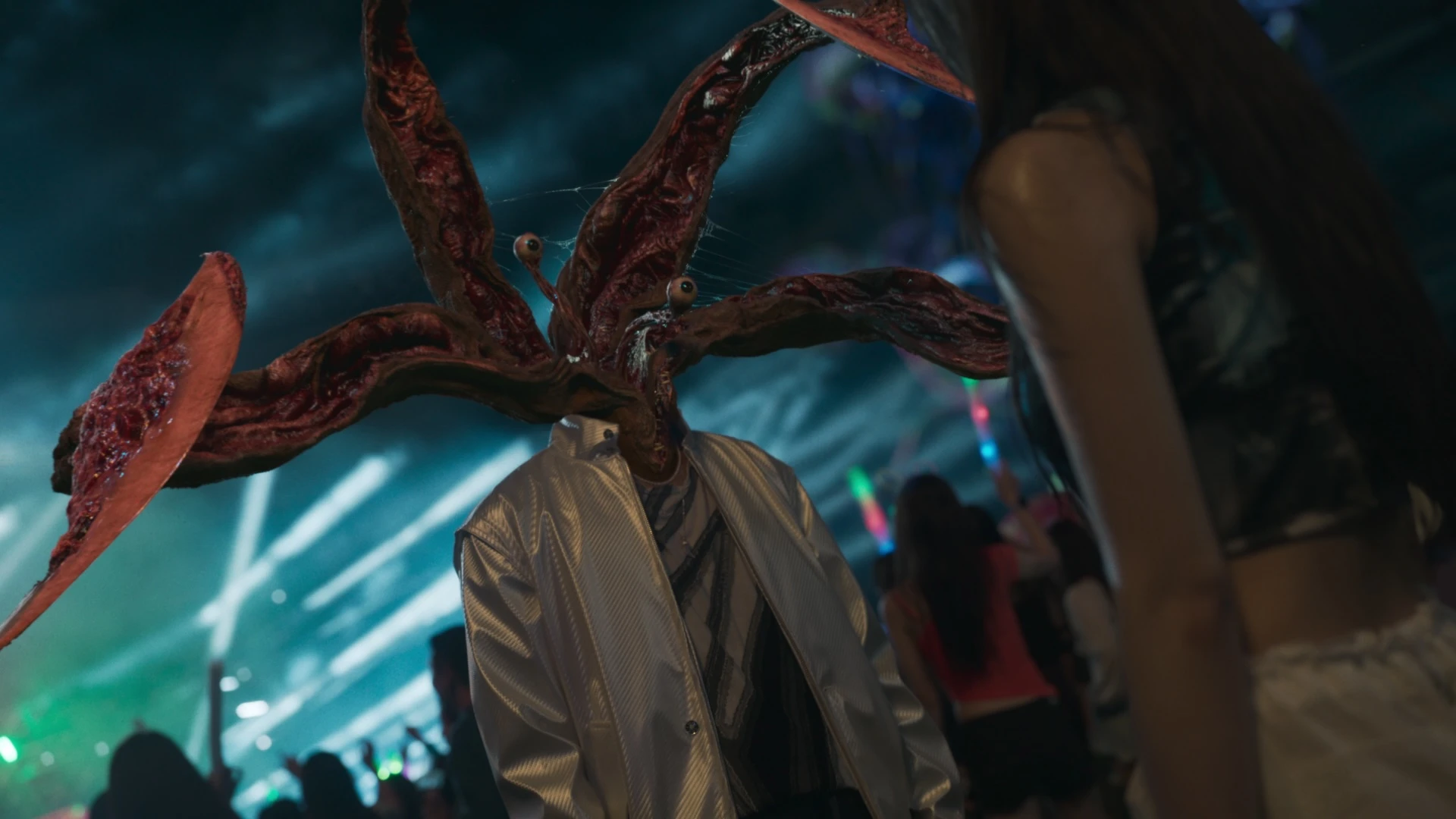
Those shots may even act as a basis for SOKRISPYMEDIA’s VFX work for the show, such as the CG explainers that break down the rules of the various Beast Games contests. This pipeline, going from Flow Studio to Maya and 3ds Max, gives the artists a repeatable and scalable method for developing footage from an everyday smartphone into high-end VFX.
The result is more than just faster previs and VFX shots. It’s a workflow that lets artists spend less time wrestling with technical hurdles and more time making creative decisions.
“All the technology just allows you to focus on the art,” Wickert says.
As the tools evolve, work that once required massive teams is increasingly within reach for smaller studios. And when those teams have the discipline to innovate and overprepare, preparation doesn’t limit creativity—it creates more freedom to adapt when the unexpected happens.