SuDS features
-
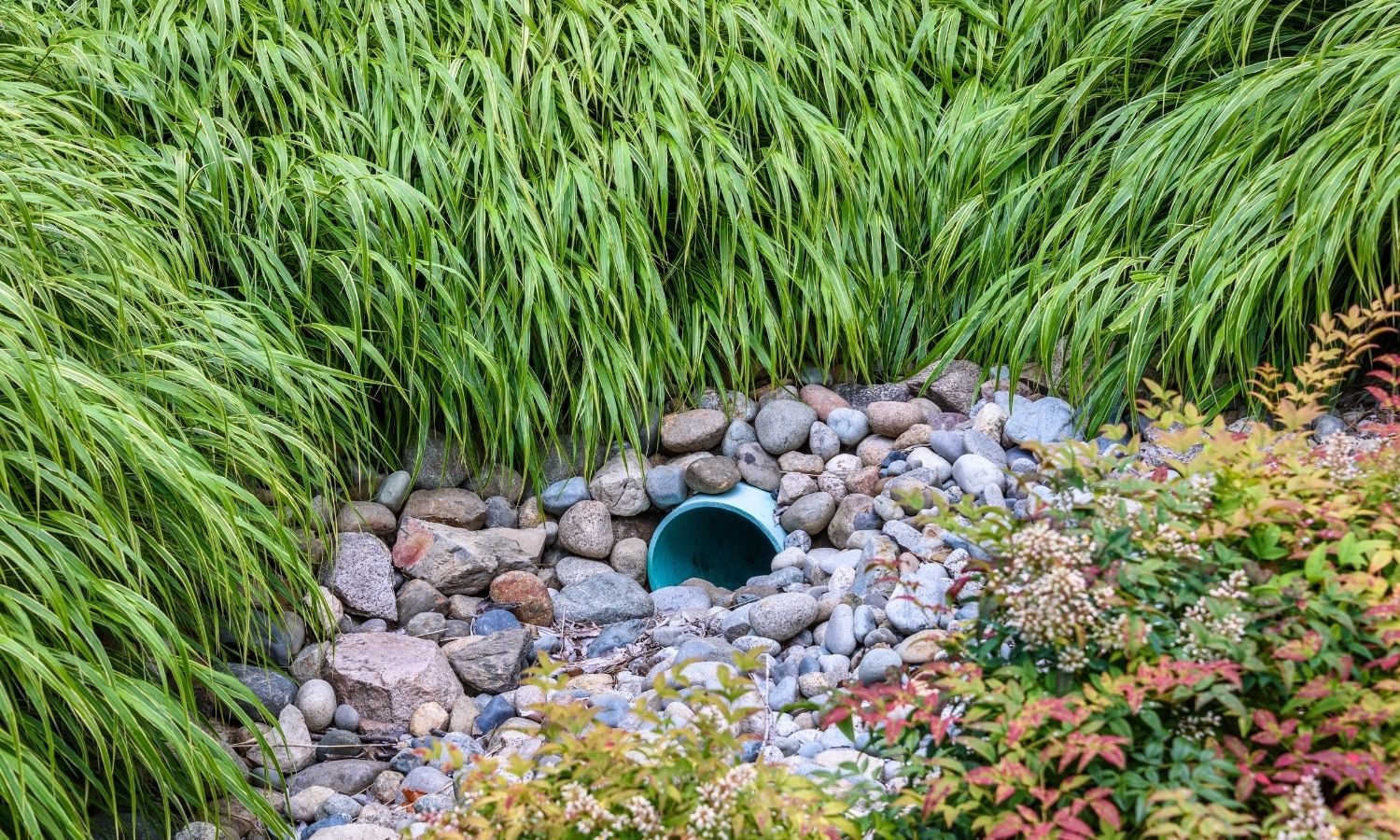
What are sustainable drainage systems (SuDS)? Features, types and design principles
In many urban areas, rainfall doesn’t soak into the ground. It runs off hard surfaces, overwhelms drainage systems, and contributes to flooding and pollution. SuDS (Sustainable Drainage Systems) are designed to change that. SuDS are designed to manage rainfall in a way that mimics natural processes – slowing, storing, and treating water close to where it…
Drainage design
-
Artificial and constructed wetlands: sustainable drainage superstars
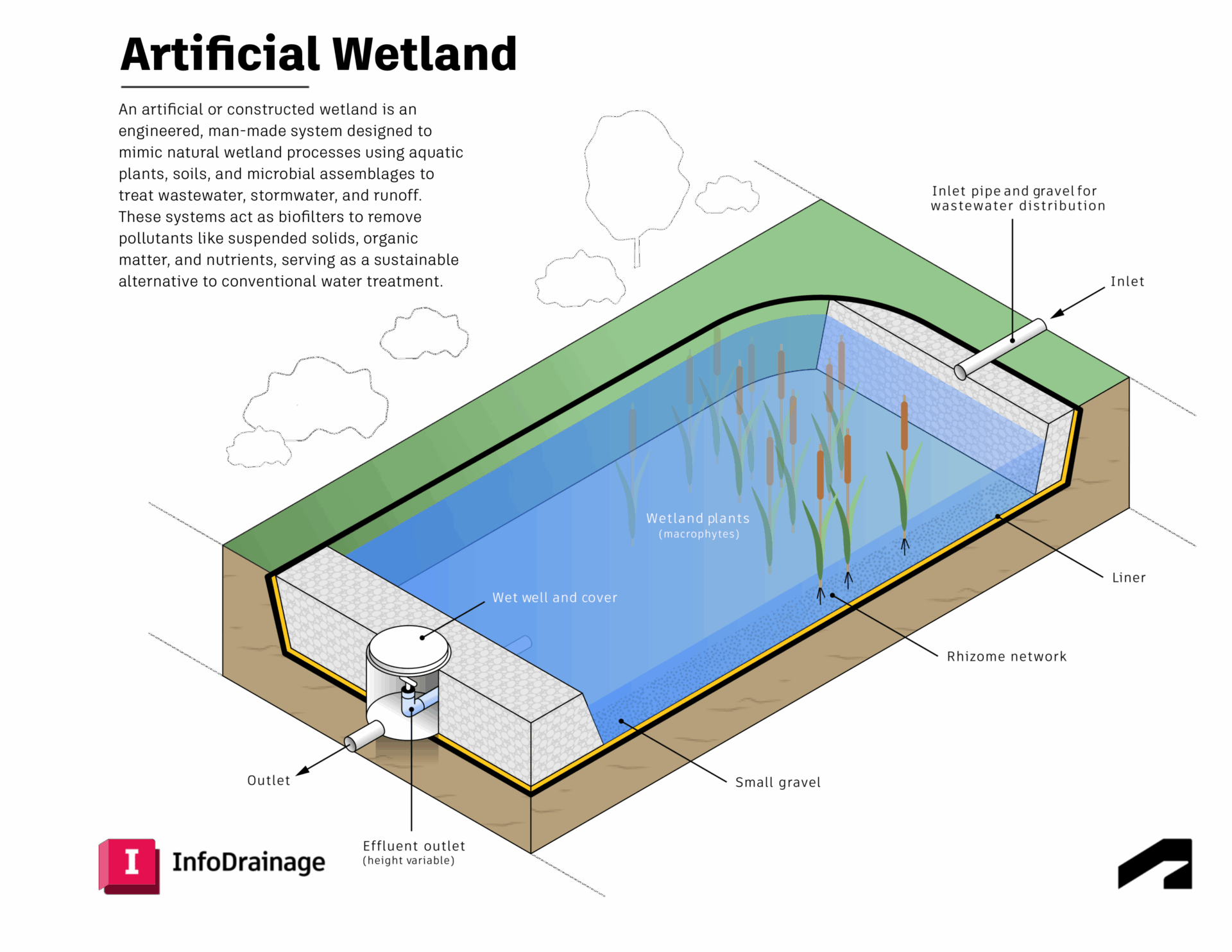
Artificial wetlands are a common feature of Sustainable Drainage Systems (SuDS) and are widely used in urban drainage design to manage stormwater and rainwater runoff, as well as promote sustainable drainage practices. An artificial wetland is a constructed ecosystem designed to manage water and pollution through engineered processes that are designed to mimic natural processes…
Sustainability
-
How professionals design rain gardens to effectively control stormwater runoff
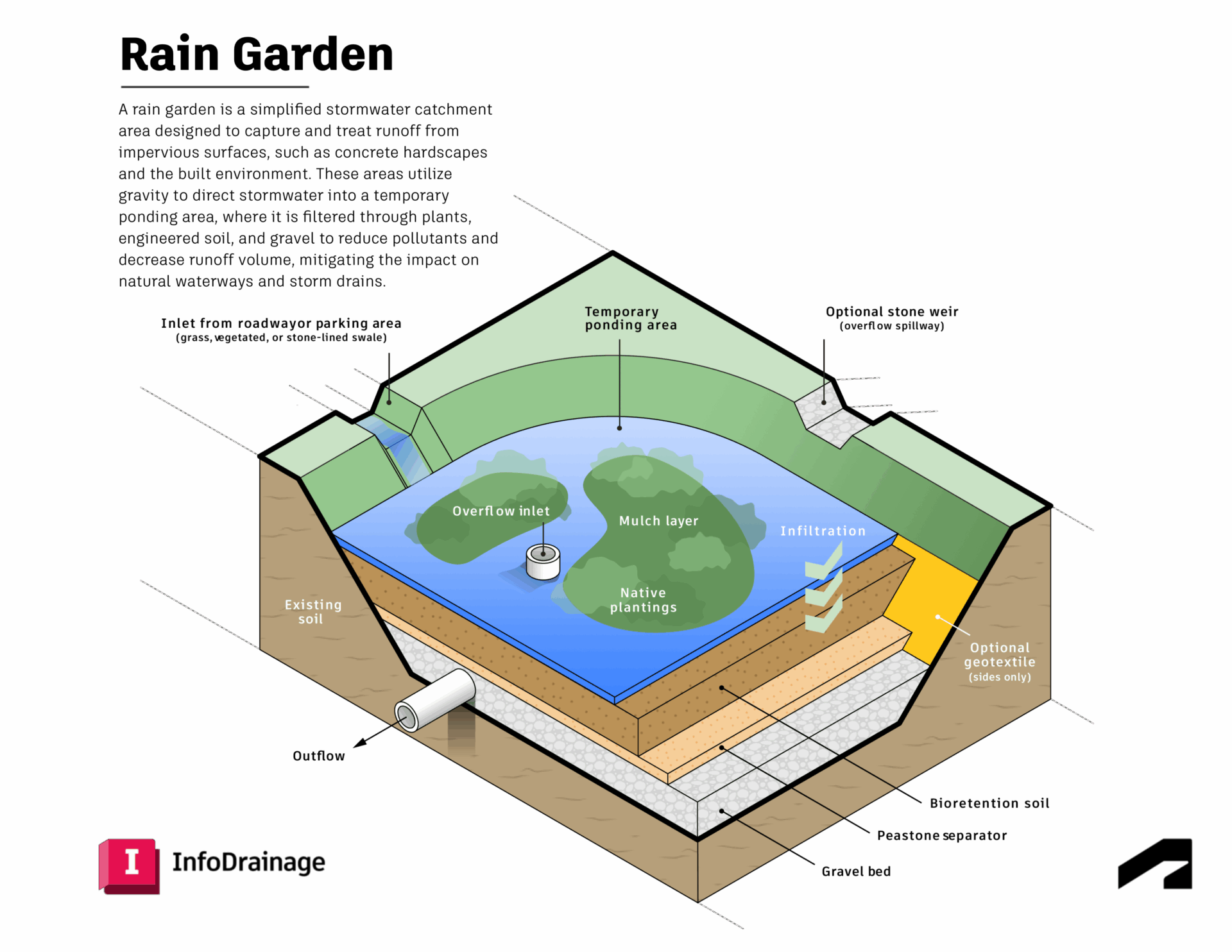
Rain gardens are a common feature of Sustainable Drainage Systems (SuDS) and are widely used in urban drainage design to manage stormwater and rainwater runoff, as well as promote sustainable drainage practices. In the urban environment, hard or impervious surfaces often block the natural process of infiltration, which means rainwater can’t soak into the ground.…
Drainage design
-
The role of wet ponds and infiltration basins in sustainable drainage design
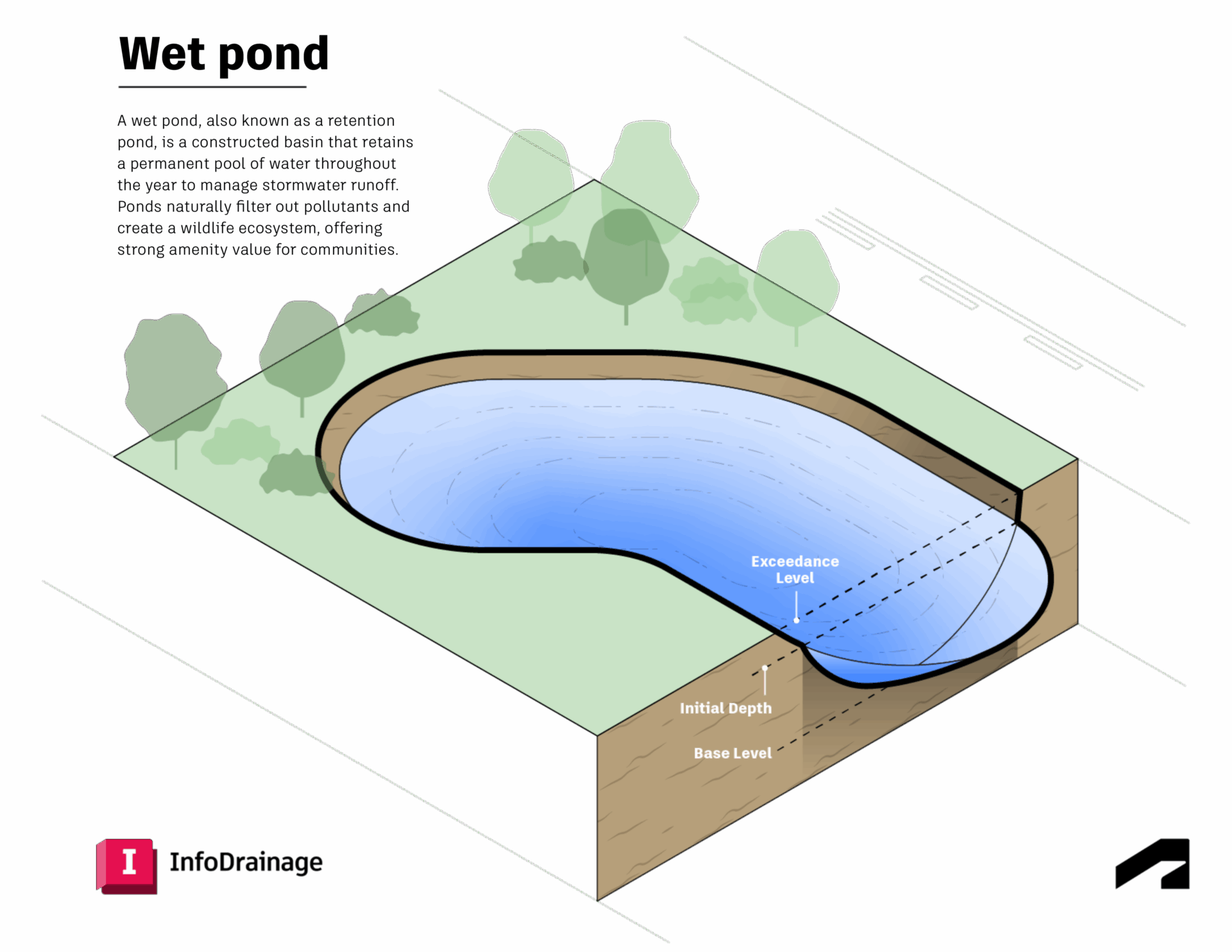
Wet ponds and infiltration basins are a common feature of Sustainable Drainage Systems (SuDS) and are widely used in urban drainage design to manage stormwater and rainwater runoff, as well as promote sustainable drainage practices. Ponds and infiltration basins are two of the most effective strategies in sustainable drainage design, offering multiple benefits beyond simple…
Storm, sewer, flood
-
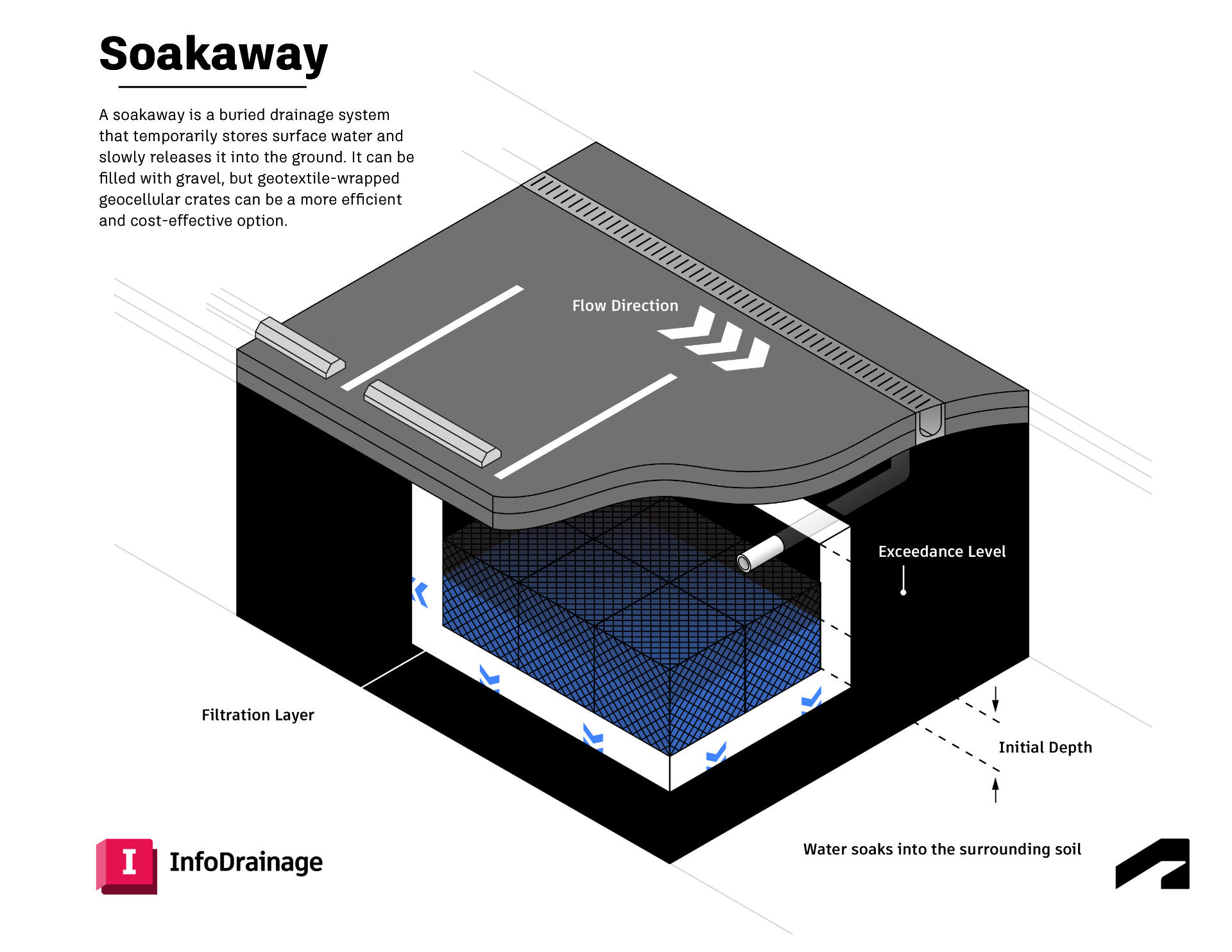
What are soakaways and how should they be designed?
Soakaways are a common feature of Sustainable Drainage Systems (SuDS) and are widely used in urban drainage design to manage stormwater and rainwater runoff, as well as promote sustainable drainage practices. Evolving weather patterns and increasing rainfall lead to water and drainage challenges for homes, businesses, and infrastructure. Developers must incorporate drainage systems in their…
Drainage design
-

What is a bioretention system and how does it help control stormwater runoff?
Bioretention systems are a common feature of Sustainable Drainage Systems (SuDS) and are widely used in urban drainage design to manage stormwater and rainwater runoff, as well as promote sustainable drainage practices. Bioretention is a stormwater management practice that harnesses natural processes to treat and manage stormwater runoff from impervious surfaces such as rooftops, driveways,…
Sustainability
-
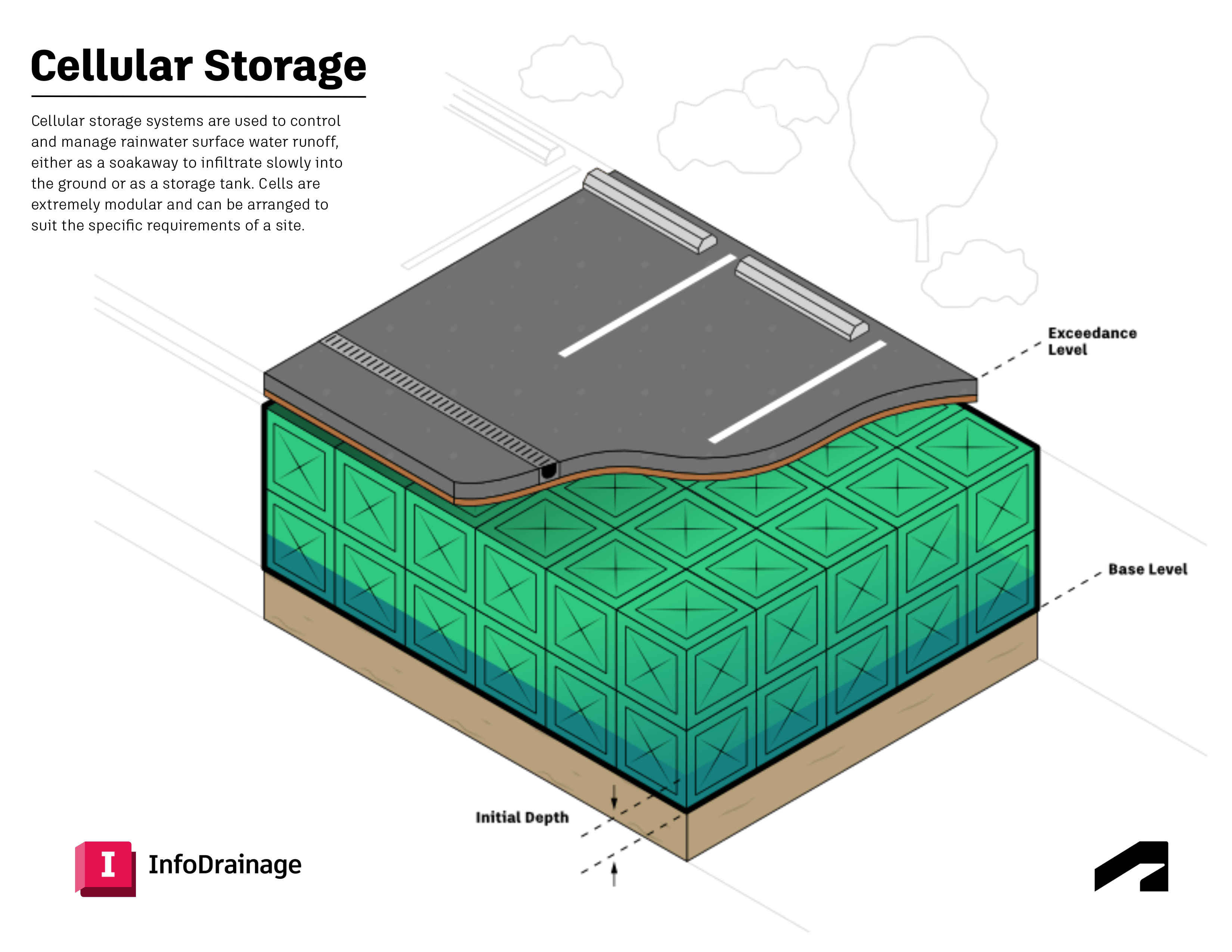
How does cellular storage work for stormwater control?
Cellular storage is a common feature of Sustainable Drainage Systems (SuDS) and are widely used in urban drainage design to manage stormwater and rainwater runoff, as well as promote sustainable drainage practices. Certain stormwater controls are designed in ways that effectively divert water away from a site – but not cellular storage systems. Sometimes also…
Drainage design
-
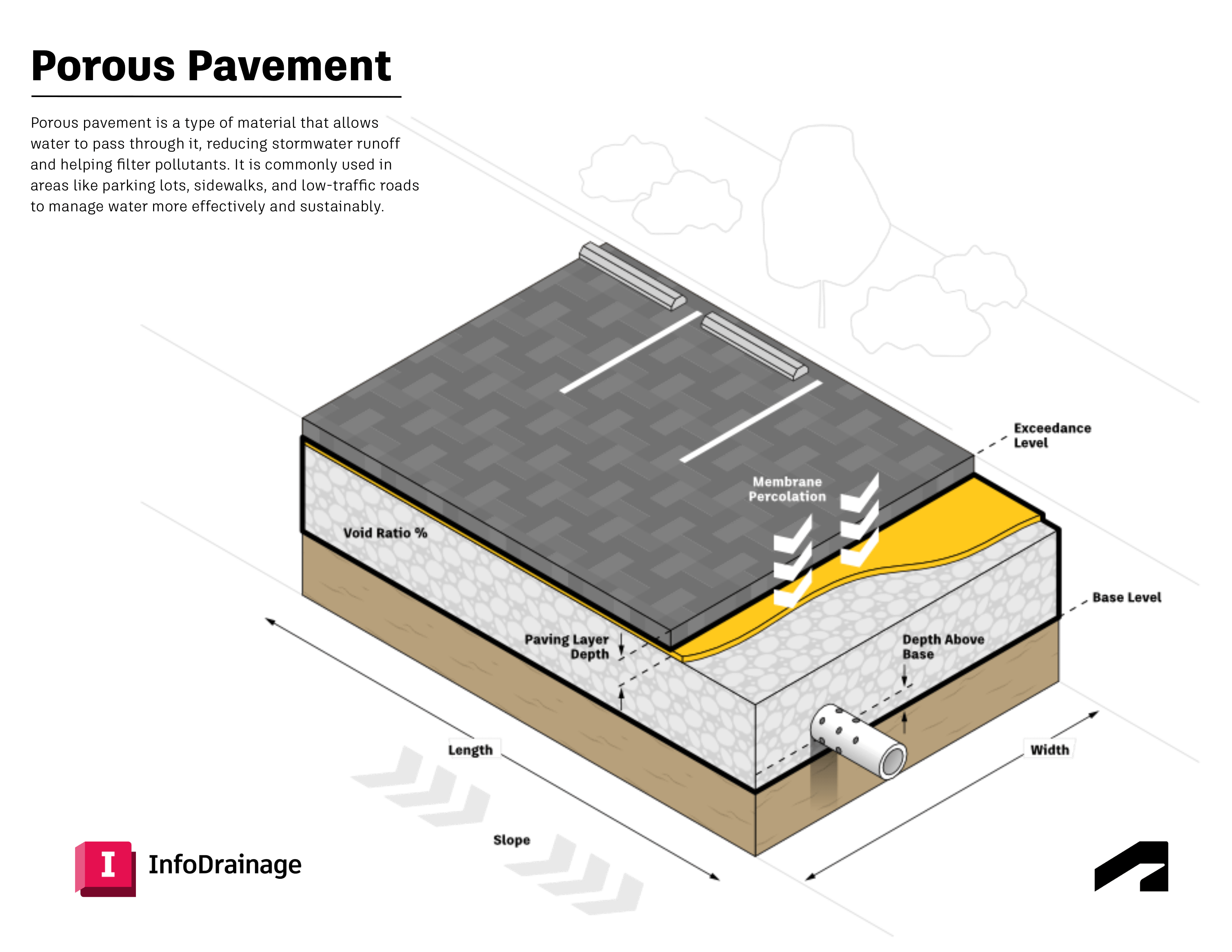
The benefits of porous pavement in drainage design
Porous pavement is a common feature of Sustainable Drainage Systems (SuDS) and are widely used in urban drainage design to manage stormwater and rainwater runoff, as well as promote sustainable drainage practices. Sometimes called permeable pavement, porous pavement is an innovative and environmentally friendly approach to managing stormwater runoff in urban areas. As cities have…
Drainage design
-
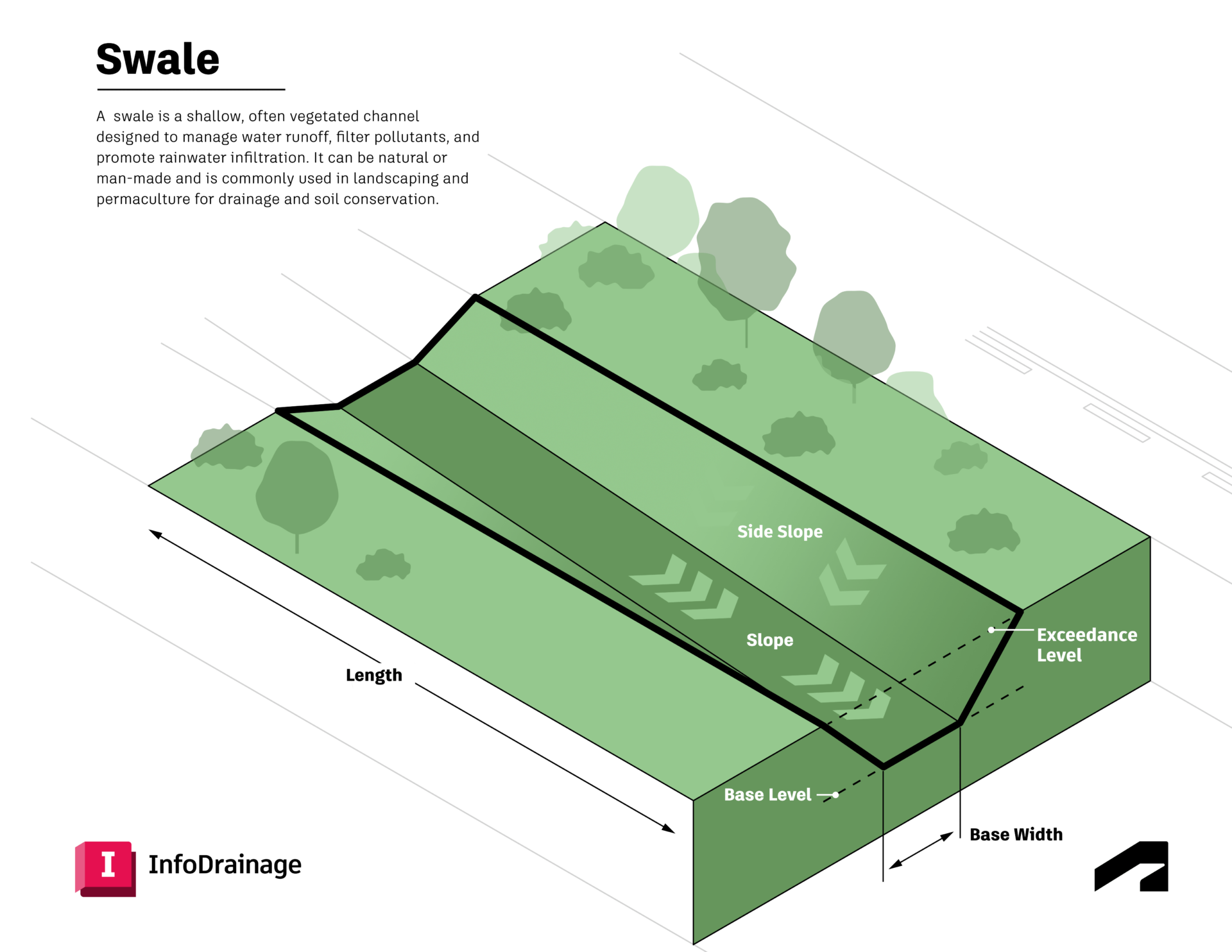
What is a swale – and how do they manage stormwater?
Swales are a common feature of Sustainable Drainage Systems (SuDS) and are widely used in urban drainage design to manage stormwater and rainwater runoff, as well as promote sustainable drainage practices. Swales are shallow, vegetated channels are designed to slow down, capture, and filter stormwater by controlling the flow of water through the swale, reducing…
Drainage design
-

What is an infiltration trench and how does it work?
Infiltration trenches are a common feature of Sustainable Drainage Systems (SuDS) and are widely used in urban drainage design to manage stormwater and rainwater runoff, as well as promote sustainable drainage practices. As the world’s drainage challenges grow, designers are constantly looking for new ways to handle stormwater. Commonly known as stormwater controls (SWCs), a…
Storm, sewer, flood