-

Optimizing Warehouse Throughput with Material Handling Strategies
Discover how optimized material handling strategies—such as zoned presorting, batching, and workflow redesign—can significantly increase warehouse throughput with Autodesk FlexSim. Introduction: Why material handling drives warehouse performance Material handling is one of the most influential factors affecting operational success in today’s distribution centers. In facilities that span hundreds of thousands of square feet, every second…
Production
-
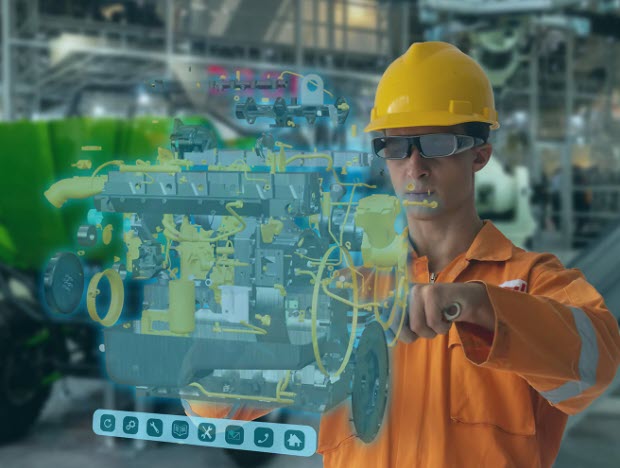
Digital Twin and Discrete-Event Simulation: Driving Efficiency Before the First Machine Starts
Explore how manufacturers use digital twins and discrete-event simulation to boost efficiency before production starts. It covers how simulation models system operation over time and how Autodesk FlexSim supports early decisions, factory planning, and ongoing process improvement. Today, manufacturing teams face important decisions well before installing equipment or starting a production line. To address this,…
Production
-

Agile Methodologies for Project Management: A Complete Guide for Modern Teams
Discover agile project management principles, frameworks, and benefits, plus how Autodesk solutions enable agile practices in design and manufacturing. Traditional project management approaches often struggle to keep up with shifting priorities, evolving customer needs, and rapid technological changes. Agile project management methodologies have emerged as a powerful alternative, enabling teams to deliver value faster, adapt…
Uncategorized
-
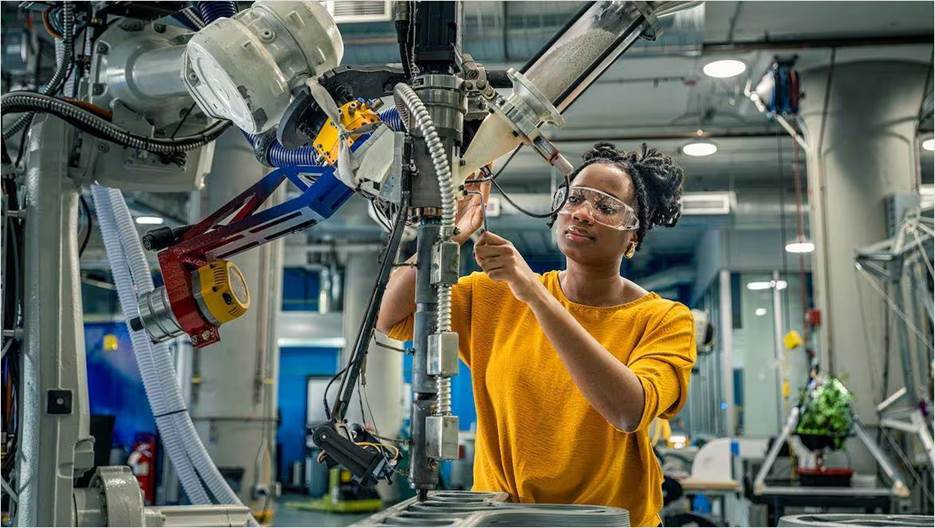
Building Flexible Manufacturing Systems for Unpredictable Markets
This article examines the importance of Flexible Manufacturing Systems (FMS) in navigating volatile markets. It explains how modular and reconfigurable setups help manufacturers pivot production and manage supply disruptions. Learn how Autodesk solutions, like Inventor and Fusion, facilitate agility through automated asset modeling, process simulation, and cloud collaboration. In modern manufacturing, volatility is the norm.…
Production
-
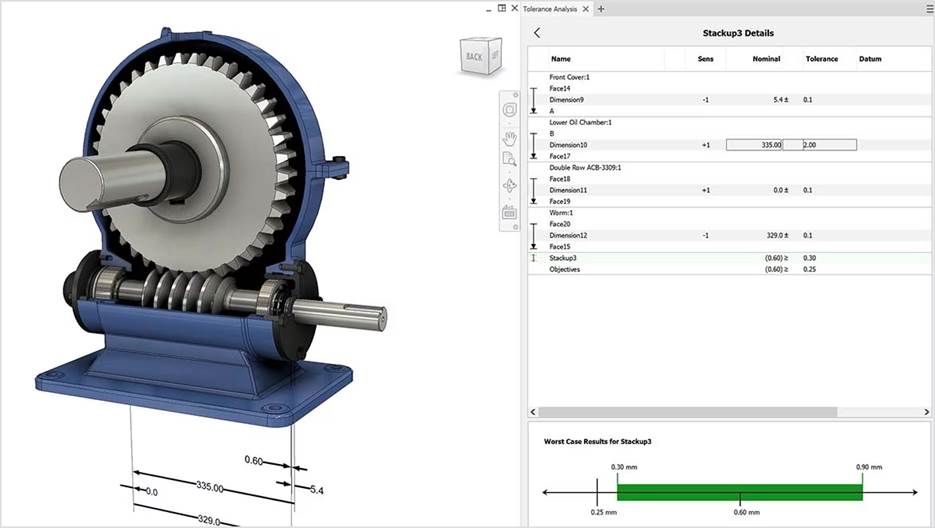
What Are GD&T Symbols and Why Do They Matter?
This article explains the five main categories of GD&T symbols: form, orientation, location, profile, and runout. It details how each category controls specific geometric variations. It also highlights how Autodesk Inventor integrates these symbols into 3D models using Model-Based Definition for automated tolerance analysis. What are GD&T symbols and why do they matter? Geometric Dimensioning…
Design & Engineering
-
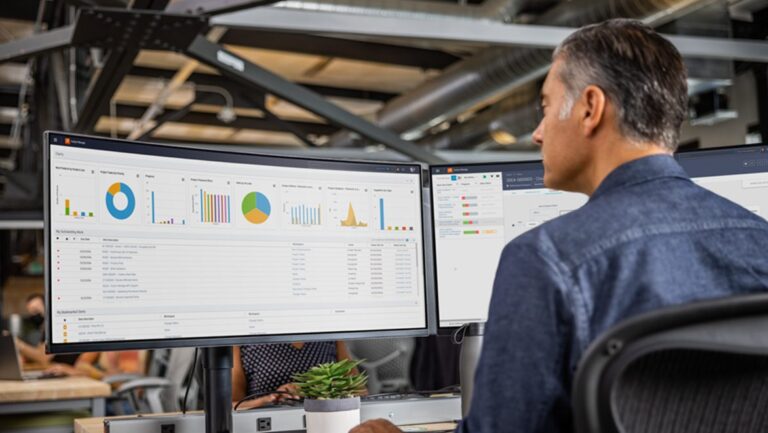
Accelerate Time-to-Market and Reduce Risk: The Six Phases of NPI Explained
Learn how structured NPI processes cut time-to-market by up to 50%, improve quality, and enable cross-functional collaboration for manufacturing leaders. Why NPI matters New Product Introduction (NPI) is the structured process that transforms ideas into market-ready products. Companies that implement formal NPI frameworks achieve 30–50% faster time-to-market and 40% fewer post-launch quality issues compared to…
Design & Engineering
-
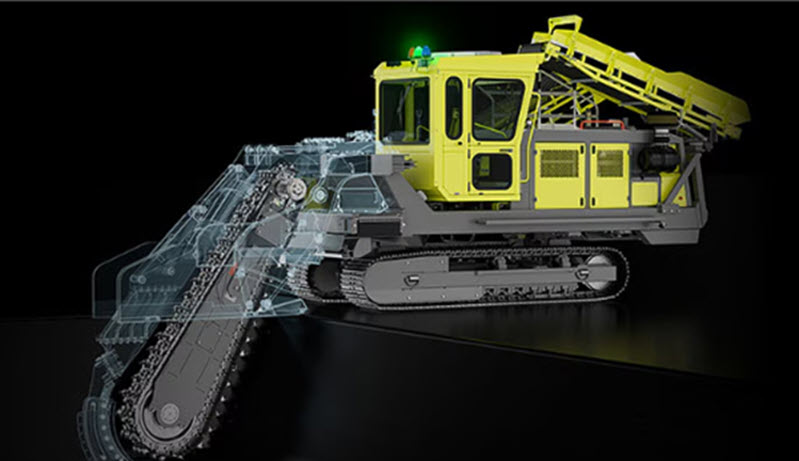
Unlocking Manufacturing Agility: How the Autodesk Product Design & Manufacturing Collection Drives Results
Discover how the Autodesk Product Design and Manufacturing Collection helps manufacturers overcome today’s challenges with integrated design-to-manufacturing workflows. Manufacturing today: Complex and demanding Manufacturing leaders face unprecedented complexity. Global supply chain disruptions, labor shortages, and sustainability mandates are reshaping the industry. At the same time, customers expect faster delivery of customized products without sacrificing quality.…
Design & Engineering
-
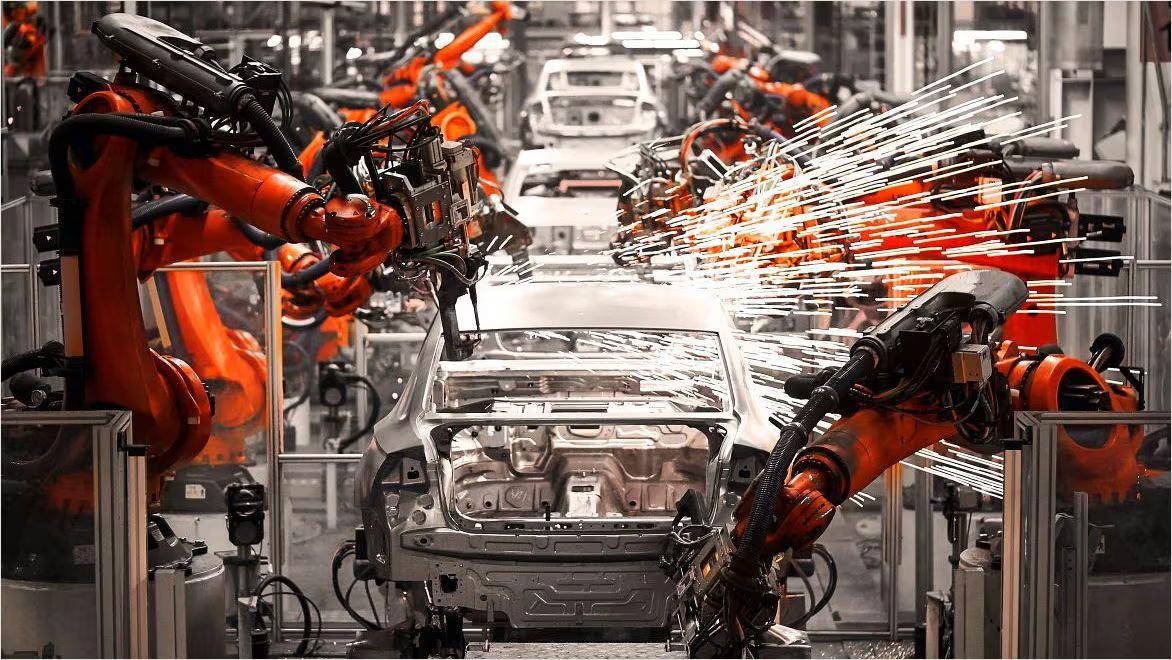
JIT Management in a Digital Manufacturing World
Explore how AI, IoT, and automation strengthen modern JIT management while addressing challenges related to supplier reliability and uncertain demand. As global supply chains become more interconnected, they become more fragile. In this context, successful just-in-time (JIT) strategies require more than traditional lean practices. They now need digital technologies capable of sensing, predicting, and adapting…
Production
-
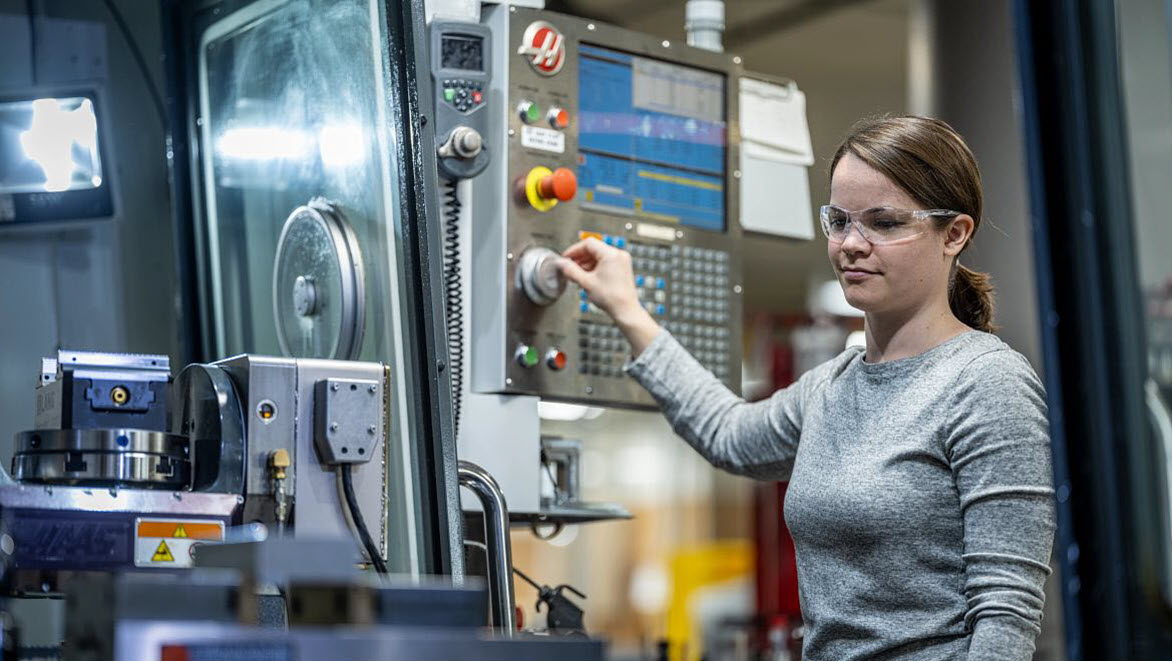
Unlocking the Full Potential of PDMC: Why Adding Fusion to Your Manufacturing Workflow Is a Game-Changer
Boost efficiency, cut costs, and accelerate production by adding Autodesk Fusion to PDMC workflows for a fully connected design-to-manufacturing process. If you’re already using Autodesk’s Product Design and Manufacturing Collection (PDMC), you know the value of having a comprehensive suite of tools for design and engineering. But what if you could take that workflow even…
Industry Cloud for Manufacturing
-
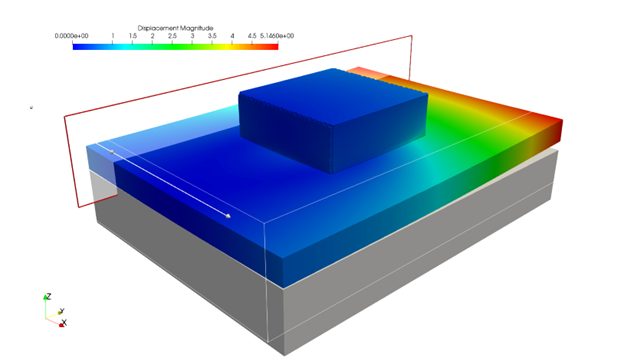
Validation of Multiscale DED for Netfabb simulation
Multiscale DED in Netfabb 2025.0 cuts steps ~2000× vs moving-source, runs in 8:34 with 5.0 GB RAM, and predicts distortion within 5.1% of scan. The challenge Until the 2025.0 release of Autodesk Netfabb Local Simulation, the only way to simulate the Directed Energy Deposition (DED) process was through detailed moving-source models. Moving-source models may be suitable…
Uncategorized
-
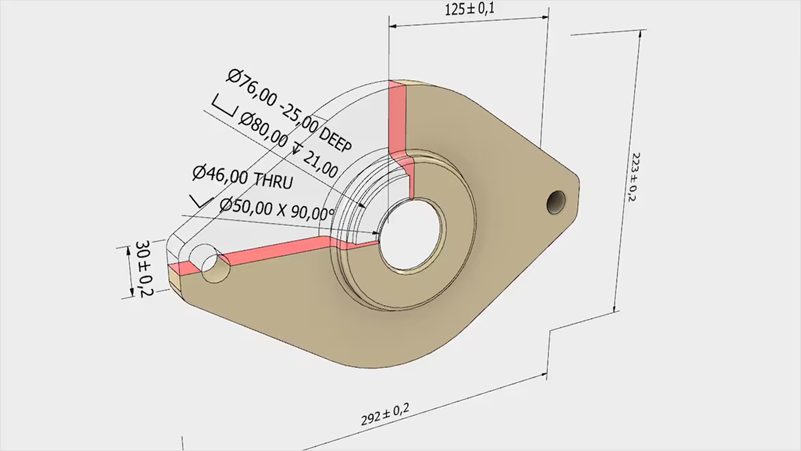
Complete Guide to GD&T Symbols: Geometric Dimensioning and Tolerancing
Discover the complete guide to GD&T symbols, their categories, standards, and practical applications across industries. Learn how Autodesk Inventor makes geometric dimensioning and tolerancing easier for beginners, improving design accuracy, manufacturing efficiency, and quality control. Modern manufacturing demands precision beyond basic dimensional tolerances. Engineers rely on GD&T symbols to communicate complex geometric requirements for critical…
Design & Engineering
-
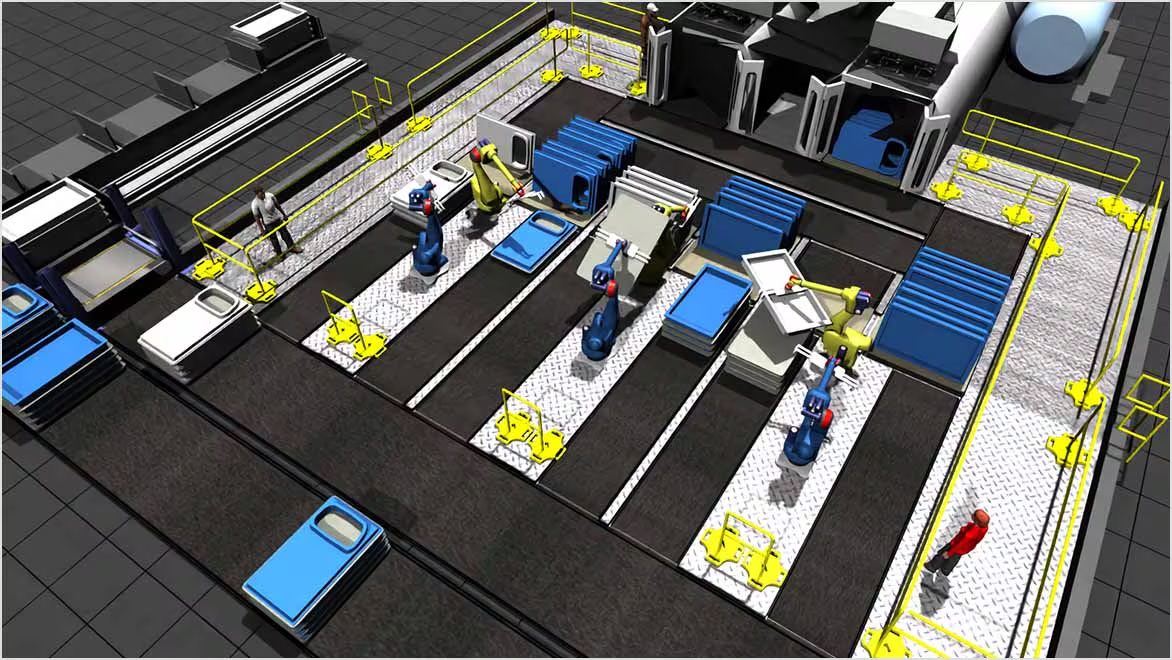
Digital Simulation and Throughput Optimization with Autodesk
Digital simulation is one of the most powerful tools for helping manufacturers optimize factory throughput. Learn how simulation strengthens planning and how Autodesk FlexSim provides a powerful platform for modeling production behavior and reducing operational risk. Today’s factories contend with blistering timelines, variable demand, and increasing product complexity. With so much pressure on manufacturers, every…
Autodesk FlexSim