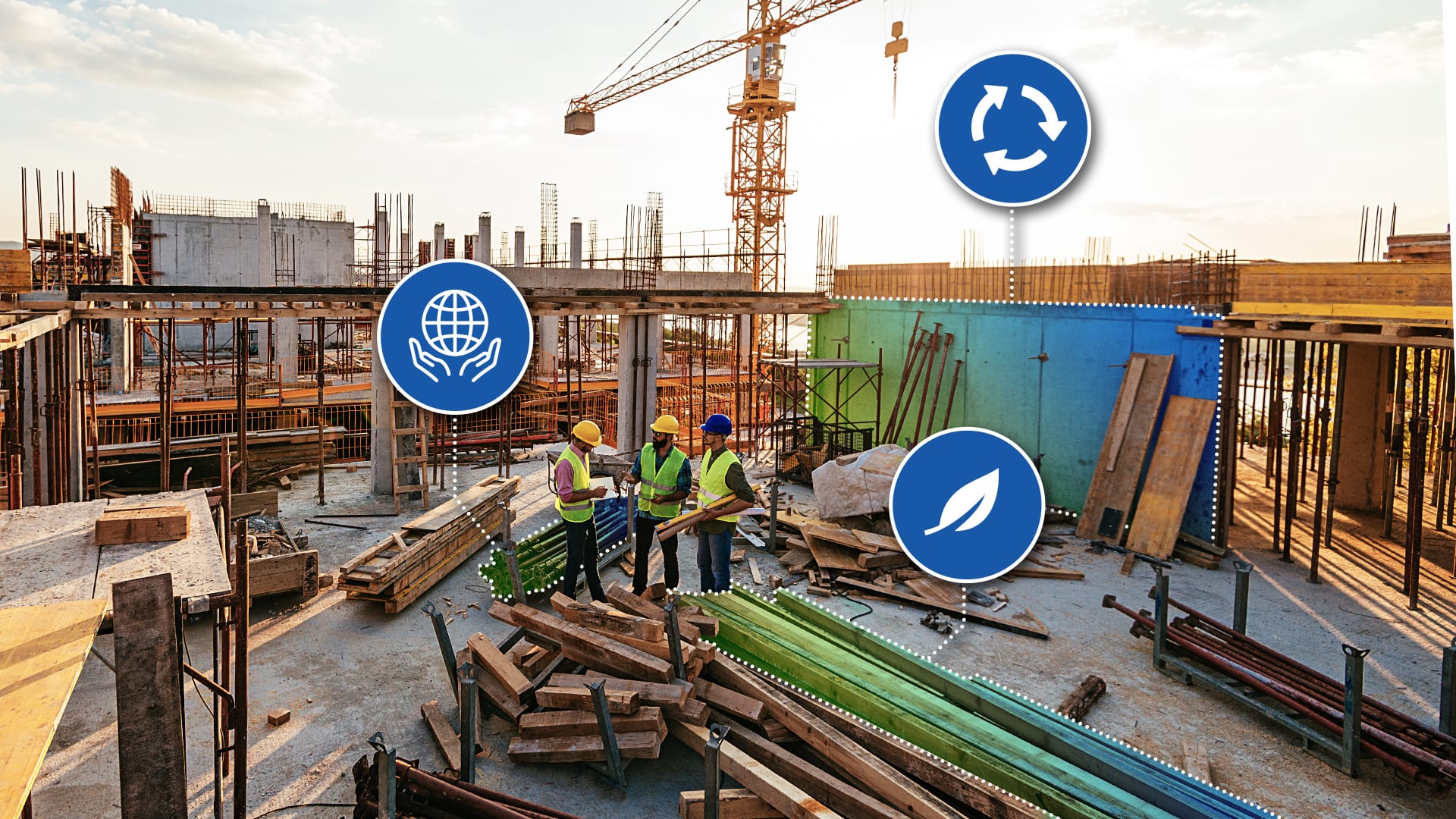
A topic that often comes up when discussing the future of construction is sustainability. The building sector is one of the largest contributors to greenhouse gas emissions (GHG), contributing to 37% of global emissions. Many of these emissions come from the production of materials. Traditional building materials like concrete and steel have a significant environmental impact. This is why the industry is increasingly shifting toward using sustainable materials to reduce carbon footprints and promote eco-friendly building practices.
The construction industry must do better to protect the environment. This is, after all, the only planet we can live in (that we know of), so promoting sustainability will serve us — and future generations.
The good news? Construction pros are already taking steps in the right direction. Builders are now exploring sustainable construction materials to replace things like concrete, which is a major source of emissions. The adoption of sustainable building material is becoming central to green construction practices, as owners, contractors, and the industry at large seeks innovative ways to improve sustainability.
This post rounds up some notable examples of sustainable construction materials. Have a look and see if you can use them in your projects.
Sustainable construction is rapidly becoming a priority in the construction industry as builders and developers seek ways to reduce the environmental impact of their projects and reduce costs overtime. By prioritizing sustainable construction materials and eco friendly construction methods, the industry can significantly cut down on carbon emissions and conserve valuable natural resources.
As the construction sector continues to build our physical world, adopting sustainable construction practices is essential for minimizing the carbon footprint of the built industry and combating climate change. By choosing eco friendly construction materials and focusing on energy efficiency, owners and contractors are contributing to build a greener future—creating buildings that are not only environmentally friendly, but also healthier for its end users and more cost-effective to operate.
The construction industry is increasingly turning to sustainable construction methods to reduce environmental impact and promote more responsible building practices. Pairing both innovative materials and processes together can play an immense role in significantly reducing environmental impact.
One example is precast concrete. It allows for more efficient production of building components offsite, reducing material waste and energy consumption at the construction site. Anther example is cross laminated timber (CLT). It's a form of mass timber that is gaining popularity as a sustainable alternative to conventional building materials due to its strength, visual appeal, and versatility while lowering the carbon footprint of new buildings. By adopting these environmentally friendly materials and more mindful construction methods in tandem, the industry can create more sustainable buildings and contribute to a healthier planet.
Also known as Engineered Cementitious Composite (ECC), bendable concrete is a type of concrete that can withstand bending. Unlike conventional concrete like Portland cement, which is brittle and can easily crack or break, bendable concrete is 500 times more resistant to cracking and is more effective at absorbing shock.
This is because ECC contains small, polymer-derived fibers that increase the material's ductility. While bendable concrete is made up of the same ingredients as its traditional counterpart, it' uses less coarse aggregate than traditional mixes, reducing its environmental impact. It’s these fibers that make ECC more flexible and durable.
Bendable concrete is also more sustainable. It can be infused with carbon dioxide, which strengthens the concrete while using less cement and lowering carbon emissions.
ECC's ductility also decreases the financial and environmental costs of buildings. Whereas traditional concrete breaks easily and typically require repairs, bendable concrete can withstand higher amounts of pressure. This means it doesn't have to be maintained or repaired as often, so builders spend less time, resources, and carbon output when using it.
Bendable concrete has been around for decades and has proven to be durable and effective. For instance, the ECC link slab that was used to replace a conventional expansion joint on a Michigan bridge deck has lasted over 10 years without maintenance or repairs.
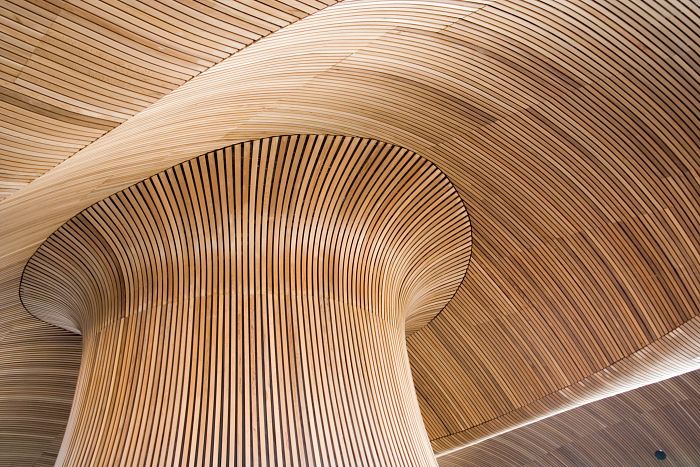
Mass timber products are created by mechanically bonding various types of softwood to form large, prefabricated wood components. It can come in several forms, including cross-laminated timber (CLT), laminated strand lumber (LSL), laminated veneer lumber (LVL), nail-laminated timber (NLT), and glue-laminated timber (GLT).
Mass timber has been gaining traction in the United States, and builders are increasingly using it for things like roofs, floors, beams, columns, and more.
On the sustainability side, mass timber serves as a viable substitute for traditional construction materials like steel and concrete, which have a higher carbon footprint. Using mass timber instead of conventional building materials can significantly reduce emissions. That being said, while mass timber is a renewable resource, it's still critical to ensure you are sourcing from sustainably managed forests that prioritize key environmental standards like water quality, biodiversity, and regeneration.
A study published in the Journal of Building Engineering compared the environmental impact between a reinforced concrete building and a hybrid CLT commercial building and found that “an average of 26.5% reduction in the global warming potential is achieved in the hybrid CLT building compared to the concrete building, excluding biogenic carbon emissions.”
What's more, buildings made with mass timber can be constructed faster and with less waste, further reducing the environmental impact of projects.
T3 (Timber, Technology, Transit) Minneapolis is a great example of mass timber construction. It is the first commercial building in the United States to use wood as its main structural element as well as in its interior design. And another example is 1 De Haro in San Francisco. This project from Permins&Will is the city's first cross-laminated (CLT) building as well as California's first multi story, mass timber building.
Learn more about the future of mass timber in construction:
Reusing and recycling materials have long been key tenets of sustainability. Construction pros can apply these green principles by opting to use salvaged materials in their projects. Doing so gives construction materials a second life and helps keep waste out of landfills.
In some cases, purchasing recycled materials can also lower costs and improve the aesthetics and functionality of a building. Nonetheless, most projects will require certain quality standards if salvage materials are used on site in order to preserve safety and lifespan of project. Common examples of materials salvageable include reclaimed wood, recycled steel, bricks, and glass.
The Kendeda Building for Innovative Sustainable Design at Georgia Tech is one example of a project that involved salvaged materials. Skanska USA Project Manager Jimmy Mitchell used several materials to construct the building.
Jimmy recycled old slate shingles from the roof of the Georgia Tech Alumni Association building and used them on the walls and floors of the new building's shower rooms and restrooms. He also made use of lumber from storm-felled trees on the campus, and leveraged them to make counters and benches inside the Kendeda building. Meanwhile, the heart pine joists, which were originally part of Tech Tower, were converted to threads used in the new building's staircase.
Another sustainable alternative to conventional construction materials, bamboo is highly flexible, allowing builders to use it for both structural and decorative purposes. Bamboo is considered one of the leading bio based materials and a renewable resource. It's also easy to find and source bamboo, as the tree grows in various regions of the world.
What's more, bamboo produces very little waste. A whole stem of a bamboo tree can be used in construction, and any pieces left over are compostable, which means they naturally break down back to the earth.
The Tiing Hotel in Bali used bamboo together with concrete to build textured walls that blended well with the location's natural surroundings.
In an interview with Dezeen, hotel architect Nic Brunsdon said, "The materiality of this project aims to work within the local context, construction techniques, resources, and climate – a rugged regionalism... In a tropical climate, a clean finish would require much maintenance; here, the material will weather in, enhancing the character of the architecture and place."
Watch to learn more about the future of bamboo in construction:
The words “mushrooms” and “construction” don’t typically belong in the same sentence, but mycelium fungi may start to change that.
Mycelium is the vegetative structure of a fungus and when dried, it is highly durable and resistant to mold, water, and fire. Like bamboo,this eco-friendly construction material is organic and compostable, so it leaves little waste and has virtually no negative impact on the environment.
When combined with materials like timber, sawdust, and demolition waste, mycelium can be molded into bricks used for constructing buildings and their parts.
Furthermore, other bio-based materials have have been recently gaining attention for their sustainable properties. For instance, "living concrete" has been touted by its ability to self-heal cracks. Most recently, lichens have been tested and showing promising results in its ability to heal cracks in concrete without human intervention. These materials could help extend the lifecycle of buildings and infrastructure, reducing the heavy environmental tax of more routine repairs and rebuilds.
Materials like mycelium isn’t used at a massive scale yet, but there are a few notable examples. In 2014, an organic brick structure knowns as Hy-Fi was built in Queens, New York. Created as part of MoMA's Young Architects Program, the building used organic, biodegradable bricks made out of mycelium.
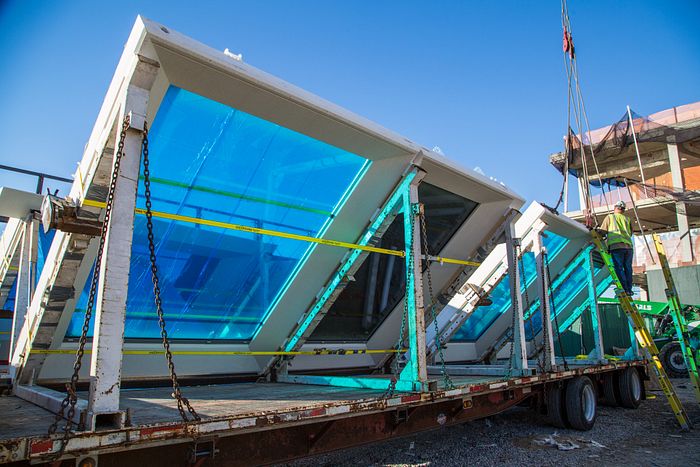
Precast concrete is created offsite before being transported to the jobsite. Unlike site cast concrete, which is poured, molded, and cured on-site, precast concrete is cured in the manufacturer'’s facility and, where a controlled curing process enhances product quality and sustainability, before being shipped to the construction site.
Precast concrete slabs are more sustainable because they take less energy and materials to produce. You can also reuse construction processes such as molds and forms, and manufacture precast concrete to exact measurements, reducing waste and ensuring a proper fit during installation at construction sites. In one such example, 3D-printed concrete molds allowed Gate Precast to build the facade of the former Domino Sugar factory in Brooklyn, New York.
Some of the world’s most famous structures use this sustainable building process for materials. For instance, the shells on the roof of the Sydney Opera house are made of precast concrete.
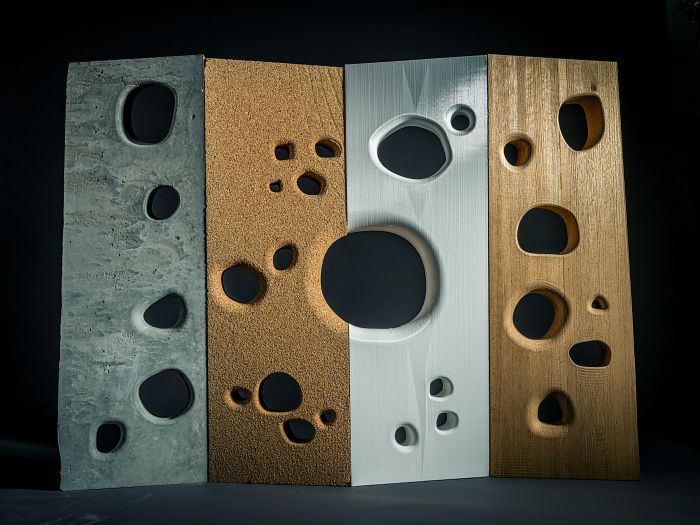
3D printing can have a major impact on construction productivity and sustainability. 3D concrete printing allows you to digitally design any shape and bring — or rather print — it to life in the real world.
Unlike traditional construction, which uses up plenty of energy due to having to transport materials and go through the building industry's supply chain complexities, 3D printing allows builders to design and construct faster, thus saving time, money, and energy. And because the formwork is reusable, 3D printed concrete produces less waste.
This energy-efficient construction method is being used to construct the longest 3D printed bridge in the world. Located in the city of Nijmegen in The Netherlands, the bridge is being constructed at Europe’s first industrial and commercial 3D printing factory established by Royal BAM Group nv (BAM) and materials company Saint-Gobain Weber Beamix (Saint-Gobain).
Recycled concrete is paving the way toward a greener future in the construction industry, embodying a amazing fusion of sustainability and innovation. This method gives old concrete from demolished structures a second life, marking a significant step in reducing our environmental footprint. By utilizing recycled concrete, construction teams are not just repurposing materials; they’re revolutionizing how we think about construction and its impact on the planet.
Through recycling concrete, construction professionals are tackling one of the industry’s most pressing challenges, waste reduction. By transforming waste into a resource, teams can approach the growing demand for sustainable construction, offering a durable, cost-effective alternative to those benefits both the environment and the bottom line.
The process of recycling concrete is straightforward and begins by collecting concrete rubble from various demolition sites, old sidewalks, and even defunct buildings. This concrete then goes through a process where it is pulverized/crushed. After crushing, the concrete is screened to separate the recyclable concrete from unwanted items such as asphalt, metal or wood chips. The concrete is then cleaned using separators or even hand-picking to make sure that the highest quality of sustainable building materials is ready for its next role.
You can check out how recycled concrete was used to build Upcycle Studios. By recycling around 850 tons of concrete from the construction of the Copenhagen Metro Lendager Group was able address some of the housing problems in Denmark while also reducing C02 emissions.
Many professionals in the construction industry can agree that sustainability is an important issue that we must come together to address. This is causing many to create new and exciting construction techniques that help address sustainability and efficiency. We’re not just building; we’re rethinking the blueprint of construction for a greener future.
While the shift toward sustainable construction materials is gaining momentum, the construction industry still faces several challenges in achieving ambitious reductions in carbon impact.
One major hurdle is the higher upfront cost of some sustainable construction materials and methods, such as low carbon concrete and 3D printing, compared to conventional options. Furthermore, the lack of standardization and certification for environmentally friendly materials can make it difficult for builders to confidently select the best options for their projects. Many of the materials listed above are still in its early days of use. Large scale projects that need as much predictability as possible would not gravitate to more untried materials until mainstream adoption occurs.
Additionally, measuring the overall carbon impact of materials and methods on a project, also known as the embodied carbon, remains a challenge for many owners and contractors. However, this measurement is critical to conduct in early project phases to identify the best materials and more sustainable methods to pursue. Thankfully, new carbon tracking tools are making it easier than ever for construction firms to select the lowest impact materials and building methods for future projects.
Despite these obstacles, growing demand for sustainable construction is driving the development of more cost-effective and accessible solutions, paving the way for a more environmentally friendly future in the industry.
There are several paths towards sustainability and the best course of action depends on your business.
A good way to get started with more environment-friendly building practices is to do your research. Figure out what’s right for you by exploring the different construction materials in the market and testing them in your projects.
Looking to lower your carbon impact from the start of construction? Check out our EC3 integration with Autodesk Takeoff.