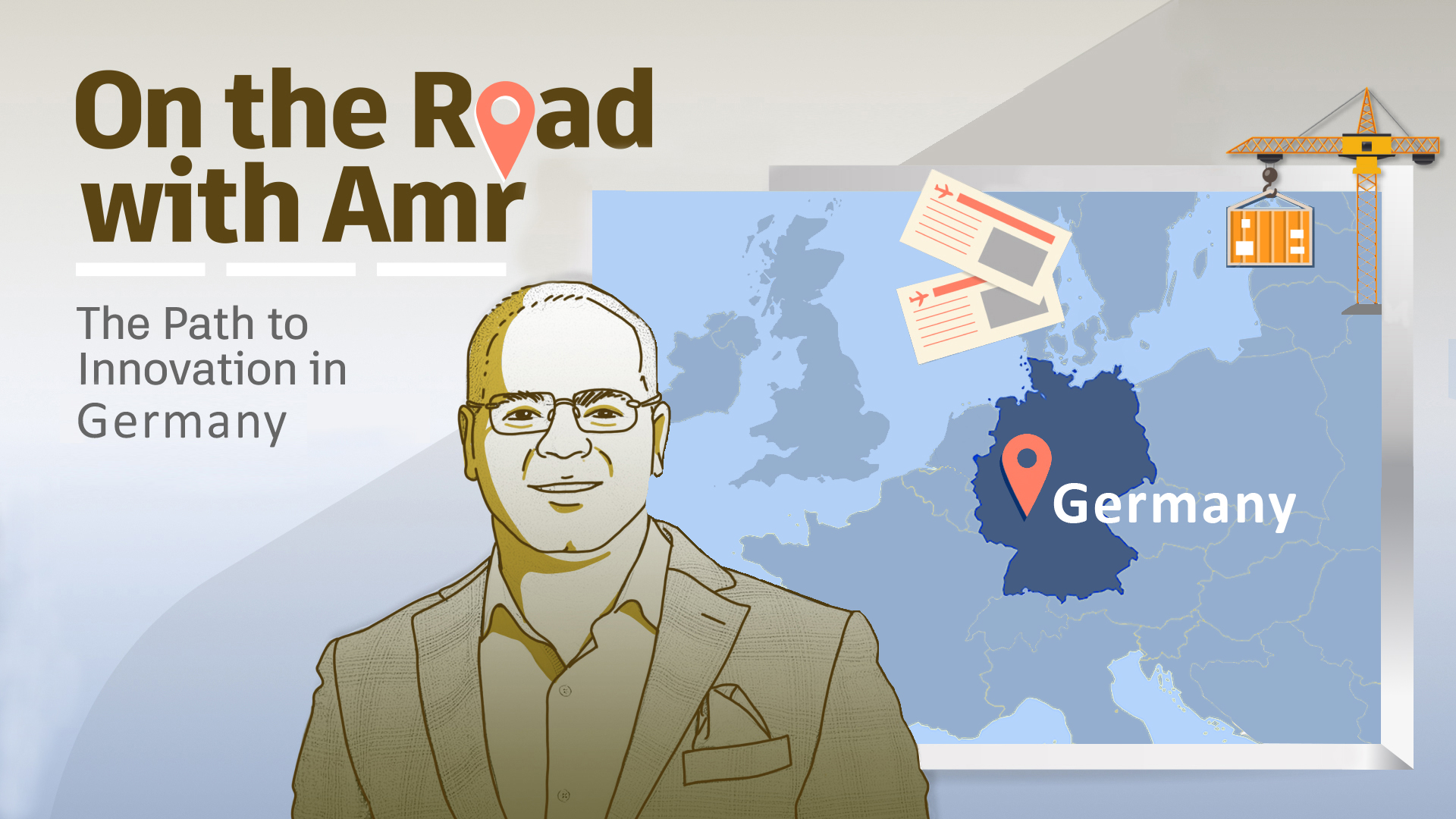
Stuttgart, Germany, is a city shaped by engineering excellence, innovation, and manufacturing. Surrounded by rolling hills and vineyards, the region combines historic character with a culture of precision and problem-solving that has helped shape some of the world's most recognized industrial and technology organizations.
During my visit to the STRABAG Innovation Center, I had the opportunity to sit down with Simon Jagenow, Subdivision Manager of Innovation & Digitalization, to discuss how one of Europe's largest construction companies is transforming project delivery through digitalization, AI, industrialized construction, and connected workflows.
What became clear throughout our conversation was that innovation at STRABAG is not driven by technology alone. It is driven by a commitment to creating measurable business value through scalable processes, connected information, and solutions that scale across projects, teams, and regions.
Watch the full interview below to hear more insights from Simon and learn how STRABAG is approaching innovation at scale across the construction industry.
One of the biggest challenges facing global construction organizations is scaling innovation consistently across projects, teams, and geographies. STRABAG's approach centers on standardized workflows, connected data, and practical implementation strategies that make BIM, VDC, and digital delivery accessible without adding unnecessary complexity.
Throughout our discussion, Simon emphasized that successful innovation requires more than introducing new technologies. It requires establishing a foundation that enables proven solutions to be adopted consistently across business units, countries, and project types while remaining aligned with the realities of construction operations.
Rather than treating innovation as a collection of isolated initiatives, STRABAG focuses on creating a clear path for successful ideas to move from pilot projects into everyday operations across the organization. This approach helps accelerate adoption, improve consistency, and ensure innovation delivers measurable value across the business.
A recurring theme throughout our discussion was the need to rethink traditional project delivery rather than simply adding new technology to existing processes.
Today, many projects still rely on fragmented handoffs between architects, engineers, consultants, contractors, and owners. STRABAG is focused on creating more connected workflows that better align design, construction, manufacturing, and operations, enabling teams to make more informed decisions earlier in the project lifecycle.
The conversation reinforced the importance of connecting data, people, and processes across the project lifecycle. By improving information flow and reducing fragmentation, organizations can enhance collaboration, make better decisions, and create more predictable project outcomes while supporting the growing complexity of modern construction.
Industrialized construction continues to play an increasingly important role in STRABAG's innovation strategy. From modular workflows and mass timber applications to manufacturing-driven processes, the focus is on creating more efficient, predictable, and scalable project delivery models.
Our discussion also explored how AI is helping organizations unlock the value of information already generated throughout the project lifecycle. Rather than viewing AI as a standalone technology, STRABAG sees it as a way to connect knowledge, improve access to information, and support better decision-making. As experienced industry professionals retire, preserving lessons learned and operational expertise through connected data becomes increasingly important. Together, AI and structured information have the potential to help ensure valuable knowledge remains accessible to future generations of construction professionals.
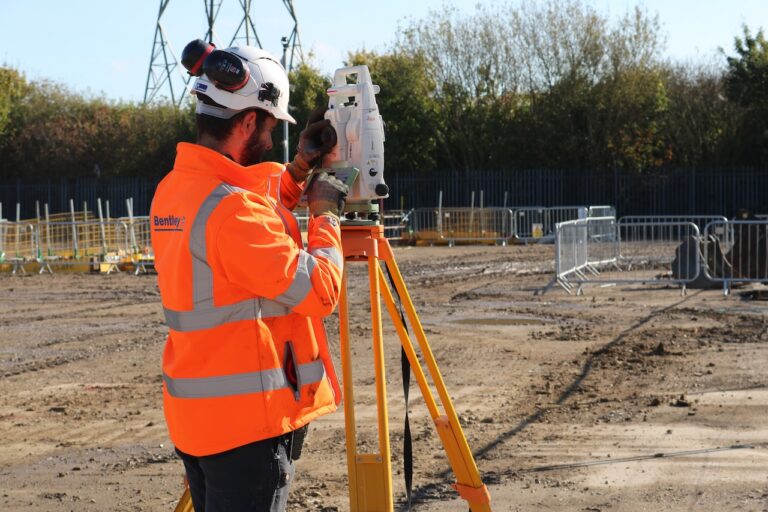
Reality capture, laser scanning, and BIM-based QA/QC workflows are becoming increasingly important tools for validating construction progress, improving coordination, and reducing rework.
By connecting field conditions with digital project information, teams can identify issues earlier, improve quality control, and gain greater visibility into project performance. These technologies help create a more accurate understanding of project conditions while supporting better collaboration between office and field teams.
The conversation highlighted how reality capture and connected digital workflows are helping bridge the gap between the physical and digital jobsite, creating more reliable project outcomes and supporting data-driven decision-making throughout construction.
One of the strongest takeaways from the interview was STRABAG's focus on measurable outcomes. Whether discussing AI, industrialized construction, connected workflows, or reality capture, the conversation consistently returned to improving project delivery, reducing risk, and increasing efficiency.
By focusing on scalable solutions, standardized processes, and operational value, STRABAG is ensuring that innovation delivers lasting impact across the organization.
My conversation with Simon reinforced a clear direction for the future of construction: success will increasingly depend on how effectively organizations connect people, processes, and data across the full project lifecycle.
What stood out most was that the industry's transformation is not being driven by any single technology. Whether the discussion focused on AI, industrialized construction, reality capture, or connected workflows, the common thread was a commitment to creating more intelligent, efficient, and scalable ways of delivering projects.
In many ways, that mindset reflects the same spirit of engineering excellence, innovation, and problem-solving that has long defined Stuttgart itself. As construction continues to evolve, the organizations that will lead the industry will not necessarily be those adopting the most technology, but those most successful at connecting technology, people, processes, and data into scalable ways of working. STRABAG's approach demonstrates how innovation becomes most powerful when it moves beyond ideas and delivers measurable outcomes across projects, teams, and the built environment.