Architecture, engineering, construction, and operations (AECO) teams rely on an expanding ecosystem of digital tools to plan, design, build, and operate more efficiently. These tools make the greatest impact, and unlock the most capacity for their uses, when the technologies work together with data flowing across systems. Integrated software tools that link design, construction, and operations workflows reduce friction, strengthen collaboration, and turn project data into actionable insight, so teams spend less time bridging gaps and more time making informed decisions.
To help teams take advantage of more connected workflows, we’re highlighting 22 of the newest integrations across Autodesk AECO Solutions. Spanning visual intelligence, 3D mapping, AI-powered insights, and more, these new integrations help teams connect their tools, align processes, and get greater value from the technology they already use.
 ATOM is a real-time construction supervision platform that uses crane-mounted cameras and drones to monitor construction sites across buildings, infrastructure projects, and data centers. ATOM provides automated analysis of structural elements, including slabs, columns, walls, MEP locations, reinforcement details, and PT cables, identifying deviations between design and actual execution. Through its new integration with Autodesk Forma Build, project teams can receive, track, and manage ATOM-generated issues directly within their existing workflows.


 Breadcrumb is a jobsite safety tool that enables everyone on site to complete and document safety processes quickly, consistently, and without breaking stride. Breadcrumb's new Forma Build integration means site-specific safety plans, JHAs, orientations, PTPs and permits flow straight into Autodesk Forma, and real-time manpower counts push directly into Forma Build forms.
 Conduit is an AI platform that helps architecture and engineering teams find what’s already been solved, automate what hasn’t, and keep their tools working as projects change. Teams describe a workflow in plain language, and Conduit helps them work through the approach, build and deploy a tool, and maintain it over time. With workflows across Revit, AutoCAD and Autodesk Forma, teams can turn repetitive tasks into reusable tools and share them across the firm. Colleagues can discover, reuse and adapt those tools instead of starting from scratch on every project.
 GAMMA AR overlays BIM models on-site with augmented reality to prevent rework and delays. Through its existing integration with Autodesk Forma, customers can import 3D models directly into GAMMA AR as well as synchronize Forma Build Issues and Assets to streamline issue tracking and resolution. Now, field teams can synchronize their Forma Build form templates, including PDF forms, into GAMMA AR, complete them in augmented reality with the BIM model overlaid on the work in front of them, and sync the completed forms back to Forma Build, for QA/QC, commissioning and handover.
 Krane is an AI-native construction procurement and material management platform for GCs, owners, and subcontractors that helps identify risks before they impact the schedule. By connecting Autodesk Forma project data and documents with Krane, project teams can streamline procurement, submittal tracking, delivery coordination, and supply-chain risk management.
 NirmaanXD is an AI-native web-based SaaS product that lets you create model-based visual plans for the field. Project teams can now import models from Autodesk Forma directly into NirmaanXD, and create a detailed WBS and Schedule from those models. Among its many unique features, NirmaanXD supports easy area creation in 2D & 3D, quantity & duration validations, 4D simulation, and progress tracking.
 Nomic is the domain-specific AI platform for architecture, engineering, and construction firms. Nomic's always-on, end-to-end agent delivers engineering work inside the tools firms already use, like Autodesk Forma. The integration provides the Nomic agent access directly into Autodesk Forma, enabling Nomic's AI capabilities inside critical workflows including drawing reviews and submittal reviews, without migrating project data out of Autodesk's ecosystem.
 Outbuild is a scheduling intelligence platform for construction that connects the field, the office, and leadership around a single source of truth. With the Outbuild and Autodesk Forma integration, Submittals, RFIs, and Drawings sync directly into Outbuild, bringing critical project context into your schedule.
 PrimePoint is a construction intelligence platform powered by Marvin, its construction AI that turns project drawings, specs, and documents into completed work. From preconstruction to closeout, Marvin reviews drawings and submittals, drafts RFIs, and identifies changes and constructability issues, with outputs that trace back to the exact source for teams to review and approve. PrimePoint can ingest drawings and other documents directly from Autodesk Forma, giving Marvin the project context to move everyday work forward.
 ProjectReady’s Workbridge solves cross-platform and cross-sta keholder collaboration for the AECO by connecting key industry tools and their associated data. Its newest integration connects Bluebeam with Autodesk Forma: project teams launch Bluebeam sessions with Forma content directly from WorkBridge and lock files in Forma during review to prevent conflicts. When the session ends, marked-up files are returned to Forma automatically and can be sent to other connected platforms if necessary. No manual downloads or uploads with a full audit trail.
 Qflow is a digital platform that captures real-time materials and waste data, all through a simple photograph. The resulting data gives project teams more confidence in reporting on cost and carbon, and automated cross-checks against specifications mean quality assurance has never been easier. Issues identified by Qflow are synchronised into Autodesk Forma Build, enabling teams to manage quality, compliance and material-related issues within the same environment used to coordinate construction.

 Slate Technologies delivers AI-powered project intelligence by combining historical project data, real-time activity, and design information to help construction teams predict and mitigate risk. Through its integration with Autodesk Forma Build, Slate analyzes Submittals, RFIs, documents, and drawings alongside historical project patterns and AI-generated Lessons Learned to identify potential cost and schedule risks before they escalate. This enables owners, general contractors, and EPCs to shift from reactive reporting to proactive decision-making, applying insights from past projects to improve outcomes across the project lifecycle.
 SmartPM is a project controls intelligence platform that transforms construction schedules into actionable insights on project performance and risk. The new integration with Autodesk Forma Build connects RFIs and submittals to schedule analytics, helping teams identify which open items pose the greatest risk to project delivery and prioritize action.
 Unbane is a voice-first interface designed for the realities of onsite construction. It owns and runs your SOPs, so onsite teams only ever make or answer a phone call from an AI agent. Now, field teams can complete a safety observation or daily log in a two-minute phone call with an AI voice agent, and Unbane files it as a structured record in Forma Build.
 Bimeco Validator checks your Revit model against IFC+SG requirements as you work, helping you identify issues earlier and export with confidence.
 BltSmrt’s Maestro is a Revit automation platform built to scale. Maestro helps firms create Python scripts with AI assistance, deploy existing Dynamo workflows, and manage custom Revit ribbons. With centralized management and instant deployment, teams can streamline workflows and scale their automation efforts across the organization.
 Kestrel analyses BIM models against applicable building code requirements and identifies potential compliance issues during design, before they become costly problems during review and permitting. Compliance checks can now be run directly within Revit, with findings liked to specific model elements and relevant code provisions.
 Nexal is a connected engineering design platform for the process industries. Teams design on an infinite, multi user canvas, where a node based P&ID is the single source of truth. Every MEICA document is created and populated with its metadata from that model, from schedules, specifications and single line diagrams to calculations, compliance datasheets, document registers and more. Once the design is complete, a single Nexal code pushes the P&IDs to either AutoCAD Plant 3D or AutoCAD, where they can be reconciled and brought into Revit with their metadata.
 VIKTOR is the platform that turns engineering challenges into verified solutions. Engineering and construction firms use it to automate their engineering processes with AI-powered apps, agents and workflows. Now, AutoCAD can be connected to VIKTOR AI to generate or update drawings directly in AutoCAD.
 Proofle gives your draft ALTA/NSPS land title survey a fast, structured first-pass review against the 2026 ALTA/NSPS Minimum Standard Detail Requirements checklist, without leaving Autodesk Civil 3D. Each finding is flagged for the surveyor's review, and documents are not retained.
 Arch-Intelligence’s Environment for Revit® brings site design into Revit, so teams can design and model everything outside the building, from engineer-accurate grading and retaining walls to planting design and documentation. Landscape and site teams can now stop using workarounds across several tools and start working in the same BIM model as their architects and engineers. With the new Environment tools in Web, teams can start terrain editing and earthwork estimates in Forma Site Design, then carry that work into Revit for detailed design and construction documents, with one license covering both.
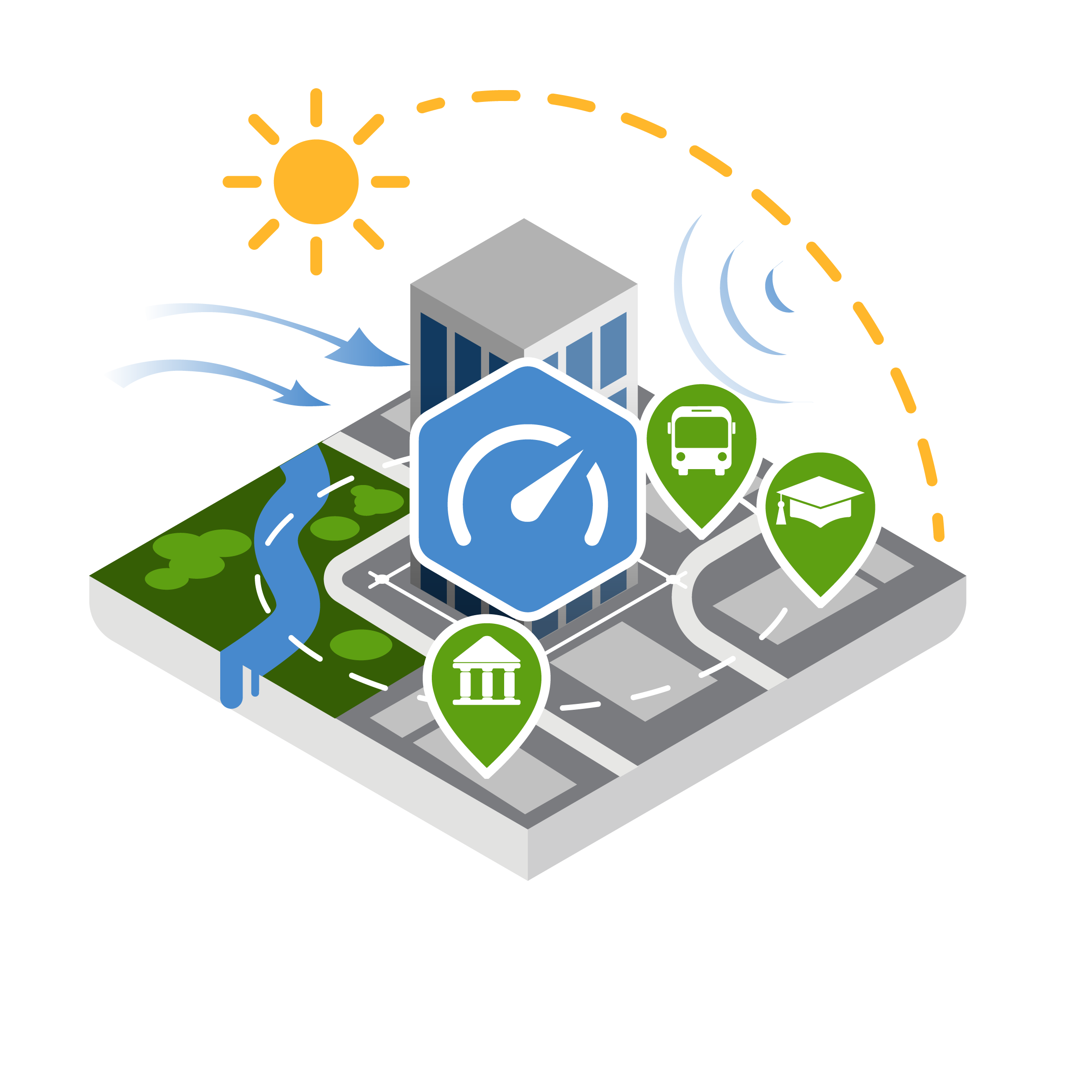 Naviate BioScore helps design teams create healthier, more comfortable, and better-performing buildings. With Naviate BioScore, an extension to Forma, designers can evaluate key performance indicators during the concept and site design phases, supporting more informed decisions throughout the planning process.
Explore all integrations across the AECO Technology Partner Ecosystem.