HP at AU 2026: Powerful AI, built for real work
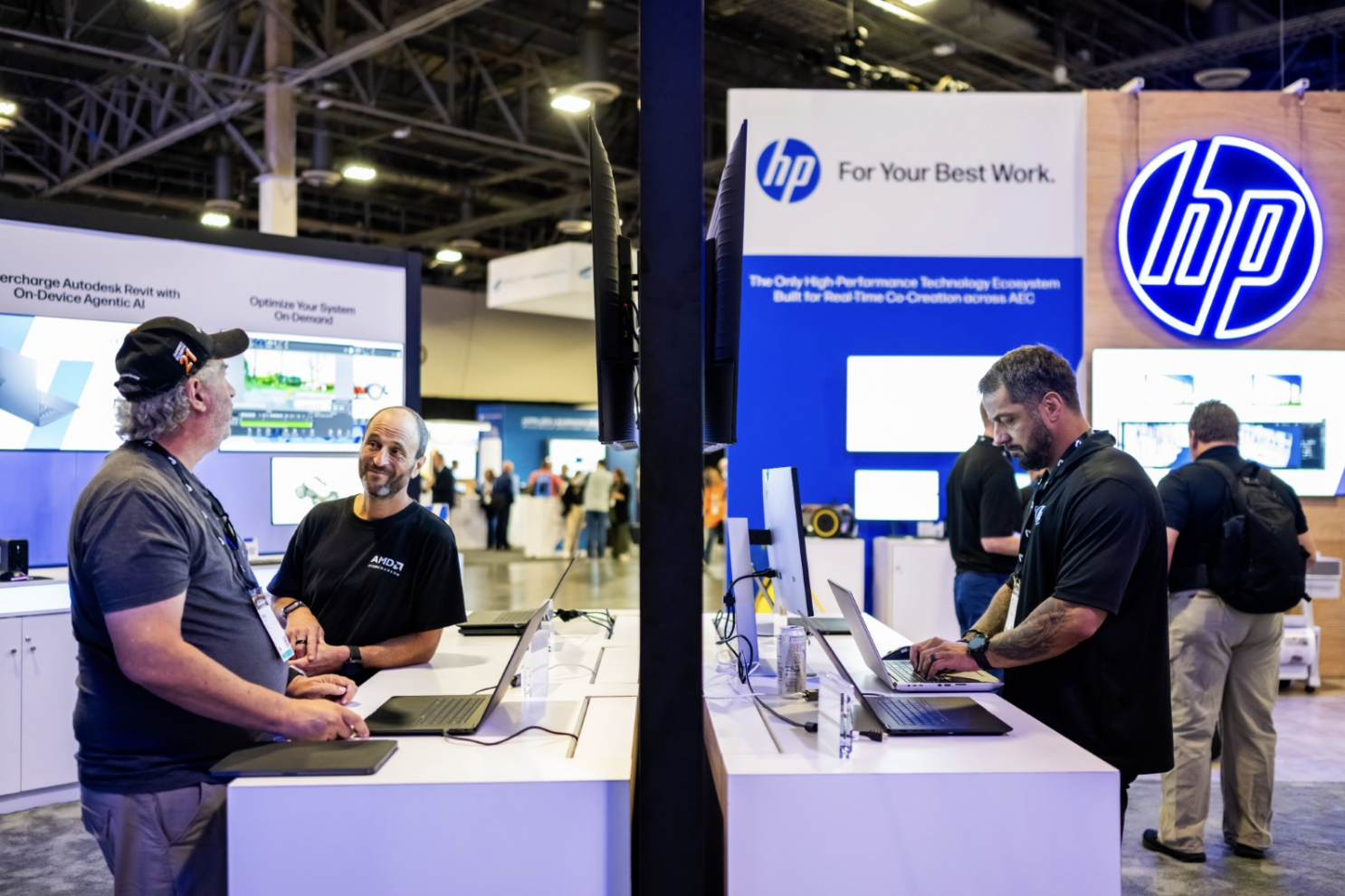
The conversation around AI is quickly moving from what the technology can do to how it can help people do their best work. For architects, engineers, designers, and creators, that means bringing AI and high-performance computing into the tools and workflows they already use every day.
HP brought that idea to life across AU 2026, showcasing technologies designed to support everything from AI-powered workflows and real-time visualization to rendering and design collaboration.
Powerful AI, built for real work
One of the themes visible across HP’s presence was simple. AI needs to be useful where the work actually happens. HP showcased its latest innovation, the newly launched ZBook Ultra G3a 16-inch Mobile Workstation PC, designed for AI and demanding professional workflows in a thin-and-light form factor. The system supports professional design and visualization workflows including Autodesk Revit, Autodesk 3ds Max, and Chaos Enscape, while Perplexity Computer integration for Revit brings AI capabilities directly into an application design professionals already use.
Supporting those workloads required HP to rethink how the system handles heat and power. Built around AMD Ryzen AI Max PRO 400 Series processors, configurable up to the Ryzen AI Max+ PRO 495, the ZBook Ultra G3a features a redesigned thermal architecture with dual mid-mounted fans, four times more fin surface area, a larger vapor chamber with copper-reinforced heat spreaders, and redesigned ventilation. The new thermal design enables the system to sustain up to 100W TDP.
HP also paired the mobile workstation with a new 180W USB-C GaN power adapter designed to be smaller and lighter for greater portability. That shift matters for design and engineering professionals. Instead of treating AI as a separate destination, the opportunity is to bring AI into the same mobile workstation environment used for demanding design, visualization, and professional workflows, while engineering the system to sustain the performance those workloads require.
Performance for visual thinking
AI was only part of the story. Design professionals still need the computing performance to visualize, explore, iterate, and communicate increasingly complex ideas.
Across its AU 2026 demonstrations, HP showed workflows spanning design and visualization, including real-time architectural rendering with Lumion Pro. HP and Intel also highlighted visualization software from Chaos, connecting workstation performance with the highly visual workflows architects and designers depend on.
These experiences showed how the workstation continues to play a central role in turning increasingly complex design data into something people can see, understand, and experience.
From mobile workstations to AI supercomputing
The range of hardware on display also reflected just how broad professional computing requirements have become.
At one end, mobile workstations such as the HP ZBook Ultra G3a bring professional and AI capabilities to people working across locations. At the other, HP showcased the ZGX Nano AI Station, an AI-focused system designed for significantly more demanding AI computing needs.
The common thread is flexibility. Not every designer, engineer, or AI workload needs the same level of compute. Giving professionals access to different types of systems creates more opportunities to align technology with the work being done.
Supporting the experiences behind AU 2026
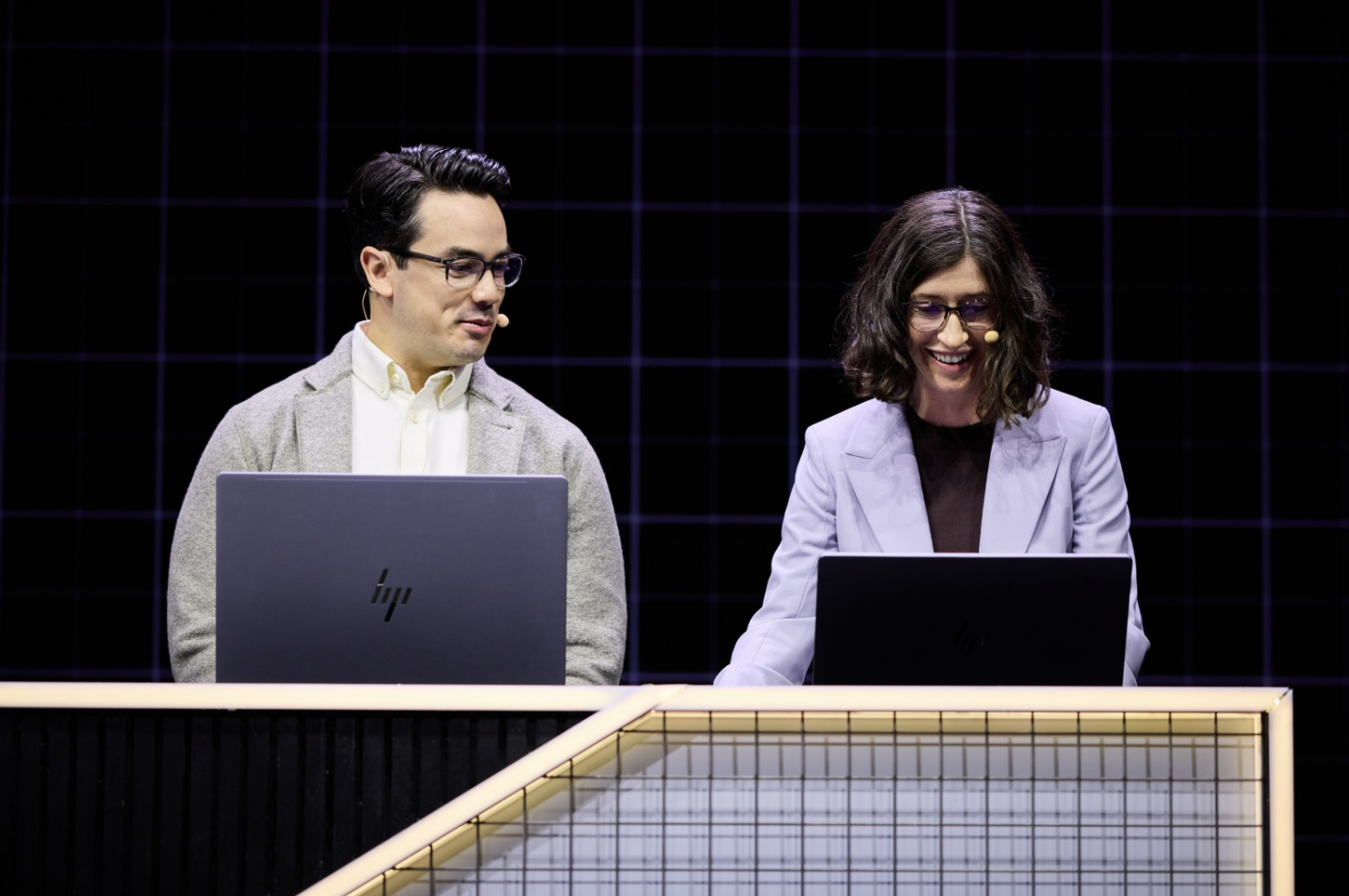
HP’s role at AU 2026 extended beyond the technology showcased in its own space. As a premier sponsor, HP supported experiences across the event, including The Factory Experience, AECO Design Slam, and laptops used for keynote demos.
Technology that gets closer to the work
What stood out across HP’s presence at AU 2026 was the breadth of ways computing is becoming part of the creative process. AI can help professionals work with information in new ways. Mobile workstations can bring sophisticated capabilities closer to wherever people are working. High-performance systems can support visualization, rendering, and increasingly demanding AI workloads. And together, those technologies can give designers and engineers more ways to move from an idea to an outcome.