
What is additive manufacturing?
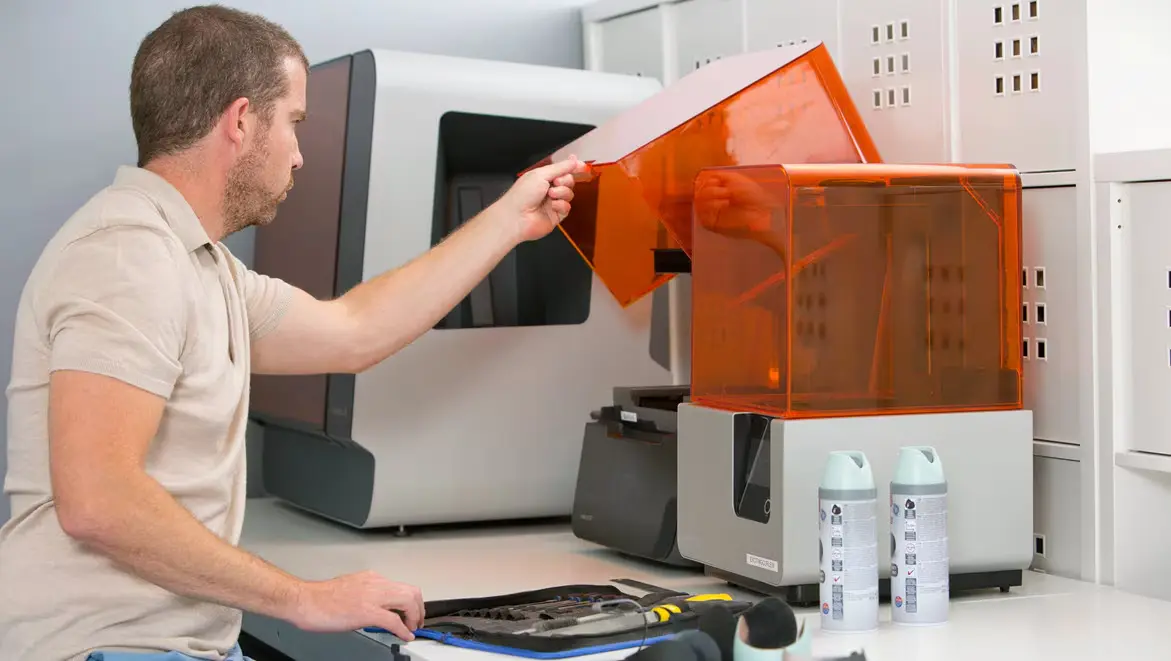
What is additive manufacturing?
What is additive manufacturing software?
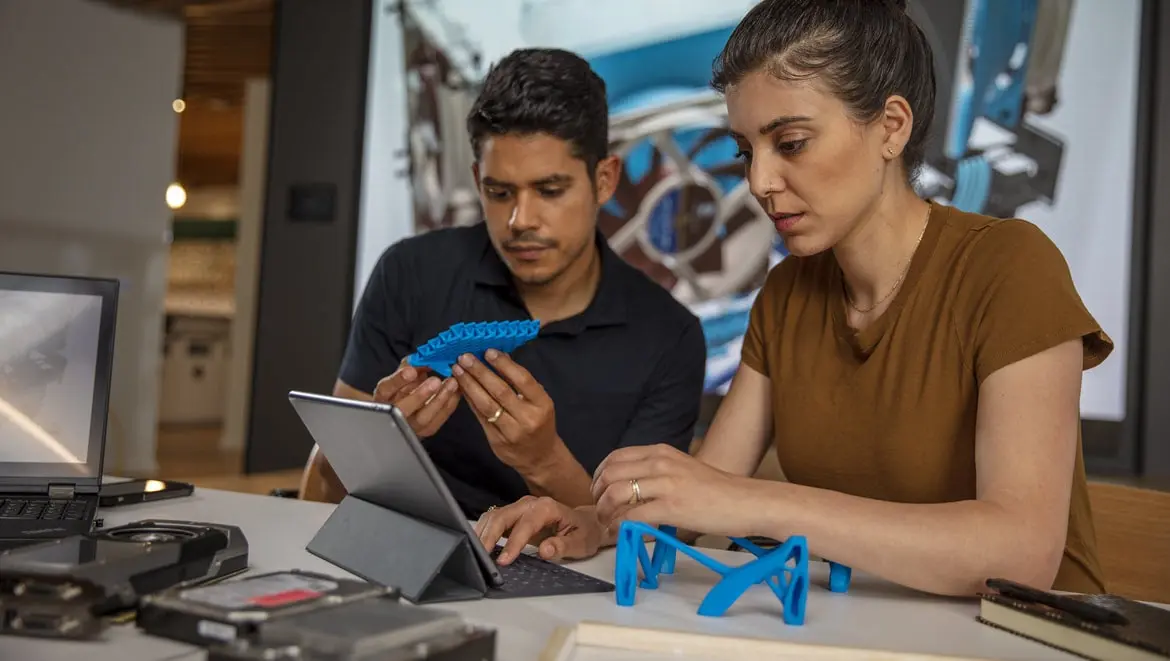
What is additive manufacturing software?
How is additive manufacturing used?
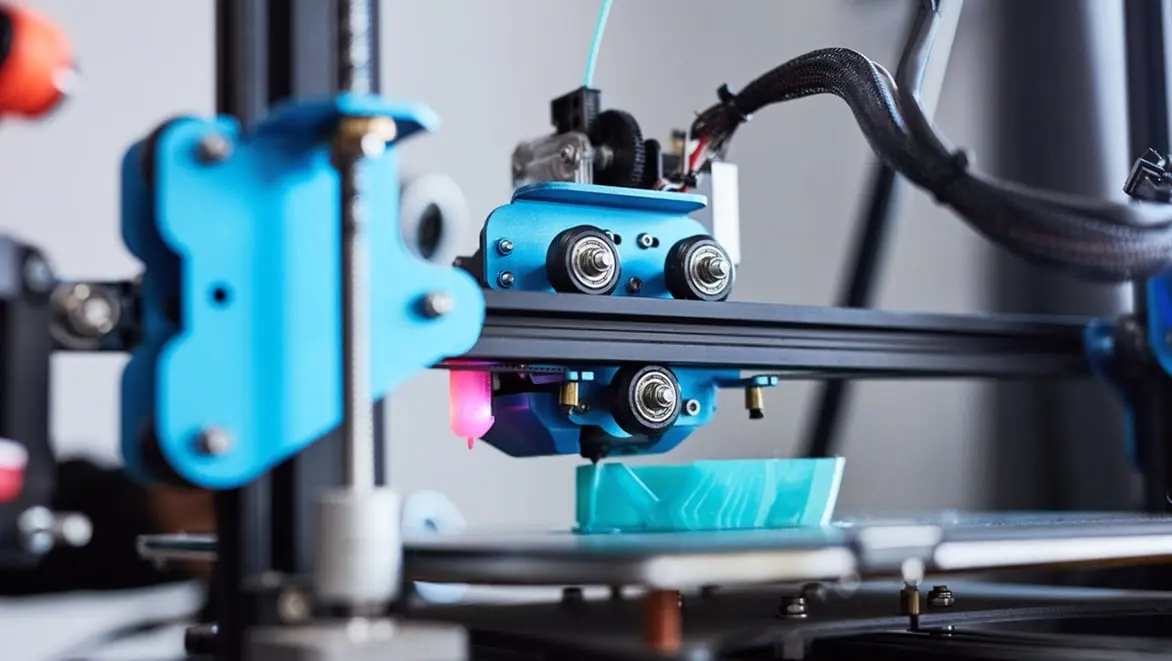
How is additive manufacturing used?
Design flexibility
Design flexibility
Rapid prototyping
Rapid prototyping
Reduced waste
Reduced waste
On-demand production
On-demand production
Cost savings
Cost savings
Improved performance
Improved performance
Vat photopolymerization
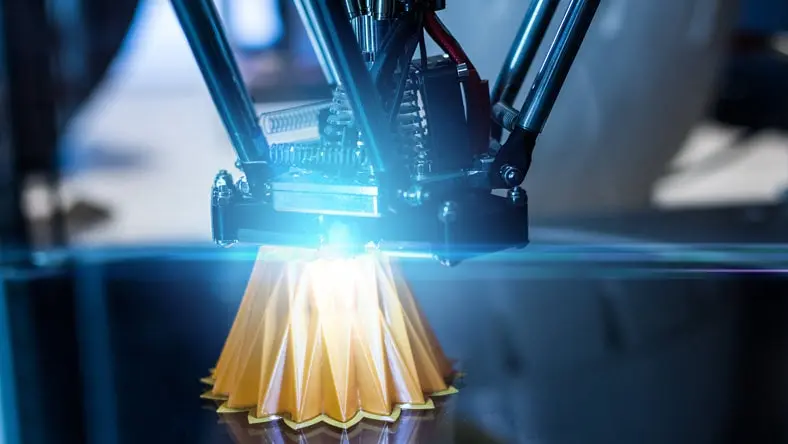
Vat photopolymerization
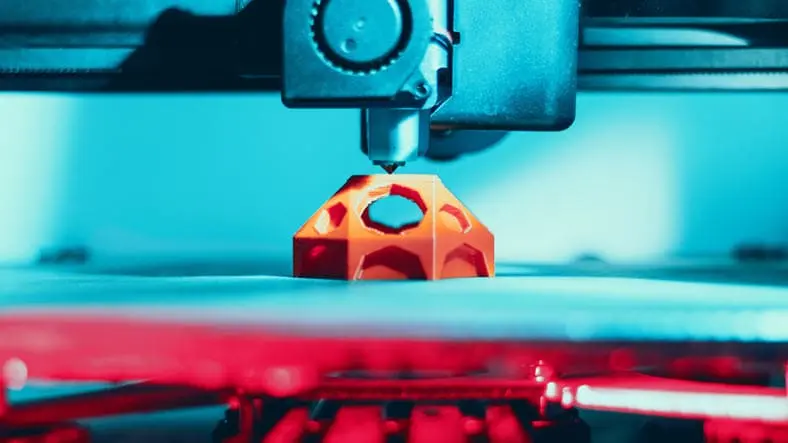
Binder jetting
Binder jetting
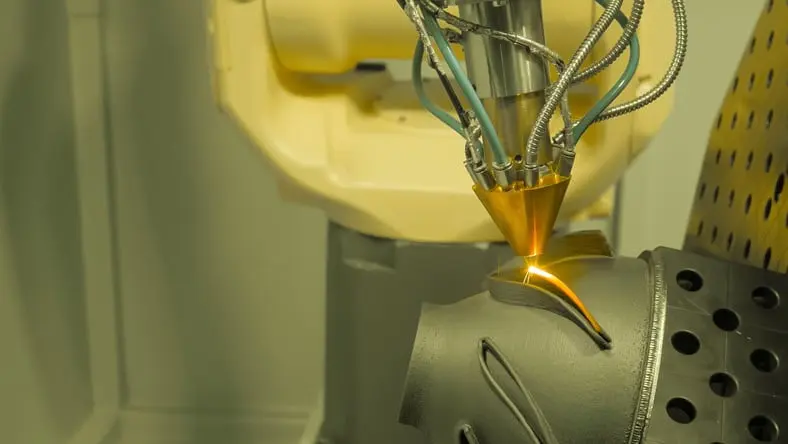
Directed energy deposition
Directed energy deposition
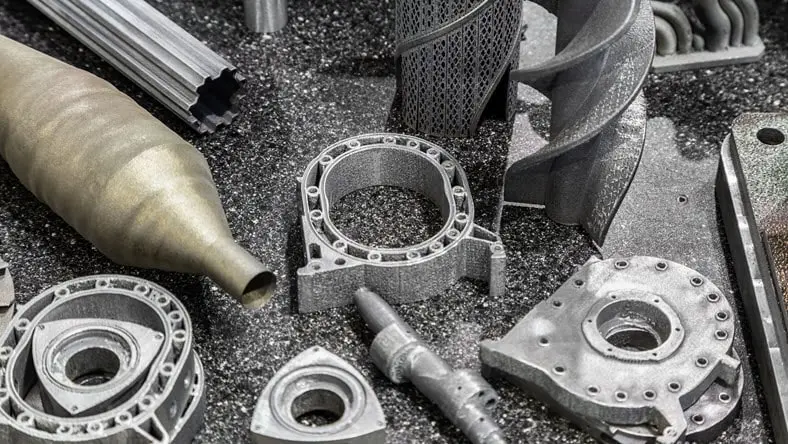
Metal casting
Metal casting
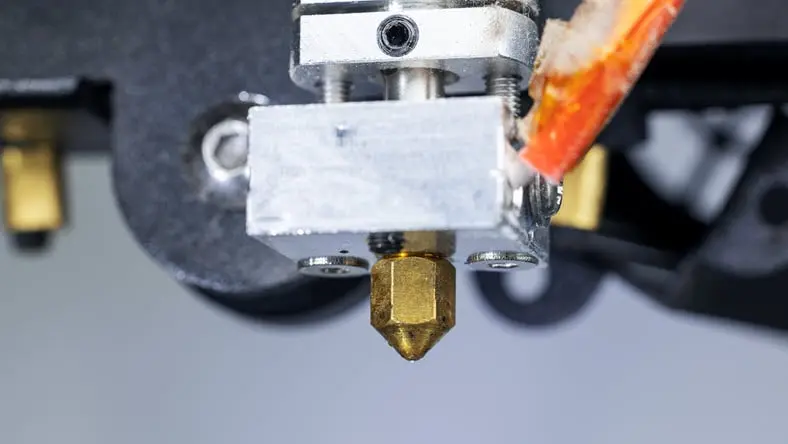
Material jetting
Material jetting
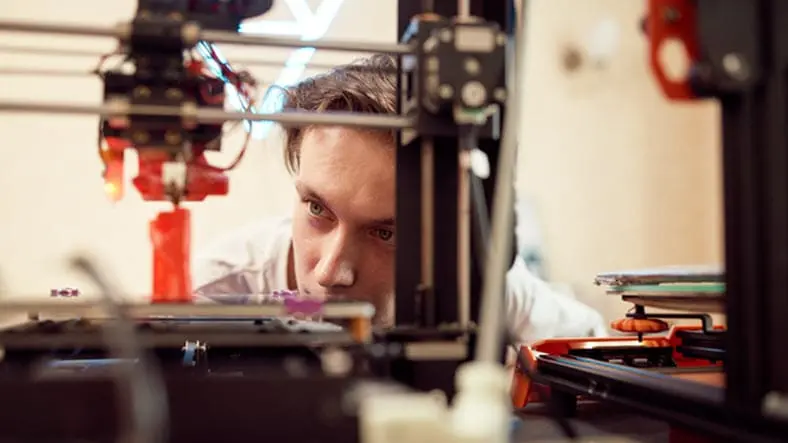
Material extrusion
Material extrusion
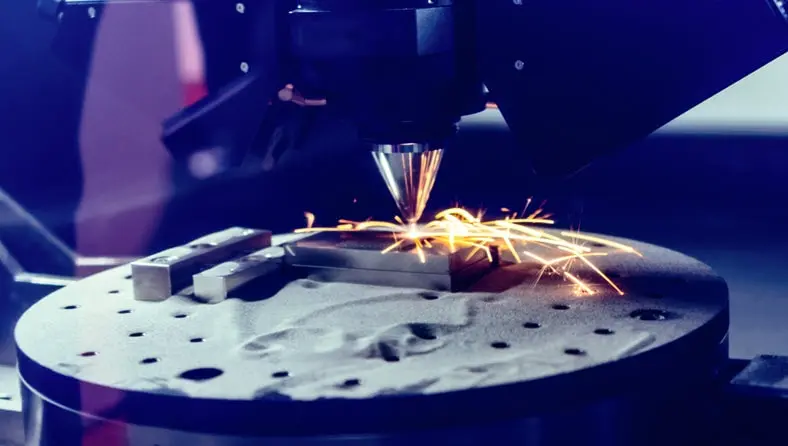
Powder bed fusion
Powder bed fusion
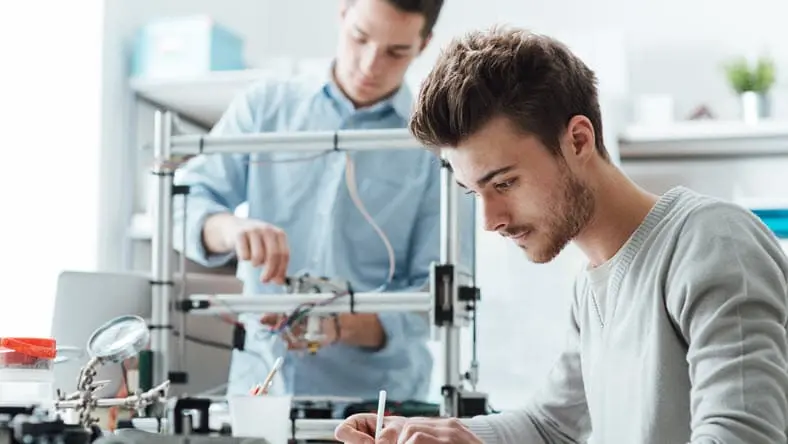
Sheet lamination
Sheet lamination
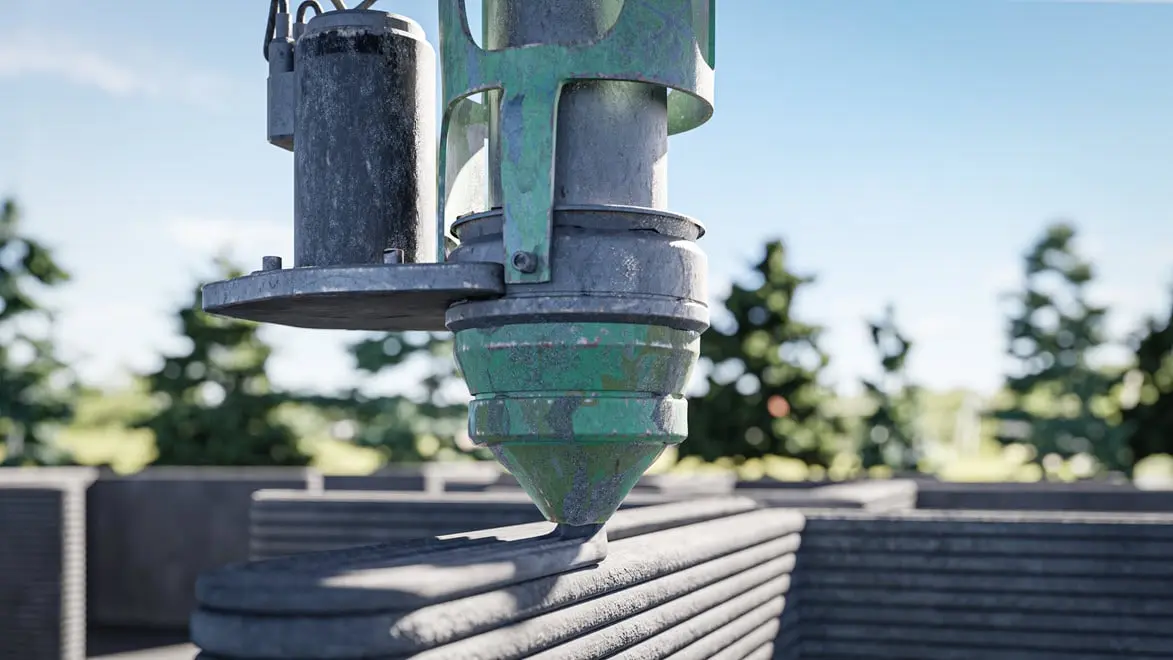
The future of additive manufacturing
The future of additive manufacturing
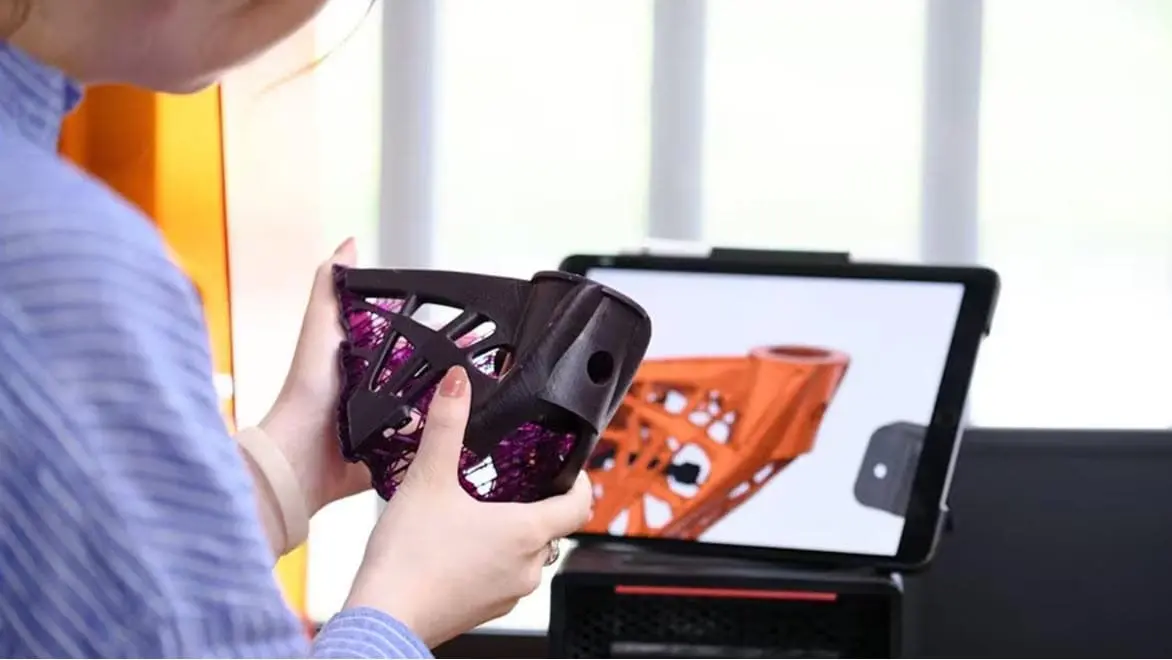
Additive manufacturing for rapid prototyping
Additive manufacturing for rapid prototyping
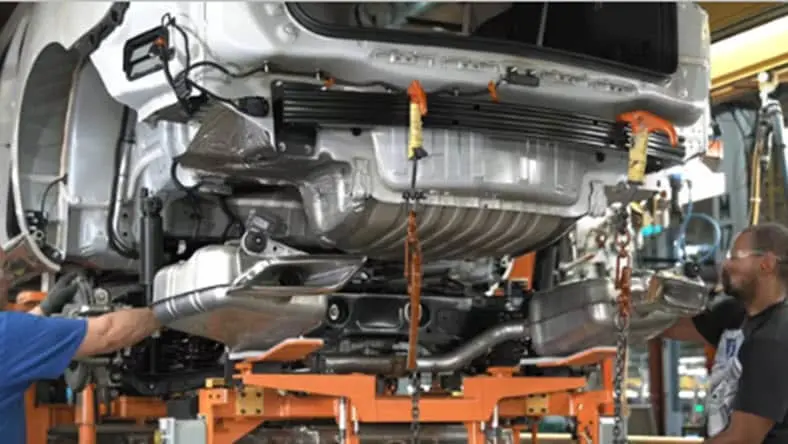
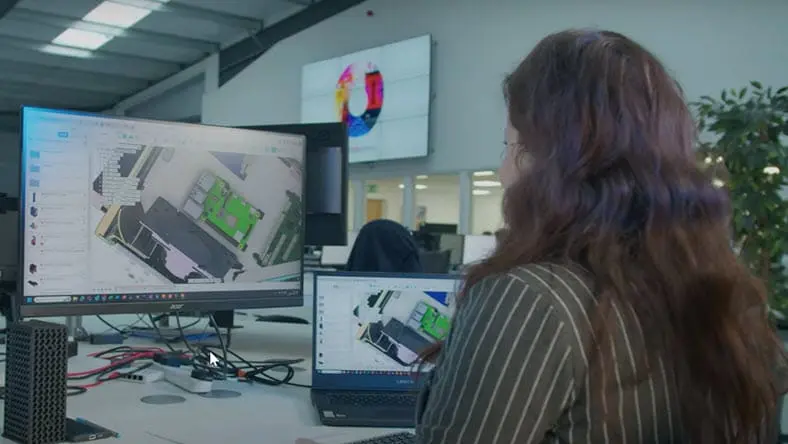
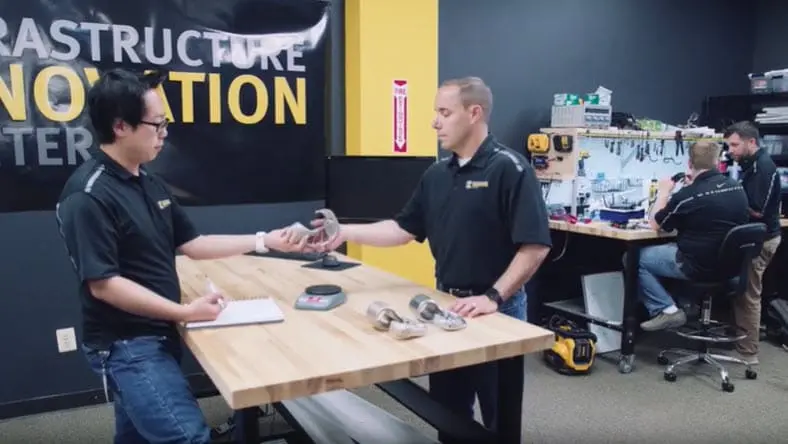
What is additive manufacturing used for?
Additive manufacturing is used to produce lighter, stronger parts and systems with greater efficiency. It has uses across various industries including:
In aerospace and automotive, additive manufacturing technology enables the fast production of lighter and stronger parts.
In healthcare, additive manufacturing can cost-effectively produce implants and other prosthetics, such as dental and orthopedic implants, made to the exact specifications needed for the patient.
In jewelry manufacturing, additive manufacturing enables the production of complex and intricate designs.
In tool repair, additive manufacturing software can help fix and repair tools rather than replace them, which is both environmentally friendly and cost-effective.
In any industry that requires low-volume production or benefits from rapid prototyping, additive manufacturing enables manufacturers to produce on demand.
How does additive manufacturing software contribute to sustainability?
Additive manufacturing offers several eco-friendly and sustainability benefits, including opportunities to minimize waste, optimize designs, reduce energy consumption, simplify supply chains, and enable sustainable production practices.
What are the advantages of additive manufacturing?
Additive manufacturing provides several advantages for industrial use. Significantly, additive technologies produce parts that are lighter, stronger, and faster to create than their traditional counterparts.
How does additive manufacturing work?
Additive manufacturing, also known as 3D printing, is the process of adding material to create an object. Machines deposit material, layer upon layer, in precise geometric shapes, and CAD software or 3D object scanners are used to create models to direct the hardware using additive manufacturing software features.
Are additive manufacturing and 3D printing the same?
3D printing is a more consumer-friendly phrase, and it’s becoming more and more popular in use than additive manufacturing. There are some subtle differences, however, and the term “additive manufacturing” can be used to refer to other processes such as rapid prototyping, whereas 3D printing is more restrictive.
The two phrases can best be defined as:
3D printing: Fabrication of objects through the deposition of a material using a print head, nozzle or other printer technology
Additive manufacturing: Making objects from 3D data, usually layer upon layer
What is additive manufacturing for 3D printing?
Additive manufacturing, or 3D printing, is a process that creates three-dimensional objects by adding material layer by layer based on a digital model. This method contrasts with traditional manufacturing, which often involves subtracting material from a solid block. It allows for the production of complex geometries, customization, and material efficiency, making it ideal for rapid prototyping and the creation of intricate and personalized products. Applications span various industries, including aerospace, automotive, healthcare, and consumer goods, offering significant advantages in innovation and design flexibility.