WATER ASSET MANAGEMENT
Water asset management software
Water asset management software
What is water asset management?
What is water asset management?
Water asset management is the process of understanding, monitoring, and strategically managing the assets that make up water, sewer, or stormwater infrastructure. This includes proactively planning and prioritizing repairs, maintenance, renewals, and replacements based on risk. A solid water asset management plan is essential for ensuring the continuation of service and preventing harmful incidents.
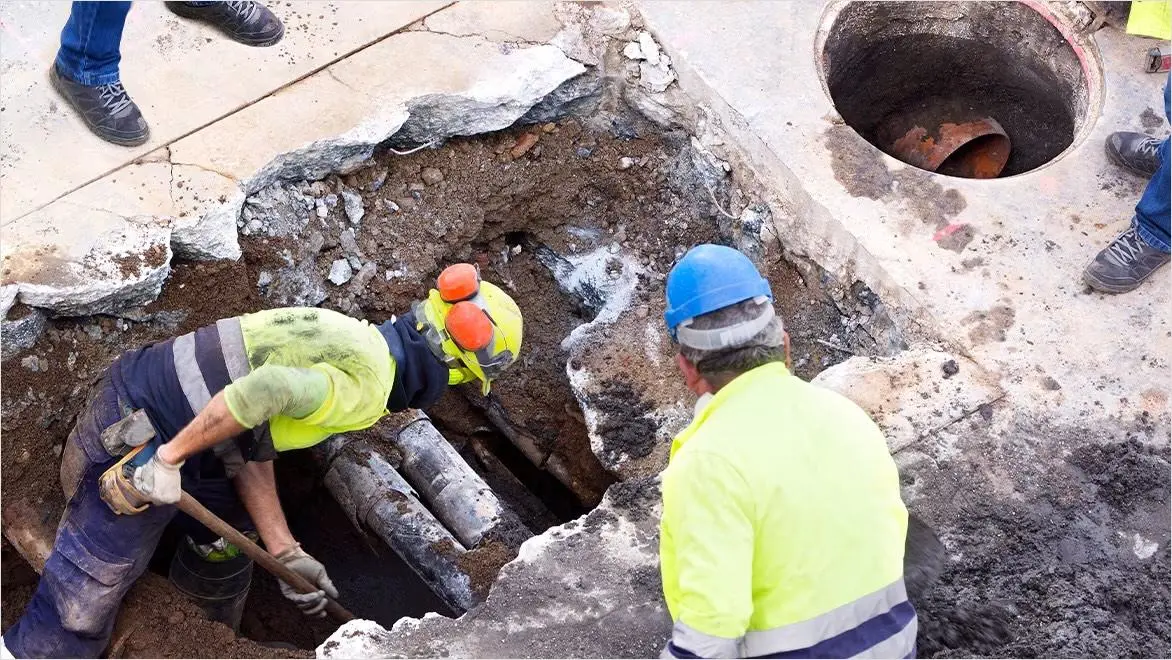
How smart water utilities manage their assets
How smart water utilities manage their assets
Water utilities improve operational, maintenance, and capital effectiveness by using digital tools to monitor and prioritize replacements and repairs of assets within a water system. Water asset management software increases sustainability and community resilience by reducing downtime and prolonging the lifespan of water assets.
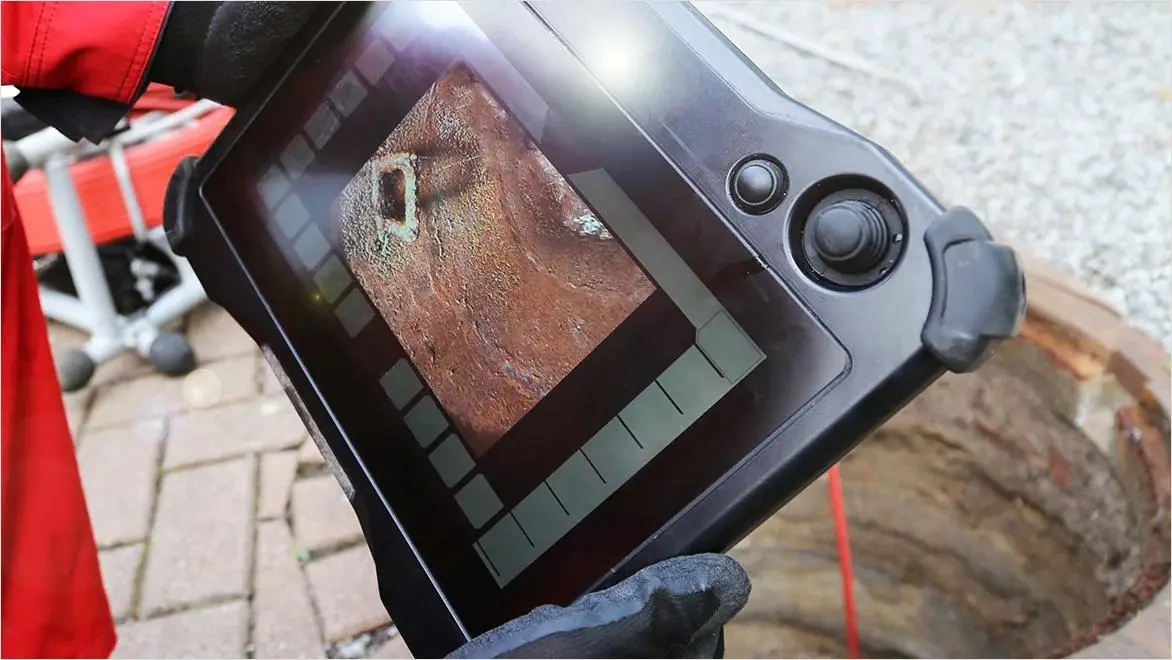
Using software for water utility asset management
Using software for water utility asset management
Water asset management software provides tools to help improve the efficiency and accuracy of complex processes such as inspection management, condition assessment, risk and rehabilitation planning, and data tracking. To manage water assets more effectively in terms of cost and reliability, a good place to begin is by exploring all the digital tools at your disposal.

Benefits of water asset management software
Water utility asset management software makes it easier for you to keep your finger on the pulse of your network.
Manage asset inspection and review
Manage asset inspection and review
Access CCTV inspection data in a cloud environment to review inspections and evaluate asset condition.
Determine asset risk
Determine asset risk
Assess business risk exposure of water assets using the most accurate data points such as condition data.
Improve rehabilitation planning
Improve rehabilitation planning
Prioritize capital decisions for effective and cost-effective rehabilitation management of water assets.
Learn about water management technologies

Fundamentals of drainage design
Fundamentals of drainage design
Properly designed drainage systems and water asset management are essential for collecting, storing, and transporting rainwater and for conveying sewage to treatment facilities. You can get a good overview of drainage design fundamentals on our Autodesk Water Infrastructure YouTube channel.

Conduct AI inspection with VAPAR.Solutions and Info360 Asset
Conduct AI inspection with VAPAR.Solutions and Info360 Asset
Automated AI inspections, from analyzing CCTV footage to prioritizing pipe repair, save staff hours while providing a better understanding of risk. By combining VAPAR’s AI CCTV analysis with Info360 Asset’s cloud-based management, you can solve media storage issues, reduce spending, and guide decisions with hard data, from a single platform. Learn more in this infographic.

Be prepared with water supply modeling
Be prepared with water supply modeling
Autodesk’s InfoWater Pro software, a hydraulic modeling application built in ArcGIS Pro, allows you to simulate various water asset management scenarios, and then carry out detailed analyses on them. Find out more about how it works and how it can help you in our video on water supply modeling with InfoWater.
How optimal water asset management can maximize return on CCTV inspections
How optimal water asset management can maximize return on CCTV inspections
Water utilities are responsible for monitoring and maintaining vast networks of pipes, pumps, and other assets. The size of the task can lead to significant inefficiencies and challenges, but water utility asset management software can help you stay on top of things.
How is water asset management software being used?

Ross Valley Sanitary District
Lengthening wastewater asset life through risk management
Lengthening wastewater asset life through risk management
Learn how one of the Golden State’s oldest sanitary districts went from a cease and desist to a risk-based asset management program with Autodesk software.

Seattle Public Utilities
Forward-thinking, proactive pipe inspection
Forward-thinking, proactive pipe inspection
Discover how Seattle Public Utilities moved from reactive to proactive asset prioritization and developed a 40-year rehabilitation plan.

BONTON ASSOCIATES
Tech-driven water solutions
Tech-driven water solutions
Find out how this Baton Rouge firm uses technology and data to provide creative, scalable water and transportation solutions.
Leverage digital water asset simulations
Leverage digital water asset simulations
One of the most powerful tools for anyone involved in water asset management is the ability to simulate conditions within their network. Take a look at our blog to find out how Autodesk InfoWorks WS Pro and InfoWater Pro can help users take a proactive approach to water management.
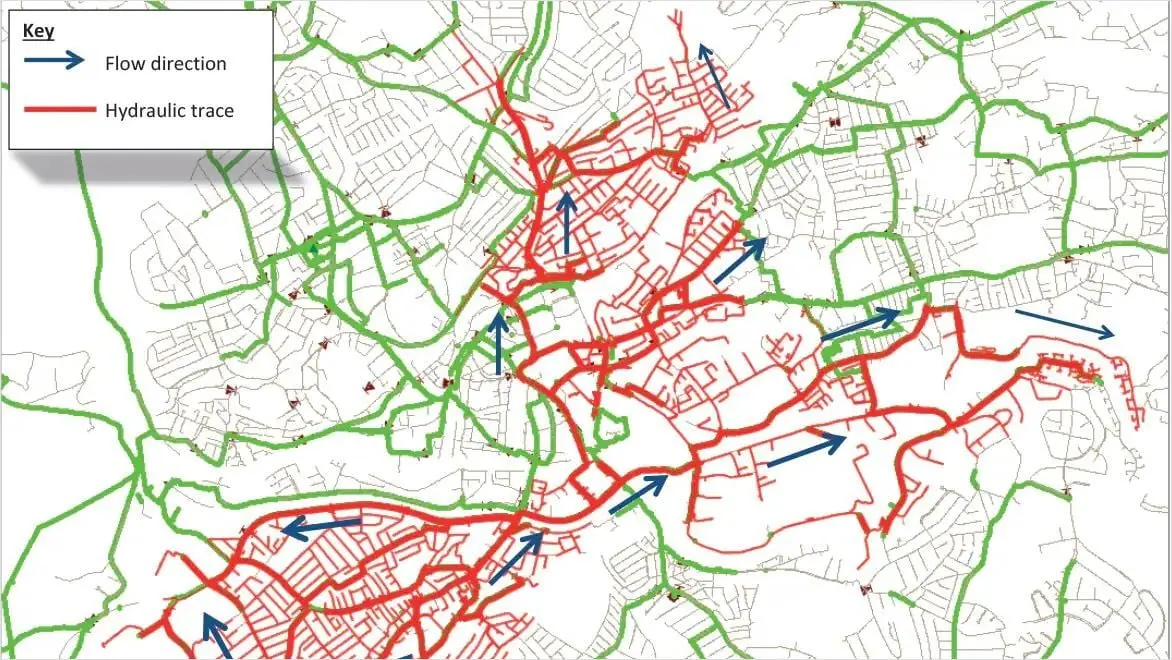
Sewer modeling in Infoworks ICM
Sewer modeling in Infoworks ICM
Autodesk‘s InfoWorks ICM water asset management software lets you create your network digitally, import your data, add GIS layers, simulate flows, and more. Find out how the water asset management tool can help you in this video on sewer modeling basics in ICM.
Autodesk water asset management software
Resources for water asset management software
Learn more about water asset management workflows and projects with these resources from Autodesk.
Autodesk‘s water asset management solutions are helping teams manage the water and wastewater systems of today, while also building water infrastructure for tomorrow.
Make the most of water infrastructure asset inspections by improving workflows to better inform asset decisions and rehabilitation planning.
Learn more about Info360 water asset management software capabilities and the benefits of using a cloud-based asset management solution for your organization.
Utilize water asset management software to increase buy-in for capital improvement plans or manage O&M budgets effectively.
Learn more about Info360 Asset with comprehensive “getting started videos” outlining available water utility asset management software features.
Learn what product enhancements have been delivered in Info360 Asset, what is being developed, and what you can expect in the future.
Frequently asked questions (FAQ) about water asset management
What are different types of water distribution network assets?
Water distribution assets are individual components that are built to pump, divert, transport, store, treat, and deliver safe drinking water through utilities services. Some examples are:
Groundwater wells
Pipes and plumbing
Surface-water intakes
Dams and aqueducts
Reservoirs
What are the best asset management practices to effectively manage wastewater system assets?
A few best practices can help guide asset managers to effectively operate and maintain wastewater systems and address problematic assets:
Asset registry to know all about your assets and asset intervention history
Asset lifecycle information management to collect, track, and report on the entire asset biography for each asset
Maintenance management and tracking to prioritize maintenance activities.
Overflows mitigation and response planning
Discharge problem control to reduce blockage likelihood, such as roots and fat, oil, and grease
Inspection and structural condition assessment to monitor asset degradation
Inspection of new construction to check the proper installation of new pipes
Capacity assessment to ensure the intended capacity of an asset is maintained over its life and increase capacity when necessary
Determination of risk to prioritize the fixing of problematic assets
Capital improvement planning to develop recommendations on asset renewals and replacement in the medium- to long-term horizon
Stakeholder communications to inform customers, utility teams, and management about the asset action plan
Results and KPI monitoring to adjust the asset management program, such as tracking sewer overflows, blockage issues, or asset work history
What is linear asset management?
Linear asset management is the process of lifecycle management for assets typically defined by their length, such as roads, rails, pipelines, power lines, etc. Linear asset management software helps you monitor asset conditions, identify damage or defects, manage asset maintenance, and optimize asset performance, availability, and safety.
What is risk and rehabilitation planning for water asset management?
Risk and rehabilitation planning for water asset management is the process of prioritizing the risks associated with water infrastructure assets and informing asset decisions. Risk management helps to prioritize which individual asset needs addressing first and to understand the overall business risk exposure for the system. Rehabilitation planning helps planners decide the best actions to repair, renew, replace, or keep monitoring water assets based on asset and inspection data, their condition, previous asset interventions, and action costs to determine the most effective approach.
What is likelihood of failure (LoF) and consequence of failure (CoF) for water asset management?
The two elements of risk assessment for water asset management are likelihood of failure (LoF) and consequence of failure (CoF). Depending on an asset’s condition, age, performance, and other factors, LoF determines how probable it is for it to fail. CoF is a gauge of how seriously an asset failure might have an impact on the economy, society, and environment. Risk can help to prioritize decisions regarding asset renewal or replacement by applying weighing factors for each Lof and CoF components as well as combining LoF and CoF.
How is GIS data used for water asset management?
GIS data is used for water asset management to visualize and spatially analyze important information about water utility infrastructure by integrating with digital and specialized tools like capital planning software. GIS data can be used for:
Identifying leaks and inefficiencies
Optimizing water infrastructure distribution networks
Predicting repairs or other operational issues
Planning for future infrastructure expansion and maintenance