
Design for manufacturing software
Design for manufacturing software
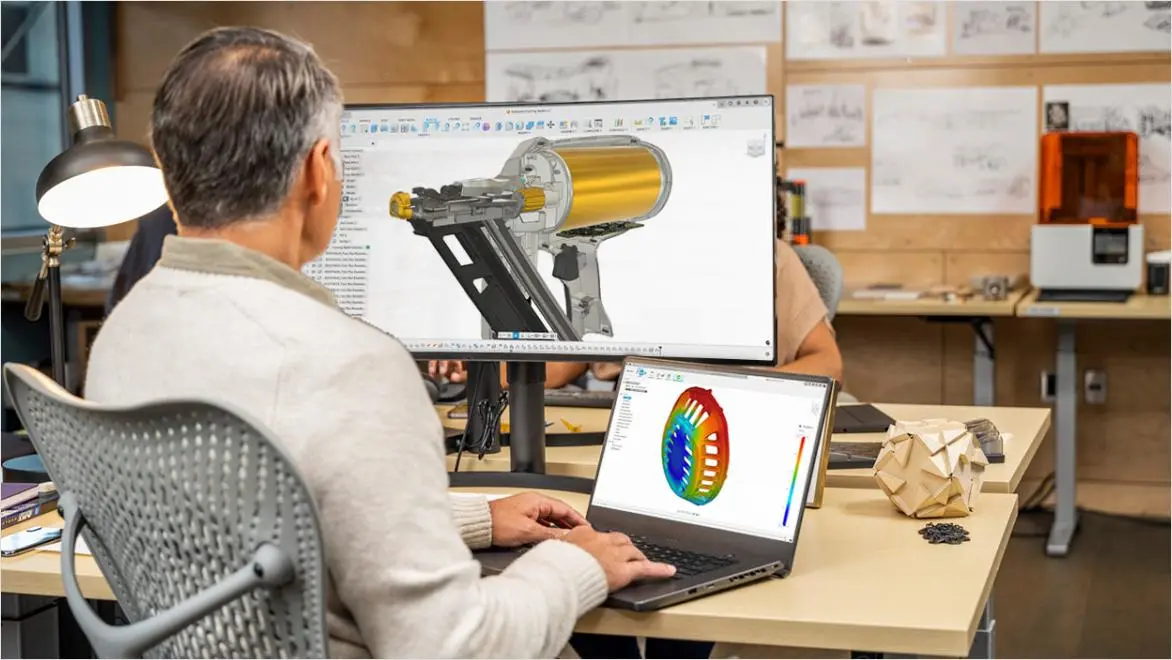
What is design for manufacturing (DFM)?
What is design for manufacturing (DFM)?
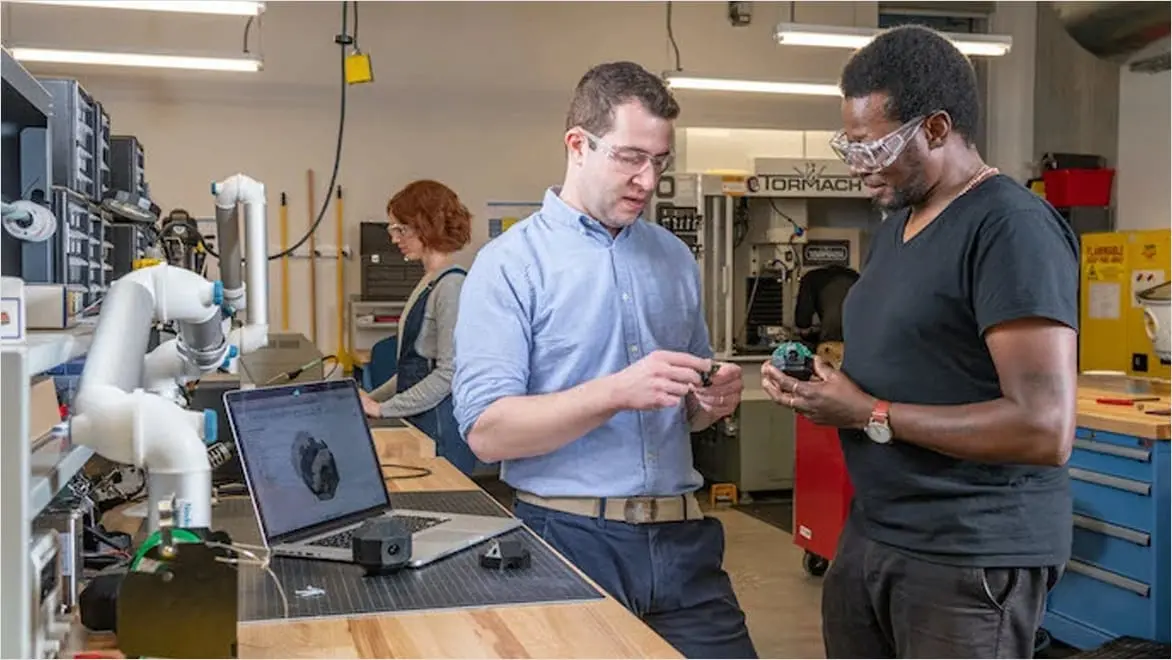
What is design for manufacturing and assembly (DFMA)?
What is design for manufacturing and assembly (DFMA)?
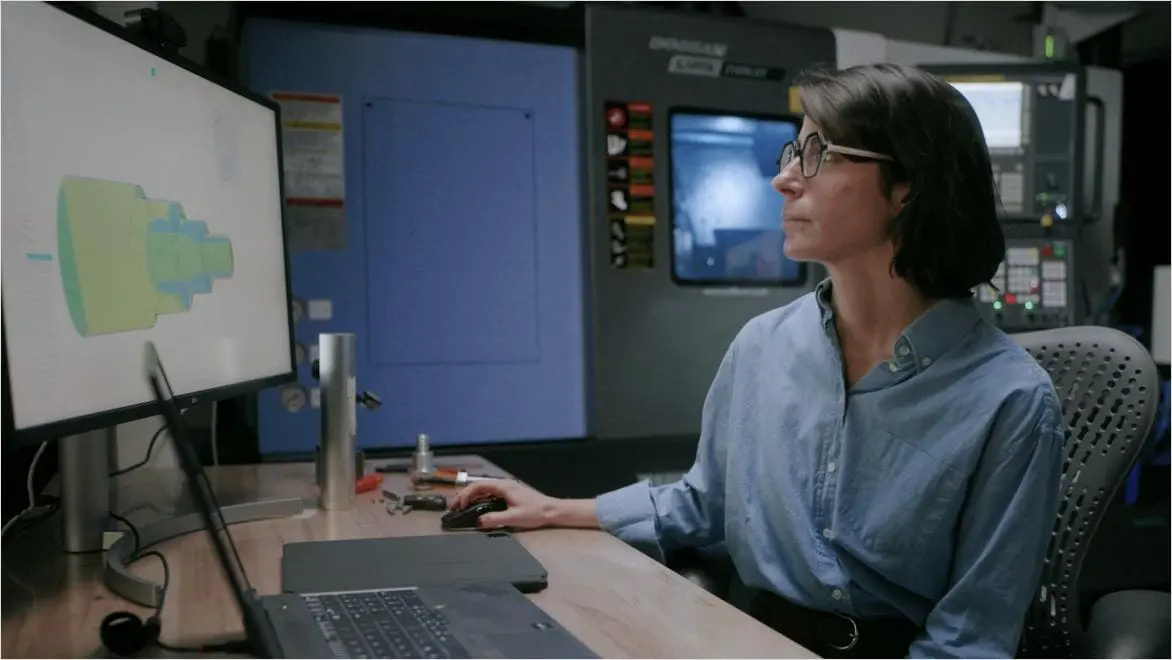
Design for manufacturing with Autodesk Fusion
Design for manufacturing with Autodesk Fusion
Cost reduction
Cost reduction
Faster time-to-market
Faster time-to-market
Enhanced quality
Enhanced quality
Sustainability
Sustainability
Improved scalability
Improved scalability
Simplified assembly
Simplified assembly
Supplier collaboration
Supplier collaboration
Increased reliability
Increased reliability
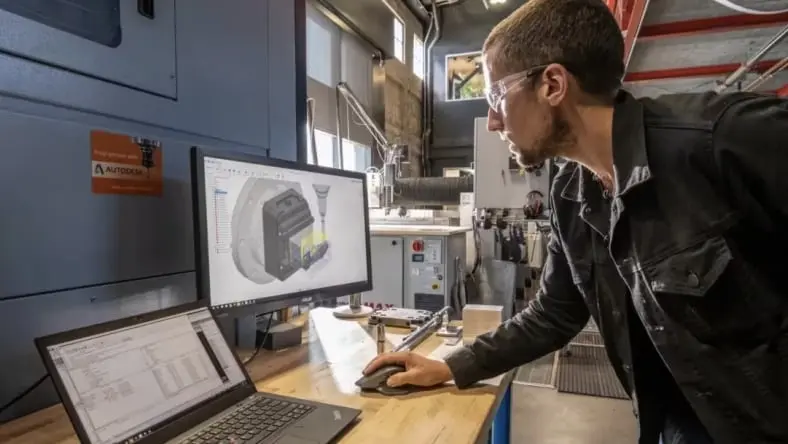
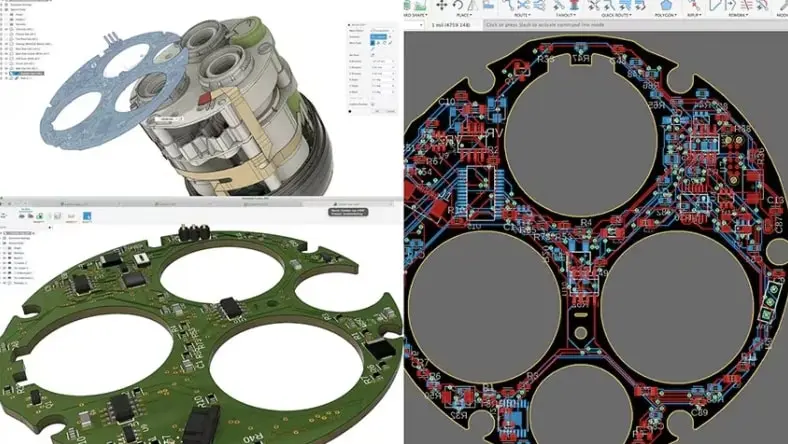


Increase team collaboration and productivity with built-in data management
Increase team collaboration and productivity with built-in data management
Why is DFM critical in today's industries?
Why is DFM critical in today's industries?





Factors influencing design for manufacturing
Factors influencing design for manufacturing
How to effectively implement design for manufacturing (DFM)
How to effectively implement design for manufacturing (DFM)
Automotive
Automotive
Consumer goods
Consumer goods
Medical
Medical
Electronics
Electronics
Aerospace
Aerospace
Furniture
Furniture

What is design for manufacturability (DFM)?
DFM is the practice of designing products in a way that simplifies the manufacturing process. It aims to reduce production costs, minimize potential issues, and improve product quality by considering manufacturing constraints and capabilities during the design phase.
Why is DFM important?
DFM is important because it helps identify potential manufacturing issues early in the design process, leading to significant time and cost savings. By integrating manufacturability considerations from the start, companies can avoid costly design revisions and rework during production, which can delay time-to-market and increase overall project expenses. DFM ensures that the product design aligns with the capabilities and limitations of the manufacturing processes, reducing the risk of defects and production inefficiencies.
Moreover, implementing DFM practices helps minimize material waste and energy consumption by optimizing design choices that are both cost-effective and environmentally friendly. This proactive approach allows manufacturers to create products that are easier and faster to assemble, contributing to improved productivity on the production floor. Ultimately, DFM leads to higher product quality, greater reliability, and increased customer satisfaction, making it an essential practice for companies looking to maintain a competitive edge and maximize profitability.
What are the key principles of DFM?
DFM, or Design for Manufacturability, is crucial for optimizing product development and ensuring efficient manufacturing processes. By integrating DFM principles early in the design phase, companies can avoid costly revisions and production delays, improving overall time-to-market and cost-effectiveness. This proactive approach leads to higher quality products, reduced waste, and more sustainable production practices. Implementing DFM can give businesses a competitive advantage by ensuring that products are designed in a way that makes them easier and more efficient to manufacture.
The key principles of DFM include:
Simplifying the Design: Reducing the number of parts in a product can streamline manufacturing, reduce assembly costs, and minimize potential points of failure. Simpler designs are easier to manage, resulting in a more efficient production process.
Using Standard Components: Employing standard, readily available parts can reduce costs and shorten lead times. It also helps with quality control, as standardized components are often more reliable and easier to source in case of replacements.
Designing for Easy Assembly: Ensuring that parts fit together intuitively and can be assembled with minimal effort improves production efficiency and reduces the likelihood of errors during the assembly process. This also simplifies training for assembly line workers, saving both time and resources.
Ensuring Adequate Tolerance Levels: Properly defined tolerances ensure that parts fit together as intended and function correctly without causing manufacturing issues. This helps in maintaining consistency and precision during production, reducing the need for adjustments and rework.
Incorporating Testing and Simulation: Verifying manufacturability through rigorous testing and simulations helps identify potential production challenges before manufacturing begins. By using tools like Autodesk Fusion, engineers can create digital prototypes and run simulations to assess the performance of the design under real-world conditions, ensuring that the final product meets both design and manufacturing standards.
Overall, applying DFM principles allows companies to create products that are more cost-effective, easier to produce, and of higher quality, leading to improved operational efficiency and customer satisfaction.
How does DFM impact product quality?
DFM helps improve product quality by catching potential design flaws before they reach the production stage. This proactive approach ensures that products are built with manufacturing capabilities in mind, leading to fewer defects, better performance, and higher reliability.
What are the common challenges faced in DFM?
Common challenges in DFM often stem from complexities in aligning design goals with practical manufacturing needs. One major issue is miscommunication between design and manufacturing teams, which can lead to misunderstandings and inefficiencies. Balancing cost with functionality is another challenge, as designers must find the right trade-offs to optimize both the budget and the product’s performance. Ensuring compatibility with manufacturing technologies and processes is essential to avoid production delays and ensure that designs can be efficiently brought to life. Additionally, maintaining design flexibility while meeting strict production standards can be difficult, as changes to the design may need to be limited to prevent disruptions in the manufacturing workflow. Addressing these challenges requires strong collaboration, detailed planning, and the use of advanced design tools to align objectives and streamline the transition from concept to production.
How does Autodesk Fusion support DFM?
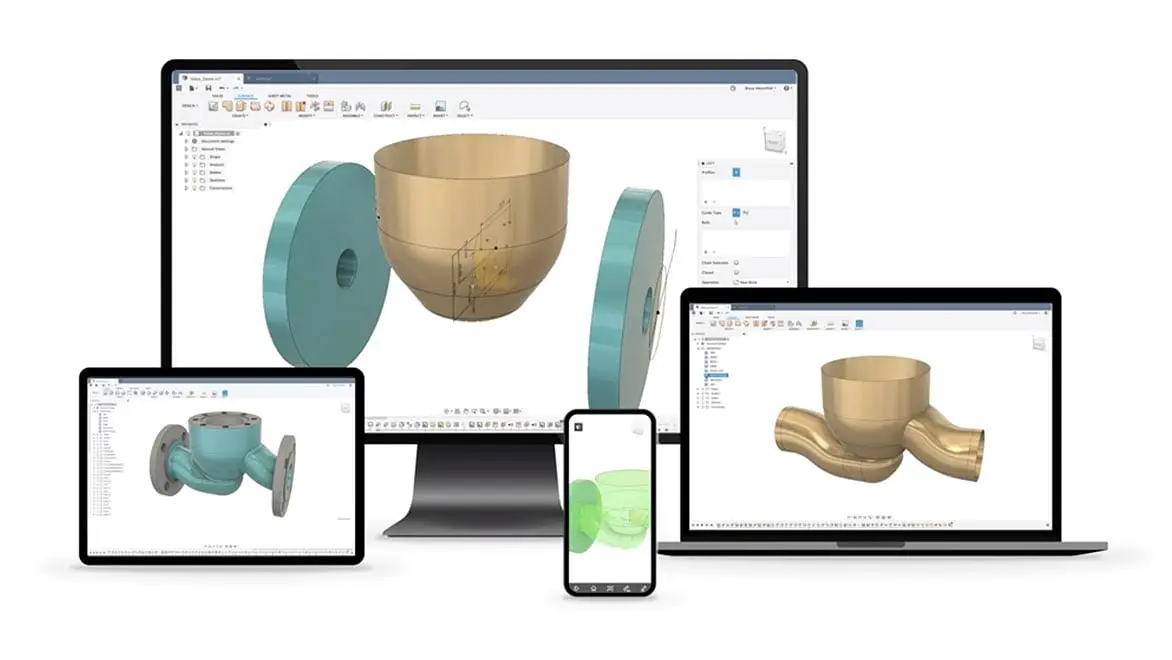
Autodesk Fusion offers integrated tools that support DFM by enabling users to assess manufacturability, conduct real-time simulations, and make data-driven design choices. This ensures that designs are optimized for production, reducing revisions and enhancing overall efficiency.
Can Fusion's simulation tools help with DFM?
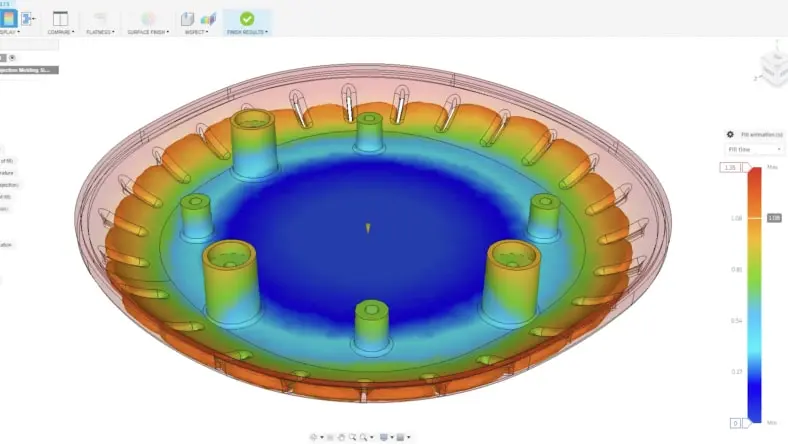
Yes, Fusion's simulation tools are highly valuable for Design for Manufacturability (DFM), providing designers with the ability to test and analyze designs under real-world conditions before production begins. These tools offer a comprehensive approach to understanding a design’s performance, helping identify potential stress points, material weaknesses, and structural issues early in the process.
The Fusion Simulation Extension takes this a step further by incorporating advanced features such as static stress analysis, thermal simulations, and dynamic motion studies. These capabilities allow engineers to evaluate how a design will respond to various forces, temperatures, and movements, ensuring that it meets both functional and manufacturing requirements.
By integrating simulation into the DFM workflow, designers can make data-driven decisions to optimize materials, improve part geometry, and address potential manufacturing challenges. This results in improved product performance, reduced production costs, and a smoother transition from the design phase to manufacturing. In essence, Fusion’s simulation tools empower teams to identify and solve design flaws before they impact production, supporting a more efficient, cost-effective, and manufacturable final product.
What is DFM vs. DFMA?
Design for manufacturing (DFM) and Design for manufacturing and assembly (DFMA) are methodologies aimed at improving manufacturing efficiency and cost-effectiveness. DFM focuses on simplifying the manufacturing process by minimizing parts, standardizing components, and optimizing material selection. DFMA combines DFM with design for assembly (DFA), to reduce overall production costs and complexity. DFMA principles include minimizing parts, designing for easy assembly, and optimizing fabrication processes. While DFM targets manufacturability, DFMA emphasizes both manufacturability and ease of assembly, leading to greater cost and time savings.
How does Fusion assist in cost analysis for DFM?
Fusion provides built-in cost analysis tools that enable designers to assess the cost implications of materials and manufacturing processes. This helps in making informed design choices that balance performance and budget, ultimately improving the feasibility of the product.