Designing for the next 100 years:
How Warren and Mahoney future-proofed Aotearoa’s cultural treasures with Autodesk
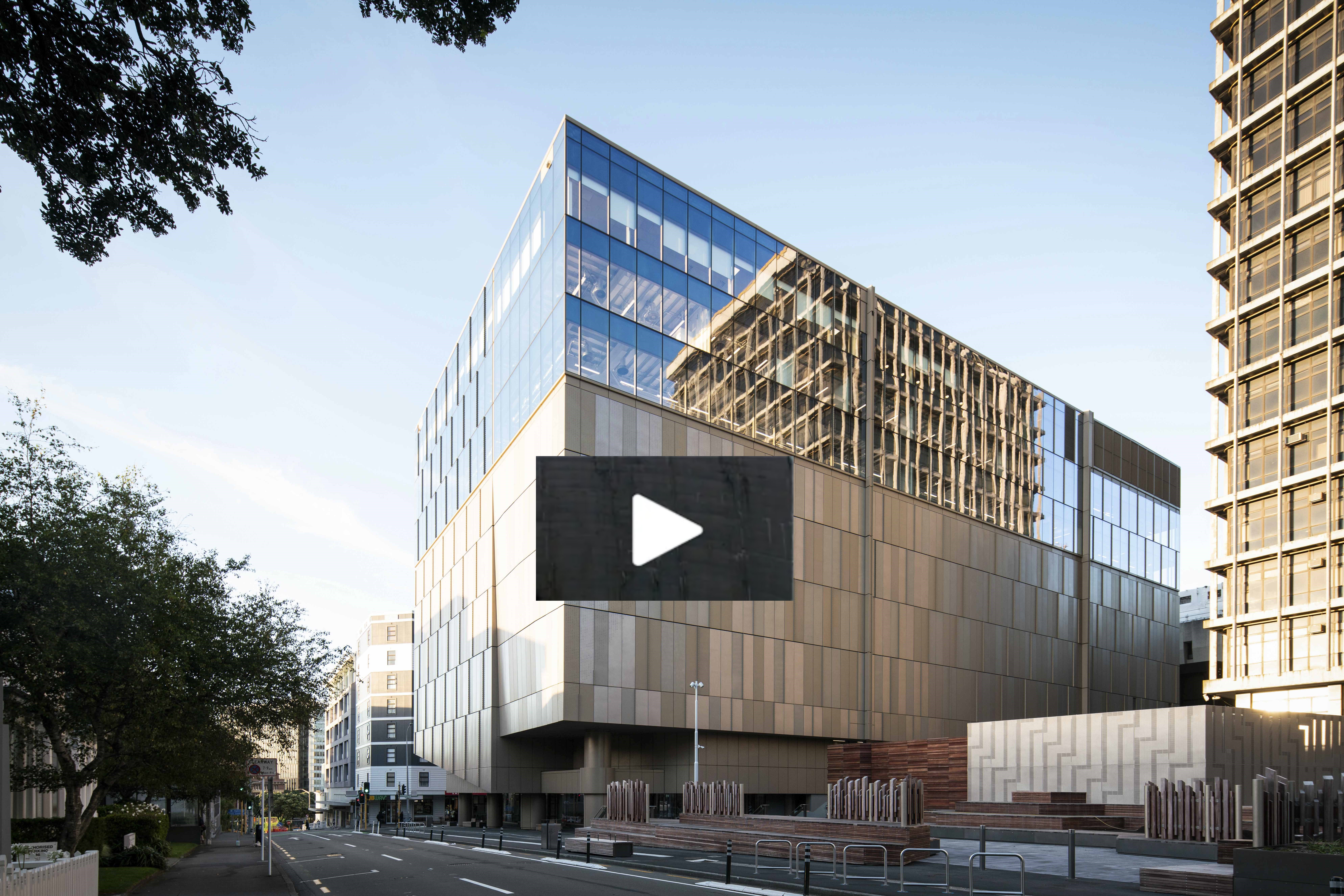
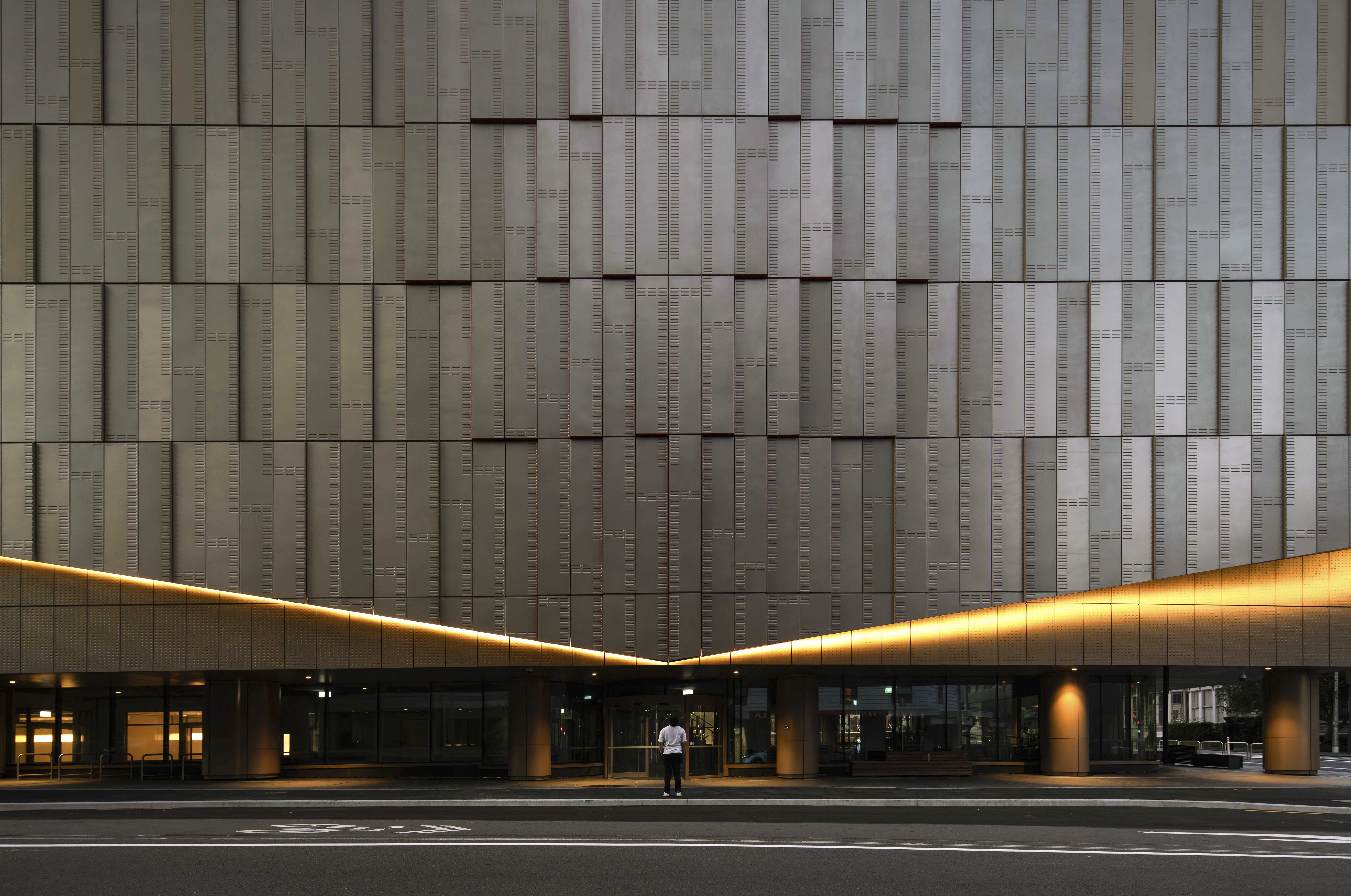
When Warren and Mahoney began work on the new Te Rua Archives Building in Pōneke / Wellington, they weren’t just designing a building. They were designing a century-long legacy: a resilient, culturally grounded, and technologically advanced home for Aotearoa New Zealand’s most precious taonga / treasures.
So, Warren and Mahoney turned to their long-standing partnership with Autodesk, using tools from the Autodesk AEC Collection like Revit, Navisworks and Autodesk Construction Cloud. Working closely with the project’s structural team, they united a vast network of collaborators to deliver one of the country’s most ambitious civic infrastructure projects, setting a new benchmark for design, resilience, and co-governance.
With studios across New Zealand and Australia, Warren and Mahoney is one of the Pacific’s leading architecture firms. Known for their deep commitment to context, community and enduring design, the practice works across sectors from education and civic infrastructure to commercial, cultural, and master planning.
Resilience by design: engineering for a shifting future
Pōneke is no stranger to seismic activity. Following the 2016 Kaikōura earthquake, the previous building on the Archives New Zealand site was deemed irreparable, a stark reminder of the need to design for disruption. From the outset, the brief was bold - zero damage under a maximum seismic event – and so was Warren and Mahoney’s response.
Using Autodesk’s digital design tools, the team modelled the building to accommodate 1.3m of lateral movement (1.6m in the corners, 250mm vertical). All essential services from fire systems to water were coordinated to remain fully functional during and after a quake. With woven pipework, flexible joints, and deep structural allowances, the design became a masterclass in anticipatory architecture.
“We were able to model voids and seismic zones, or what we call the ‘seismic jelly’, as spatial elements within Autodesk Revit,” said Melissa Thompson, Senior Associate and Project Architect at Warren and Mahoney. “That allowed subcontractors to fully understand intent early and avoid clashes before stepping onsite.”
This work helped contribute to on-time, on-budget delivery with minimal requests for information (RFIs), and a building capable of being re-occupied within 24 hours of a major event - a critical requirement for an archive housing the nation’s taonga.
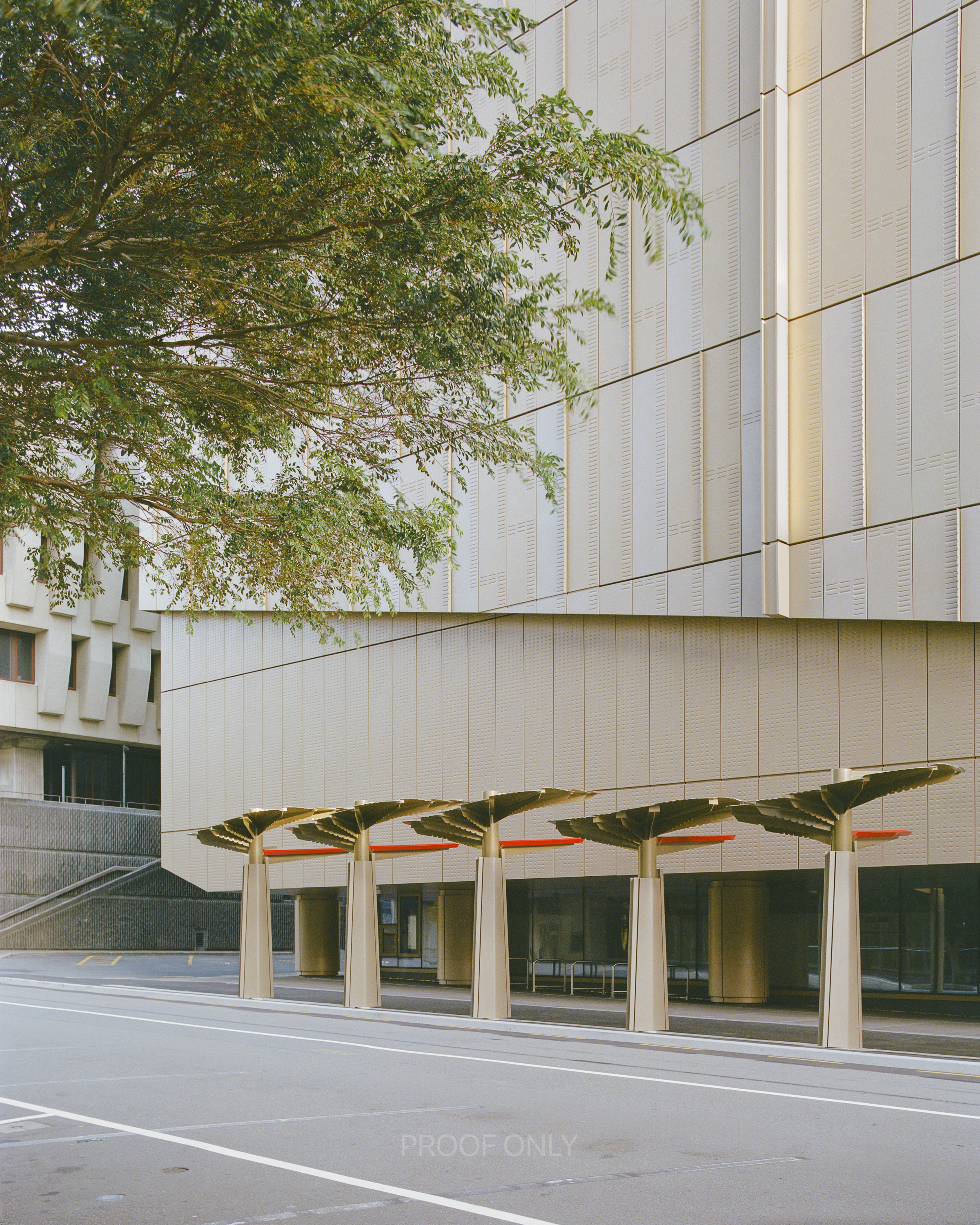
“We were able to model voids and seismic zones, or what we call the ‘seismic jelly’, as spatial elements within Autodesk Revit. That allowed subcontractors to fully understand intent early and avoid clashes before stepping onsite.”
Breaking down silos across teams
The scale of the Te Rua Archives Building project demanded a new level of coordination. With over 100 collaborators, over 10 firms and more than 50 federated models, Warren and Mahoney needed more than just design software; they needed a living, cloud-based environment.
Autodesk Construction Cloud became the shared platform where architects, engineers, cultural advisors, contractors, and clients worked together. Model-based workflows eliminated the friction of traditional processes resulting in less coordination time, review cycles shortened by up to four weeks, a reduction in RFIs and a transformed way of identifying and addressing site queries with greater speed and certainty.
As Anton Shaw, Warren and Mahoney’s Project BIM Manager, explained: “We stopped sending files back and forth. Everyone worked in one environment, with flexible permission structures, so you keep iterating while controlling what’s visible to the right teams at the right time.”
What’s more, this unified model environment wasn’t just a technical solution, it became a cultural one. “There was no hiding,” added Rodney Sampson, Project Principal at Warren and Mahoney. “That transparency built up trust, because everyone could see what was happening, and that made true collaboration possible.”
Honouring Mātauranga Māori in digital form
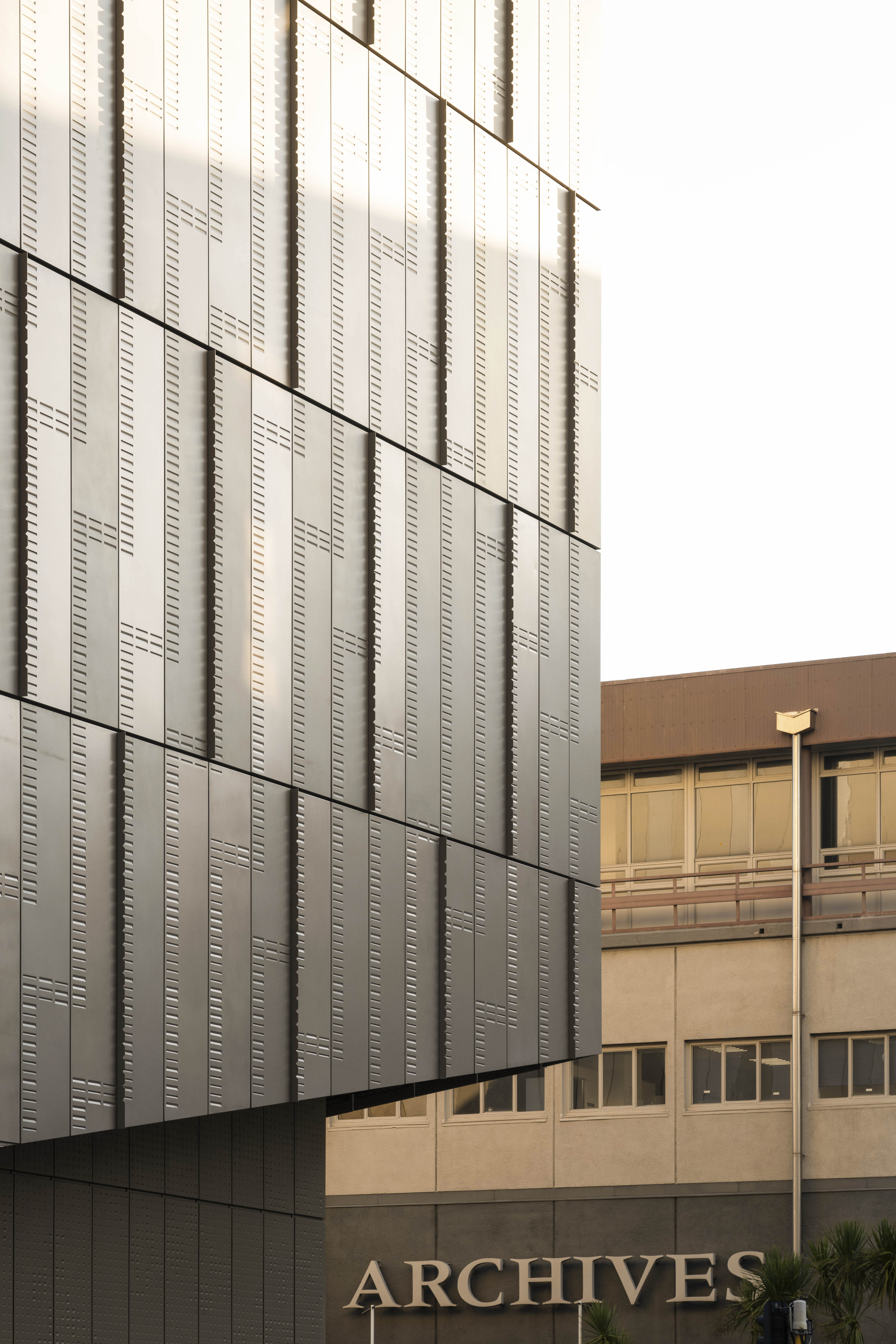
The Te Rua Archives Building is more than a technical facility, it’s a kaitiaki / guardian of stories, language, and identity. That responsibility shaped every design decision, and it was here Autodesk’s tools enabled a breakthrough in cultural engagement.
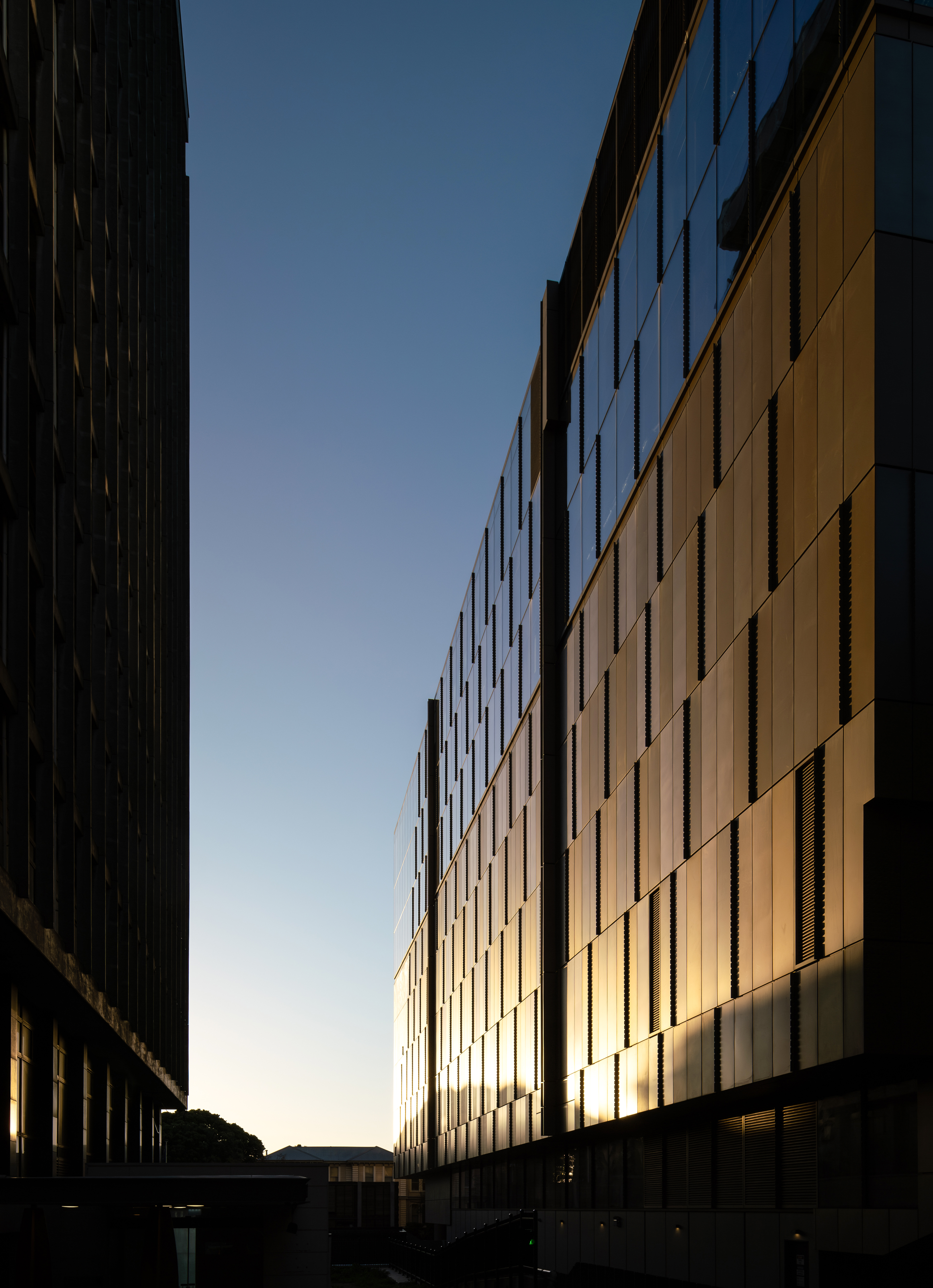
Warren and Mahoney partnered with Māori design collective Tihei to co-design elements of the building, including a 4,000-square-metre façade drawing on traditional carving and tā moko patterns. The lead designer, a master carver and tattooist, worked by hand, translating deep cultural narratives into small-scale marks. Using Autodesk Revit and computational design workflows, Warren and Mahoney transformed those sketches into fabrication-ready geometry without compromising artistic expression or cultural significance.
“This project showed that digital tools don’t dilute culture, they can actually elevate it,” said Brad Sara, Principal and Digital Services Lead at Warren and Mahoney. “We could preserve cultural integrity from concept to construction, and Indigenous artists saw how their work could live on in new materials and scales.”
Innovating with Autodesk over a decade
Warren and Mahoney’s partnership with Autodesk began in 2013 as part of the Christchurch rebuild and has since grown into a dynamic relationship defined by experimentation and global leadership.
From early involvement in product testing for Autodesk Forma to keynote presentations at Autodesk University, Warren and Mahoney has played a role in shaping the future of Autodesk platforms. Their teams provide feedback through early access programs and are often among the first globally to trial emerging tools and workflows, helping Autodesk align its roadmap with the realities of large-scale, culturally significant projects.
That partnership was vital during the Covid pandemic when, within five days, Warren and Mahoney mobilised their entire workforce to work remotely, using BIM 360 to keep work moving seamlessly.
“Growth is exciting, but also hard to manage,” Sara explained. “Autodesk helps us scale without losing cohesion. That ability to grow and still deliver projects like Te Rua Archives Building on time and under budget is no accident. It’s design, enabled by the right technology and the right people.”
“Autodesk helps us scale without losing cohesion. That ability to grow and still deliver projects like Te Rua Archives Building on time and under budget is no accident. It’s design, enabled by the right technology and the right people.”
A blueprint for the future of civic infrastructure
Archives New Zealand isn’t just a facility; it’s a global prototype for the future of public architecture. It blends resilience, sustainability, culture, and technology into one landmark solution, proving what’s possible when the right tools meet the right values.
“This wasn’t about using technology for technology’s sake,” said Sara. “It was about using the right tools to honour the brief, the place, and the people, now and for the next 100 years.”
As Warren and Mahoney and Autodesk look ahead to new opportunities with government partners, iwi / tribes, and developers, the Te Rua Archives Building stands as proof that meaningful innovation is possible when collaboration, culture, and care come first.
Te Rua, the new Archival Building of New Zealand, was delivered by Dexus in partnership with Department of Internal Affairs (DIA).
To find out more or learn how the Autodesk can support your team, click here https://boards.autodesk.com/anzarchitecture