 markuscueva
Inventory optimization with Autodesk FlexSim helps manufacturers and warehouses cut costs, prevent bottlenecks, and boost efficiency using simulation and optimization tools.
FlexSim: 3D Discrete Event Simulation Software
Easy-to-use 3D simulation modeling and analysis software with high-end capabilities. Predict and optimize production processes with realistic 3D visuals and data-driven scenarios.
Inventory optimization has become a mission-critical priority for manufacturers, warehouses, and supply chain leaders. Rising volatility, demand swings, and pressure to cut working capital are forcing organizations to make faster, smarter decisions about inventory levels. But too often, inventory strategies are formed without fully understanding their operational consequences, a critical priority for manufacturers, warehouses, and supplychain leaders. Rising volatility, demand swings, and pressure to cut working capital are forcing organizations to make faster, smarter decisions about inventory levels. But too often, inventory strategies are formed without fully understanding their operational consequences.
Autodesk FlexSim changes that equation.
As a powerful simulation and digital twin platform, FlexSim allows teams to model their operations, test “what if” scenarios, and validate inventory policies before making costly real-world changes. Instead of relying on spreadsheets or guesswork, leaders can explore how adjustments to replenishment, storage, scheduling, and workflows will impact throughput, service levels, and costs.
Below, we explore how FlexSim empowers smarter inventory optimization by addressing seven common challenges identified in industry research.
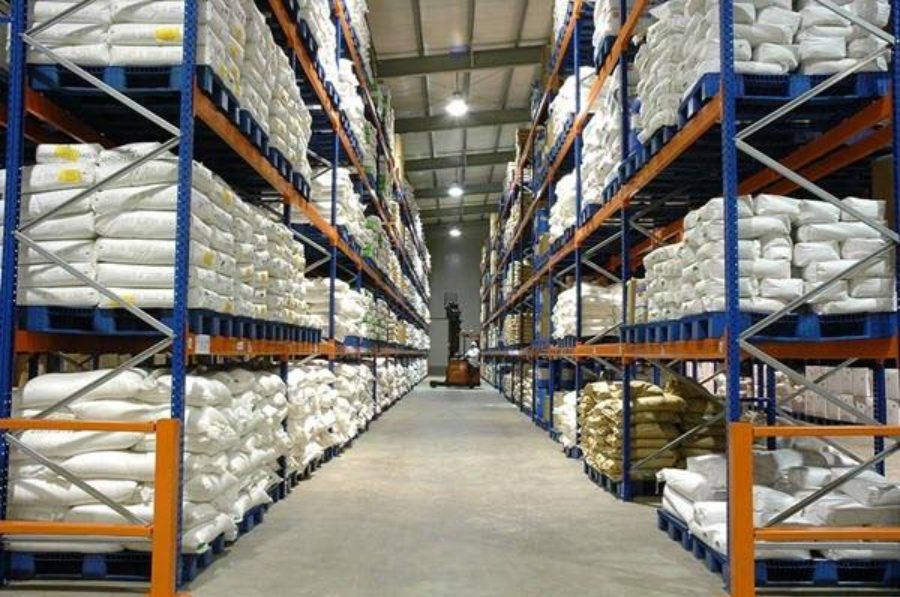
How simulation strengthens inventory optimization strategies
Industry experts have highlighted seven factors that significantly influence an inventory optimization initiative. Autodesk FlexSim provides the predictive modeling needed to navigate each one with confidence.
1. Yard management, appointment planning & dock scheduling
Inventory adjustments often trigger more frequent deliveries—which can overwhelm yards and docks.
How FlexSim helps:
FlexSim’s “what if” analysis lets teams model yard flow, dock availability, and appointment patterns. Users can stress test new inventory policies to identify congestion risks and experiment with alternative schedules, staffing, or layout adjustments before committing to changes. This analysis lets teams model yard flow, dock availability, and appointment patterns. Users can stress test new inventory policies to identify congestion risks and experiment with alternative schedules, staffing, or layout adjustments before committing to changes. Test new inventory policies to identify congestion risks and experiment with alternative schedules, staffing, or layout adjustments before committing to changes.
2. Receiving operations & labor capacity
More delivery cycles typically mean more strain on receiving resources.
How FlexSim helps:
Using simulation, teams can visualize bottlenecks, starved resources, or excessive wait times caused by new inventory targets. FlexSim allows leaders to test different staffing levels, equipment allocations, and process improvements to maintain smooth inbound flow.
3. Quality control workload
Higher inbound frequency can dramatically increase inspection requirements.
How FlexSim helps:
FlexSim models QC steps, sampling rules, inspection resources, and timing. The simulation exposes the actual cost—labor, time, space—of quality processes under new inventory policies and highlights where additional support may be needed.
4. Put away efficiency & storage constraints
Shifting to smaller, more frequent deliveries can fill storage slots with partial pallets and create unexpected congestion.
How FlexSim helps:
FlexSim simulates putaway logic, travel paths, slotting strategies, and labor requirements. This enables companies to evaluate their preparedness for increasing replenishment frequency and identify proactive adjustments for storage and labor planning.
5. Picking, letdowns & lot-tracking complexity
Inventory changes often affect picking demand, lot number tracking, and replenishment timing.
How FlexSim helps:
With FlexSim, teams can test picking strategies, container sizes, letdown frequencies, workforce levels, and SKU variability. Simulation uncovers the operational impacts of new lot sizes and ensures picking processes can handle the workload without compromising accuracy or speed.
6. Inventory control, counts & stock accuracy
Inventory reductions can make cycle counts and physical inventories more tedious and error prone.
How FlexSim helps:
By modeling inventory movement over time, FlexSim reveals where stockouts, loss, or inaccuracies may occur. Teams can evaluate different counting frequencies, buffer levels, auditing methods, and replenishment triggers to maintain accuracy while optimizing overall inventory levels.
7. Preparing for systemwide impact before cutting inventory
Companies often underestimate the ripple effects of inventory adjustments until inefficiencies appear.
How FlexSim helps:
FlexSim provides a risk-free digital environment to experiment with inventory reduction strategies, safety stock adjustments, and replenishment logic. Users can simulate days, weeks, or months of operations in minutes—identifying risks, validating decisions, and strengthening resilience.
Why FlexSim is essential to modern inventory optimization
Inventory optimization is more than a math problem—it is an interconnected operational challenge spanning storage, labor, equipment, flow, and service levels. Autodesk FlexSim gives organizations the ability to:
- Build digital twins of warehousing, factory, and supply chain operationschain operations
- Predict the downstream effects of inventory strategies
- Improve service while lowering working capital
- Test policies without disrupting production
- Optimize staffing, equipment, and slotting using OptQuest
- Reduce bottlenecks, stockouts, and labor imbalances
- Make decisions based on validated, data-driven insightsdriven insights
FlexSim turns operational complexity into actionable clarity—helping manufacturers and logistics teams achieve true inventory optimization with confidence.