Portugal-headquartered data centre infrastructure developer and operator advances Europe’s largest and most sustainable data centre project with Autodesk Forma.
Planning and designing essential data centres demands advanced digital tools and forward-thinking solutions. Headquartered in Lisbon, Start Campus designs, builds and operates large-scale, sustainable data centre infrastructure, relying on Autodesk Forma tools to realise its ambition.
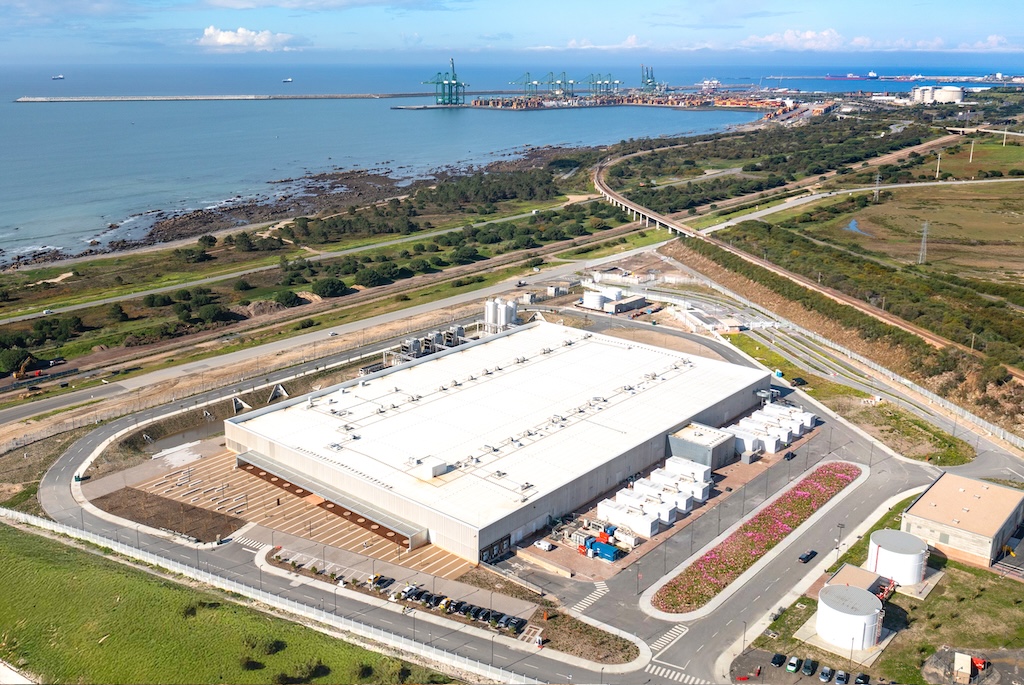
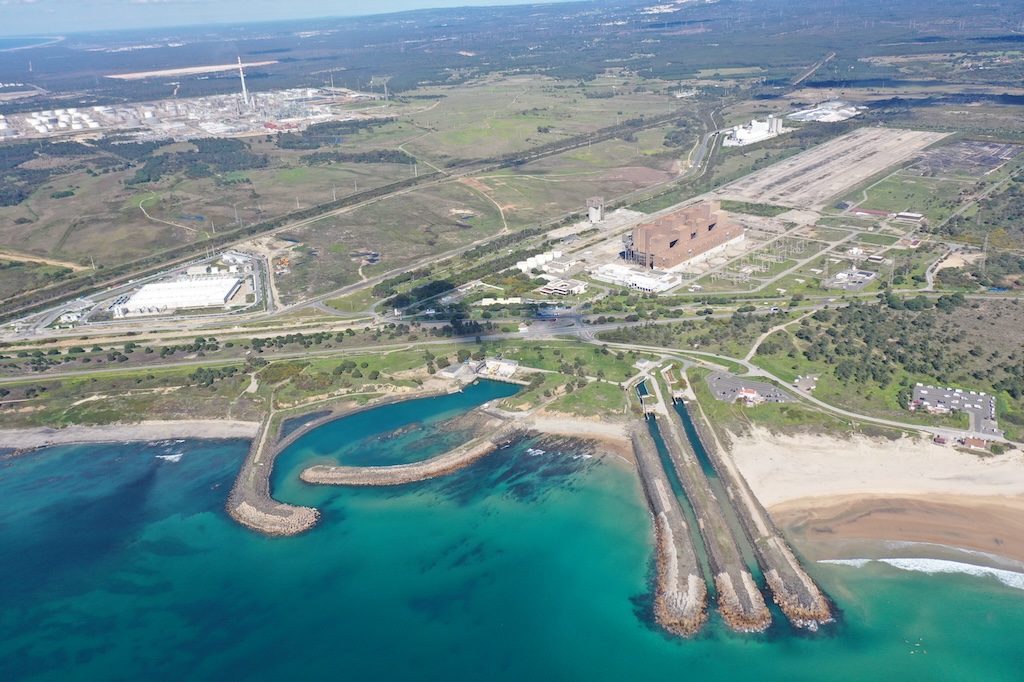
The pioneering firm is currently undertaking the Sines Data Campus (DC), Europe’s most ambitious digital infrastructure development. Located in Sines, Portugal, the €8.5 billion project is set to deliver a 1.2 GW IT facility, underpinned by best-in-class sustainability standards.
From the beginning of the project, Start Campus used Autodesk tools for 3D modelling, real-time design collaboration, clash detection and centralised document management.
“Autodesk Forma is the most complete tool,” says Juliana A. Mizumoto, PhD Head of Bid Management at Start Campus. “It made sense to use Forma tools from the beginning. That was the first step on the first day.”
Learn More About Autodesk Forma
Powered entirely by renewable energy, the campus aligns with key European sustainability initiatives and is developing carbon net-zero buildings.
Moreover, the project harnesses the cooling power of the ocean to efficiently cool the data centre, reducing both energy and freshwater use, to achieve a campus-wide water usage effectiveness (WUE) of zero.
Today, data centres are the backbone of all our digital services. Challenges like scalability, and power and cooling requirements, often hinder data centre developers’ efforts, however.
With this in mind, Start Campus needed a location that could support high-performance, energy-efficient, and reliable digital infrastructure.
With its abundant renewable energy, industrial infrastructure and ample space for scalable, sustainable operations, Sines is ideal for the new data centre. Onsite construction began in 2022, with the first phase completed and operational in 2024.
“Becoming operational was a huge achievement,” says Juliana. “It’s a super-complex project, so to complete the first phase of a fully integrated data centre, including all power, water and infrastructure, was a huge milestone.”
The team used Forma software for conceptual designs and first checks, while Revit helped develop basic models. Navisworks was then used for model exchange with external stakeholders and to detect clashes or errors.
“From the start, Autodesk tools helped us address several key challenges, particularly related to information management, coordination, and project scale,” says Juliana.
Start Campus initially worked with an external contractor on the project. In 2022, however, they parted ways and gained an opportunity to build a digital construction process from scratch in Autodesk Forma (formerly Autodesk Construction Cloud).
“We found ourselves without a contractor,” explains Juliana. “I thought this was our chance to do what we want, the way we want and the way we think it needs to be.”
Bringing everything in-house presented challenges, but Juliana says it was one of the best decisions the team ever made.
“Everything had been outsourced, so we worked with a consultant to transfer data over,” she says. “We started organising everything in Forma. It was an opportunity to design everything how we wanted contractors to work for us.”
To ensure a smooth transition and adoption, Start Campus invested in training for all stakeholders involved.
“The biggest challenge was onboarding contractors,” says Juliana. “You never know what level of digital maturity they have, so we set up standards and invested in training. That was the turning point for us.”
Juliana says implementing Forma was a gamechanger for the team and the project. Storing all information in Forma has given Start Campus greater control over the entire process, boosting collaboration and reducing errors.
“Forma stands out as the most impactful tool for us,” she says. “More than just a platform, it has transformed the way we collaborate across teams, disciplines and project phases.”
A project of this scale means multiple stakeholders working on different streams simultaneously. Forma, however, enabled the team to create a single source of truth for everyone.
“One of the main challenges was dealing with disjointed information across multiple stakeholders,” says Juliana. “With Forma, we were able to establish a centralised and reliable source of truth, enabling transparent and consistent communication across all teams and subcontractors.
“It has significantly improved efficiency, reduced fragmentation and ultimately changed how we manage and deliver our projects.”
Data security is paramount on a project of this size. Juliana says Forma has transformed how the team manages information, ensuring it’s protected at all times.
“Forma allows us to efficiently manage permissions and ensure the right people have access to the right information at the right time, improving coordination and reducing risk.”
Standardised workflows were key to boosting collaboration and efficiency. The Start Campus team used Forma Build to create, manage and automate workflows.
“We designed every workflow related to health and safety,” says Juliana. “Then we created workflows for everything related to design.”
Having standardised workflows, design protocols and processes, as well as transparent communication channels, has been hugely beneficial to the team.
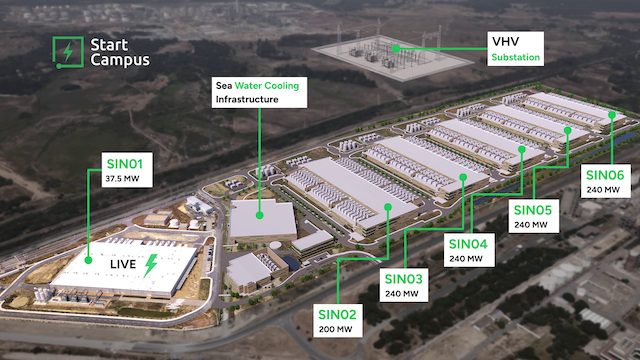
In fact, since standardising workflows and templates from the first completed building, SIN01, the team reduced onboarding for contractors on subsequent buildings by 75%.
“The setup of SIN02 was significantly accelerated, as construction processes had already been structured and standardised based on the experience from SIN01,” explains Juliana.
“This reduced the effort required at project startup, with teams focusing mainly on adapting workflows to new stakeholders and refining existing processes rather than building them from scratch. This efficiency gain has allowed us to shift focus to new areas, such as implementing additional workflows, for example, payment tracking processes, in collaboration with procurement teams.”
Start Campus now controls all project information, ensuring data remains secure and accessible to the right people.
“The information is 100% ours,” says Juliana. “If it exists, we know where to find it. This means safer and more structured information sharing with external stakeholders.”
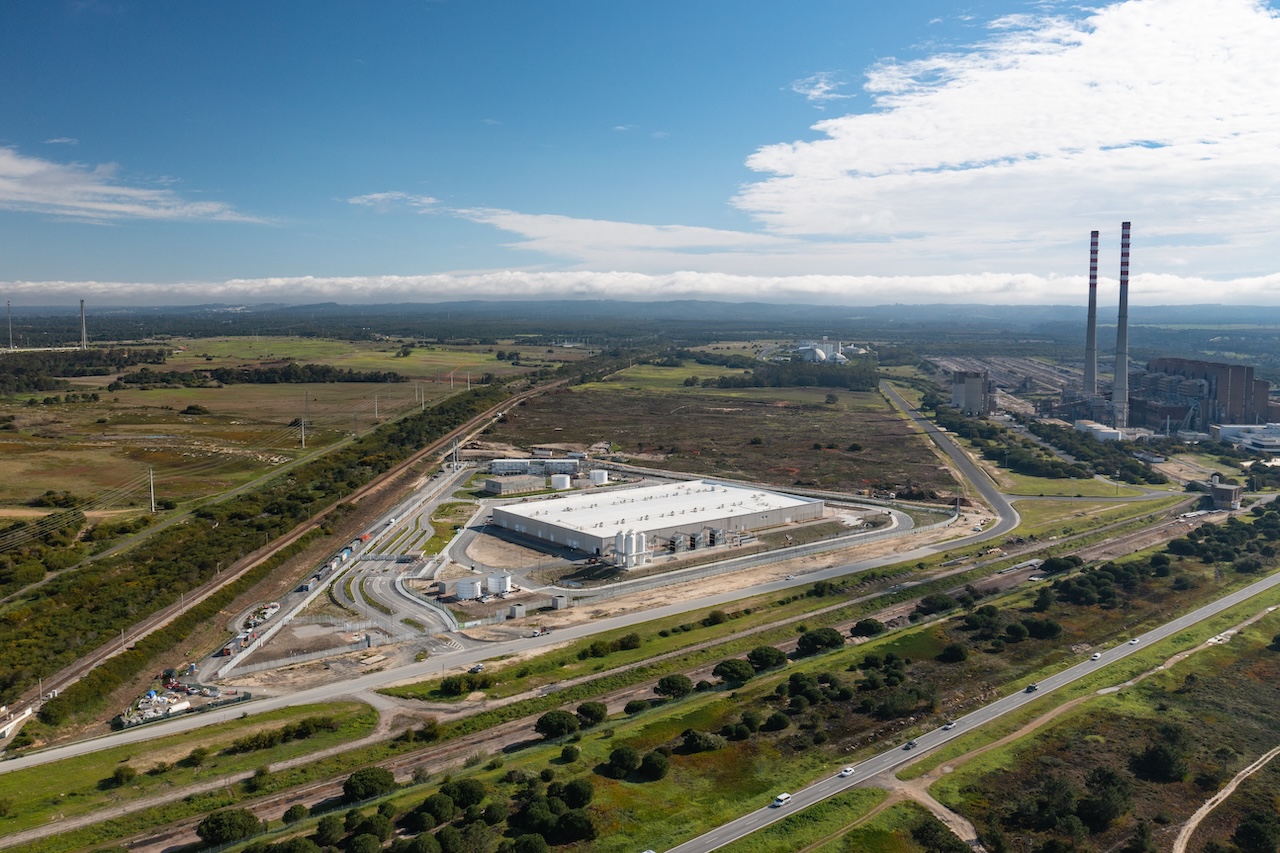
In 2024, Start Campus officially opened SIN01, the project’s first operational building. A monumental achievement, the facility was awarded European Data Center Project of the Year in 2025 at the DatacenterDynamics Awards for its innovative design and commitment to sustainability.
When it came to managing operations of the SIN01 building, the teams needed a practical and reliable solution. They turned to Autodesk’s Tandem to create digital twins to help oversee facility operations and provide real-time visibility for the team and clients.
“Client transparency is at the core of the company,” explains Juliana. “People can only trust you if you have the correct information, and digital twins allow us to do this.”
Juliana says Tandem was straightforward to implement and presents data clearly, making it easy to understand complex building information at a glance.
“It’s easy to implement and I always prefer Autodesk tools,” she says. “It doesn’t make sense to use other software if our main focus is collaboration, especially when integration is already ensured within these tools.”
For Juliana, digital twins are invaluable for anyone involved in a building project, from owners to IT managers to engineers, who rely on accurate, up-to-date information.
“When anyone looks at a digital twin, they know they’re seeing something accurate,” she says. “Even if they’re not in the construction industry, they can see the model and trust it’s the correct information.”
Construction of SIN02 (200 MWs) is commencing soon and delivery is expected in Q4 2027. Five more buildings are then planned to complete the complex, making it Europe’s largest and most sustainable data centre infrastructure.
According to Juliana, the team plans to continue using Autodesk tools to help complete the build.
“Automation and data standardisation support faster delivery and scalability,” she says. “As the project grows in complexity and scale, having a connected ecosystem becomes increasingly important.”
Learn more about how Autodesk Forma can help you streamline ways of working and boost efficiency.