Across North America, contractors and communities are facing a dual challenge: a rising frequency of climate-driven disasters and a critical shortage of skilled workers ready to rebuild. Nonetheless, this gap presents an enormous opportunity for emerging talent, especially students who are eager to apply creativity, engineering, and empathy to solve real problems in their communities.
Whether responding to wildfires in California or rising sea levels on the East Coast, builders are adapting quickly and turning to digital tools, advanced fabrication, AI-supported design, and new forms of cross-sector collaboration to meet the accelerating demands of recovery. Resilience is now a fundamental component of how we design and build.
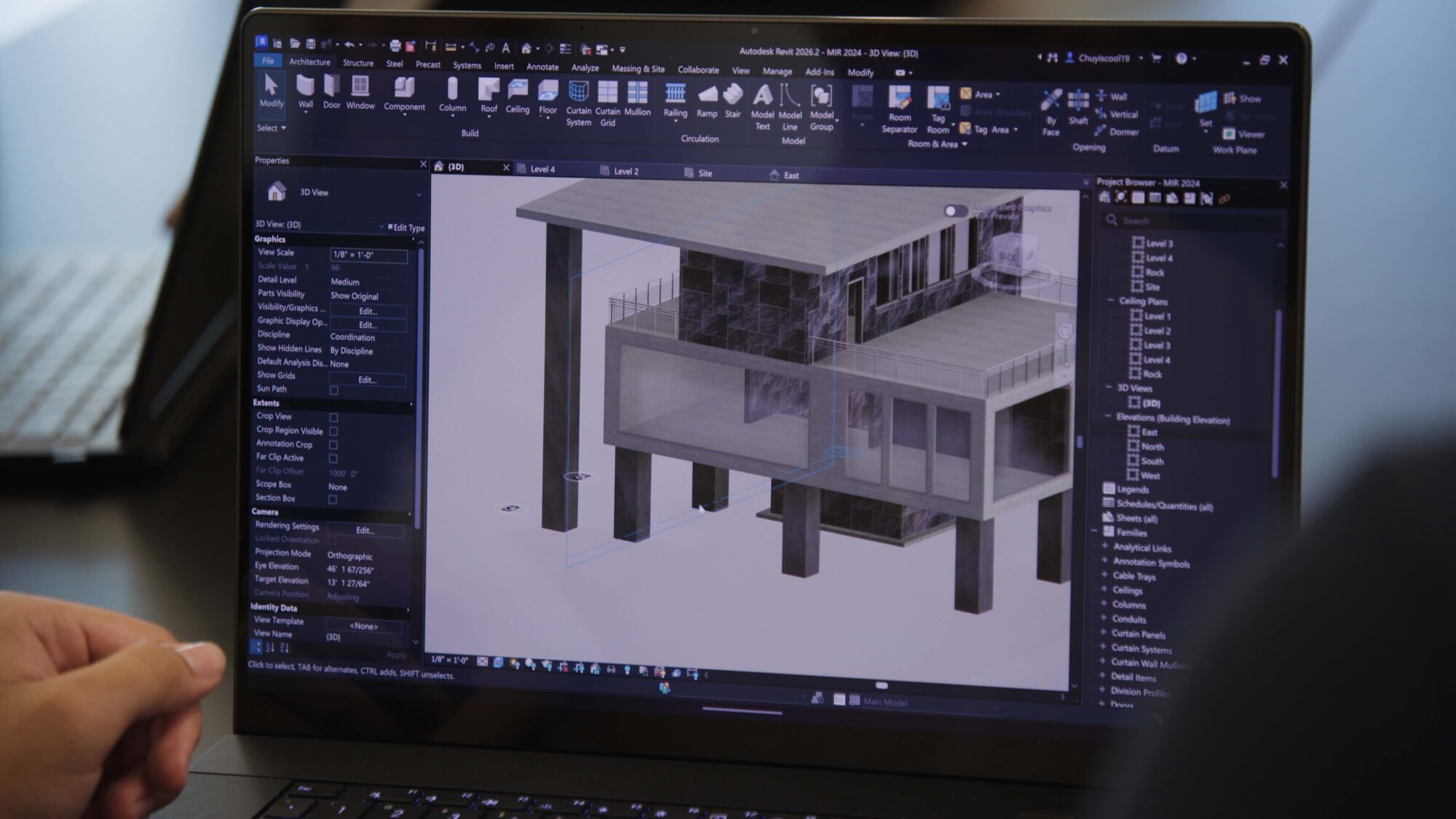
Autodesk’s latest Design & Make It Real: Make It Heal program is meant to help students step directly into this moment. Part design challenge, part workforce pathway, part storytelling platform, Make It Heal empowers learners to explore how construction, technology, and human-centered design can create spaces that support recovery, dignity, and belonging after disaster.
And it all begins with a single question: What if the built environment could be part of the healing?
Launching this week, Make It Heal invites secondary and post-secondary students across the U.S. and Canada to imagine structures that help communities move forward after transformative events. For instance, students may design a school rebuilt after a flood, a community center that anchors residents after a devastating storm, a healing garden for trauma recovery, or a modular public shelter designed for speed, dignity, and resilience.
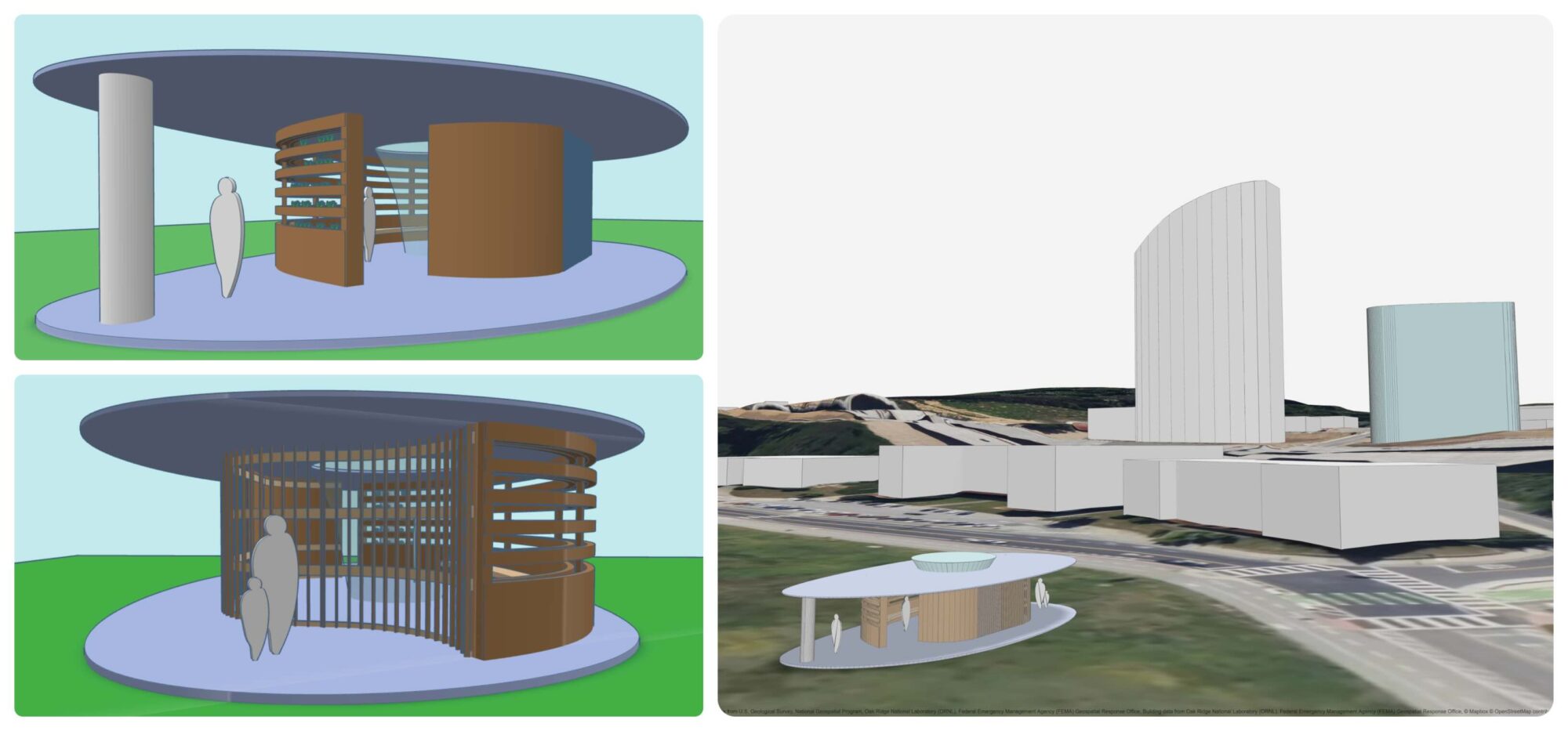
The Make It Heal starter model is a “kit of parts” designed in Autodesk Tinkercad (left) that shows how students can rapidly explore concepts using simple geometric components. The starter kit also guides learners through taking these early ideas into Autodesk Forma (right), where they can test their design on a real site, analyze context, and refine it for climate resilience.
The challenge distributes over $75,000 in scholarship awards and prizes, with categories that reflect real-world AECO skill sets:
For many students, this competition will serve as their first introduction to STEM digital workflows and interdisciplinary collaboration shaping the future of architecture, engineering, construction, and operations (AECO)—skills that correlate directly with growing workforce needs.
But Make It Heal is more than a contest. It is the foundation of a larger storytelling effort, including a new four-part film series starring New England pro quarterback and aerospace engineer Joshua Dobbs, who has become a vocal advocate for connecting STEM skills to purpose-driven building.
In the Make It Heal film series, Josh Dobbs travels from wildfire-struck neighborhoods in Los Angeles to the Autodesk Technology Center in Boston, where he meets with students, educators, and builders who are redefining what it means to design and make with resilience in mind.
Dobbs, whose background bridges professional sports and aerospace engineering, brings a unique perspective to this exploration of recovery and innovation.
In the opening episode, filmed along the shoreline at dusk, Dobbs reflects: “In one moment, it all can be taken away from you. You can’t undo the past—but you can choose what happens next.”
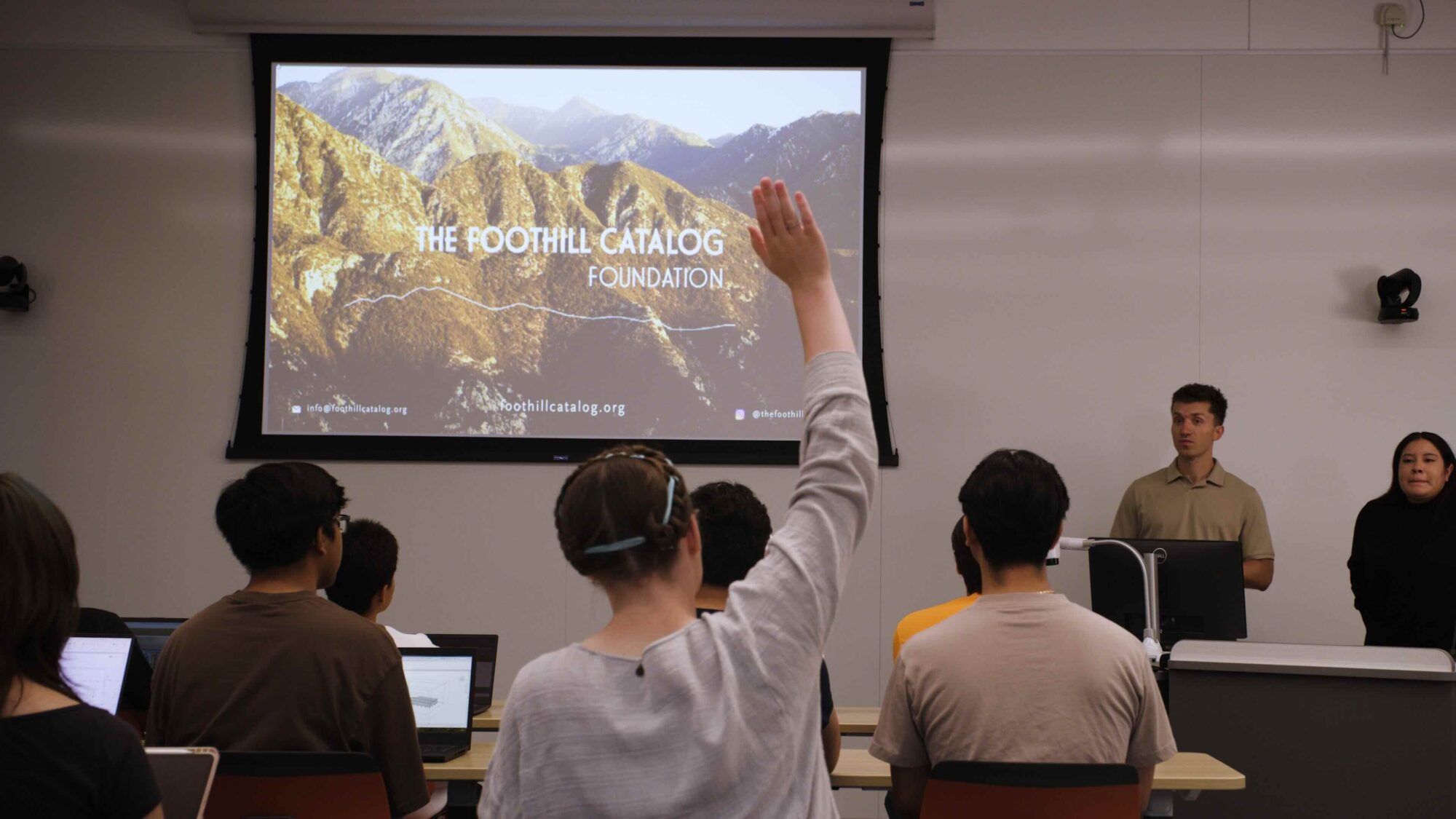
His journey leads him to students at California State University, Northridge, who are learning how The Foothill Catalog Foundation (TFCF), a local nonprofit of building professionals, uses outcome-based BIM to create a catalog of pre-approved home designs that streamline rebuilding for LA residents. While all catalog designs are produced and vetted by licensed volunteer architects, TFCF also engages with students to gather early-stage ideas and expand thinking around how designers can support communities recovering from disaster.
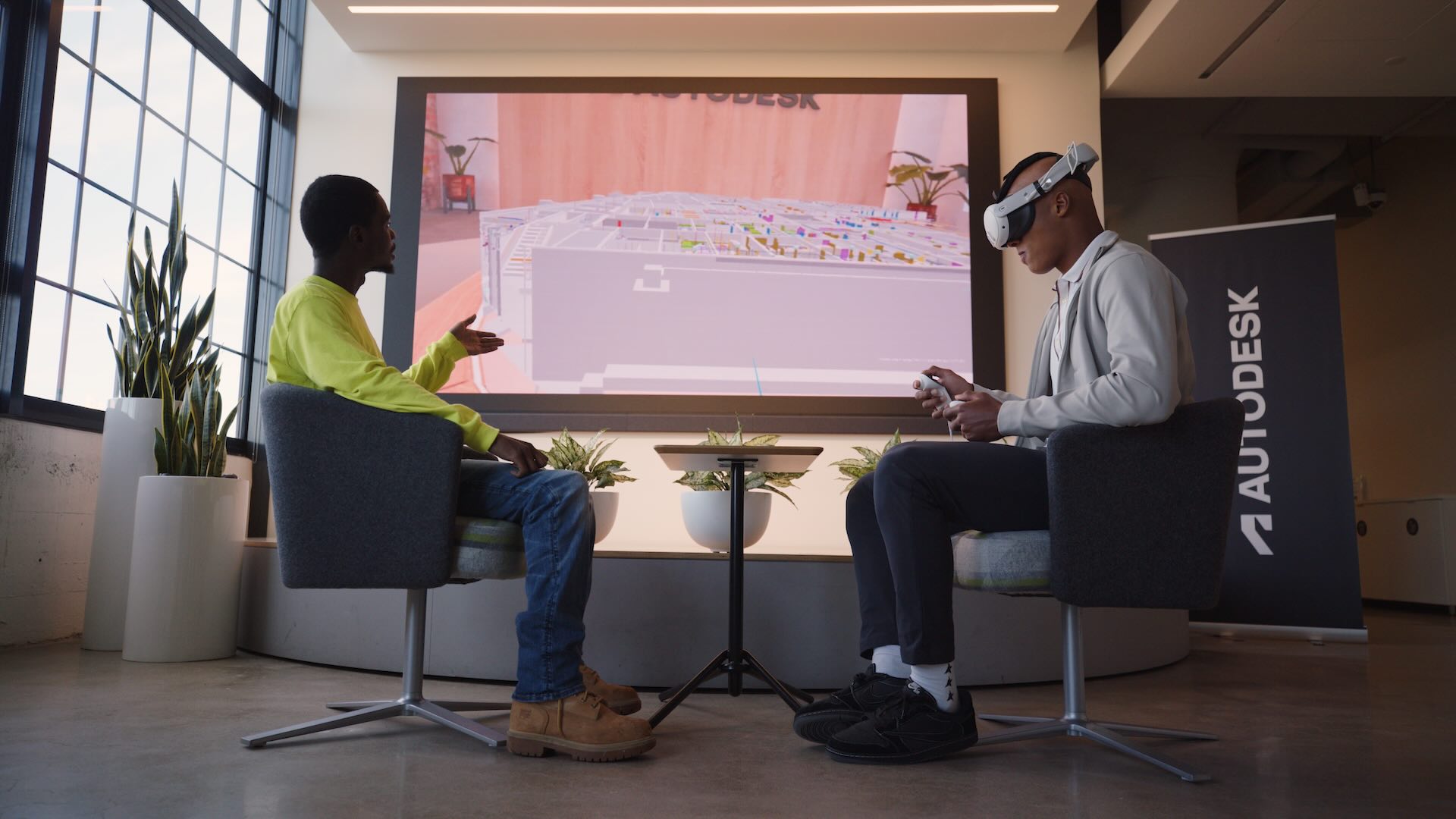
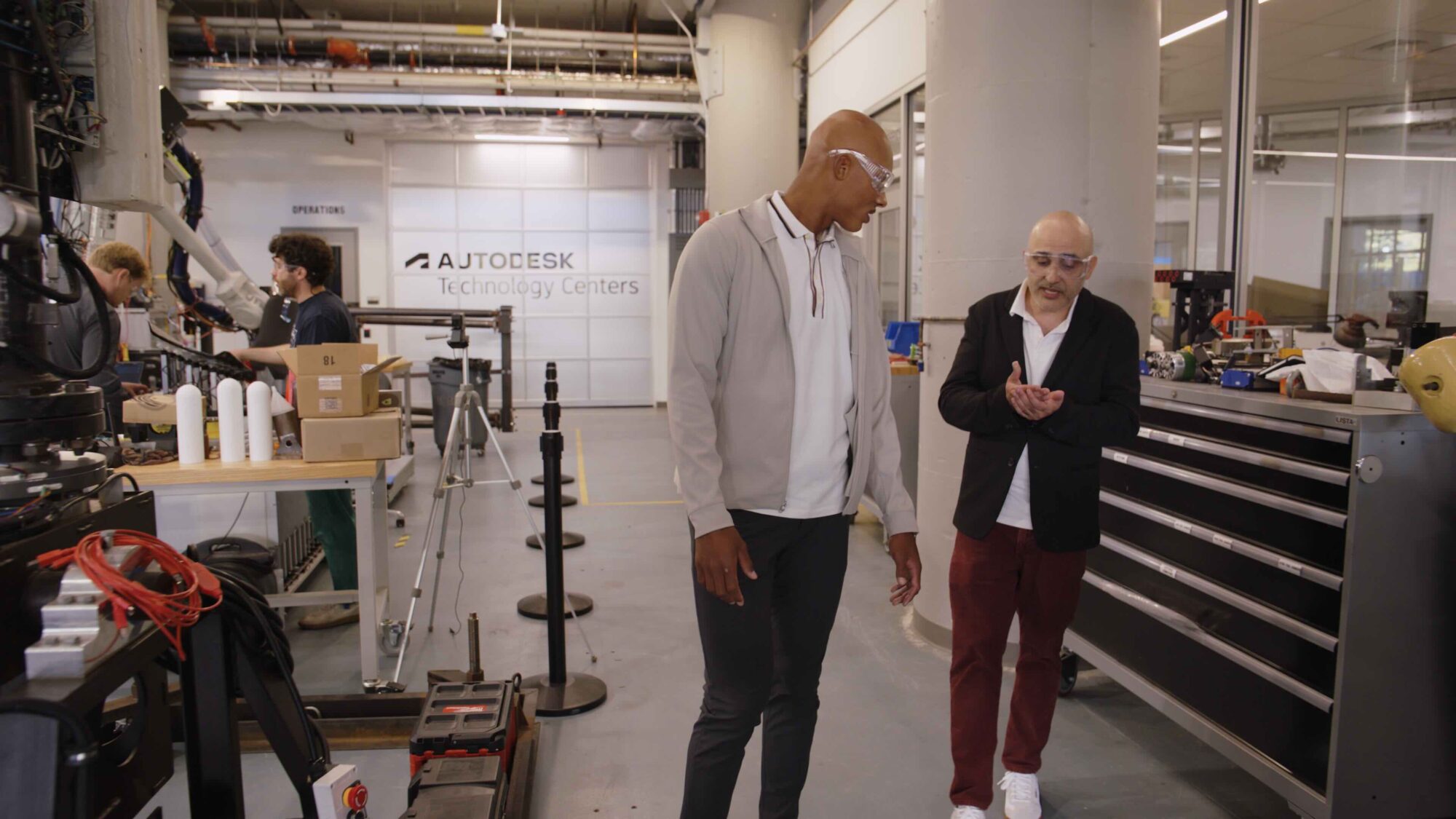
Later, in Boston, Dobbs steps inside the Autodesk Technology Center, where robotics, simulation, and fabrication tools demonstrate how the industry is preparing to future-proof against natural disasters. He meets with leaders from DPR Construction, who show how immersive modeling and AI-driven planning are transforming how they deliver complex healthcare projects.
“We’re not just building for today—we’re building for impact,” says Steve Sheahan, Northeast Region Healthcare Core Market Leader at DPR Construction. “Technology helps us see the full picture before we ever break ground.”
For Keyshawn Kavanaugh, a young carpentry apprentice featured in the series, access to digital tools was transformative. He said, “The first time I walked through a building in VR, it clicked. I thought—oh. I get it now. I can build this.”
From Los Angeles to Boston, the films reveal a powerful truth: when people have the tools and support to design their future, they also gain the ability to rebuild what matters most.
In the Make It Heal challenge, students will identify a site affected by a disaster and propose a structure that supports emotional, physical, or social healing.
Successful submissions will:
Students may work individually or in teams of up to five. To find inspiration from past innovators, you can explore the stories of last year’s finalists—eight student designers whose affordable-housing solutions reimagined what belonging can look like in the built environment: Building Belonging: 8 Student Designers Reimagining Affordable Housing
Make It Heal addresses two critical pressures in today’s construction industry: a severe labor shortage and the demand for climate-resilient infrastructure. The U.S. construction sector faces an estimated 236,000 unfilled positions, according to Associated Builders and Contractors, and this gap will continue to widen as hundreds of thousands of experienced tradespeople retire. Global demand for climate-resilient infrastructure only adds to this urgency.
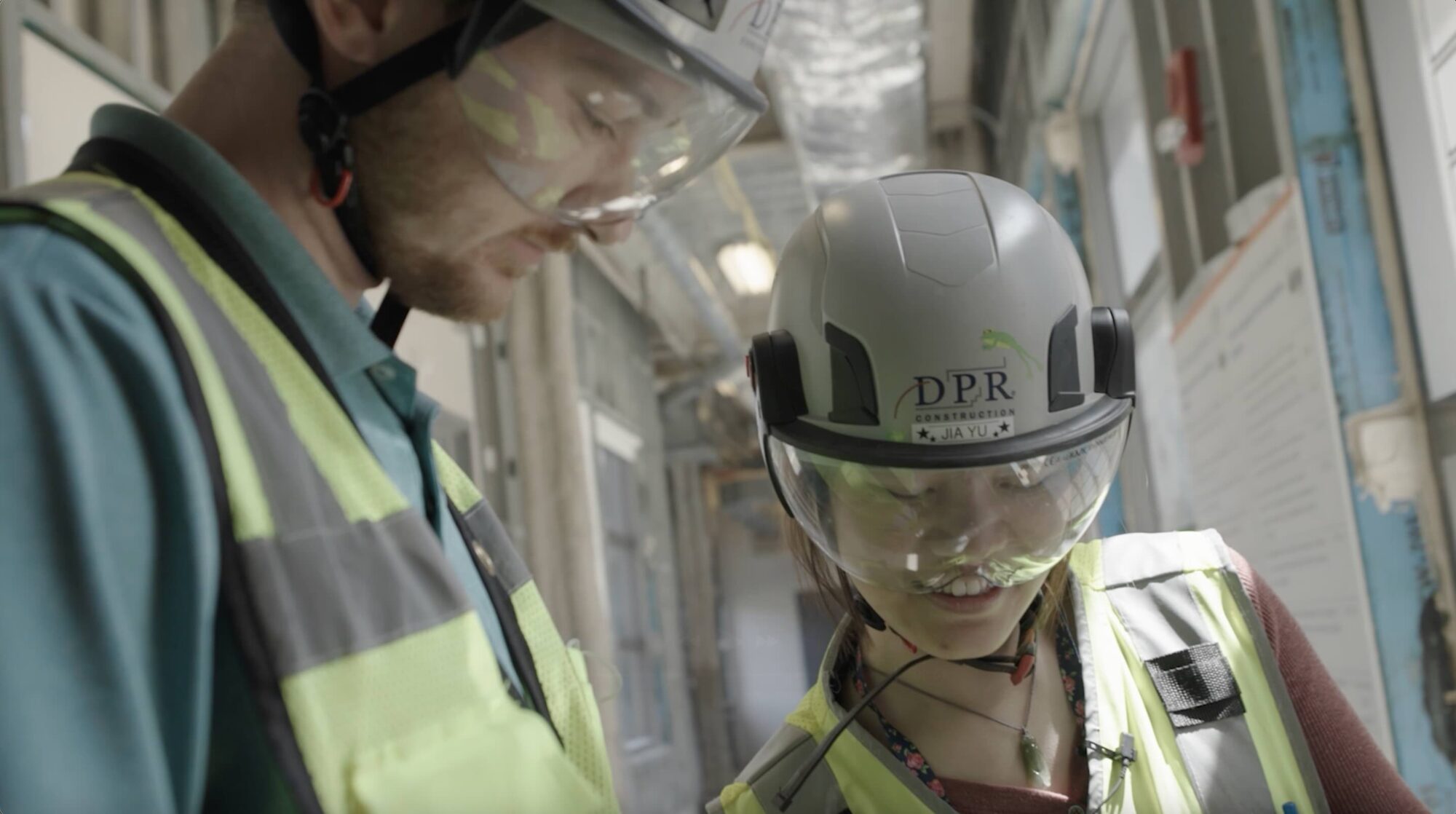
Photo credit: DPR Construction
Sidharth Haksar, Autodesk’s Vice President and Head of Construction Strategy & Partnerships, sees the contest as a way to spark the next generation of talent. “When students learn with industry-relevant tools, they don’t just gain technical skills—they gain agency,” said Haksar. “They see themselves as part of the solution.”
Aligned with this mission, Autodesk is partnering with the ACE Mentor Program to launch a new Summer Trades Institute & Externship Initiative in 2026. This program will provide $500 scholarships for 50 high school students to access construction camps, externships, and trade-focused learning experiences across four regions. Students will use Autodesk tools to document their projects, blending hands-on craft with digital literacy.
The goal is simple: remove barriers, expand opportunities, and help students discover meaningful, high-demand careers in the trades.
The Design & Make It Real: Make It Heal program officially kicked off at the Autodesk Technology Center in Boston, where the world premiere of the new film series brought together students, educators, and industry leaders. Dobbs sat down with Gerard Georges of Build Health International for a filmed Digital Builder conversation about how human-centered design and construction can restore dignity, safety, and hope.
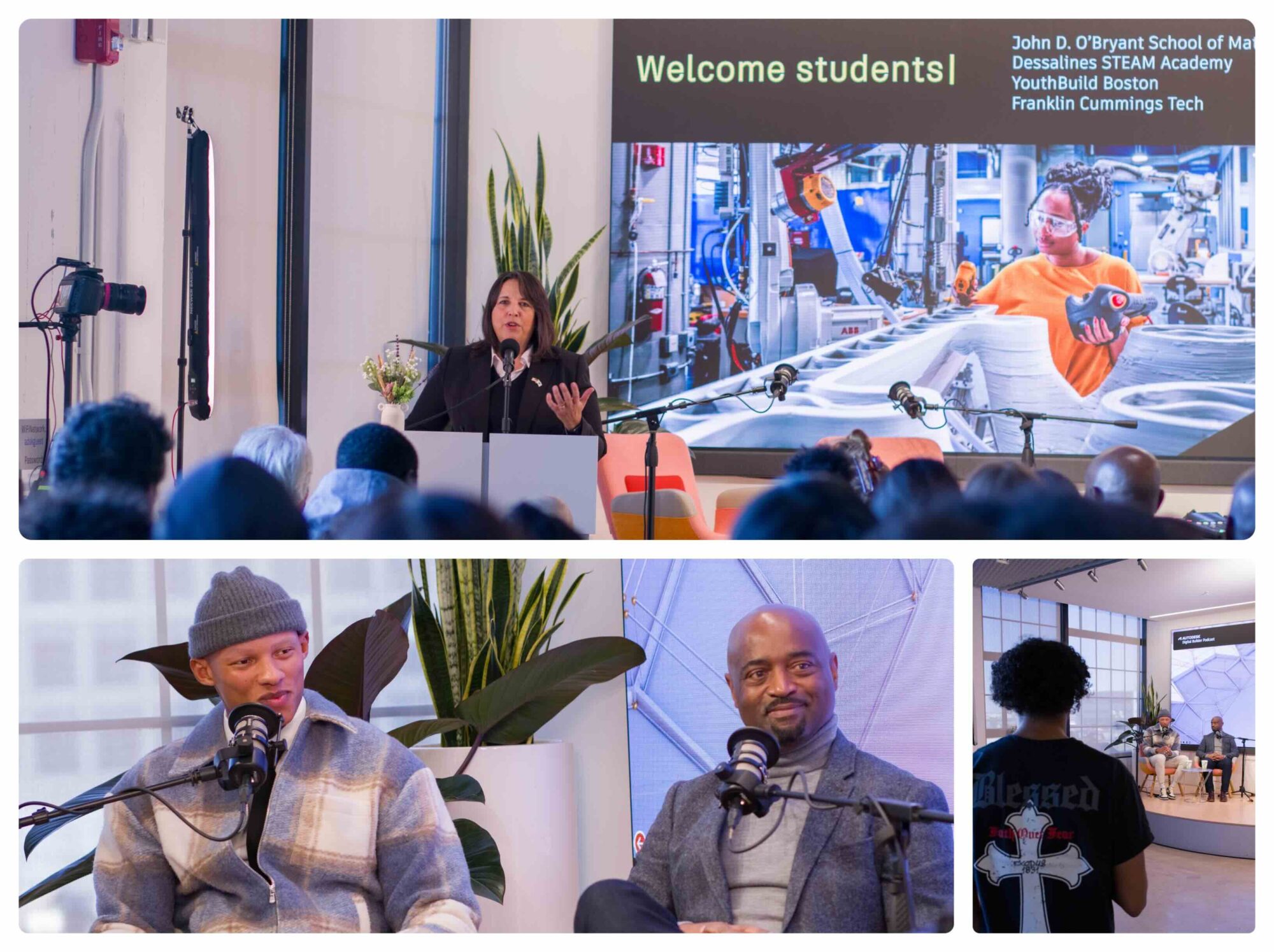
The day featured tours of the Tech Center’s robotics, fabrication, and simulation labs and a hands-on design challenge where students moved from a Tinkercad digital starter kit into Autodesk Forma for environmental analysis and other AI-enabled workflows, demonstrating how industry tools translate ideas into resilient, testable solutions.
Massachusetts Lieutenant Governor Kim Driscoll opened the celebration by underscoring the Commonwealth’s focus on widening access to skills, trades, and career pathways, so students are prepared to lead. “Here in Massachusetts, we're ranked the number one state for public education, the number one state for healthcare, and the number one state for an innovation economy. We're a state that believes in science, research, and progress,” said Lt. Gov. Driscoll. “We see it every day, and Autodesk is a clear example of that belief in action. It's through collaboration and partnership with companies like Autodesk that we’re able to better prepare our future workforce.”
The contest will run through spring 2026, inviting students across the U.S. and Canada to bring forward their boldest, most empathetic ideas.
Dobbs captures the spirit of the program in one of his closing voiceovers for the films: “When you have the tools, the skills, and the vision to shape what’s next… this is where healing starts.”
Students and educators can access learning resources, starter models, contest details, and the Make It Heal film series at: autodesk.com/makeitreal
Because the future of construction isn’t only about building more—it’s about building with meaning. And the next generation is ready to lead us there.