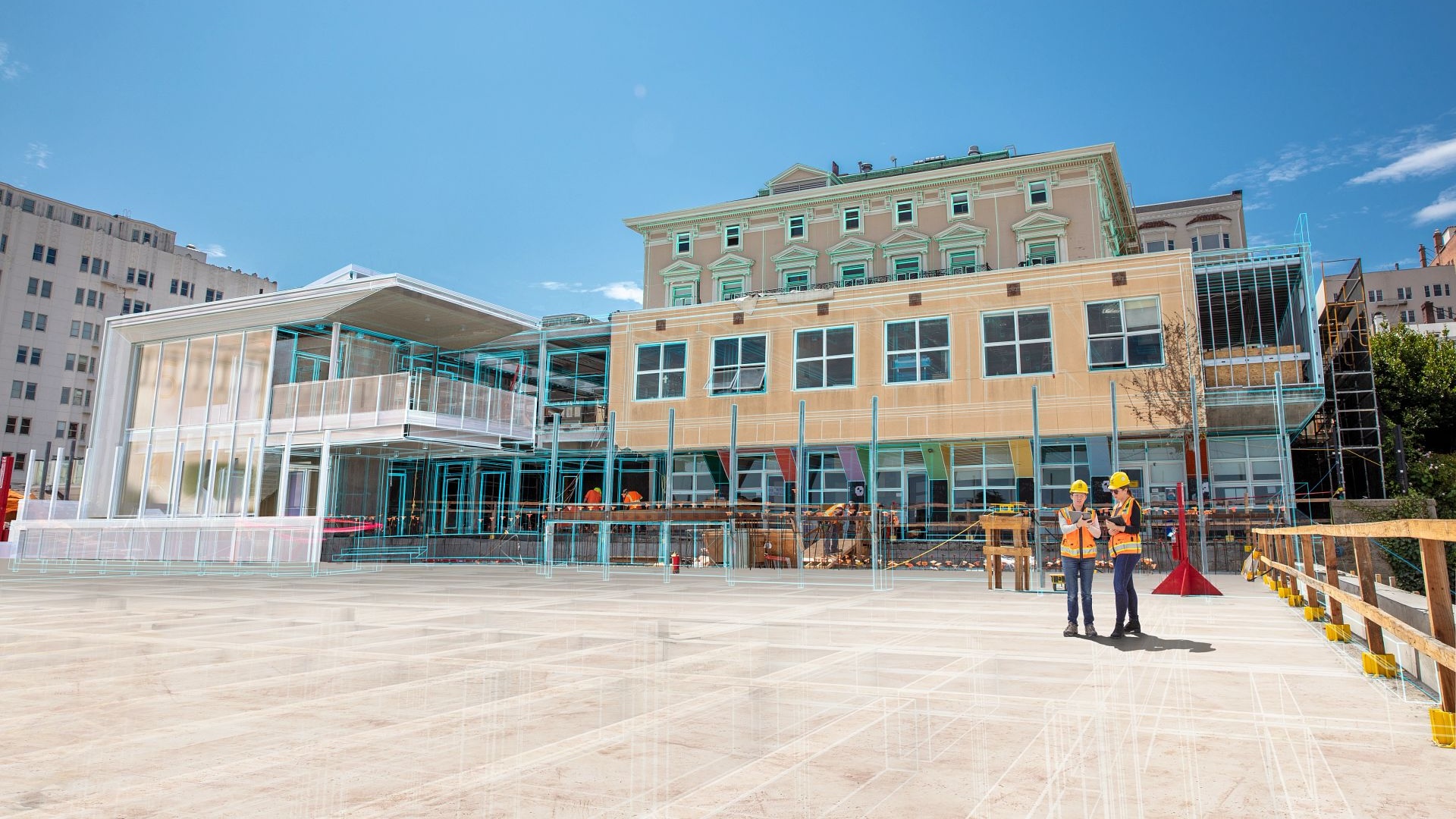
Building construction is an ancient human activity that began purely from a functional need to provide shelter from the elements. Over time, human beings have adapted to a variety of climates. The first human shelters were basic structures that did not last long. Building construction has since evolved to shape the built environment we know and love today, encompassing not only buildings but also essential infrastructure such as roads and bridges.
Now, more durable structures are available thanks to the development of durable construction materials, elaborate building techniques and processes, and improvements in construction labor, as well as a better understanding of a breadth of building components. Understanding different building types is crucial for ensuring safety procedures and optimizing design considerations across various construction scenarios. Additionally, new materials and innovative techniques are continually being developed to improve building resilience, sustainability, and efficiency.
Building construction is a complex undertaking, involving a diverse range of construction projects, including residential, commercial, and infrastructure projects such as bridges and roads. Succeeding requires a lot of time, effort, and financial investment. The first step to a successful construction project is to develop an extensive plan.
The building construction process must be done step by step to ensure an efficient construction process. Consider important aspects such as the purpose of the building, finances, utility, and demand for work before starting the planning phase.
This article will discuss the building construction process from start to finish.
Table of contents:
Building construction describes the physical activity on a construction site that contributes to building or structure construction. This process involves unloading plant, machinery, materials, cladding, fixture, fitting of installations, formwork, and external finish.
The building construction process is a series of routine tasks completed by skilled persons. It involves a lot of time and tedious work and must be managed carefully. This process can be split into three phases: preconstruction, construction, and post-construction.
Before a project begins, the client must work closely with the design team and contractor to develop the project plan. The preconstruction process is where the contractor and the design team develop detailed drawings, budgets, schedules, and labor projections. In this phase, construction management plays a crucial role in this phase by ensuring that all aspects of the preconstruction process are coordinated efficiently, helping to align project goals, resources, and timelines.
The core team defines the project and prepares cost estimates depending on the client’s budget. The team must also identify potential risks and develop solutions to ensure optimal use of resources.
The preconstruction phase is characterized by deliberate thoroughness to ensure that all potential needs are identified and addressed early. Regular communication between the core project team and the consultants is vital during preconstruction.
The most crucial step in building construction is acquiring land for the project. The location should be well-suited for the project requirements. Before the land acquisition, it is best to conduct feasibility studies to ensure the land is strategically located and is free from land-related issues. It is also necessary to evaluate the project’s cost-effectiveness before kickoff.
Timing also plays a critical role in land acquisition as it relates to the building construction process. Certain projects (such as infrastructure and institutional educational projects), require construction to fall in a certain time period, season, or set of favorable weather conditions.
The preconstruction phase starts with an initial meeting between the client and the general contractor. The parties can familiarize themselves with each other. It also allows contractors to understand the client’s needs.
The two parties must define the goals and objectives of the project at this stage. The client has an opportunity to ask questions that the contractor must resolve. The contractor must use this meeting to understand the client’s vision and decide whether or not they can execute it.
The initial meeting allows the contractor to determine the scope of work, the feasibility of the project, and the amount of work required. The contractor can then define the project deliverables and outline a schedule.
Once the initial meeting is completed, the contractor can visit the site and develop a design and layout. Building construction involves a considerable quantity of material and budget, and it is easy for costs to overrun. Once the planning and structural detailing is done, the construction estimator shares the details.
The construction estimator estimates the quantity and quality of materials needed. The contractor will then develop a budget that includes estimated costs of labor, materials, machinery, and other requirements. The budget will depend on the quality and quantity of materials needed.
If financial resources are limited, the contractor and the property owner must seek pre-approval loans before construction.
Once the project scope is laid out and the contractor has done a site visit, it is time to develop a project schedule. The schedule defines when certain aspects of the work will start and end.
The schedule is typically updated during the project lifecycle to paint a clearer picture of construction timelines. Project scheduling is crucial as it affects overall project costs and profit margins.
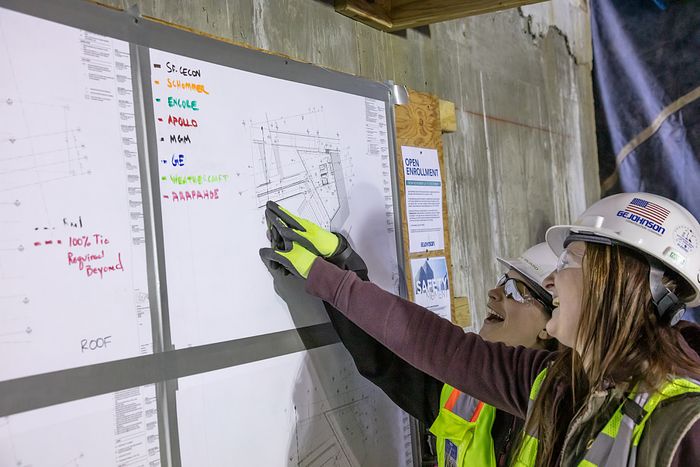
Selecting construction type of a building is a fundamental consideration in the building construction process. It ultimately determines the materials and methods used to create the structure. In the construction industry, there are five main types of building construction: fire-resistive, non-combustible, ordinary, heavy timber, and wood-framed. Each construction type offers distinct advantages and challenges, but it influences everything from fire resistance and safety to durability and maintenance needs.
Fire-resistive construction, often used in high rise buildings and school buildings, relies on materials like reinforced concrete and protected steel to maximize fire resistance and structural integrity. Non-combustible construction uses steel and concrete materials that do not contribute to fire spread. It's a popular choice for industrial construction and large commercial projects. Ordinary construction, sometimes known as brick and joist structures, combines masonry exterior walls with wooden interior elements in order to balance cost and performance. Finally, heavy timber construction features large wooden components and exposed wood, providing both strength and aesthetics, while wood-framed construction is commonly used residential projects due to its cost-effectiveness and ease of assembly.
Understanding construction type is essential for the entire project team including architects, engineers, and contractors, as it impacts compliance with building codes, safety standards, and project management decisions.
After choosing the construction type, building materials selection will subsequently shape the structure’s performance, appearance, as well as sustainability. In addition to construction type which will determine fire resistance, building materials is influenced by climate, budget, owner requirements, and the desired aesthetics of the finished building.
Combustible materials, such as wood, are often chosen because they are multi-use and cost-effectiveness, especially in residential and lightweight construction. On the other hand, non-combustible materials, including brick, stone, and steel, are preferred for their fire resistance and durability, making them ideal for more durable structures and industrial construction. The use of sustainable and eco-friendly building materials is on the rise, as the construction industry seeks to reduce carbon emissions and minimize the environmental impact of new construction.
Tools like building information modeling (BIM) have revolutionized the way construction professionals estimate material quantities, manage costs, and ensure quality control. In turn, this will help project teams to optimize material selection, reduce waste, and improve overall safety and efficiency throughout the construction process.
Design and permitting are the next phases of the construction process. During the design phase, the design team specifies the building elements such as walls, floors, and roofs, taking into account their fire resistance and material composition, as well as needed layout for functionality. Oftentimes, design and permitting are not completely linear after preconstruction. Sequencing could also vary depending on the project delivery method. The final design will guide how the building is constructed using the chosen materials and methods.
During this part of the construction process, the design team (architects, engineers, and other specialists) will typically meet with the property owner. Based on the project requirements and scope, the design team will work to create a detailed drawings of the project with specifications.
The design phase provides a foundation for a project moving forward. Accuracy and collaboration are thus critical in this phase to ensure designs meet any regulatory, safety, and other owner-specified requirements. When mistakes happen in design and are not addressed prior to the construction phase, they can have a big impact in schedule and budgets.
Knowledge and tools play an essential role in design phase success. Design teams need to be up to speed on relevant building codes, zoning requirements, and any sustainability requirements of the project. Computer-aided design (CAD), building information modeling (BIM), and other model coordination tools are all vital for modern architects and designers to use in this phase to efficiently and accurately produce drawings and specifications.
After designs are finalized, permitting and approvals are the next steps in the construction process. Drawings and specifications produced by the design team are submitted to relevant local agencies and authorities to ensure the project complies with any regulations or codes. At times, this phase may require community outreach from local groups or neighborhoods to ensure the project can proceed without roadblocks. Permitting is ultimately crucial for avoiding legal issues and keeping building teams as well as end users safe once operational.
With the project plan and team in place, it is time to clear the site and start building. The building construction phase is where the project comes to life. It is a critical step because it involves multiple working parts and deadlines.
Each contractor and subcontractor must now execute the plan, from site preparation to construction..
Site preparation is the clearing of the site in readiness for construction. Site preparation clears the way for other remedial or demolition work required before workers start constructing the building.
Site clearing involves removing rubbish, machinery, equipment, and unwanted materials. Some site preparation activities may require approvals. The workers must take care not to destroy any trees that are meant to be protected.
A site waste management plan (SWMP) is essential to ensure materials are managed and disposed of efficiently and legally. The SWMP also outlines the reuse and recycling of materials where possible. Only professional disposal experts should handle hazardous substances like asbestos and contaminated waste.
Site preparation is typically carried out under the main construction contract but can be carried out in advance. Site preparation can also be part of a wider enabling works contract, including soil stabilization, demolition, construction of access roads, and services diversion.
The construction process begins at excavation and ends once the interior and exterior finishes are complete.
Once the site is cleared, it is time for excavation. Excavation refers to the removal of earth to form a cavity in the ground. Small sites may do excavation manually using shovels, picks, and wheelbarrows. However, heavy plant machinery is used in large-scale excavations.
Excavation can be classified according to the material being removed, for instance, topsoil, muck, earth, and rock excavation. It can also be classified according to the purpose: trench, road, basement, and bridge excavation.
The cleared and excavated site is now ready for construction, and the foundation can be poured. The foundation is the lower part of the substructure. It transfers the building’s loads to the ground.
The foundation is built according to the architect’s drawings. The drawings determine the foundation’s length, width, depth, size, and type.
Concrete foundations are widely used for building structures. However, the choice of foundation can vary depending on the water table level and soil composition of the location. Soil testing is crucial to determine the bearing capacity of the soil.
Shallow foundations may be adequate for low-rise buildings. However, pile foundations are best for high-rise buildings. Builders will place formworks and reinforcements in the excavated trenches to construct the foundation. The Engineer must monitor the reinforcement works.
Framing is the installation of wood frames and steel beams to support the building. It is a time-consuming but crucial part of building construction as it sets the groundwork for the rest of the building.
Now that the framing is complete, it is time to begin the masonry work. The architect’s drawings will determine the material used: ash brick, concrete blocks, or bricks.
The masons bind the building materials using a cement mortar mix, leaving gas for the doors, windows, and doorways.
The specialty contractors are brought in to complete the rough plumbing and electrical work. This process involves installing pipes and wires under the floors, ceilings, and walls.
The electrical and plumbing work is not completed at this stage; only the rough work is done to enable drywall, insulation, and ceiling installation. The point and pipe ends must be left out and finished later with plumbing fixtures and electrical fittings.
This step is important to ensure that electrical and plumbing work is not visible after finishing. Additionally, proper installation of electrical and plumbing systems is necessary for the ongoing maintenance and functionality of any operational building.
Once the basic structure is done, it is crucial to select appropriate materials and ensure proper fire resistance for roofs as required by the different types of building construction. Roofing protects the interior from the weather elements, preventing damage and disruptions. The contractors should be brought in to start working on the exterior of the building while roofing is being installed.
Exterior finishing involves plastering the external parts of the building. In some building types, exterior finishing may involve the use of combustible exterior walls, which can impact the building's fire safety. It also involves external cladding to elevate the house.
With a roof and exterior walls in place, it is time to address the heating and cooling needs of the building. This process involves the installation of vents, ducts, heating units, and cooling systems.
The next step is to plaster the internal walls for a smooth finish and install tiles on the floor. Interior finishing also includes installing drywall, ceiling, and insulation. The electrician can also come in and finish the outlets and install the light fixtures.
The construction is almost complete now, and it is time to complete the plumbing fittings in the kitchen and bathrooms. Toilets, cabinets, windows, and doors are fitted too.
Waterproofing is the process of preventing water from penetrating the building. Waterproofing is done to reduce humidity and keep the house dry.
Painting gives the house a beautiful finish and protects it from exposure to rain, dirt, sunlight, and stains. A good paint job can give a building 5 to 10 extra years of life.
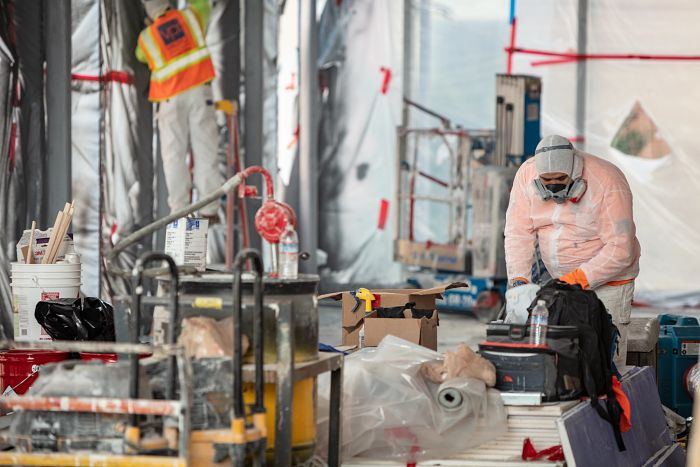
Safety is a constant priority for construction teams. When it comes to safety, the construction industry faces unique challenges, as building sites are dynamic environments with inherent risks, including falls, electrical hazards, and heavy equipment accidents. To protect workers and future occupants, construction companies must prioritize safety at every stage of the construction process.
Part of this involves strict adherence to building codes and safety regulations to ensure that all construction activities meet established standards for fire safety, structural integrity, and emergency preparedness. Regular safety training, the use of personal protective equipment (PPE), and ongoing site inspections help minimize risks and foster a culture of safety on the jobsite. Underpinning all safety programs is clear communication and well-defined emergency procedures and construction site safety plan that are critical for responding effectively to any incidents that may arise.
By integrating safety considerations into every aspect of the construction process, from planning and material selection to execution and final inspection, teams can deliver buildings that are not only functional and attractive but also safe for everyone who uses or works within them.
Construction quality control and management is a vital activity of the building construction process. This ensures that every aspect of the project meets the required standards and specifications. In the construction industry, quality control involves systematic inspections, testing, and documentation of building materials, components, and workmanship throughout the construction process.
Effective quality control starts with the careful selection and evaluation of building materials, ensuring they meet performance and safety requirements. Regular site inspections and the use of quality control checklists and punch lists help identify potential issues early. When contractors implement comprehensive quality control protocols,they can deliver buildings that are safe, durable, and compliant with all relevant regulations and owners' expectations. This commitment to quality not only protects the investment in the building but also enhances the reputation of everyone involved in the construction process.
The post-construction phase is the final process before the building is handed over to the client or owner. The post-construction phase includes completing the punch list items and the final walk-through. A punch list is a document that lists all the contract items a contractor must fulfill to be paid.
Once the construction is complete, the team must walk through the building to confirm that all the project specifications have been met. The contractor and the architect must certify that the building is fully functional.
If the architect is satisfied, they will issue a certificate of satisfactory completion. The relevant supervisors must confirm that the building meets the local authorities’ requirements, and the local government will issue a certificate of occupancy.
During construction project closeout, the contractor can now hand over the building to the owner. The owner is given substantial time to confirm that they are comfortable operating every aspect of the new building. The contractor can provide training and support as necessary.
The contractor also must hand over all the plans, models, and operation manuals to the owner.

Even after construction is complete, ongoing maintenance and timely repairs are essential for preserving the long-term value and functionality of any building. In the construction industry, proactive maintenance helps extend the lifespan of building materials and systems, reduces long-term operation costs, as well as ensures the safety and comfort of occupants.
The maintenance process involves regular inspections of building components, such as roofing, HVAC, plumbing, and electrical systems, as well as routine tasks like cleaning, lubrication, and replacement of worn parts. Digital tools, like digital twin software, have made it easier to schedule, track, and document maintenance activities.
By investing in preventive and predictive maintenance strategies, building owners and operation teams can identify potential issues before they become major problems, minimize downtime, and control repair costs. Not only does this approach support the long-term performance of the building, but it also aligns with best practices in construction project management and sustainability.
The building construction process is essential to the success of any construction project. It consumes a lot of time and resources but ensures no stone is left unturned.
The building construction process can be split into three main phases, preconstruction, construction, and post-construction. The three main phases of construction involve many systematic activities.
The preconstruction phase includes acquiring land, strategic design, preparing budgets and estimates, acquiring licenses and permits, and hiring experts. The construction phase involves site preparation, excavation, foundation, framing, masonry work, roofing, interior finishes, and exterior finishes.
Finally, post-construction involves the final walkthrough and the handover of the completed building.
The building construction process starts from preconstruction, construction, and finally, post-construction. Each of these phases involves different activities.
The construction project cycle begins from strategic definition and design to construction and then handover.
Construction order refers to the major sequence of work followed while constructing a building. Construction order typically starts with marking, excavation, foundation, framing, brick masonry, roofing, flooring, and finishing. All these steps include several activities.
The first step of building construction is ensuring the ground is cleared and graded properly. The next step after preparing the land is pouring the foundation. The type of foundation is determined by the type and size of the building.
The skeleton is then created through framing. The walls and windows, doors, and fittings are installed. The electrical and plumbing are done Next. The roof is put up, and the finishing is done.