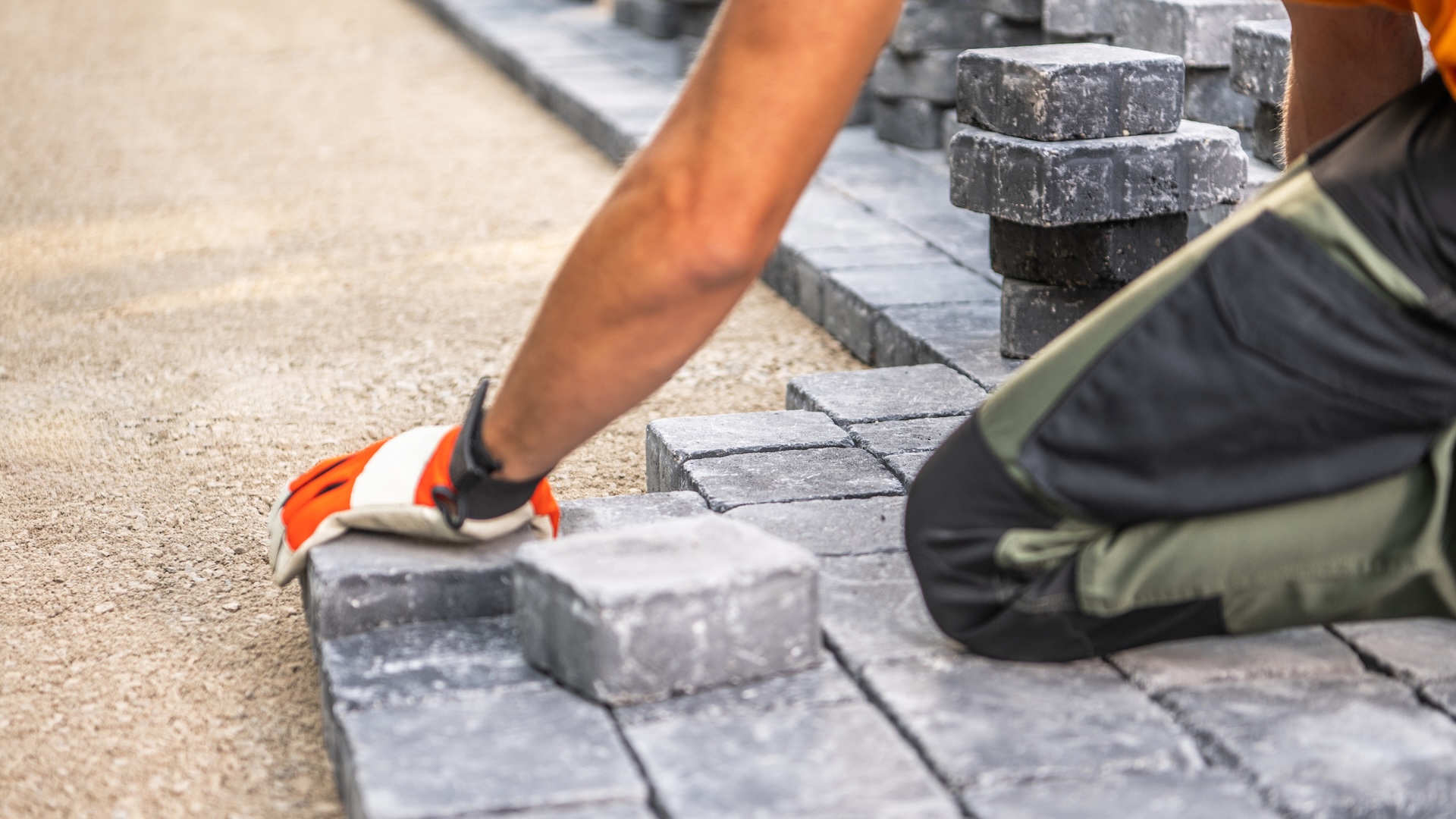
Masonry construction remains one of the most trusted building methods in the industry. From structural walls to architectural facades – brick, stone, and concrete masonry units can deliver performance that lasts decades.
As with many other building systems, masonry construction comes with clear advantages, tradeoffs, and scenarios where it makes the most sense.
This guide covers everything you need to know about masonry construction – materials, best practices, and the tools that help teams build with confidence.
Table of Contents
Masonry construction is the process of building structures from individual units like brick, stone, or concrete block, set in mortar and arranged to create strong, durable walls and structural elements.
You’ll see masonry across commercial building shells, schools, hospitals, civic centers, and multifamily housing.
It’s also common in site walls, retaining walls, chimneys, piers, and decorative facades. Contractors rely on masonry when projects call for long-term durability, fire resistance, sound control, and low maintenance.
Masonry vs. framed walls (steel or wood) - Framed walls go up fast and are often more flexible when it comes to layout changes. They typically cost less upfront and make it easier to run MEP systems. Masonry takes more time and skilled labor, but it delivers superior durability, fire resistance, and sound control. If the project demands long-term performance and low maintenance, masonry often wins. If speed and adaptability are the priority, framed systems may make more sense.
There are a lot of areas where masonry shines, but it also has limitations. Consider the following.
Let’s take a closer look at the different masonry materials and their use cases
Clay brick is modular, durable, and consistent in size, which helps crews maintain alignment and bond patterns. It offers strong compressive strength and comes in a wide range of colors and textures. Designers can use running bond, stack bond, herringbone, and other patterns to shape the building’s look. You’ll often see clay brick in veneers, schools, multifamily housing, and civic buildings where long-term durability and architectural character matter.
CMUs come in standard sizes, typically 8-inch nominal blocks, though widths vary based on structural needs. Most are hollow, which allows crews to place reinforcement and grout in selected cells. CMU works well for load-bearing walls, foundations, and fire-rated assemblies. Bond beams and reinforced cells help improve lateral strength in seismic or high-wind regions.
Natural stone can serve as structural masonry, but it’s more commonly used as a veneer anchored to a backup wall. Common categories include:
Manufactured stone offers lighter weight and easier installation while mimicking natural textures. Proper anchorage and flashing matter, especially in exterior applications exposed to moisture. Stone performs well in high-visibility areas where aesthetics and durability are top priorities.
AAC is made by creating air pores in a cement/lime/sand slurry and curing it in a steam autoclave. It is lightweight compared to traditional masonry and offers built-in insulation due to its air pockets. Crews can cut and shape it easily on site, which speeds installation. It reduces structural loads but requires special fasteners and anchors because it’s less dense than standard concrete. AAC works well in projects focused on energy efficiency and faster enclosure.
| Mortar Type | Typical Use | Relative Strength |
| M | Foundations, retaining walls | Highest |
| S | Below-grade, structural | High |
| N | Above-grade, general use | Moderate |
| O | Interior, non-load-bearing | Low |
Mortar binds masonry units and affects overall wall performance. It helps distribute loads while sealing gaps against moisture paths. Type M offers the highest compressive strength and is used below grade or in heavy load conditions. Type S typically works well for structural walls. Type N balances strength and flexibility, making it common for above-grade walls. Type O is lower strength and suited for interior or non-load-bearing work.
Grout and steel reinforcement are added when walls need extra structural capacity. Reinforced masonry improves resistance to lateral loads from wind or seismic activity. Crews typically grout in lifts, following code limits on pour height, and use clean-outs at the base of walls to remove debris before placement. Proper consolidation ensures full contact around rebar and prevents voids that weaken performance.
Understanding how masonry comes together at the system level helps teams design smarter walls and avoid issues later.
Load-bearing masonry supports vertical and lateral loads directly through the wall system. It reduces the need for additional framing but requires careful structural design. Veneer systems, on the other hand, rely on a backup wall such as steel studs or CMU to carry the load. The masonry acts as a cladding layer tied back with anchors. There is often a cavity/drainage plane to manage water infiltration. Veneer offers more flexibility and lighter structural demands, while load-bearing systems can simplify the overall structure.
Reinforced masonry uses vertical and horizontal steel reinforcement within grouted cells. Vertical bars strengthen walls against uplift and lateral forces. Horizontal reinforcement, including bond beams, helps distribute loads and control cracking. Lintels span openings and support masonry above doors and windows. This approach increases structural capacity and improves performance in seismic or high-wind regions.
Cavity walls create a space between the exterior masonry wythe and the backup wall. Insulation typically sits against the backup wall, while an air and water barrier protects the building envelope. Flashing directs moisture out of the system, and weeps allow trapped water to drain. When detailed properly, cavity walls manage moisture effectively and improve energy performance.
Masonry expands and contracts with temperature and moisture changes. Control and expansion joints help manage movement and reduce cracking. Slip connections allow the structure to move independently from the masonry veneer. Anchors must accommodate expected movement while maintaining structural support.
In seismic and high-wind zones, masonry must resist lateral forces. Diaphragm anchorage connects walls to floors and roofs so the building acts as a unified system. Designers account for out-of-plane loads that push or pull on wall surfaces. Reinforcement, anchorage spacing, mortar selection, and connection detailing all play a role in maintaining stability under extreme conditions.
As with any project, contractors play a key role in bringing the structure to life. In the case of masonry construction, here’s what contractors are responsible for.
Strong masonry projects start with a clear understanding of structural requirements, material standards, energy codes, and the small detailing decisions that directly impact long-term performance.
Masonry design follows established codes and material standards. Key references include:
Contractors must manage:
If masonry fails early, it’s usually detailing — not the unit. Water management and movement details matter. Here’s what you should never overlook:
How do masonry jobs come to life? Here’s a look at the key phases in these projects.
It starts with a clear scope. Estimators quantify units, reinforcement, grout, and accessories, then review alternates that could shift cost or performance. They factor in access, scaffolding, equipment, and sequencing with other trades.
Before installation begins, contractors submit brick samples, mortar mix designs, anchors, and shop drawings for review. These documents confirm compliance with specs and codes. Shop drawings often detail reinforcement, bond beams, and connection points.
Mockups set expectations. They allow teams to confirm color blends, joint tooling, bond patterns, and overall workmanship before full production. This is also where testing plans align with project requirements, including mortar or grout verification.
QA plans typically define key inspection points such as ties, cavities, flashings, and reinforcement. They also address weather limitations and protection requirements, along with approved cleaning methods and products.
In the field, crews focus on layout, alignment, and sequencing. Walls are raised in controlled lifts to meet code requirements for grout placement and curing. Mortar needs proper curing time to reach strength. In colder climates, winter protection such as heated enclosures may be required. Tight coordination keeps progress steady.
As the project wraps up, teams address cracked joints, alignment issues, or incomplete sealants. Cleaning requires care. Harsh chemicals can damage masonry if misused. Contractors often provide operations and maintenance guidance so owners understand cleaning methods, sealant upkeep, and long-term care. Proper closeout protects both performance and appearance.
The right tools and field habits make the difference between a wall that looks good on day one and one that performs for decades.
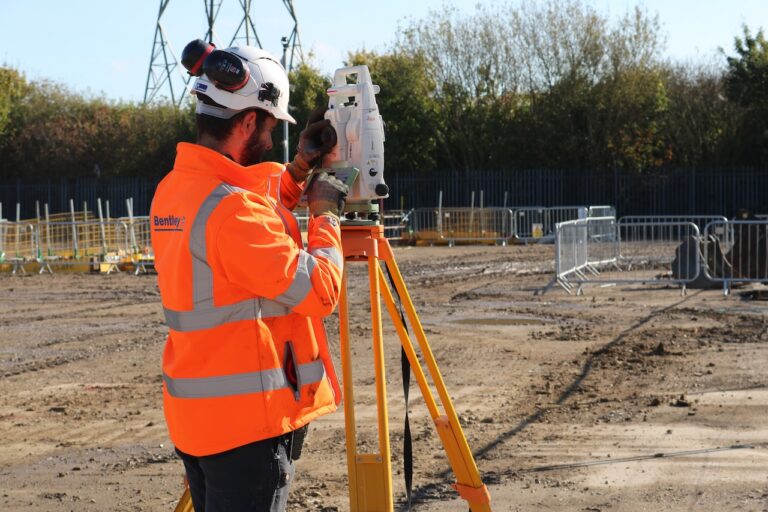
Accurate layout sets the tone for the entire build. Teams rely on a mix of field tools and digital coordination to stay precise:
Mortar performance starts at the mixer. Crews follow specified mix designs and measure water carefully to maintain consistency. Retempering is allowed within limits, but once mortar begins to set, it should not be reworked. In hot weather, materials may need shading and shorter board times. In cold weather, heated water and protection help maintain proper curing conditions.
Joint profile affects both appearance and long-term performance. The right technique and timing make a noticeable difference:
Moisture management depends on proper flashing installation. Materials must be compatible with adjacent air and water barriers. Crews lap flashing correctly and seal transitions at corners and penetrations. Weeps are spaced to allow drainage at the base of walls and above openings.
Traditional frame scaffolding works for many projects, while mast climbers can improve speed on taller buildings. Proper scaffold loads and tie-ins maintain stability. Debris netting and containment keep the site clean and protect pedestrians. Clean platforms – free of tripping hazards and mortar buildup – protect workers. Good access planning reduces downtime and supports consistent workmanship.
Quality does not happen by accident. It takes testing, documentation, and consistent field oversight from start to finish.
Material testing confirms the wall performs as designed. Labs may conduct:
Many projects require special inspections under the building code, especially for reinforced masonry. Inspectors verify reinforcement placement, grout lifts, and anchor installation. Frequency depends on the jurisdiction and project type.
Inspectors and project teams look for measurable benchmarks. These include adequate bond strength, proper reinforcement placement, and alignment within allowable tolerances. Walls should be plumb, level, and true to layout. Joint consistency and surface appearance also factor into final acceptance.
Field observations should be documented with photos and clear notes. An issue log helps track open items, assign responsibility, and confirm resolution. Address problems early. Small corrections during construction are easier and less expensive than post-completion fixes.
Masonry work is hands-on and physically demanding. Strong construction safety programs protect crews and keep projects on track.
Masonry jobs carry predictable hazards that teams must manage every day:
Recognizing these risks upfront helps teams put the right controls in place.
Effective controls reduce exposure and prevent incidents:
Aside from having the right systems, ongoing training keeps safety top of mind. Topics often include:
Masonry can support long-term sustainability goals when teams design and detail it with performance in mind.
Masonry absorbs and releases heat slowly, which helps stabilize indoor temperatures. This thermal mass can reduce peak heating and cooling loads, especially in climates with wide temperature swings. Pair masonry with continuous insulation to meet modern energy codes and improve overall envelope performance.
Masonry buildings are built to last. Brick, block, and stone resist impact, fire, and weathering, which reduces the need for frequent repairs or replacement. Fewer replacements mean fewer materials consumed over the building’s life. That long service life plays a major role in lowering lifecycle environmental impact.
Many masonry products now come with Environmental Product Declarations that outline embodied carbon and material impacts. Teams can also specify low-carbon cements and supplementary cementitious materials to reduce emissions in grout and block. Clear data helps owners make informed material choices that align with sustainability targets.
Masonry materials can often be reused or recycled. Salvaged brick and stone can find new life in renovations or landscape features. CMU can be crushed and recycled as aggregate. Planning for reuse or recycling keeps materials out of landfills and supports circular construction practices.
Masonry costs depend on more than material price. Scope clarity, site conditions, and detailing choices all shape the final number.
Several factors influence masonry budgets:
Cost savings do not have to sacrifice durability. Consider:
Thoughtful adjustments can maintain performance while keeping budgets in check.
Even well-built masonry can run into problems if details are missed or maintenance falls behind.
Efflorescence shows up as a white powder on the surface of brick or block. It happens when water moves through masonry and leaves salts behind as it evaporates. Prevent it by managing moisture with proper flashing, weeps, and drainage. Store materials off the ground and protect walls during construction. If cleaning is needed, use manufacturer-approved cleaners and avoid aggressive methods that can damage the surface.
Not all cracks mean structural failure. Some result from shrinkage or normal movement. Others may point to load or foundation issues. The best defense is proper detailing. Install control joints where required and reinforce walls according to design. Coordinate with structural teams early to reduce stress points around openings and transitions.
Water problems usually trace back to missed flashing, poorly spaced weeps, or gaps at sealant joints. Cavity walls must allow water to drain freely. Pay close attention to shelf angles, penetrations, and window perimeters. Proper pointing and sealant installation at interfaces help keep moisture out and protect the assembly.
Overly harsh cleaning methods can cause permanent discoloration. Always choose cleaners that match the masonry type and mortar. Test cleaning solutions on a small, inconspicuous area first. Follow dilution guidelines and rinse thoroughly. High-pressure washing may drive water into the wall, so it should be avoided. Smart cleaning practices protect both the look and integrity of the wall.
Digital tools help masonry teams coordinate better, reduce rework, and document performance from design through closeout.
3D models and BIM improve clarity before crews mobilize. Teams use digital models to coordinate:
Early coordination reduces clashes between structure, enclosure, and masonry. When everyone builds from the same model, field surprises drop and material use is optimized.
Technology also supports day-to-day execution.
Connected platforms streamline tracking and accountability.
Digital records do not stop at handover. Owners benefit when teams link:
With Forma Build (formerly Autodesk Build), teams can connect project management, field execution, quality tracking, safety programs, and cost control in one platform. Create and manage RFIs, streamline submittals, track issues, standardize safety and quality forms, and close out projects faster with mobile punch lists and real-time reporting.
See how Forma Build can help you deliver masonry projects on time and on budget.

The right contractor can protect your schedule, budget, and long-term building performance. Here’s what to look for when selecting a masonry contractor.
Start with the basics. Confirm the contractor holds the proper license for your state and carries general liability and workers’ comp insurance. Review their safety record, including EMR and TRIR if available.
Look for projects similar in scale, climate, and wall system. A contractor who has built schools in your region or managed reinforced CMU in seismic zones brings practical insight. Ask for references and speak directly with past clients. Focus on schedule reliability, quality of workmanship, and how the team handled challenges.
Strong masonry partners engage early. They review drawings, flag constructability issues, and suggest practical adjustments before problems reach the field. Ask if they support mockups and proactive coordination meetings. A contractor willing to problem-solve upfront can prevent costly rework later.
Understand what the contractor stands behind. Clarify warranty terms for workmanship and materials. Ask whether they provide maintenance guidance after turnover, including repointing timelines or sealant upkeep. A reputable contractor thinks beyond install day.
When reviewing bids, look past the bottom line. Confirm scope clarity, unit quantities, reinforcement assumptions, and included accessories. Review allowances and alternates carefully. Make sure each proposal reflects the same details and performance requirements so you can compare fairly.
Thinking of becoming a masonry contractor? Here’s what you need to consider.
Many masons start as apprentices, learning the trade under experienced crews. From there, they move into journeyman roles, taking on more responsibility for layout and quality. Strong performers often step into foreman positions, leading teams in the field. With experience, some transition into estimator or project manager roles. Others launch their own contracting businesses and build crews of their own.
Most masons enter through formal apprenticeship programs offered by local unions or trade associations. These can include:
Success in masonry requires both technical skill and field awareness. Top performers bring:
It is physical work, but it also demands precision and problem-solving.
As for how much you can expect to earn, masonry construction jobs have a nationwide median salary of $55,866, with the highest earnings making $80,500, according to ZipRecruiter.
Masonry has stood the test of time because it delivers strength, durability, and character in one system. But great results do not happen by default. They come from smart design, tight coordination, skilled craftsmanship, and disciplined execution. Whether you are specifying a wall system, estimating a project, or building your career in the trade, understanding the fundamentals gives you an edge. Build it right, and masonry will perform for decades.