
Electronics Design Software
Electronics Design Software
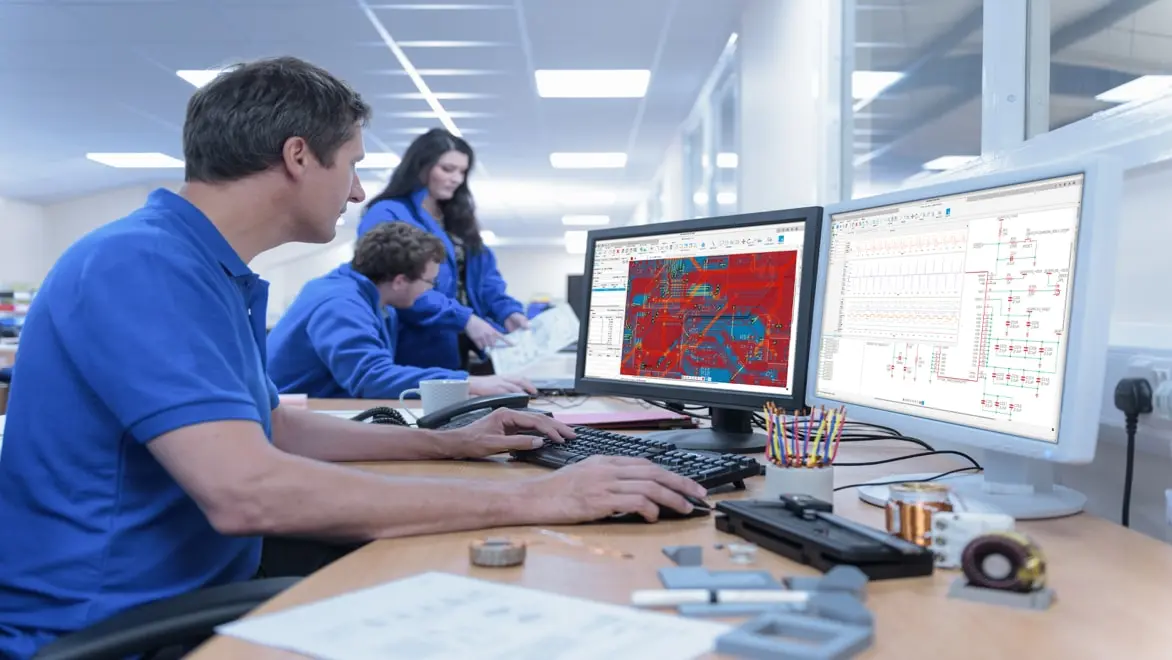
What is electronics design?
What is electronics design?
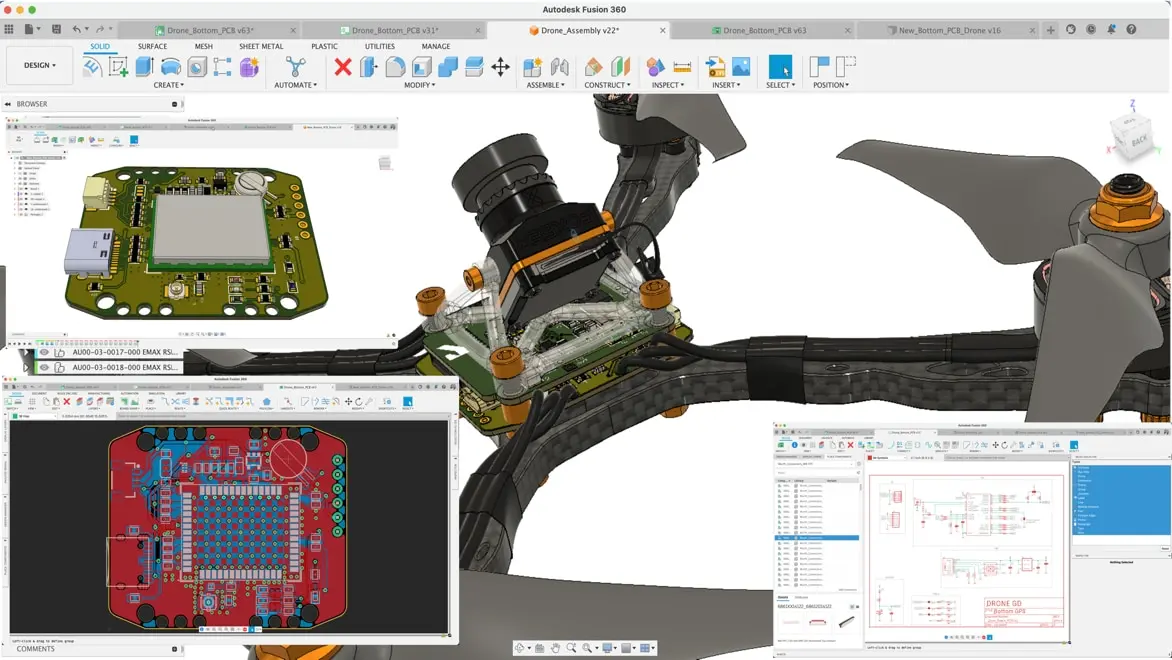
What is electronic design automation (EDA)?
What is electronic design automation (EDA)?
Increased productivity
Increased productivity
Improved accuracy
Improved accuracy
Reduced time-to-market
Reduced time-to-market
Requirements analysis
Requirements analysis
Schematic design
Schematic design
Component selection
Component selection
PCB layout
PCB layout
Testing & verification
Testing & verification
Manufacturing
Manufacturing
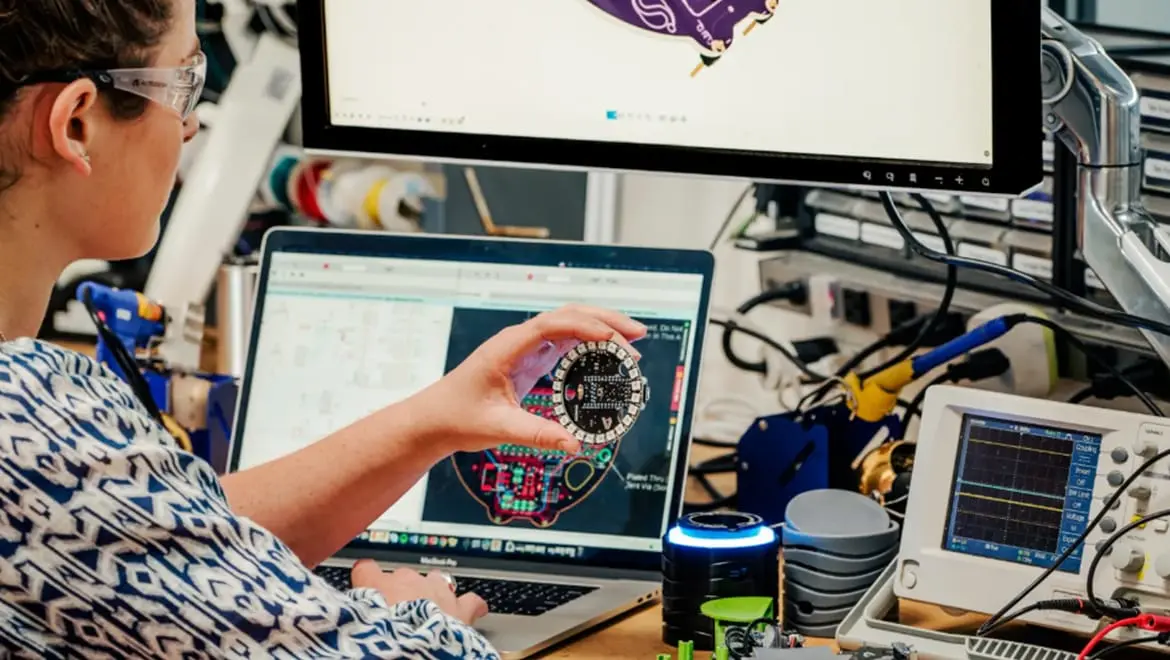
Using the Fusion electronics workspace
Using the Fusion electronics workspace
Integration with mechanical design
Integration with mechanical design
Comprehensive design environment
Comprehensive design environment
Design rule checking and validation
Design rule checking and validation
Collaboration and Version Control
Collaboration and Version Control
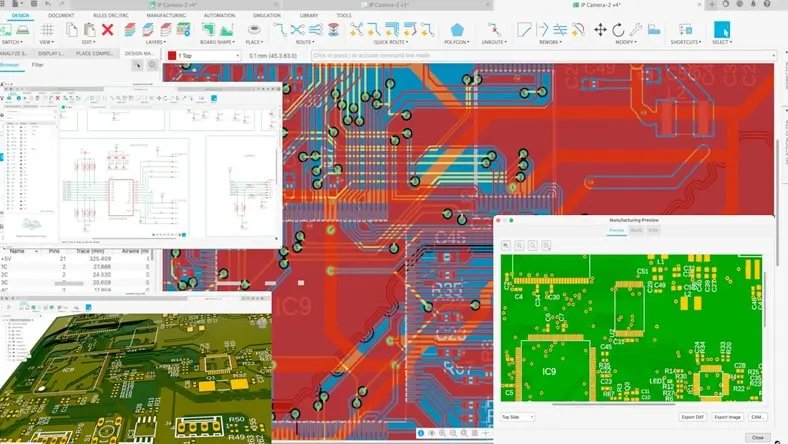
Integrated electronics
Integrated electronics
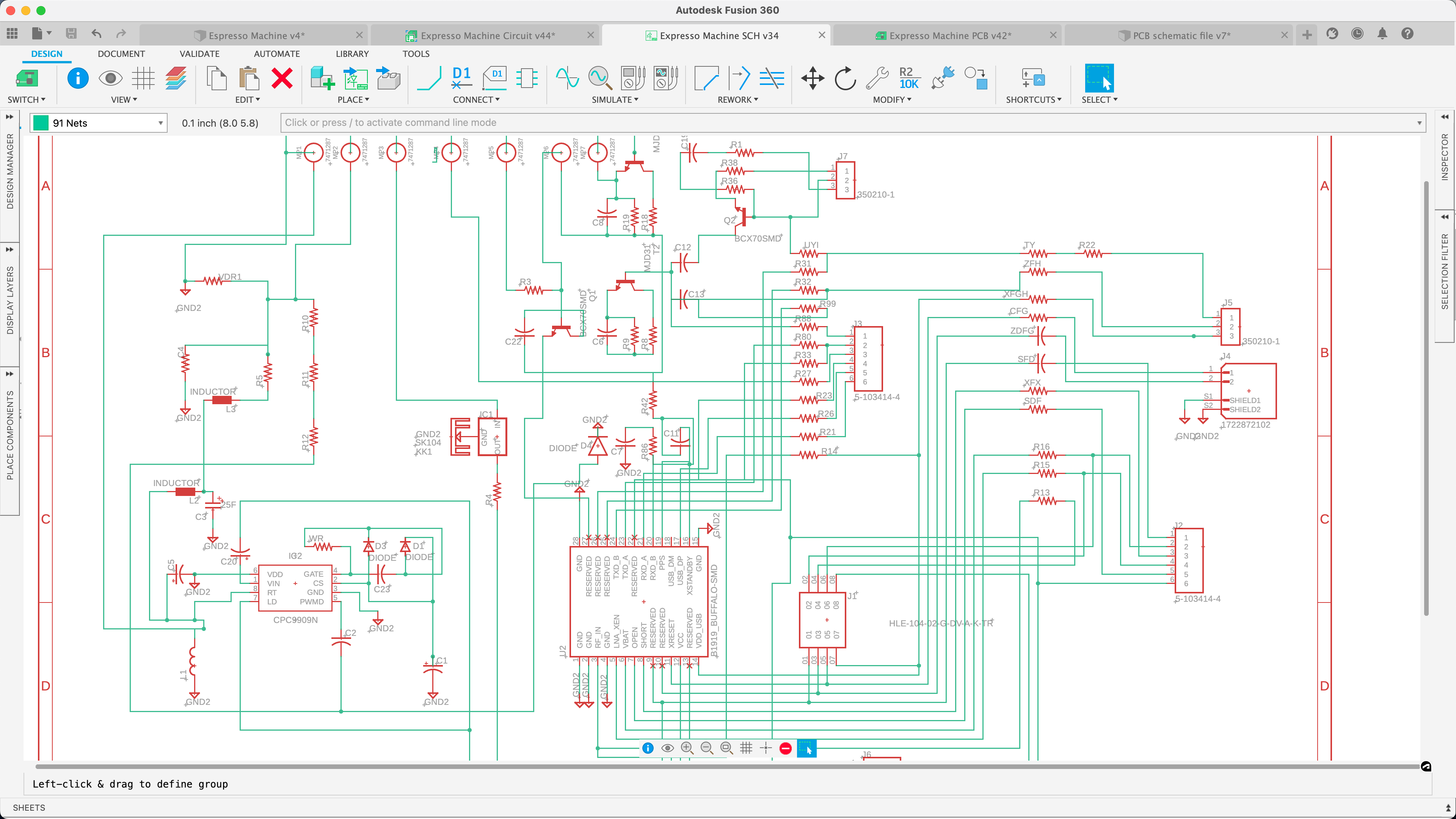
Schematic capture
Schematic capture
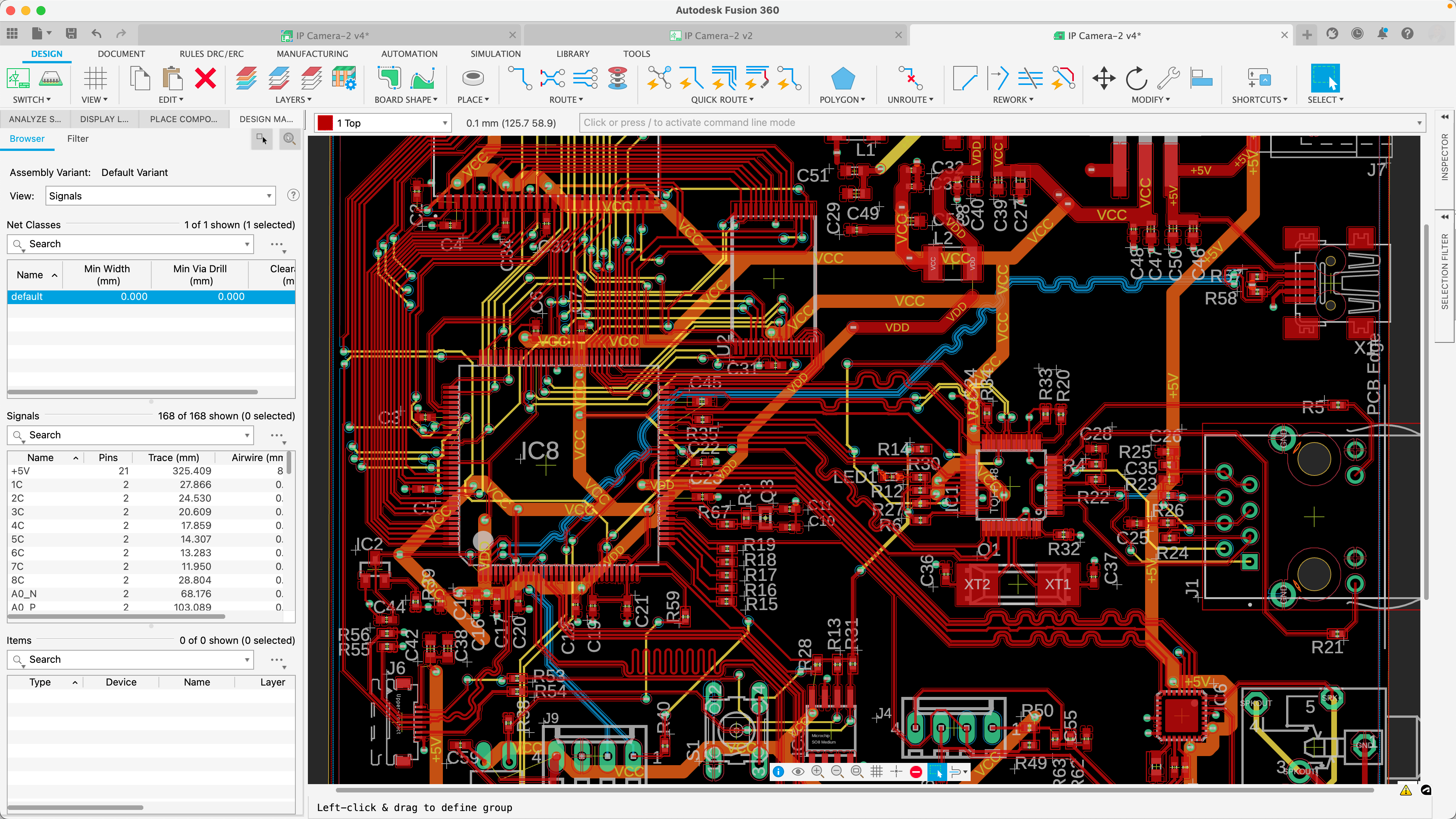
PCB layout
PCB layout
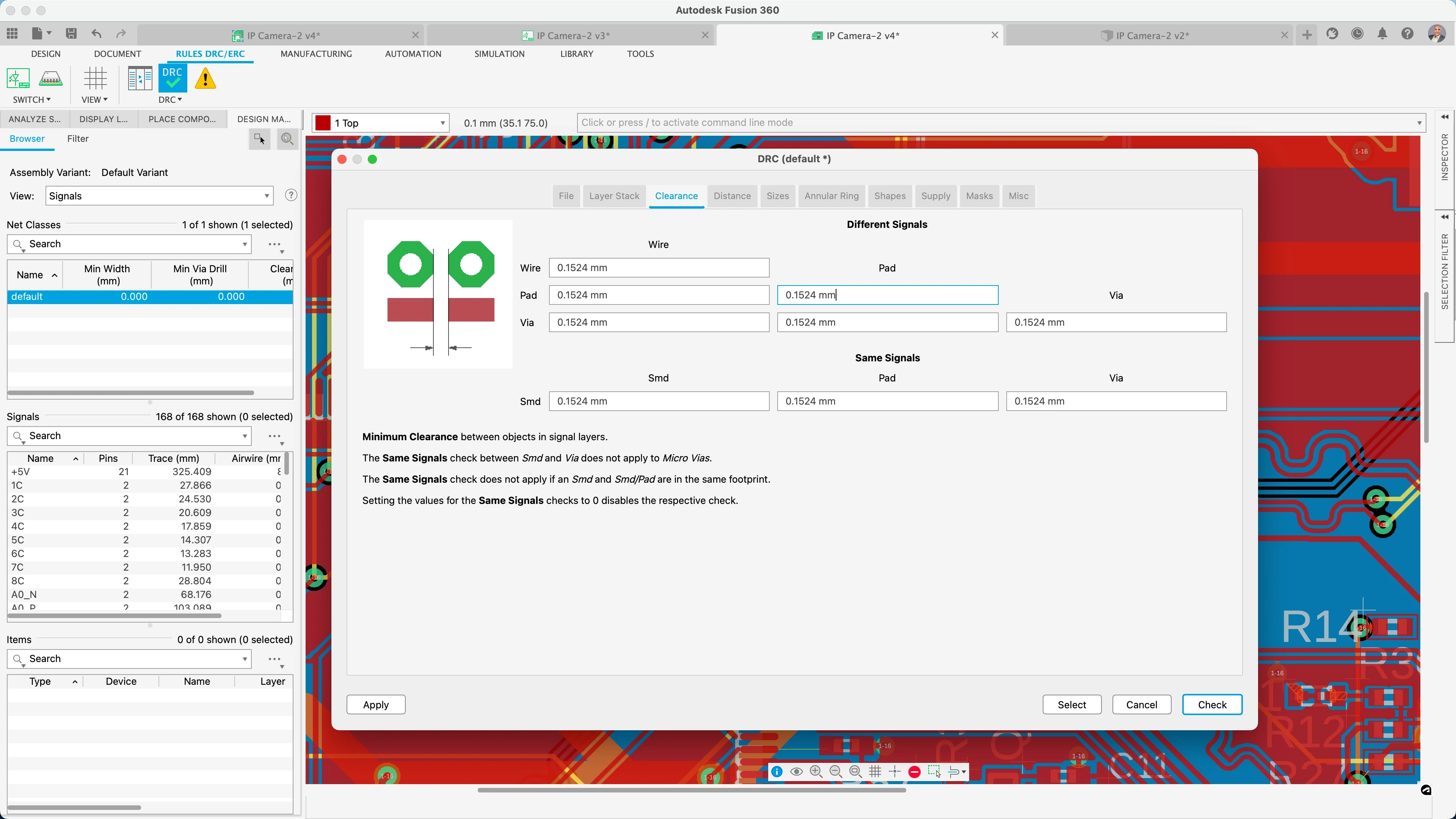
Design for manufacturing
Design for manufacturing
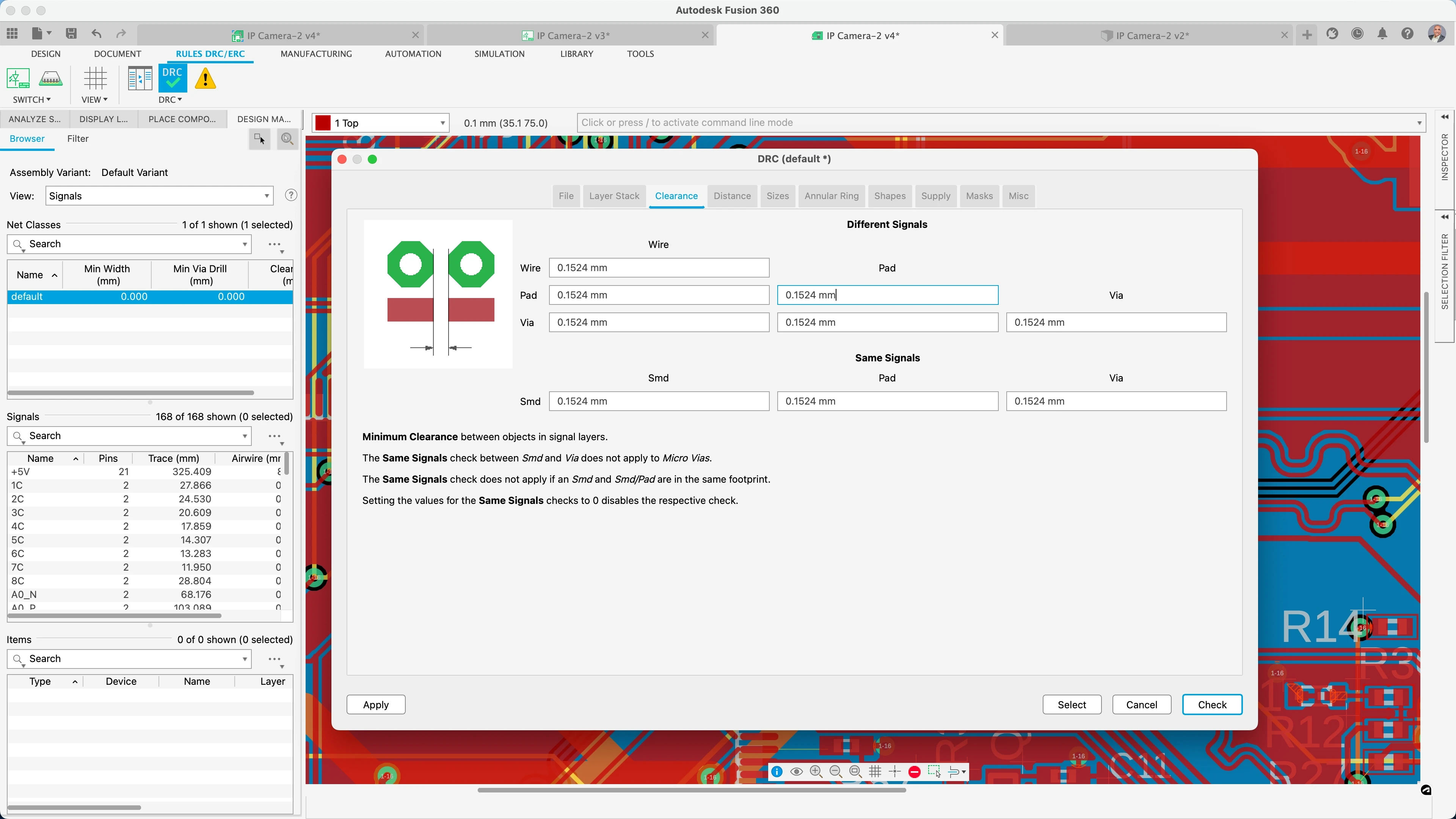
PCB manufacturing
PCB manufacturing
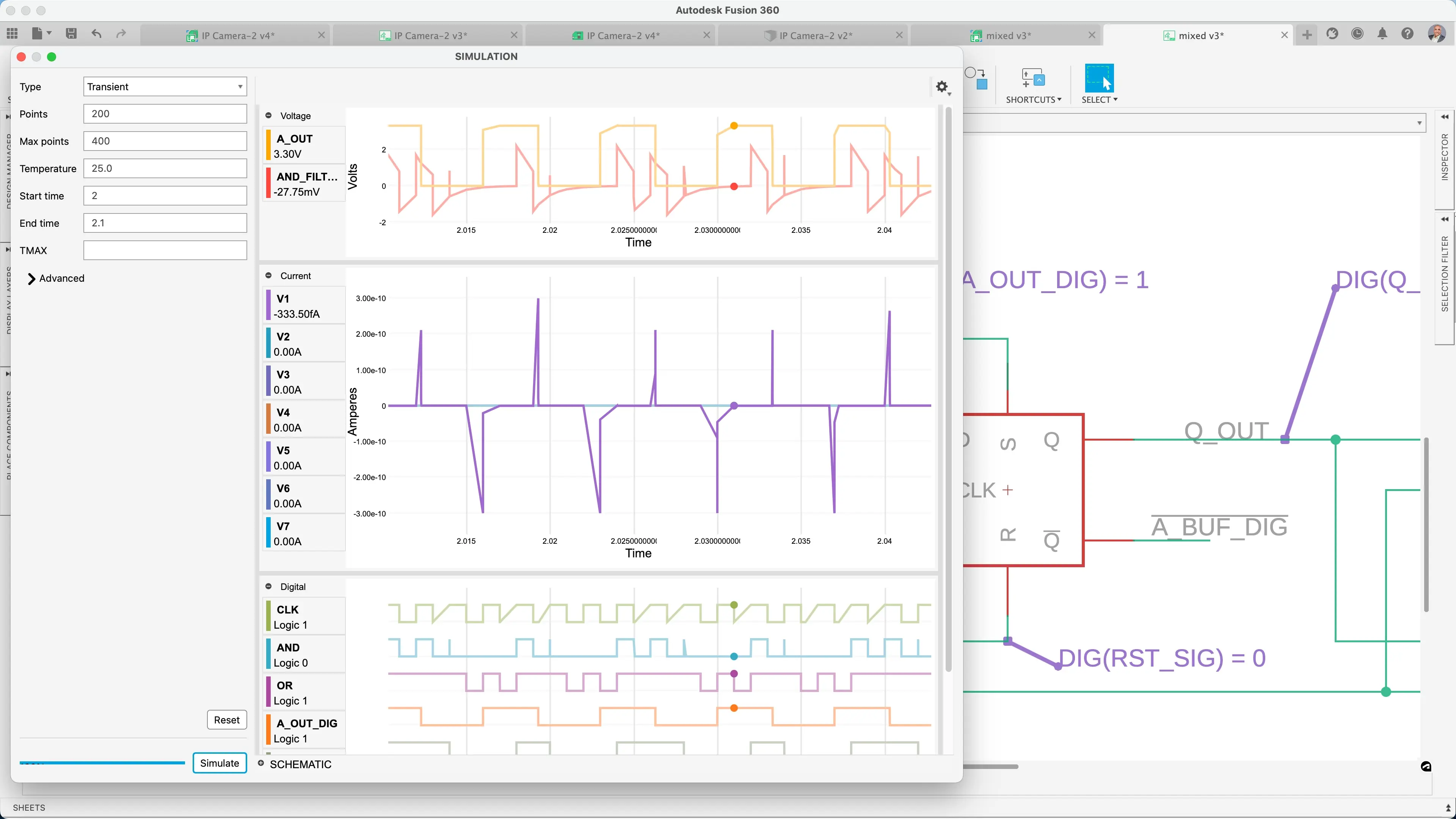
Spice simulation
Spice simulation
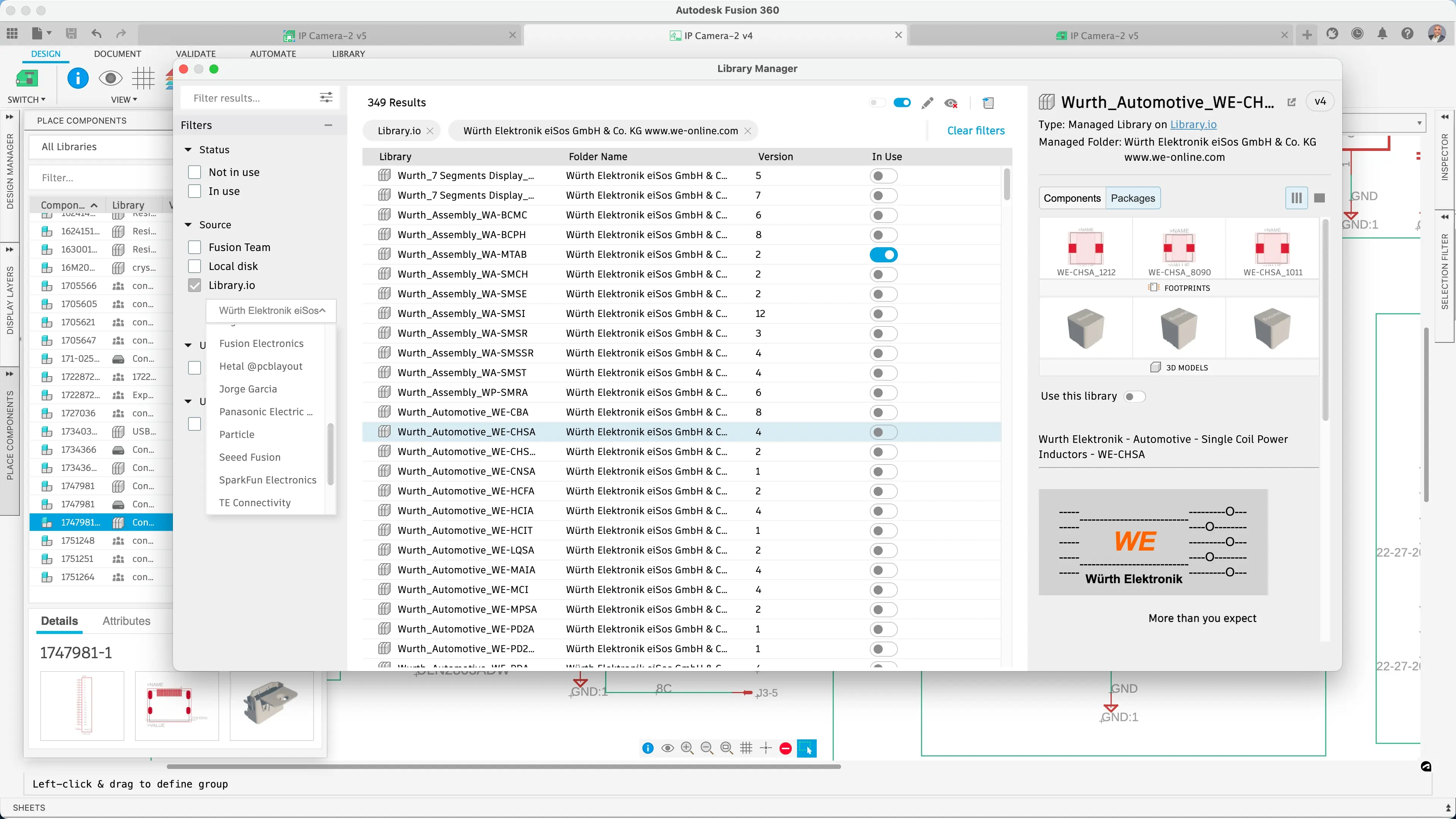
Component libraries
Component libraries
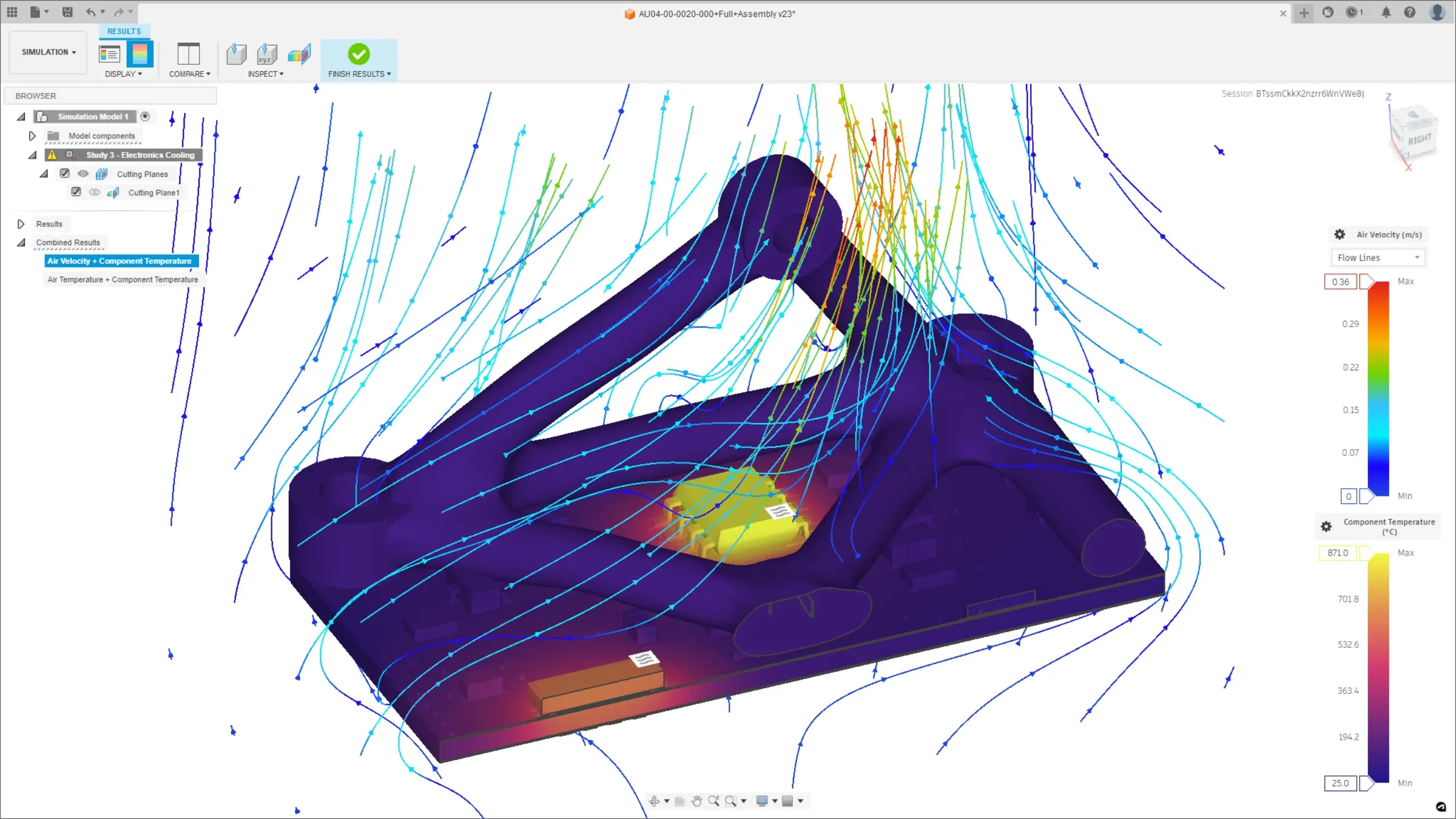
Electronics cooling
Electronics cooling
Speed up your time to market with the Avnet add-in for Fusion
Speed up your time to market with the Avnet add-in for Fusion
Is Fusion electronics compatible with other Electronic Design Automation (EDA) software?
Autodesk Fusion electronics offers compatibility through common file formats, allowing you to exchange designs and collaborate with other Electronic design automation (EDA) software tools.
Can I create custom components and footprints in Fusion Electronics?
Yes, Fusion electronics provides tools and features that allow you to define and design your own custom electronic components and footprints to use in your PCB designs.
Does Fusion Electronics support simulation and analysis?
Yes, Fusion electronics allows you to test your designs to make sure they will survive real-world conditions. Simulate your products digitally, reducing the cost of prototyping by using fully validated solvers.
Can I collaborate with other team members using Fusion Electronics?
Yes, Fusion electronics includes built-in sharing and collaboration tools. These features make it easy to collaborate with team members, clients, and suppliers in real time. Thus, streamlining the design process and fostering a more efficient workflow.
Does Fusion support Electronic Design Automation (EDA)?
Yes, Fusion offers Electronics Design Automation (EDA) capabilities. It provides a comprehensive set of tools for schematic design, circuit simulation, PCB layout, and collaboration, allowing engineers to seamlessly integrate electronics design within the Fusion ecosystem.
What are the key features of Fusion Electronics Design Automation?
The electronic design automation features in Fusion include schematic capture, circuit simulation, PCB layout and routing, library management, design rule checking (DRC), and collaboration tools. These features enable engineers to design and validate electronic circuits and systems efficiently.
Is electronic design automation crucial in the design process?
Yes, electronic design automation (EDA) is crucial in the design process, particularly for complex electronic systems. EDA software tools automate various aspects of the design workflow, including schematic capture, PCB layout, simulation, and verification. These tools significantly enhance productivity, improve accuracy, and reduce time-to-market for electronic products. Given the increasing complexity and demands of modern electronic systems, Electronic design automation plays an indispensable role in ensuring efficient and reliable designs.
What is EDA design?
EDA design, or Electronic Design Automation design, refers to the process of designing electronic systems or circuits using specialized software tools known as Electronic Design Automation (EDA) tools. These tools facilitate the creation, simulation, verification, and manufacturing preparation of electronic designs. EDA design encompasses various stages, including conceptualization, schematic capture, PCB layout, simulation, verification, and prototyping.
What factors should you consider when choosing EDA software?
When choosing Electronic Design Automation (EDA) software, several factors should be considered:
Feature set
Ease of use
Compatibility
Simulation and analysis capabilities
Learning and support resources