
Digital transformation in manufacturing
Digital transformation in manufacturing
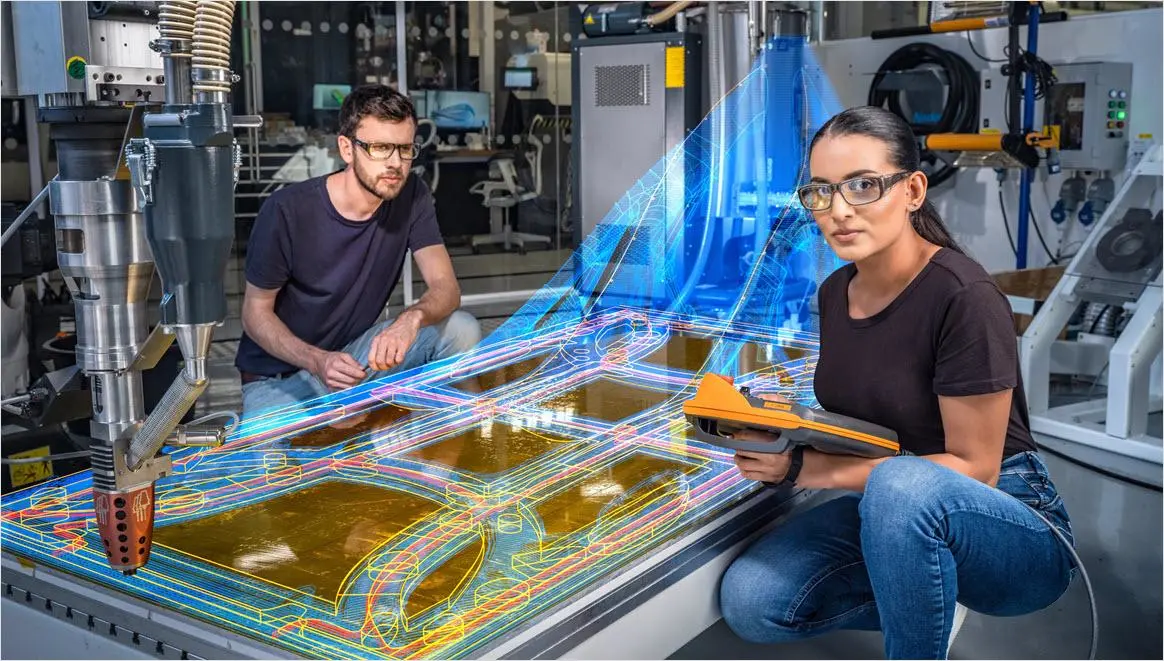
What is digital transformation?
What is digital transformation?
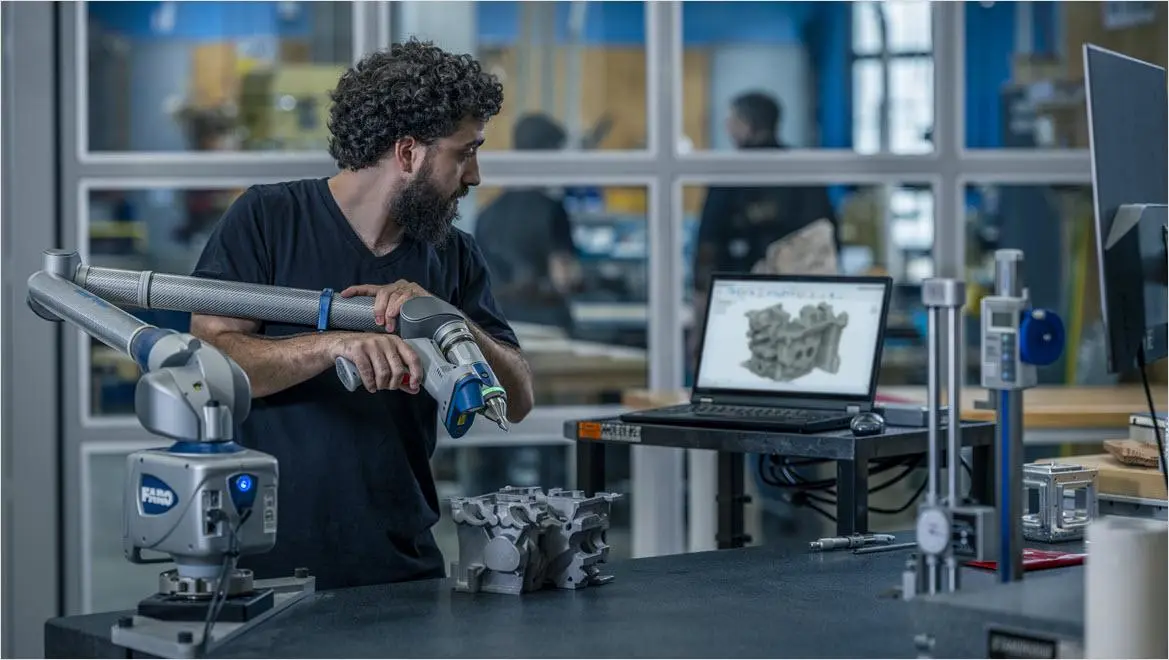
Why is digital transformation in manufacturing important?
Why is digital transformation in manufacturing important?
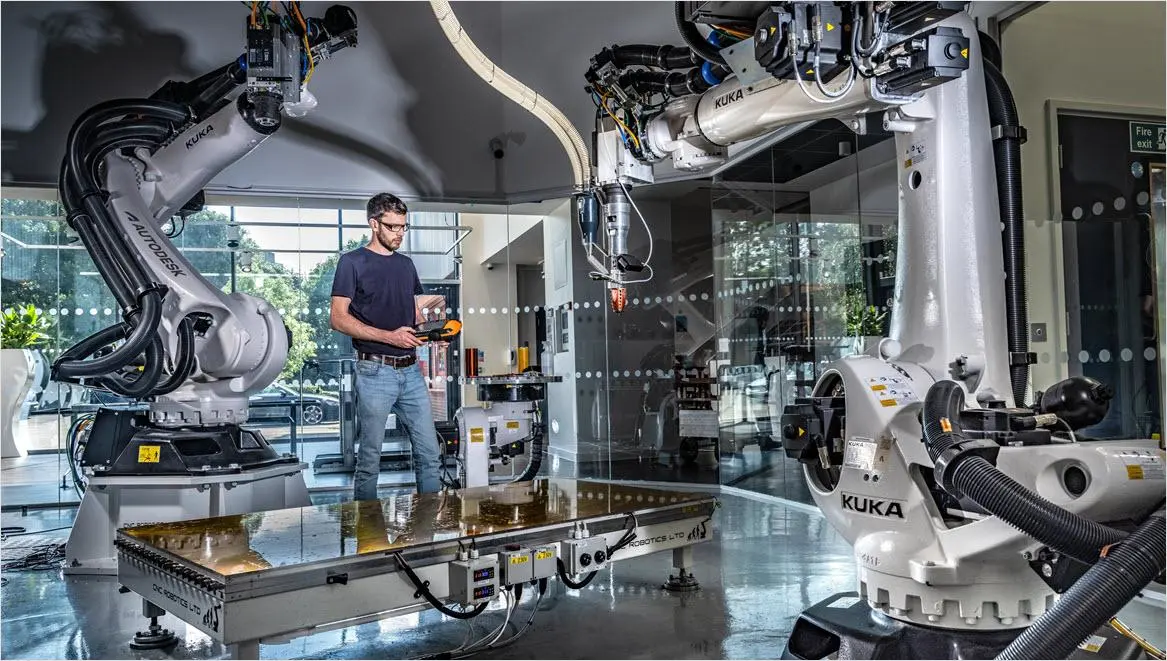
Industry 4.0 manufacturing
Industry 4.0 manufacturing
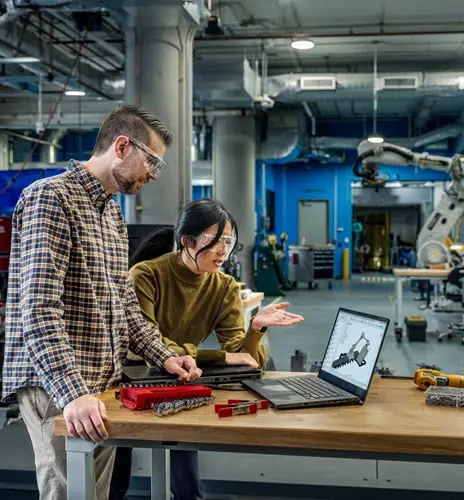
Increased efficiency
Increased efficiency
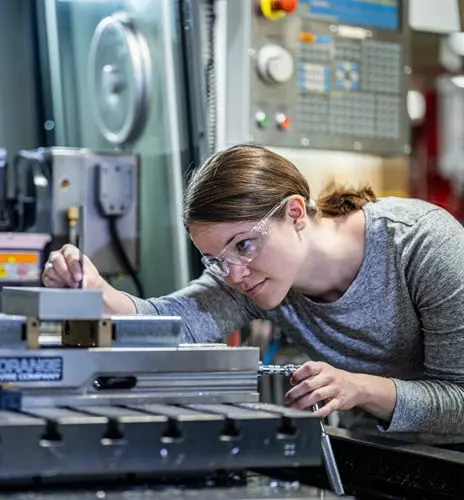
Improved quality control
Improved quality control
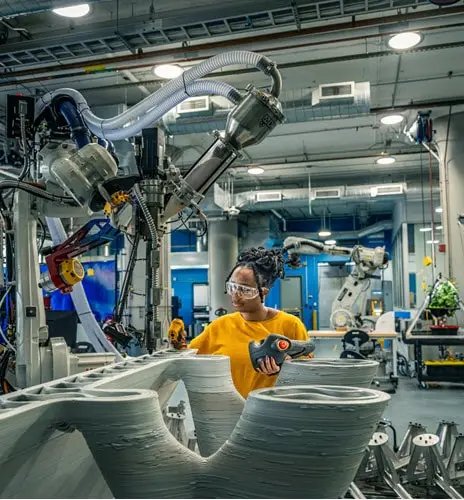
Increased innovation
Increased innovation
Increased investment in software
Increased investment in software
Digital twins
Digital twins
Smart factories
Smart factories
Blockchain technology
Blockchain technology

Cloud-enabled digital transformation in manufacturing
Cloud-enabled digital transformation in manufacturing
Integrated cloud CAD, CAM, CAE, and PCB tools
Integrated cloud CAD, CAM, CAE, and PCB tools
Data driven design
Data driven design
Sustainable insights
Sustainable insights
Extended ecosystem
Extended ecosystem
NEW OFFER - Flex now starting at {{PRICE}} for {{FLEXACCESS.billingQuantity}} tokens
NOWA OFERTA – Flex już od {{price.FLEXACCESS.1year}}
Autodesk Flex umożliwia opłatę z góry tokenami za dostęp na żądanie do Fusion oraz zaawansowanych możliwości Design and Manufacturing, przy czym opłata pobierana jest jedynie wtedy, gdy narzędzia są wykorzystywane. Idealnie nadaje się do pracy projektowej lub okazjonalnego dostępu do specjalistycznych procesów. Połącz tokeny Flex z Fusion, aby:
Uzyskaj dostęp do zaawansowanych procesów rozwoju produktu na żądanie
Korzystaj z możliwości o wysokiej wartości tylko wtedy, gdy są potrzebne.
Skaluj dostęp do szczytowych obciążeń
Process transformation
Process transformation
Product and sevice transformation
Product and sevice transformation
Growth opportunities
Growth opportunities
Customer epxerience
Customer epxerience
Early beginnings
Early beginnings
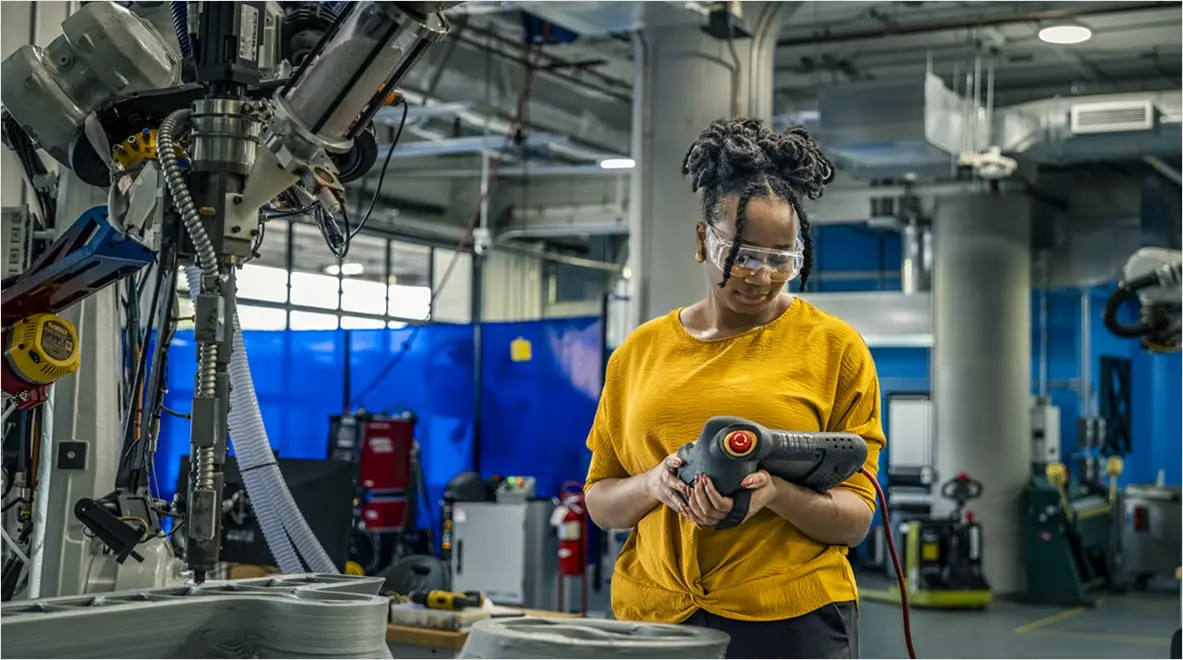
The future of digital transformation in manufacturing
The future of digital transformation in manufacturing
What is supply chain digital transformation?
Supply chain digital transformation refers to the implementation of digital tools, technologies, and strategies to improve efficiency and optimize the entire supply chain ecosystem. It ionvolves establishing a vision for how digital applications can improve service, cost, agility, and inventory levels and consistently implementing process and organizational changes that use these technologies to drive operational excellence.
What is IOT digital transformation?
IoT (Internet of Things) digital transformation refers to the use of connected devices that collect and convert data from the physical world into useful information, This results in improved operational efficiency, and new opportunities for business innovation. At its foundation IoT digital transformation is the process of integrating IoT technologies into business models and strategies, resulting in improved performance, productivity, and customer-driven innovation, to tranform the way businesses operate.
Why is digital transformation important in the manufacturing industry?
Digital transformation is vital for the manufacturing industry, including:
Efficiency and Productivity: Advanced digital tools and technologies allow manufacturers to streamline their processes, reduce downtime, and increase productivity. Thus leading to to significant cost savings and improved output.
Competitive Advantage: Manufacturers who adopt digital transformation are able to stay competitive by offering innovative products and services, improving customer satisfaction, and adapting rapidly to market changes.
Data-Driven Decision Making: By taking advantage of data analytics and real-time information, manufacturers can make more informed decisions, anticipate demand, and optimize their supply chains.
Quality Improvement: Digital technologies can improve product quality by providing real-time feedback and monitoring, reducing errors, and offering more precise control over manufacturing processes.
Sustainability: Digital transformation can facilitate sustainable manufacturing practices by optimizing resource use, reducing waste, and encouraing more energy-efficient processes.
Why is cloud enabled digital transformation important?
Cloud-enabled digital transformation enhances data access and collaboration, facilitating real-time information sharing, eliminating data silos, and improving analytical capabilities across organizations. This reduces the need for extensive infrastructure maintenance, freeing up IT teams to focus on innovation. Cloud technology also improve customer experiences by enabling advanced technologies such as chatbots, augmented reality, IoT, and machine learning.
Why is digital transformation in manufacturing important?
Digital transformation in manufacturing provides a competitive edge to manufacturers by fundamentally rewiring operational processes, leading to enhanced efficiency and effectiveness. It significantly improves the customer experience by meeting modern consumers' expectations for seamless, quick, and digital-first interactions. Through digitization, organizations can collect and analyze data more effectively, facilitate data-driven decision-making for more effective strategies and improved business outcomes. Digital transformation enables rapid response to market changes or customer preferences, bolstering resilience. Digital transformation also increases innovation by encouraging organizations to rethink their processes, products, and services, thus unlocking new growth opportunities.
What are examples of manufacturing digitalizations?
Here are five examples of manufacturing digitalization:
1. Predictive maintenance: Manufacturers use IoT sensors and machine learning algorithms to monitor equipment health in real-time. This allows them to predict potential failures, schedule maintenance proactively, and minimize unplanned downtime, thereby enhancing operational efficiency and reducing costs.
2. Smart factories: Smart factories utilize interconnected systems, robotics, and automation to optimize production processes. For instance, Siemens' Amberg Electronics Plant employs IoT, AI, and robotics to create a highly automated and efficient manufacturing environment, resulting in reduced lead times and higher product quality.
3. Additive manufacturing (3D printing): Additive manufacturing enables rapid prototyping and customized production. Companies like General Electric (GE) use 3D printing to produce complex aircraft engine components, allowing for faster design iterations, reduced material waste, and the creation of intricate parts that traditional methods cannot achieve.
4. Digital twins: Digital twins are virtual replicas of physical systems that allow manufacturers to simulate, analyze, and optimize processes. Rolls-Royce, for example, uses digital twin technology to monitor and optimize the performance of its jet engines, improving maintenance schedules, fuel efficiency, and engine lifespan.
5. Supply chain visibility: Digitalization enhances supply chain visibility and integration. Tesla, for example, uses a digital platform to manage its supply chain, enabling real-time tracking of parts and materials, improving inventory management, and ensuring timely delivery of components. This integration helps Tesla respond quickly to changes in demand and streamline production processes.
These examples illustrate how digitalization can significantly improve efficiency, quality, and innovation in the manufacturing sector.
What is manufacturing digital transformation?
Manufacturing digital transformation involves integrating digital technologies into all aspects of the manufacturing process, fundamentally altering how products are designed, produced, and delivered. It encompasses the adoption of advanced technologies such as IoT, AI, machine learning, robotics, cloud computing, big data analytics, and digital twins to enhance efficiency, productivity, and innovation. Key aspects include process optimization through automation, real-time data collection and analysis for better decision-making, and the creation of smart factories where machines and systems communicate seamlessly. It also involves accelerating product innovation, improving supply chain integration for better coordination and inventory management, and enhancing customer experience with personalized products and services. Additionally, digital transformation promotes sustainability by reducing waste and optimizing energy use. This transformation is crucial for manufacturers to remain competitive, agile, and responsive to market changes in an increasingly digital and interconnected world.
What are the top 5 digital transformation in manufacturing solutions?
The top five digital transformation solutions in manufacturing include:
1. Industrial Internet of Things (IIoT): IIoT involves connecting machines, devices, and sensors within the manufacturing environment to collect and analyze real-time data. This connectivity enhances operational efficiency, enables predictive maintenance, and improves decision-making by providing valuable insights into the production process.
2. Robotics and automation: The use of advanced robotics and automation technologies streamlines manufacturing processes, increases precision, and reduces labor costs. Collaborative robots (cobots) can work alongside humans, enhancing productivity and safety on the factory floor.
3. Artificial intelligence (AI) and machine learning (ML): AI and machine learning algorithms analyze large datasets to optimize production schedules, improve quality control, and enable predictive maintenance. These technologies help manufacturers identify patterns and trends, leading to better decision-making and increased efficiency.
4. Digital twin technology: Digital twins are virtual replicas of physical systems that allow manufacturers to simulate, analyze, and optimize processes. By creating digital twins of equipment, production lines, or entire factories, manufacturers can test scenarios, predict outcomes, and make data-driven improvements without disrupting actual operations.
5. Cloud computing and big data analytics: Cloud computing provides scalable storage and processing power, enabling manufacturers to manage and analyze vast amounts of data. Big data analytics tools help uncover insights from this data, driving process optimization, improving supply chain management, and enhancing overall operational efficiency.