From concept to production: augmented reality in manufacturing
From concept to production: augmented reality in manufacturing

What is augmented reality?
What is augmented reality?

Why augmented reality?
Why augmented reality?

Design and prototyping
Design and prototyping

Training and skill development
Training and skill development

Maintenance and troubleshooting
Maintenance and troubleshooting

Quality control
Quality control
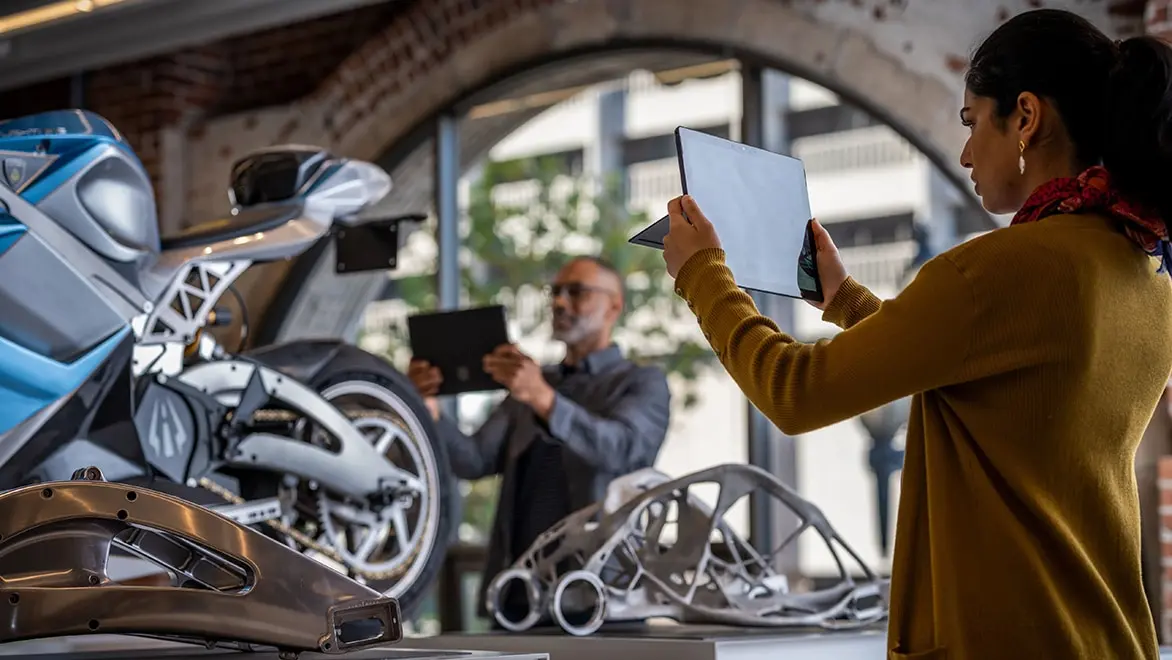
How augmented reality supports smart manufacturing
How augmented reality supports smart manufacturing
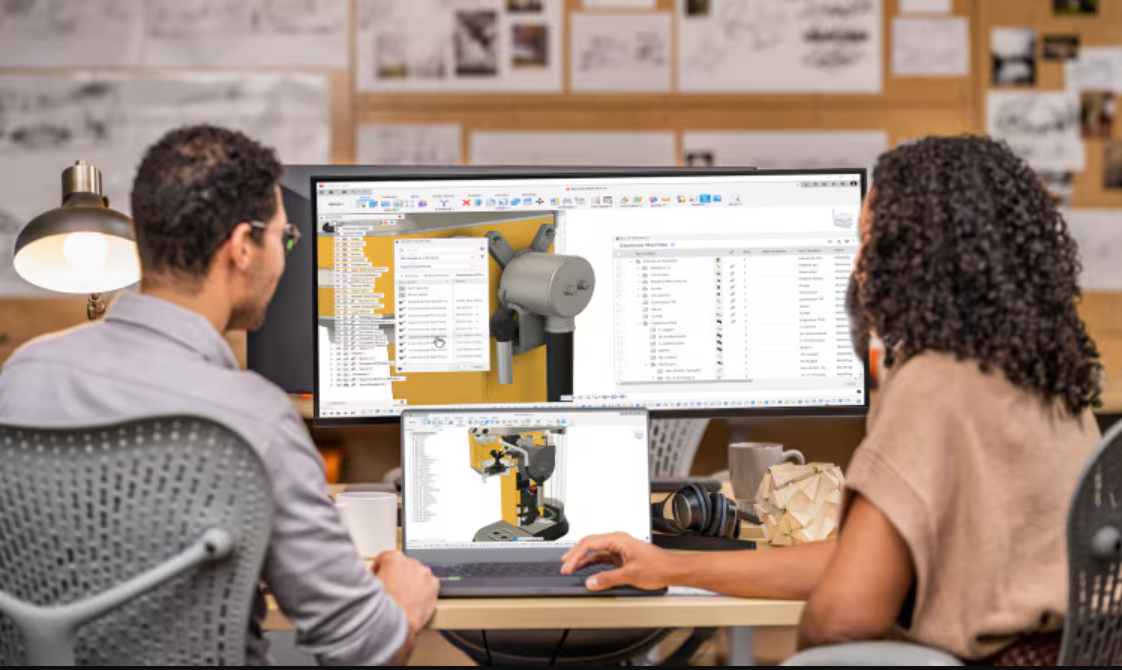
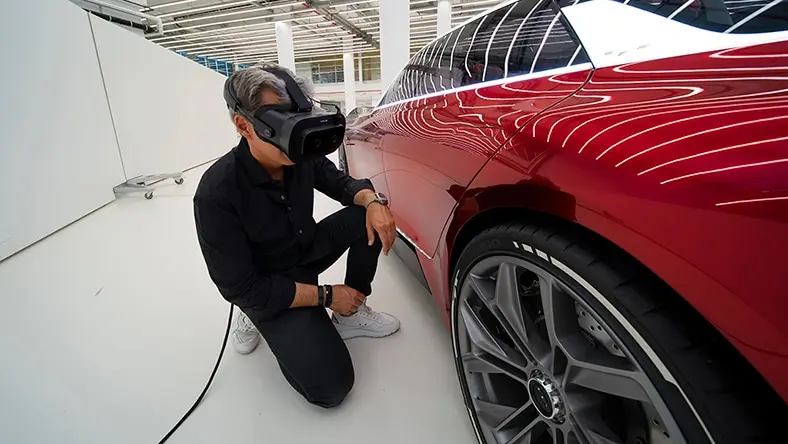

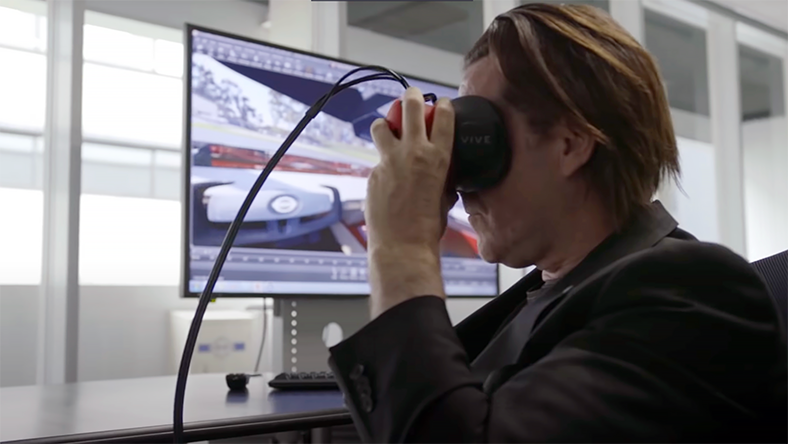

What is augmented reality used for?
AR is commonly used for medical and military training. It’s also used in retail for shoppers and workers to get product information, or to see how products like furniture or wall hangings will look in their space.
Why is AR important?
AR is important because it creates efficiencies in the product design, manufacturing, and fulfillment processes that save significant time and material resources.
For example, designers can quickly iterate and test different product versions before entering the physical prototype phase. Factories can train workers on fabrication and inspection in a completely safe, virtual environment while reducing mistakes with predictive troubleshooting. And in the warehouse, AR can help manage inventory, guide product picking, and help identify problems.
What is the difference between AR and VR?
The biggest difference between AR and VR is the user’s level of immersion. VR completely immerses users in a virtual world, giving them an omnidirectional view of the artificial environment from dedicated VR goggles. AR on the other hand, combines the user’s real physical surroundings with overlays of 3D or 2D graphics, video, and/or text.
AR content is typically less complicated and expensive to produce and consume than VR content. It only requires a smartphone or tablet, or it can also be used with some specialized glasses and a growing number of Head-Up Displays (HUDs) on car windshields.
What is the difference between AR and AI?
AI (artificial intelligence) technologies such as speech recognition, natural language processing, machine learning, and computer vision are often included in the functionality of AR (augmented reality) apps, which dynamically superimpose digital graphics and information over the real-world environment on a mobile device or augmented/mixed-reality glasses.
The much larger world of AI machine-learning algorithms and neural networks has a life of its own separate from AR. However, most AR solutions employ some form of AI. For example, speech recognition and natural language processing let AR recognize user voice prompts and computer vision lets AR identify things like objects and people from a device’s camera.
What is AR?
AR overlays digital images, text, and information onto the real world using devices like smartphones or AR glasses. It's like adding digital elements on top of physical objects to enhance your experience or achieve a goal.
How can AR benefit my startup in the manufacturing industry?
AR can improve design, prototyping, training, maintenance, and quality control. It helps visualize 3D models, guides workers with real-time instructions, and enhances collaboration without high costs.
Is AR expensive for startups?
While specialized AR hardware like glasses can be pricey, AR solutions using smartphones and tablets are affordable. Many AR apps also offer entry-level features that don’t require major investment.
How can AR improve manufacturing design and prototyping?
AR lets you visualize and interact with 3D prototypes in real-world settings, reducing errors before production starts. This saves time and money in the design process.
Can AR be integrated with existing business systems?
Yes. AR can be integrated with 3D design software, IoT devices, and smart manufacturing platforms. It works well alongside tools startups already use, like Autodesk’s Fusion and VRED.
How can AR improve quality control in manufacturing?
AR allows you to compare physical products with their digital models in real time, spotting defects more easily. This reduces manual inspections and ensures high-quality production.
Is there support for startups looking to implement AR?
Yes. Many AR tools are accessible to startups. Autodesk also supports startups through the Autodesk Technology Impact Program for startups.