The next stage in 3D design is here: neural CAD AI foundational models
Autodesk SVP Mike Haley discusses how neural CAD models enable AI to reason in 3D, helping professionals design faster and explore more possibilities.
Mike Haley
15 min read
Neural CAD represents a major leap in AI-powered design, enabling AI to reason directly in 3D geometry and physics to help professionals create, explore, and refine designs more naturally and efficiently.
The future of design combines neural CAD, parametric CAD, and AI assistants, giving users both the creative freedom of generative AI and the precision, control, and editability required for professional workflows.
Autodesk is investing in trusted, purpose-built AI for design and engineering, developing foundation models trained on real CAD data while advancing standards for transparency, benchmarking, privacy, and responsible AI adoption.
After decades of development, industry-standard CAD and 3D modeling platforms are very sophisticated but are also often difficult to use. Time and again, we hear from customers who strive not to be software super users, but super designers, super engineers, and super artists. “Give me digital clay,” they say. The proliferation of neural CAD will slash the friction between creator and computer, so you’re free to express your vision and explore ideas faster, easier, and more naturally than ever before.
More than ever, professionals in the design and make industries—product designers, architects, 3D animators, and engineers—are united by similar hardships and opportunities. First, they are all trying to solve more difficult and complex problems but are working with tighter budgets, compressed schedules, and slimmer margins. While facing compounding challenges like designing for climate resilience, evolving regulations, mass urbanization, changing sustainability goals, and more, they’re asked to solve these in less time, using fewer resources. Meanwhile, all their industry workflows suffer from inefficiencies like redundancies, rework, or unshared assets.
Second, and more importantly, AI raises the ceiling on what customers can achieve: higher precision, earlier performance insight, and fewer downstream errors. The opportunity is not just faster design, but better outcomes across industries.
Users, government agencies, and businesses often turn to AI technology, hoping to find the real solutions that vendors and media have promised. But those promises frequently prove to be more hype than help. Clever 3D-based creators can find some use for large language models (LLMs) and AI image generators, since much of their work is visual and language-based. Unfortunately, those AI models can only reason in the realm of language and two-dimensional vision. They cannot reliably reason with the necessary accuracy and precision about the three-dimensional and physical world.
Now, we are entering a new era in 3D creation, because there is something that can reason in 3D and physics: neural CAD. Autodesk is building these professional-grade, AI foundation models specifically to reason about and generate precision 2D and 3D CAD information. Imagine Midjourney for CAD, but with fully editable results and a smoother, more intuitive human-to-computer interface.
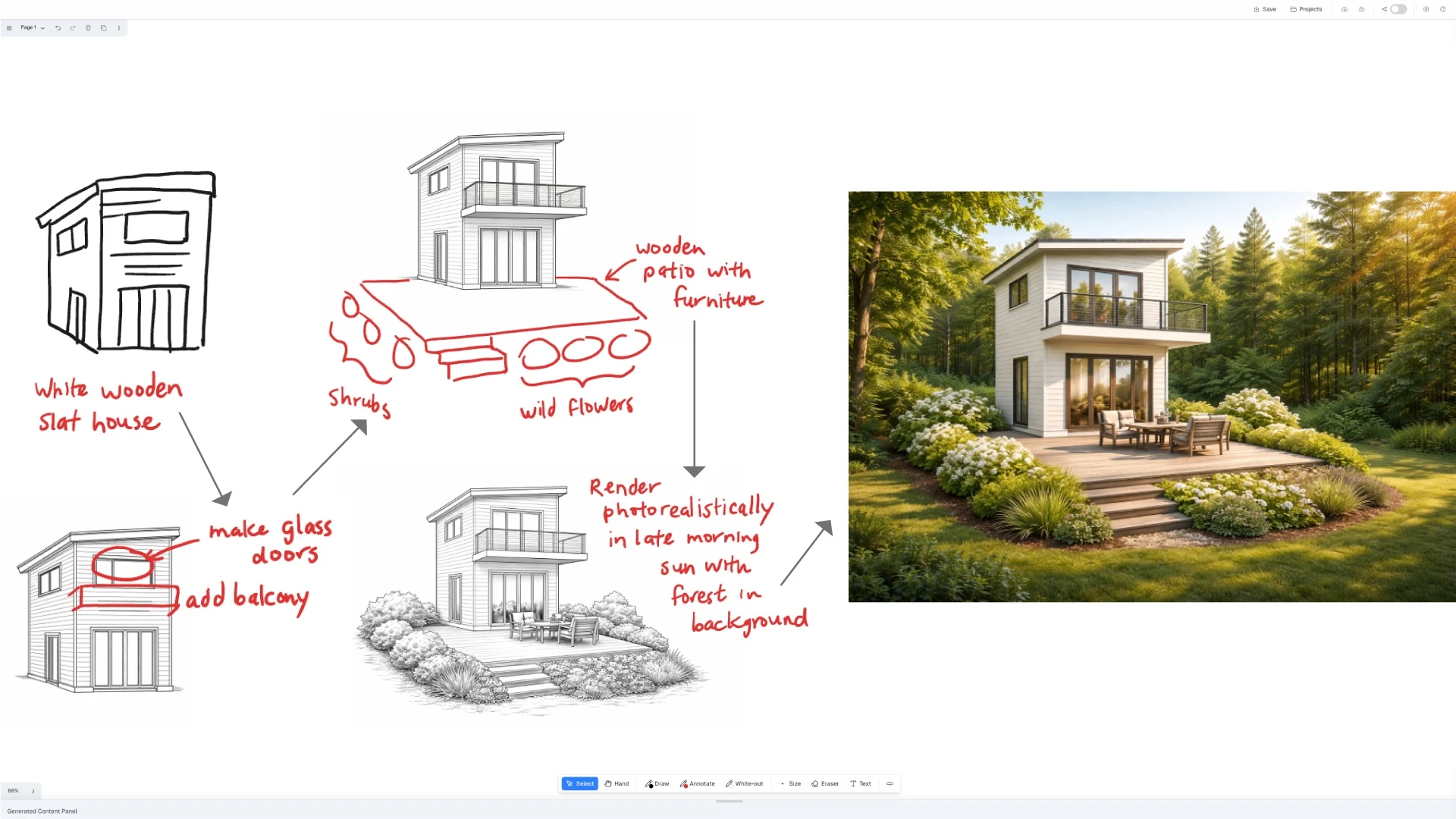
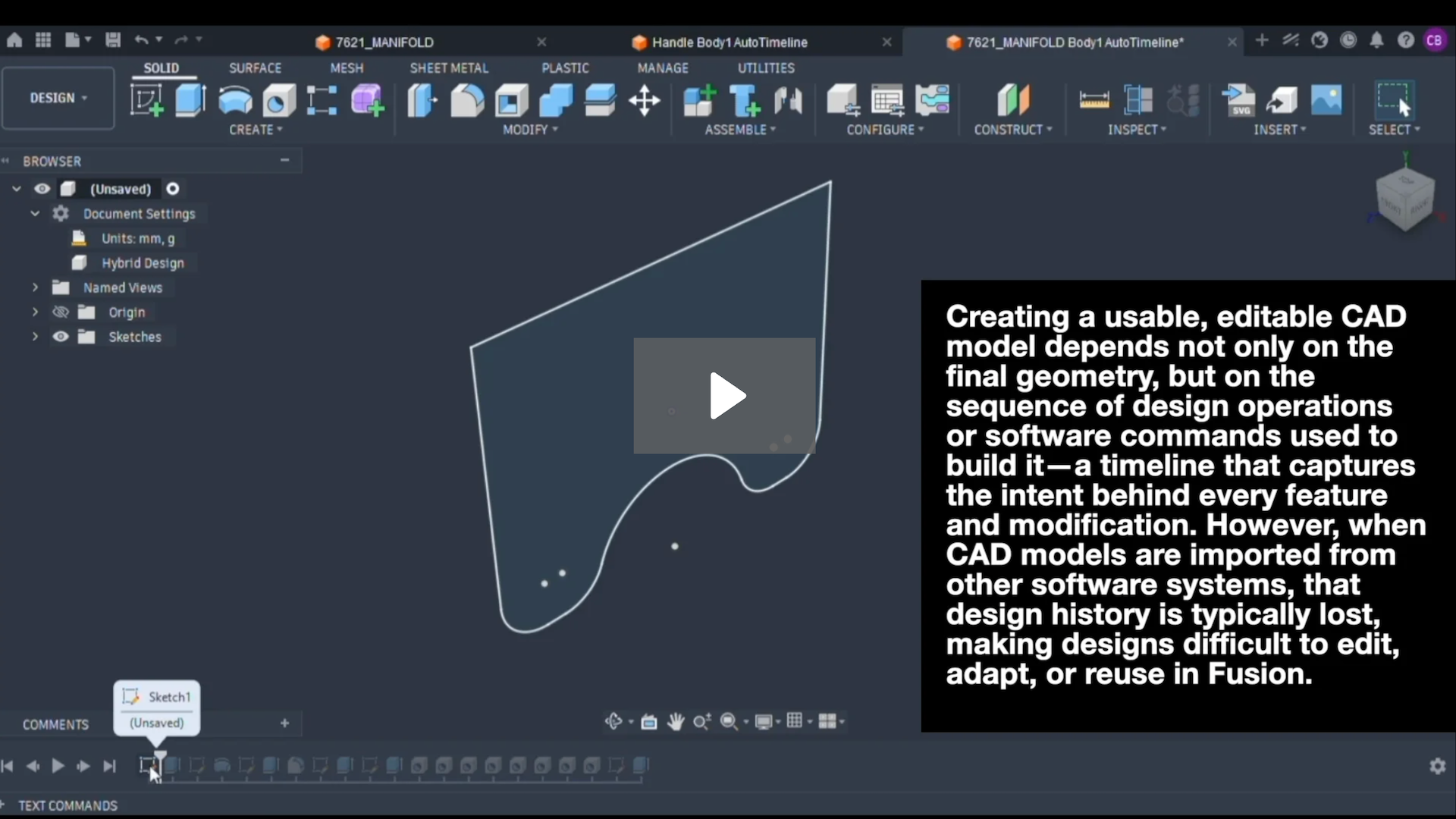
With neural CAD, you will be able to launch your ideas by speaking about them, typing them, drawing them, or uploading images. You will watch the neural CAD engine reason through your request and produce highly detailed CAD objects and assemblies. Speak naturally with the AI to make changes as the technology reasons through the surfaces, edges, and topology needed to realize your idea. Evaluate not one, but many 3D design options simultaneously and instantly consider your options and trade-offs. And neural CAD creates first-class, editable CAD geometry that you will immediately refine in parametric CAD software like Fusion or Forma. For specific tasks, it will even create the full history and sequence of CAD commands required to create the 3D model—making it easier to understand and edit.
Autodesk Research has been working for more than fifteen years to solve this new challenge. These neural CAD AI models are incredibly difficult to train and need entirely new forms of neural network architectures. After years of progress, neural CAD is now evolving exponentially faster.
In a sense, Autodesk is disrupting itself to make its tools more accessible and more user-friendly for creative people. Neural CAD AI models will power features in Fusion and Forma that can reason effectively at the detailed geometry level and make you faster, smarter, and more competitive.
Our research shows that enabling exploration and decision-making during conceptual design—a neural CAD specialty—radically improves project metrics like cost, sustainability, and suitability. And by creating high-quality CAD geometry early on, professionals will move seamlessly from conceptual design to detailed design development while preserving the original design intent.
How neural CAD differs from traditional parametric CAD
In typical 2D or 3D design software, the parametric CAD engine does the work of analyzing, producing, and managing your geometry. These programs are now extremely sophisticated, having improved over more than 40 years of development. However, parametric CAD engines are not AI and are limited in how you can interact with them. Parametric CAD is rigid and deterministic—not great for exploring a fuzzy design concept in an open-ended way.
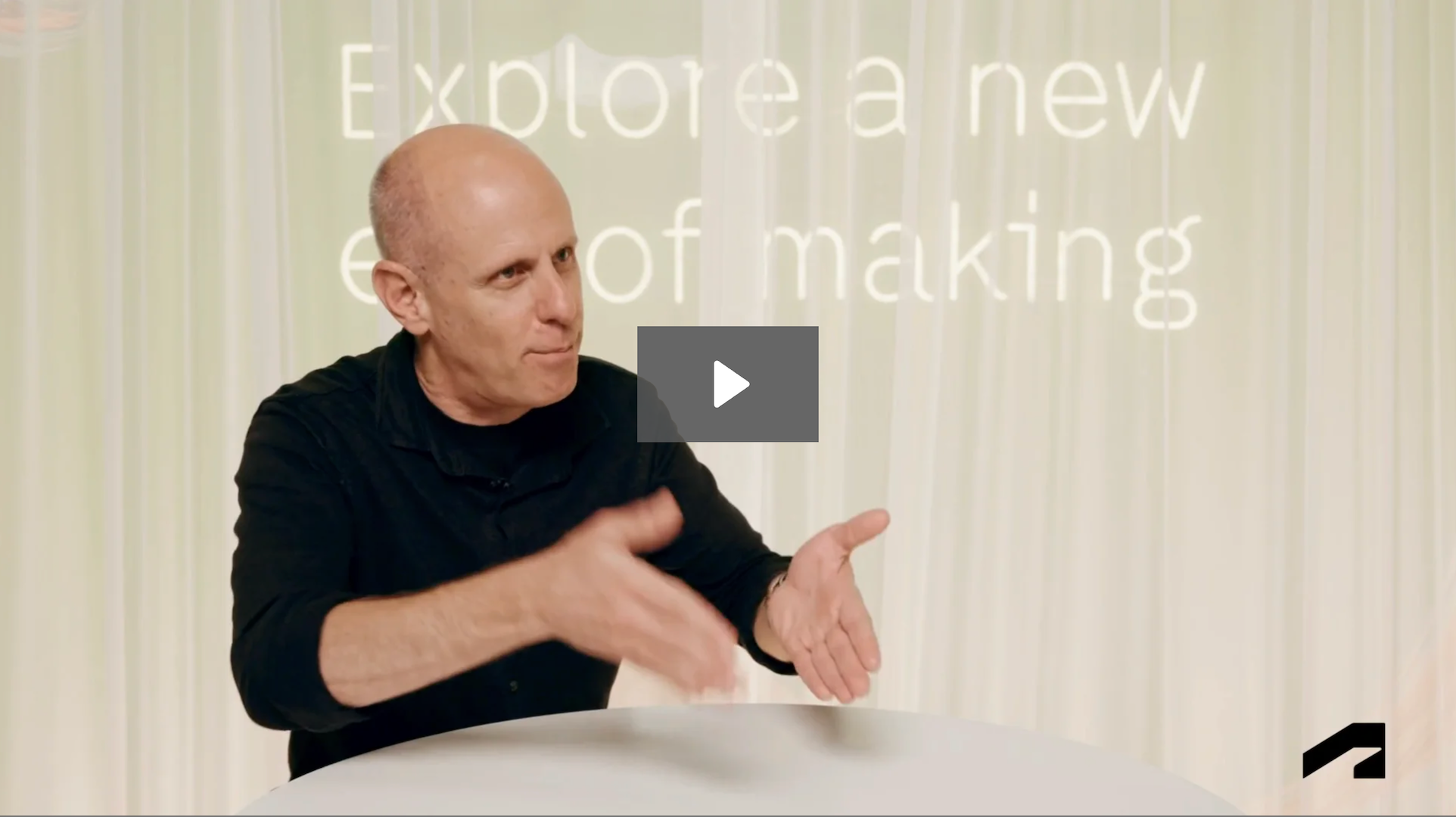
By contrast, neural CAD is a new technology based on novel machine learning techniques trained on precise geometry and 3D representations. It learned how to structure and analyze geometry in two- and three-dimensional space. It works like other generative AI systems that most people have used to create text or images, except that neural CAD AI creates 3D CAD geometry. For example, you could sketch something and tell neural CAD to “make it 3D.” You could describe something you want made into 3D using some combination of written and spoken prompts, drawings, sketches, and images. The neural CAD AI actually produces geometry similarly to parametric CAD but does so based on a broader range of inputs.
Parametric CAD remains valuable for giving architects, artists, engineers and builders precision and control—knowing that if you type “2.5 inches,” the measurement will be exactly 2.5 inches. Now neural CAD allows the free expression mentioned above, so you can think and create freely even if you don’t have the exact specifications.
Neither parametric CAD nor neural CAD is superior to the other. At Autodesk, we believe the future of making anything will consist of a seamless combination of both parametric CAD and neural CAD. But we’re very excited about enhancing parametric CAD engines with neural CAD AI models—the first step function change in CAD technology in more than 40 years.
The first AI purpose-built from scratch for 3D CAD
Among the organizations trying to make AI for creating 3D CAD, we’ve noticed two general approaches.
The first approach is to use LLMs to produce code that communicates with a parametric CAD software’s existing API. This can automate specific forms or shapes with a traditional parametric CAD engine. However, these results potentially remain problematic because an LLM was not trained to understand the three-dimensional physical world. It does not reason in 3D, so when the requests become too complicated, the system shows its limitations. Tasking an LLM to work with a parametric CAD API is like hiring a plumber who has read every book on plumbing but has never touched a pipe. Most people would not want that plumber in their home. Instead, they would trust a plumber with real, hands-on experience.
That’s what neural CAD is. It is trained from the beginning with “hands-on experience” in the form of real-world CAD objects. By building neural CAD for geometry, Autodesk opted for the second, and frankly, far more difficult approach to making AI for 3D CAD creation. Our large AI models powering neural CAD directly reason in geometry, rather than speaking to an API about geometry. This is a big difference. The neural CAD models can “think” about shape, form, structure, and performance. Accomplishing that, however, takes a great deal of research and AI training. I take pride in the fact that Autodesk’s AI Lab is the world’s leading publisher of peer-reviewed research for CAD geometry, with nearly 100 scientific papers on this topic.
What’s more, combining neural CAD technology with an LLM compounds the creative potential. The LLM can then use neural CAD to reason about geometry. For example, if I had an air fryer design and asked the AI to give me the constituent components that I could fabricate according to my constraints for cost, materials, and manufacturing methods, the LLM is quite good at using neural CAD to look at designs and break them apart.
Ultimately, our ideal vision of the future of AI for CAD combines approaches for using LLMs, parametric CAD systems, and neural CAD AI models. No single technology is a panacea, but the combination is transformative.
Developing a unique foundation model for geometry
In May 2024, Autodesk unveiled Project Bernini, a research project for generating functional 3D shapes from a variety of inputs, including text, 2D images, and point clouds. Sixteen months later, Autodesk announced neural CAD and its possibilities at Autodesk University 2025. The casual observer would understandably be impressed thinking that we accomplished all that work in only a year and a half. However, the Project Bernini and neural CAD announcements represent a fraction of the whole. Most of the work has been underway for years, relatively behind the scenes.
Autodesk Research established its AI Lab in 2018, when there were no large labs or organized efforts to research machine learning for 3D CAD objects. At that time, we had already researched AI for nearly a decade, and we recognized AI’s accelerating pace. It provided the opportunity to research under-explored areas of AI related to design, geometry, structures, systems, physics, industrial workflows, and behavior. It was a major challenge, however, simply to determine where to find the necessary data, how to use that data, and how we could use customer data responsibly. In addition, available off-the-shelf AI tools did not always apply to the new CAD-centric AI research, so we built our own platform infrastructure tools using many GPUs in large-scale cloud systems to process everything.
It took time to develop because there is a limited amount of data available to train foundational 3D models. Unlike the petabytes of data available on the Internet to train LLMs and image-generation models, these 3D models require professional-grade CAD objects. To train our neural CAD models, we moved beyond simply generating shapes or images in three dimensions like other companies are doing; we trained them with real CAD objects to generate boundary representations (B-reps)—the mathematical formulae for three-dimensional shapes.
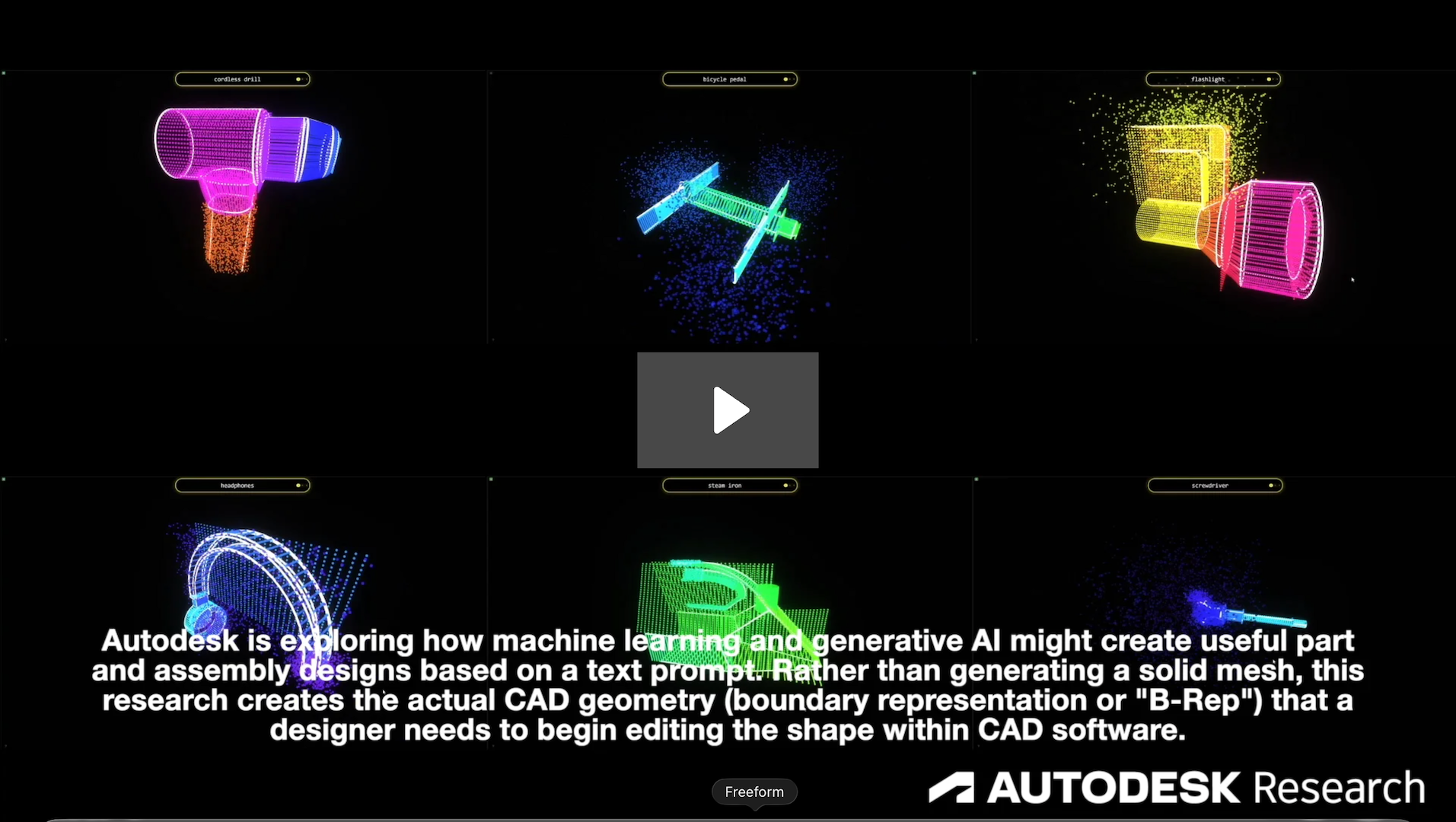
By the time Autodesk shared these unique results with the announcement of neural CAD in 2025, it was the culmination of many years of researching the first AI foundational model that could generate real 3D shapes from multiple input types. Everything we learned from prior research, including Project Bernini, went into our neural CAD models for powering true AI CAD in both manufacturing and AECO workflows.
As neural CAD features appear in Autodesk products, they won’t sit in a standard dialog box or operate by simple prompts alone. Flexible interfaces for neural CAD may use prompts with any combination of sketching, sample documents, inspirational imagery, and voice commands.
The world is evolving with AI, and we are building new user experiences and interfaces around these tools designed to offer organizations choices for how they want to approach AI adoption.
Trusted AI tools without the hype
Big leaps in technology always come with hype cycles. I believe AI hype cycles and “AI washing” will persist, with companies greatly overstating their results and the potential impact of AI. For example, it is a relatively easy matter to train an LLM on your software product’s user manual and then claim to offer generative AI as a result. Our industry must develop and adopt standards, technologies, and approaches for customers to trust and navigate this new landscape.
Industry standards: Our industry does not yet share a set of standard benchmarks to scrutinize claims like the one described above. What is your generative AI model creating and how? How precise, accurate, and useful are the generated results? Does your neural CAD object include metadata? Today, customers lack standard benchmarks to judge a vendor’s claims. Shared standards do exist for LLMs, but none for generative AI models in the design and make industry. For now, Autodesk is developing our own internal benchmarks to establish trust in these novel tools, and we hope to establish shared benchmarks in concert with academics, regulators and other industry leaders.
Anti-parroting technology: We also have been working on trust operations for neural CAD functions. Our researchers are exploring how new tools can help to identify common solutions for common design challenges while avoiding the generation of results that match or “parrot” a customer’s unique designs. As with benchmarking standards, anti-parroting is well understood for text and image models, but not for 3D CAD objects. To address this, Autodesk is researching how our AI technology can be tuned to recognize shapes and analyze a design’s overall similarity or uniqueness.
Transparency and choice: Autodesk and others are developing additional tools to promote trust in these novel technologies and diminish the hype and exaggeration. These include “AI transparency cards” that share details about how we developed an AI model and explain the safeguards in place to protect privacy and promote their safe and secure use. We are also building tools that will give customers flexible choices for their data and the advanced AI features they want to adopt.
All these elements are required for large-scale neural CAD adoption. Neural CAD technology will help users solve harder problems with less friction, but our industry must invest the time and resources to ensure that neural CAD is trustworthy and safe.
Neural CAD in action
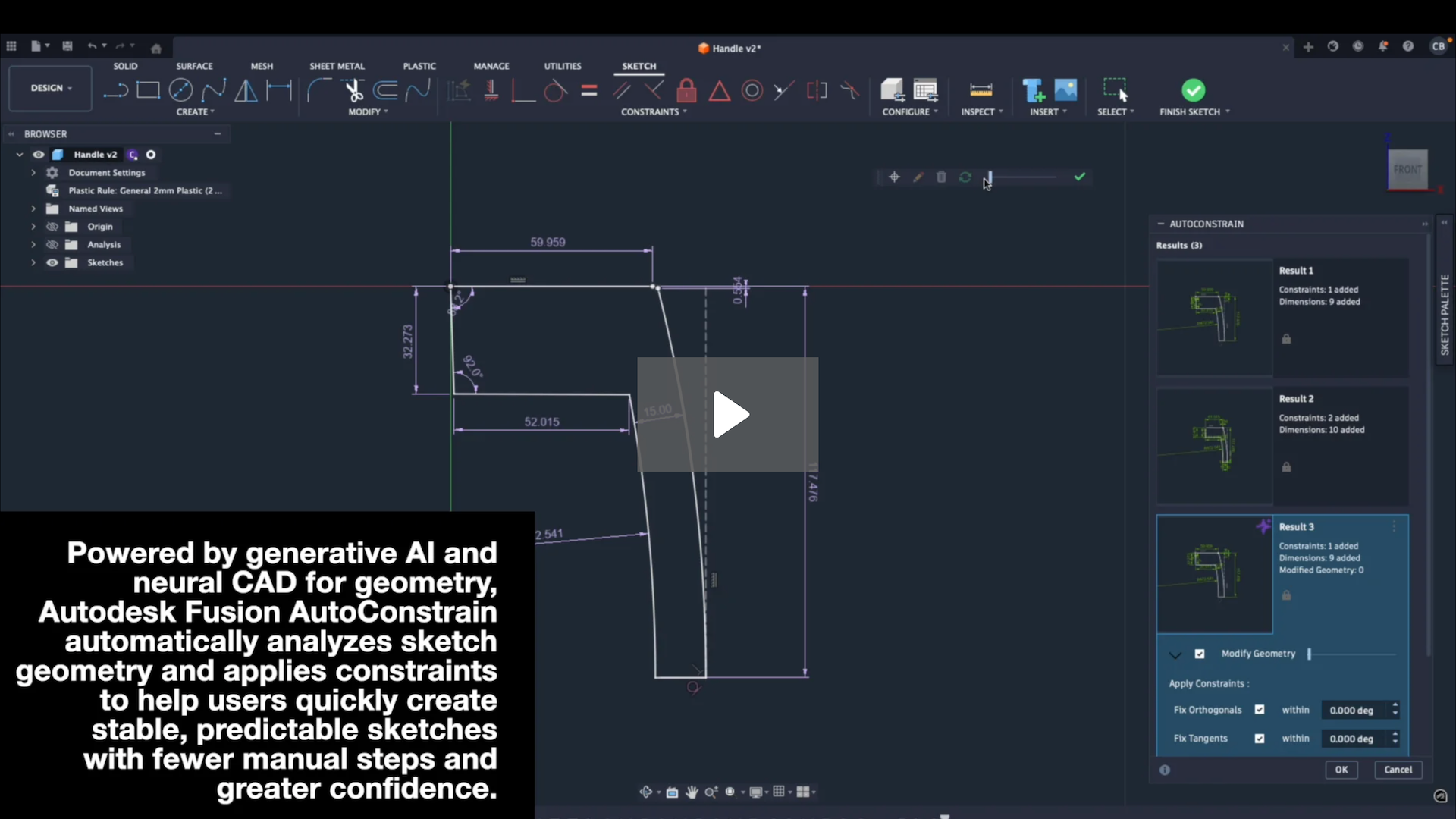
Autodesk offered a small glimpse of what neural CAD could do with the AI-powered AutoConstrain feature for Fusion in early 2025. This feature automates the creation and application of critical dimensional constraints in design sketches, reducing time and errors. AutoConstrain has improved significantly since its release, yet still only scratches the surface of neural CAD’s ability to reason about spatial data and turn your design intent into action.
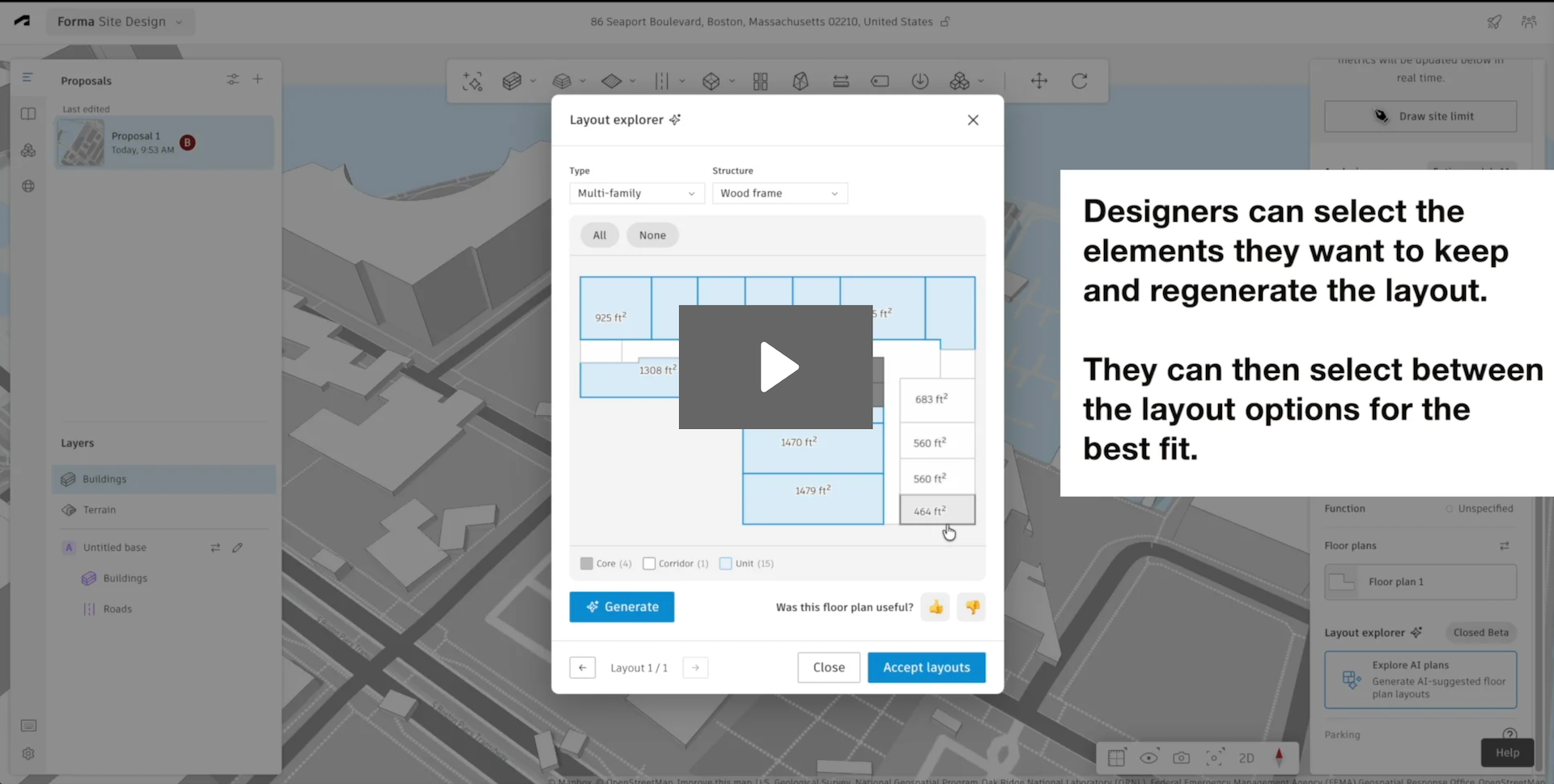
More powerful neural CAD technology announced in late 2025, such as Forma Building Layout Explorer, is expected soon. These models are fully CAD-aware and can reason in three dimensions and within industrial workflows.
Just as important, neural CAD features give designers and engineers all the control they need while interacting naturally with the tools in unique and powerful ways. Intuitively working with CAD tools using natural language and voice commands, sketching, direct 3D interaction, and constraints will add layers of control and possibility to the legacy era of working solely with a keyboard and mouse. The interaction between computer and human becomes more natural while still providing the professional with the control they expect and need.
Our customers can expect to see more neural CAD features emerge as these powerful models grow in scope and scale.
A landscape for super users and super geniuses
Many more benefits from our intense research and development are on the way. They will disrupt how Autodesk develops and delivers technology while transforming how you work. We are moving to the future where your design tools understand your spoken language, your sketches, three-dimensional design data, the 3D physics of the natural world, and your organization’s industry-specific workflows.
We recognize that we can’t complete this journey alone. We are actively collaborating with our customers and academic partners. Moreover, in 2026 Autodesk announced our $200 million investment in World Labs. Autodesk will collaborate with the World Labs team as they build foundational world models that can perceive, generate, reason, and interact with the 3D world. It is only through shared discoveries and active collaboration that we will deliver a neural CAD platform that others can build upon.
Eventually, your teams will fine-tune your own AI models on top of our foundational models, letting you turn your historical data and processes into new opportunities for competitive differentiation. Instead of having to start from scratch repeatedly, your unique style and proprietary methods will become your proprietary AI models, enabling new ways to design and make things you never thought possible. Combine that with agentic AI workflows from Autodesk Assistant, and you will arrive at the future we envisioned when launching the AI Lab.
Until now, traditional parametric CAD tools have forced creative people to learn very complex industrial design software and become “super users” of our software tools, whether they wanted to or not. We will continue to need expert tool users who understand the depth and breadth of our technology and how to navigate it effectively. Still, with the help of neural CAD, new users can embrace this novel human-computer interaction model to move faster and focus more on their domain expertise without needing to navigate a complex design tool with its command line and multiple drop-down menus.
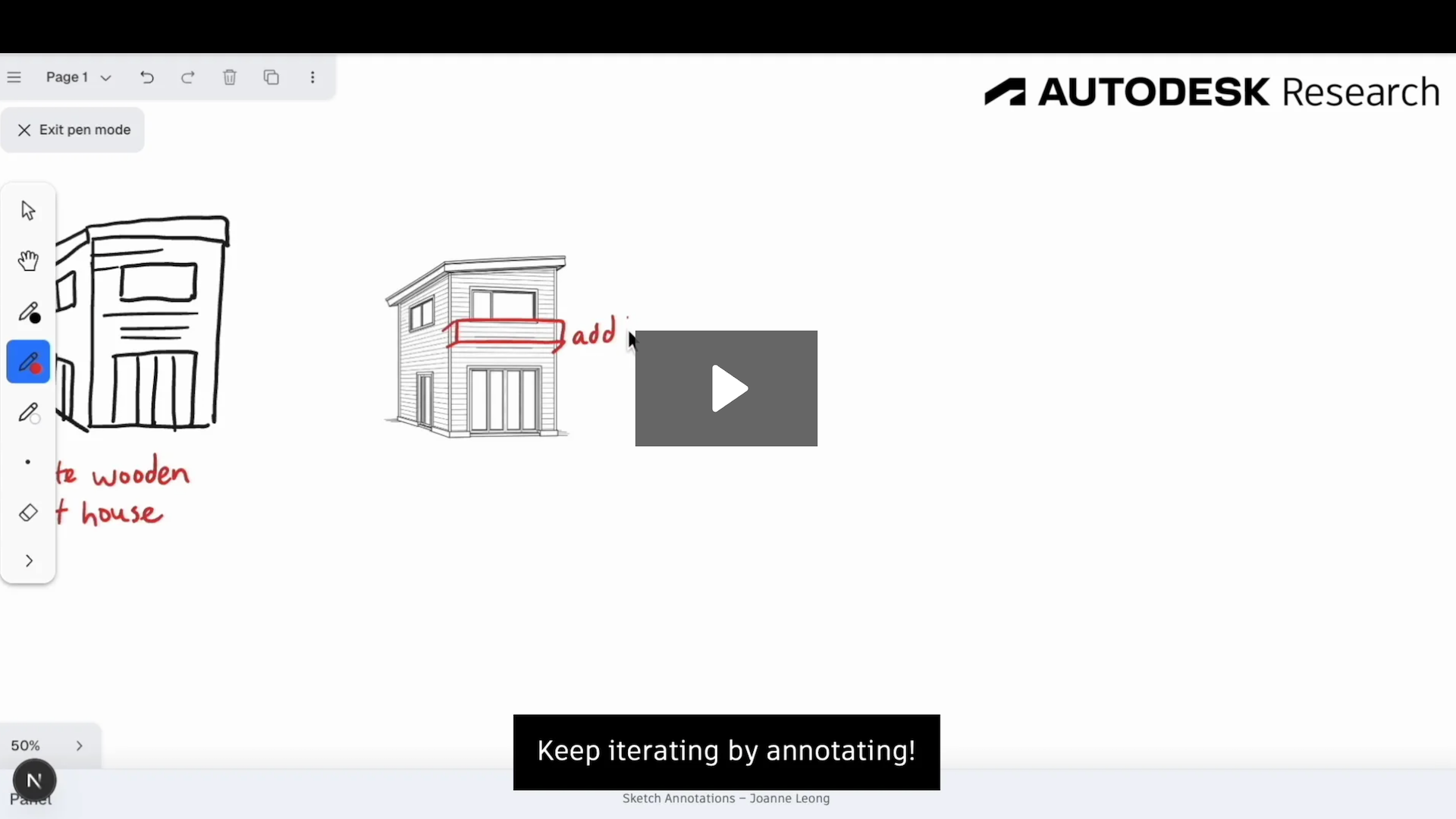
These neural CAD tools will allow these users to practice their discipline more frequently and completely, interacting with AI software platforms more naturally and in multiple ways. And agentic AI assistants will act at their direction and on their behalf to solve harder problems—faster and more efficiently.
Instead of being rewarded as super users of complicated software interfaces, the new generation of neural CAD super geniuses will be rewarded for their industry expertise. A person’s knowledge of structural engineering and building systems, or product design principles and tool paths, will be their currency of success. In this future, people will have an unprecedented ability to express their vision and explore ideas supported by extraordinary neural CAD tools. Then, both humans and machines will work in new ways to design and make a better world for all.
About the author

Mike Haley
Mike Haley leads the Autodesk Research group, which identifies, evaluates, and develops disruptive technologies that improve the practice of imagining, designing, and creating a better world. His team combines research, development, and user experience in coupled iterative cycles to develop new products and foundational technology. For the past several years, Haley’s team has been focused on bringing geometric-shape analysis and large-scale machine-learning techniques to 3D design information with the intent to make software a true partner in the design process.