Athenian Brewery puts sustainability on tap to reach net-zero goals for Heineken production
Using data to its fullest potential, Greece’s Athenian Brewery is striving toward net-zero goals, showing how sustainability can transform an energy-heavy industry.
Heather Miller
5 min read
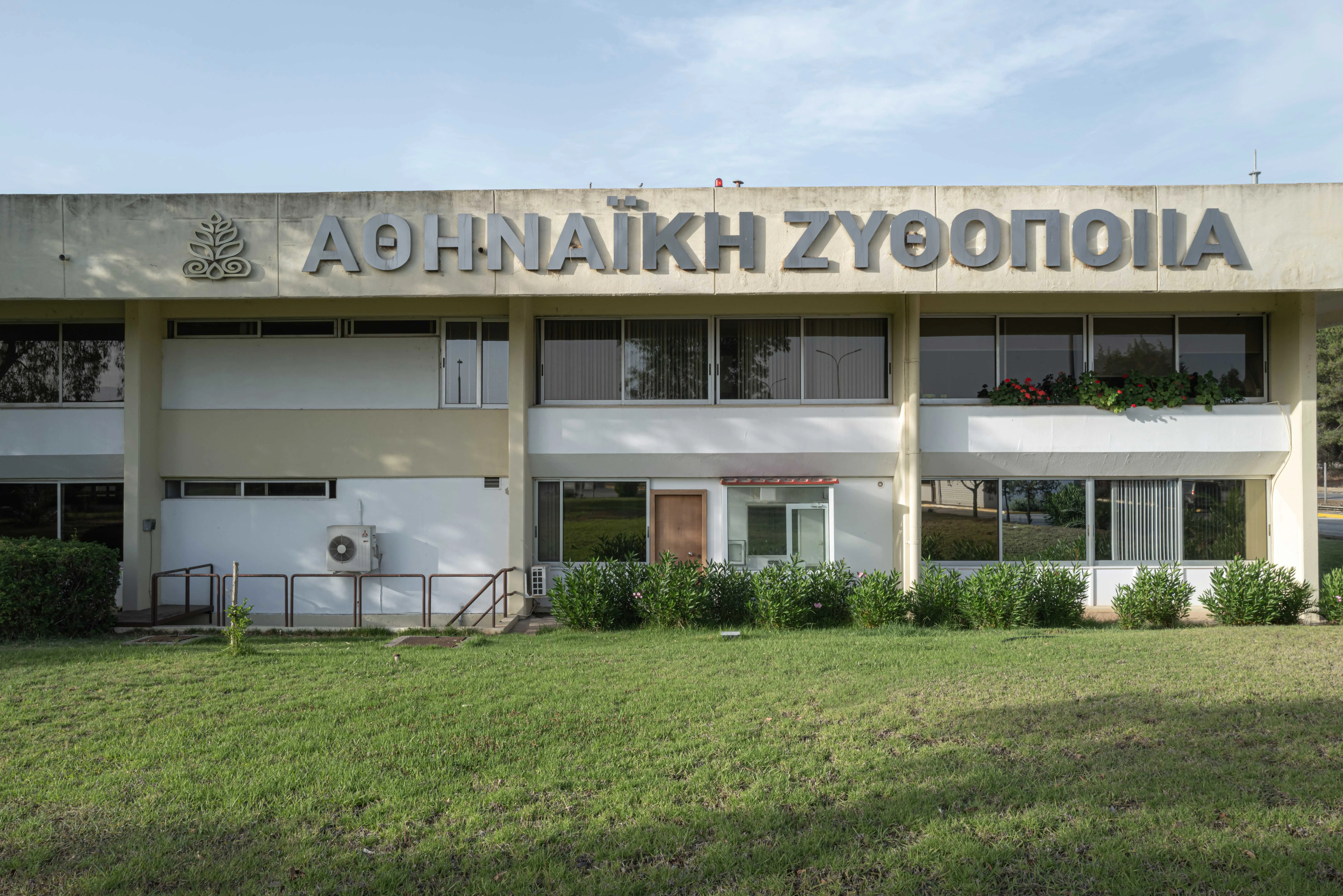
Athenian Brewery, Greece’s largest brewery and Heineken manufacturer, produces about 2.5 million hectoliters of beer annually.
Beer brewing is an energy-intensive process that requires precision heating and cooling, motivating the industry to adopt sustainable practices to align with the EU’s goal to be carbon-neutral by 2050.
To get there, Athenian Brewery is sourcing clean energy and implementing advanced technology, creating a digital twin platform and customized solutions to monitor energy use and predictive maintenance.
Essentially, manufacturing can be summed up in a single word: output. The goal is to roll out and scale products as quickly and efficiently as possible. But one area where manufacturers are recognizing the need to produce less is carbon emissions.
The manufacturing industry is at an inflection point with a growing number of net-zero targets. In five short years, the EU is aiming to achieve an ambitious goal to reduce greenhouse gas emissions by at least 55% by 2030. By 2050, the plan is for the EU to be completely carbon-neutral.
Manufacturers globally are rethinking every part of their operations to uncover new paths to sustainability, from energy consumption to water usage. And they’re putting solutions into action for real impact. One company taking on this challenge is Athenian Brewery.
Working toward net-zero goals
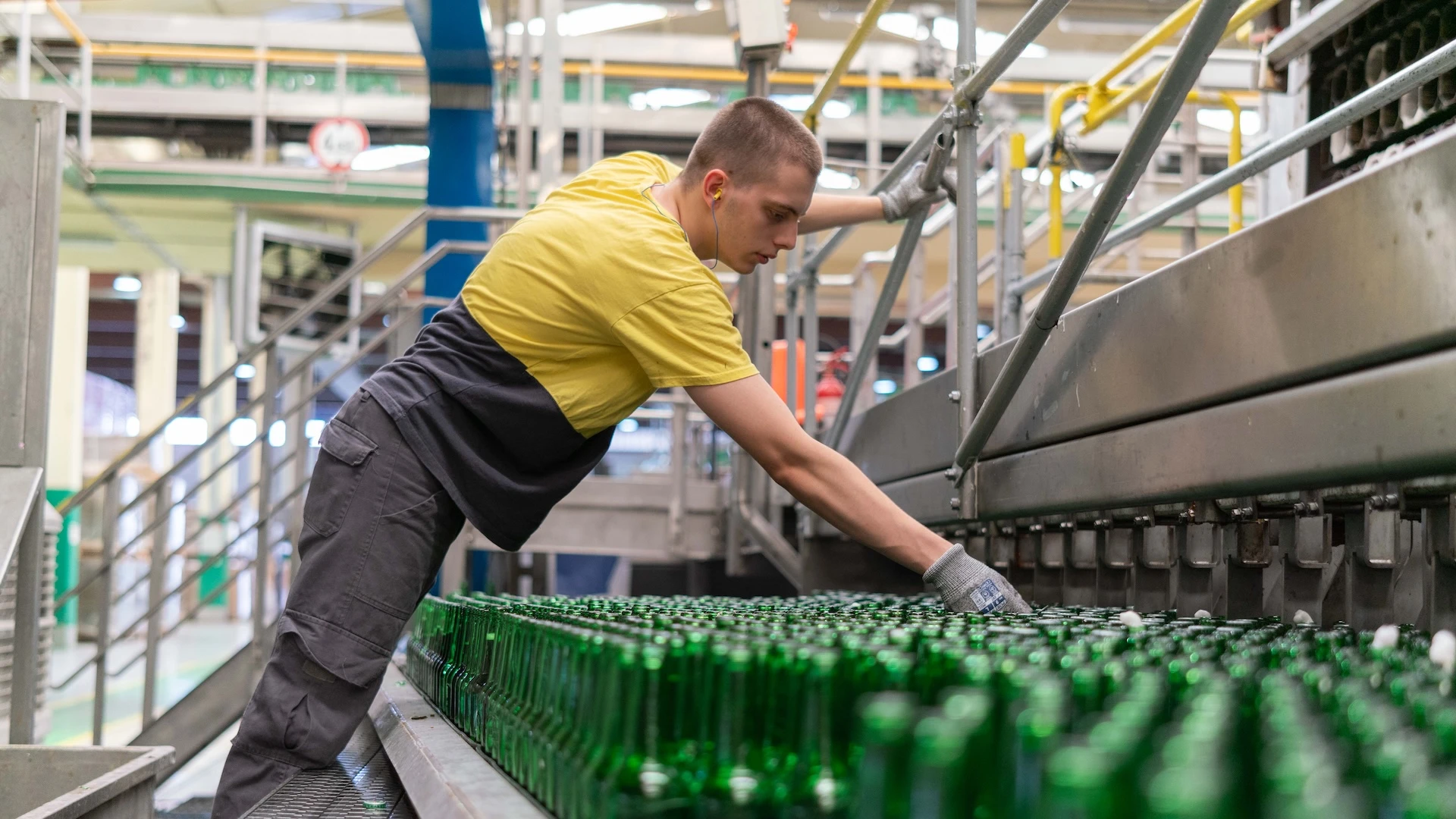
Founded more than 60 years ago, Athenian Brewery is Greece’s largest brewery and Heineken beer manufacturer. The company operates two breweries and adjacent facilities where it produces its own malt, generating about 2.5 million hectoliters of beer annually. That’s the equivalent of 66 million gallons, or enough to fill up 100 Olympic-size swimming pools.
Brewing beer requires an intensive process of heating and cooling with precision, expending a large amount of energy to create that perfect sip. Athenian Brewery is pursuing new ways to reduce their energy consumption, reach net zero, and align with Heineken’s goal for carbon-neutral production sites by 2030 and throughout its full value chain by 2040. Athenian Brewery is also now sourcing its electricity from a wind farm in Finland and solar farm in Italy, which are both connected to the EU grid.
“There are consumer-driven reasons and environmental motivation, but also a strong financial case for going net zero,” says Nikos Koufokotsios, Athenian Brewery’s Sustainability, Digital, and Reporting Head. “With different geopolitical situations, energy prices for electricity and gas can fluctuate dramatically.”
“But if you have sustainably sourced energy—whether from solar, wind, or even byproducts—you gain control over your own supply,” he continues. “You remove those fluctuations. It’s a win-win-win: good for the environment, good for business, and good for consumers.”
Implementing a digital twin to achieve energy savings
Athenian Brewery is making inroads with their goal to become net-zero. Recently, they have participated in ECOFACT, a €12 million ($1.4 million) project funded by the EU’s Horizon 2020 Research and Innovation program. Its goal is to enable manufacturing industries to optimize the energy performance of their systems, in line with production constraints of time and resources.
Based in Italy, OneTeam is a technology provider and an Autodesk Platinum Partner. As part of the ECOFACT consortium, the company began finding new ways for operation and maintenance teams to reduce energy consumption and cost. It created the ECOFACT Energy Resource Management System (ERMS), which is built around a digital twin platform using Autodesk tools such as Autodesk Platform Services (APS) for data integration and visualization and Autodesk Inventor for modeling and factory layout. The digital twin platform uses a multi-layer architecture with custom modules for energy monitoring, simulation and optimization, and data exchange.
“Autodesk Platform Services is a key component for our success, providing powerful APIs for accessing and visualizing data,” says Andrea Perego, Innovation Consulting Services Director at OneTeam. “This enables real-time data streaming for industrial digital twins and allows simulation and optimization tools for energy consumption to be seamlessly integrated directly into the platform.”
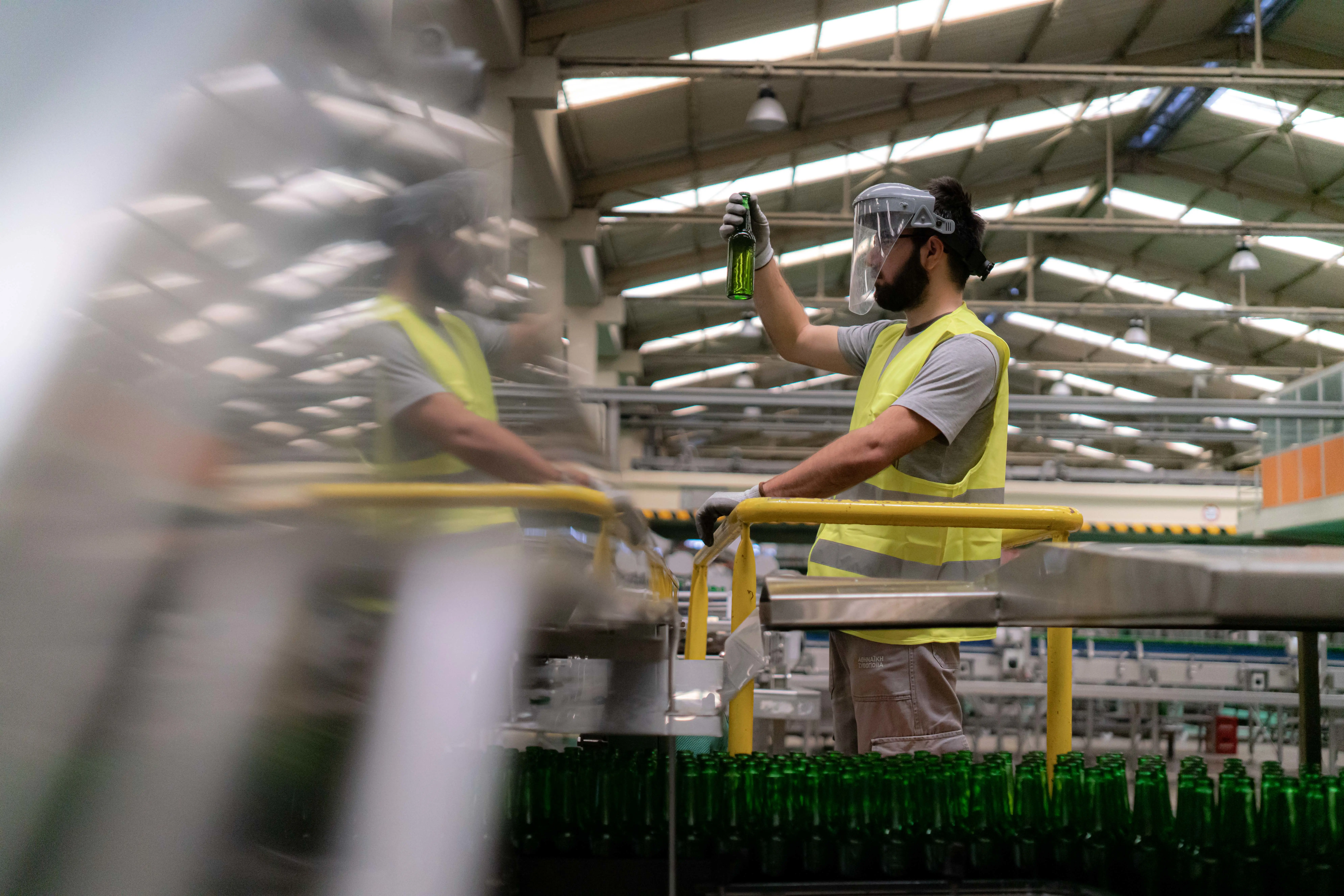
Athenian Brewery implemented the new digital twin platform and customized solutions to monitor energy use and predictive maintenance for four ammonia compressors, a CO₂ evaporator, and a keg pre-cleaning machine. The parameters included operating hours, control valves, pressure, and temperature. To meet Athenian Brewery’s needs, real-time data visualization was updated every 10 seconds in the APS Viewer, so the entire team can access updated data directly. Production reports on electricity, thermal energy, and water use were made available so anyone could use this information in a visual and interactive way.
Data was trained for predictive maintenance applications, helping avoid stoppages in production and maximize utilization for the CO₂ evaporator and the bottle washer conveyor chain. In the final phase of the project, real data from the brewery was also used to train predictive models. The Athenian Brewery team could run selected simulations and optimizations to improve their production and maintenance strategies from both environmental and economic standpoints.
“I think the real value lies in the visualization,” Koufokotsios says. “We can visualize the various process streams, even the most complex ones with multiple layers.”
“It gives operators a clear understanding of what’s happening in real time and helps them connect what they see on screen with what’s actually occurring in the system,” he continues. “This level of visibility makes a real difference, especially in complex processes like the cooling phases.”
The results are telling. Athenian Brewery’s maintenance costs were reduced up to 11% after adopting a predictive maintenance strategy and using the new digital twin platform available to them from ECOFACT. For the bottle, can, and keg packaging lines, product changeover times decreased by 13% and reduced energy and water consumptions and CO2 emissions by 13% as well.
“The EU funding is a good thing because we have the opportunity to actually try and pilot new things that normally would cost us a lot of time and expense to see how and if something would work to help us toward our goals,” Koufokotsios says. “It’s a win-win situation.”
The path ahead
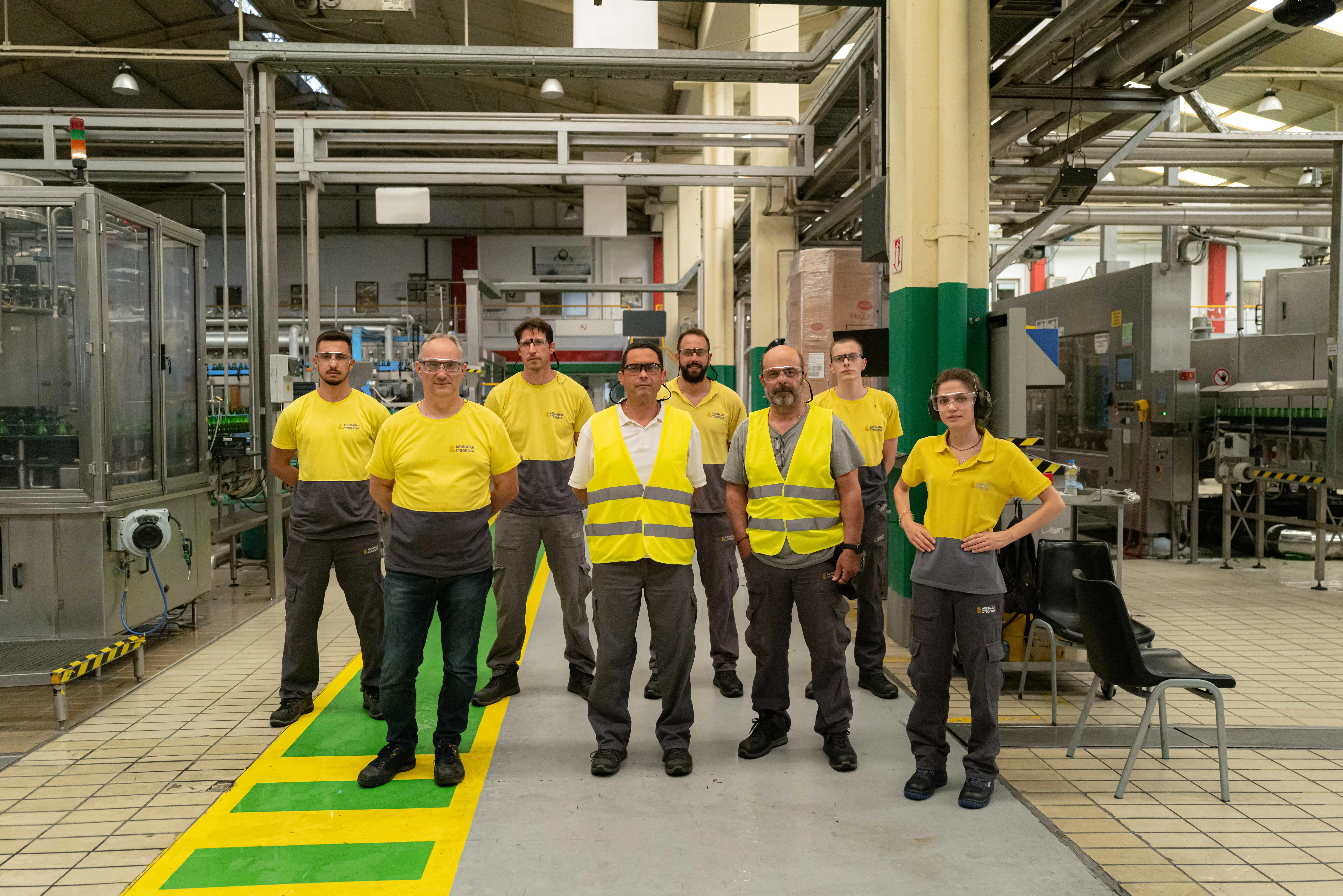
Currently, Athenian Brewery is working on additional projects to reach their net-zero goals. For others in the manufacturing industry, Koufokotsios’ advice is simple.
“Reducing energy consumption and making a meaningful impact to reduce carbon is inevitable for everyone in the manufacturing industry,” he says. “Now, it’s possible to visualize and check every meter and all the live data, even with very complex manufacturing systems. It's a great opportunity for all of us to move forward with more sustainable options that positively impact both our businesses and the planet.”
About the author

Heather Miller
Heather Miller is a freelance writer and editor, producing thought-leadership content, blog articles, and customer success stories for a variety of organizations, from start-ups to Fortune 500 companies.