What is an MES?: Manufacturing Execution System
What is an MES?: Manufacturing Execution System
Manage your processes digitally, let go of paper and spreadsheets. Bridge the gap between top-floor and shop-floor, and get real-time visibility over every step of your production.
A Manufacturing Execution System (MES) is a software solution to automate and digitize manufacturing processes. Manage, monitor, and track the transformation of raw materials into finished products in real-time. Gain insight into manufacturing operations to see how to improve performance, lower costs and increase production efficiency.
A Manufacturing Execution System (MES) is a software solution to automate and digitize manufacturing processes. Manage, monitor, and track the transformation of raw materials into finished products in real-time. Gain insight into manufacturing operations to see how to improve performance, lower costs and increase production efficiency.
What is a manufacturing execution system (MES)?
Quality management
Quality management
Control the production process to ensure consistent quality, by setting quality standards, conducting inspections, implementing corrective actions, and enabling continuous improvement.
Control the production process to ensure consistent quality, by setting quality standards, conducting inspections, implementing corrective actions, and enabling continuous improvement.
Material requirements
Material requirements
Determine the quantity and timing of materials required based on the production schedule. Optimize inventory levels, minimize stockouts, and ensure that materials are available when needed for production.
Determine the quantity and timing of materials required based on the production schedule. Optimize inventory levels, minimize stockouts, and ensure that materials are available when needed for production.
Production scheduling
Production scheduling
Create a detailed plan by determining the sequence and timing of operations, assigning resources, and allocating time for each task to meet production targets.
Create a detailed plan by determining the sequence and timing of operations, assigning resources, and allocating time for each task to meet production targets.
Manufacturing execution
Manufacturing execution
Control and manage production operations on the shop floor, with real-time monitoring, tracking, and controlling of manufacturing processes, equipment, and personnel.
Control and manage production operations on the shop floor, with real-time monitoring, tracking, and controlling of manufacturing processes, equipment, and personnel.
How does a manufacturing execution system work?

Real-time monitoring
Real-time monitoring
MES provides real-time visibility into shop floor operations. It monitors equipment, production processes, and resources, allowing for immediate response to issues and optimization of production.

Production tracking
Production tracking
MES tracks and traces products, materials, and processes throughout the manufacturing lifecycle, helping with quality control, compliance, and the ability to quickly address defects or recalls.

Resource management
Resource management
MES helps manage and schedule resources such as labor, machines, and materials. You can optimize production schedules, reduce downtime, and ensure resources are allocated effectively.
Industries that use manufacturing execution systems
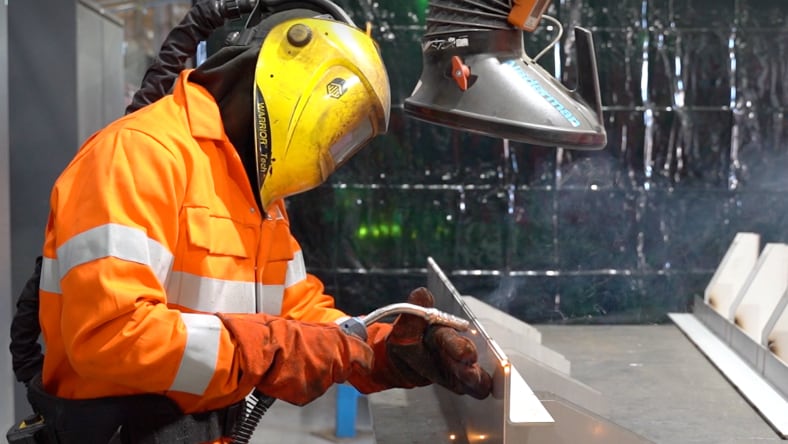
Building Products
Building Products
Customized production of building materials and components, such as windows, doors, roofing materials, and architectural elements.
Customized production of building materials and components, such as windows, doors, roofing materials, and architectural elements.

Consumer Products
Consumer Products
Production of consumer products, such as smartphones and laptops, which are manufactured in volume for general market demand.
Production of consumer products, such as smartphones and laptops, which are manufactured in volume for general market demand.
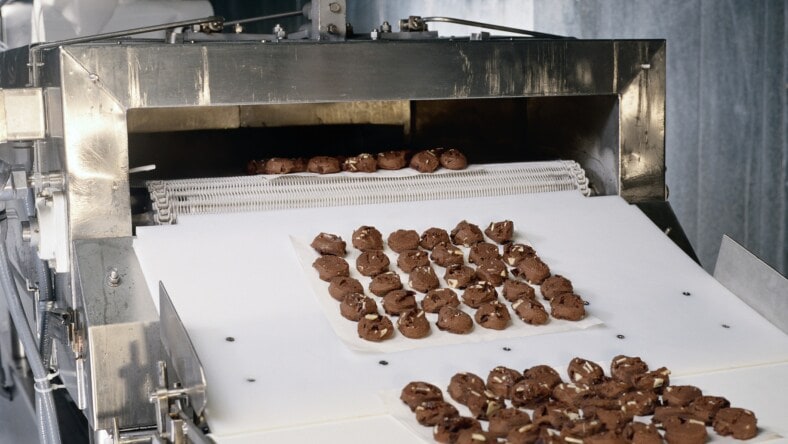
Food & Beverage
Food & Beverage
Food processors and beverage manufacturers that utilize JIT (Just-in-Time) to maintain freshness and minimize inventory holding costs.
Food processors and beverage manufacturers that utilize JIT (Just-in-Time) to maintain freshness and minimize inventory holding costs.
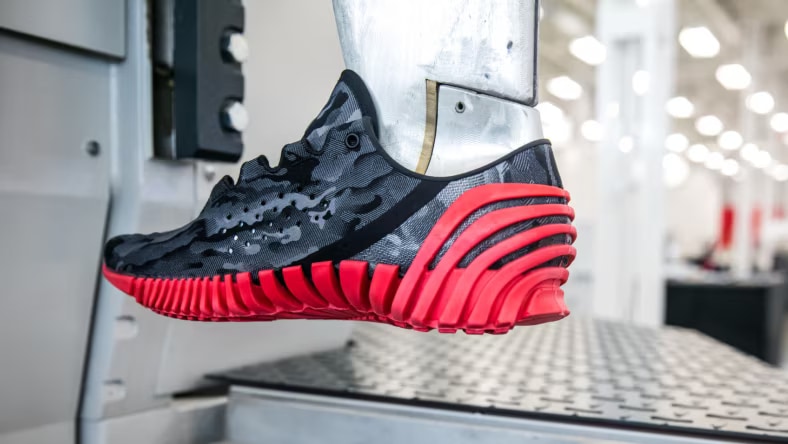
Apparel
Apparel
Textiles, fabrics, and garments producers using lean principles to improve efficiency, reduce waste, and decrease lead times.
Textiles, fabrics, and garments producers using lean principles to improve efficiency, reduce waste, and decrease lead times.
How does MES compare to other business management software?
Shop-floor digitalization can get confusing, with acronyms such as PLM, MRP, ERP, and MES coming up often. In the end, how do these differ and which one is right for you?
Shop-floor digitalization can get confusing, with acronyms such as PLM, MRP, ERP, and MES coming up often. In the end, how do these differ and which one is right for you?
MES - Manufacturing Execution System
Focused on manufacturing, it monitors, tracks, documents, and controls the production of goods from raw materials to finished products. It uses real-time data to provide information on production progress. It includes MRP, Quality Management, Production Scheduling, and Planning capabilities.
Focused on manufacturing, it monitors, tracks, documents, and controls the production of goods from raw materials to finished products. It uses real-time data to provide information on production progress. It includes MRP, Quality Management, Production Scheduling, and Planning capabilities.
PLM - Product Lifecycle Management
Used to manage the product development lifecycle from conception through production, all the way to service, maintenance, and end-of-life.
Used to manage the product development lifecycle from conception through production, all the way to service, maintenance, and end-of-life.
MRP - Material Requirements Planning
A system for calculating the materials and components needed to manufacture a product. This often consists of inventory control, identifying what’s needed and it may also include scheduling their production or purchase.
A system for calculating the materials and components needed to manufacture a product. This often consists of inventory control, identifying what’s needed and it may also include scheduling their production or purchase.
ERP - Enterprise Resource Planning
A comprehensive system that consolidates all aspects of a business, including Customer Relationship Management (CRM), Purchasing and Accounts, Human Resources (HR), Material Requirements Planning (MRP), Supply Chain Management (SCM), and more.
A comprehensive system that consolidates all aspects of a business, including Customer Relationship Management (CRM), Purchasing and Accounts, Human Resources (HR), Material Requirements Planning (MRP), Supply Chain Management (SCM), and more.
Benefits of manufacturing execution systems
Increase efficiency
Increase efficiency
Find where waste is being produced effortlessly, get real insights into time management, identify your bottlenecks in manufacturing/production, and get actionable insights.
Find where waste is being produced effortlessly, get real insights into time management, identify your bottlenecks in manufacturing/production, and get actionable insights.
Digitization and automation
Digitization and automation
Gain access to real-time data such as labor, scrap, downtime, and maintenance with digital processes that scale across your entire supply chain.
Gain access to real-time data such as labor, scrap, downtime, and maintenance with digital processes that scale across your entire supply chain.
Reduce waste
Reduce waste
Detect inconsistencies on the shop floor to quickly limit the number of bad parts and materials wasted.
Detect inconsistencies on the shop floor to quickly limit the number of bad parts and materials wasted.
Autodesk Fusion Operations
Autodesk Fusion Operations
A unique cloud-based MES solution that goes beyond traditional systems. Autodesk Fusion Operations is your partner in manufacturing optimization, offering quick implementation, intuitive use, and delivering results from day one.
With Autodesk, you're not just adopting a solution but embracing a vision to bridge the gap between Design and Make. By connecting data, teams, and workflows, Autodesk Fusion Operations empowers insights and informed business decisions.
A unique cloud-based MES solution that goes beyond traditional systems. Autodesk Fusion Operations is your partner in manufacturing optimization, offering quick implementation, intuitive use, and delivering results from day one.
With Autodesk, you're not just adopting a solution but embracing a vision to bridge the gap between Design and Make. By connecting data, teams, and workflows, Autodesk Fusion Operations empowers insights and informed business decisions.
Start a free trial
Simply fill in the form, and an expert will contact you to discuss Fusion Operations and find a solution to best fit your company’s product development needs.
Would you like to speak to someone immediately?
Call +1-844-556-4414 to speak with a Fusion Operations expert.
Simply fill in the form, and an expert will contact you to discuss Fusion Operations and find a solution to best fit your company’s product development needs.
Would you like to speak to someone immediately? Call +1-844-556-4414 to speak with a Fusion Operations expert.
Start a free trial
Simply fill in the form, and an expert will contact you to discuss Fusion Operations and find a solution to best fit your company’s product development needs.
Would you like to speak to someone immediately?
Call +1-844-556-4414 to speak with a Fusion Operations expert.
Simply fill in the form, and an expert will contact you to discuss Fusion Operations and find a solution to best fit your company’s product development needs.
Would you like to speak to someone immediately? Call +1-844-556-4414 to speak with a Fusion Operations expert.
Frequently asked questions on MES
A manufacturing execution system (MES) is a software-based system that helps manage and control manufacturing operations on the shop floor. It acts as a bridge between the production planning and control systems and the actual manufacturing process. MES provides real-time visibility into production activities, collects and analyzes data, and facilitates decision-making to optimize production efficiency and quality.
A manufacturing execution system (MES) performs various functions to streamline and improve manufacturing operations. It includes features such as:
Production scheduling and sequencing
Material tracking and inventory management
Quality control and inspection
Equipment and resource management
Real-time data collection and analysis
Performance monitoring and reporting
Traceability and genealogy tracking
By automating and integrating these functions, MES helps manufacturers optimize production processes, reduce costs, improve quality, and enhance overall operational efficiency.
While both manufacturing execution systems (MES) and enterprise resource planning (ERP) systems are used in manufacturing, they are complementary and serve different purposes:
MES: Focuses on managing and controlling the execution of manufacturing operations on the shop floor. It provides real-time visibility, data collection, and analysis to optimize production efficiency, quality control, and resource utilization.
ERP: Manages and integrates various business processes across the entire organization, including finance, human resources, procurement, inventory management, and sales. ERP systems provide a centralized database and facilitate planning, resource allocation, and decision-making at the enterprise level.
In summary, MES focuses on the shop floor operations, while ERP focuses on broader business processes and enterprise-wide integration.