Why Preconstruction Handoffs Still Break (and What Fixes Them) 

preconstruction silos break

One of the things that makes preconstruction such a crucial phase in the project lifecycle is how many big decisions are made early, with multiple teams weighing in. It brings together skilled teams across design, estimating, and procurement. And for preconstruction to actually work, those teams need to stay aligned as decisions evolve. 

Now, each team typically performs well within its own scope and responsibilities. Despite this, projects still experience budget drift, late redesigns, and rushed value engineering. That’s not because people lack effort or expertise. It’s because the work is fragmented. When handoffs break down, the project stops functioning as a connected system. 

Why are handoffs still breaking projects? 

In an ideal world, the project flow during preconstruction should be linear and connected. Design outputs should inform estimating decisions, then estimates would guide procurement and buyout strategy. 

It sounds simple in theory, but the reality is more complicated. 

Because information is often passed through static handoffs like PDFs, spreadsheets, or email markups, changes made in one phase often don’t reach downstream teams in time. 

Another challenge: people working in silos 

Each team is optimizing for its own goals, using its own tools, and working off its own version of the truth. Design is focused on intent. Estimating is working with what’s available at the time. Procurement is reacting to shifting costs and lead times. 

The problem isn’t performance, it’s visibility. When folks don’t share real-time context, small decisions upstream can quietly create bigger issues downstream. 

Common risks created by disconnected workflows 

Misalignment during preconstruction opens up the project to multiple risks. Consider the following. 

  • Design vs. constructability gaps - Designs can look solid on paper but fall apart in the field. For instance, a design might specify materials that look great on paper but are tough to build with given site conditions. Without early input from estimating and procurement, details that seem workable in theory can be difficult, slow, or expensive to build. 
  • Cost and supply blind spots - Design decisions are often made without real visibility into current pricing or material availability. That means teams may specify products that are overpriced, backordered, or hard to source. By the time procurement flags the issue, the design is already set, forcing substitutions or budget increases that ripple across the project. 
  • Estimates built on assumptions - When design isn’t fully developed or procurement isn’t looped in early, estimators are left to fill in the gaps. They rely on allowances, historical data, or best guesses to move things forward.   
  • Procurement surprises discovered too late - Procurement teams often uncover risks after pricing has already been finalized. Long lead times, limited supplier options, or sudden shortages can force last-minute changes. At that point, teams are reacting instead of planning, which puts pressure on schedules, budgets, and client expectations. 
  • Static communication methods - Too much critical information still moves through PDFs, spreadsheets, and email threads. These formats don’t update in real time, so teams end up working off outdated versions without realizing it. A change in one place doesn’t carry through to others, and small disconnects quickly turn into larger coordination issues. 

The downstream impact 

Preconstruction shapes the entire project, so any challenges, inefficiencies, and disconnects during this phase will inevitably have a downstream impact on later stages. 

Budgets drift as early assumptions get tested in the real world. Teams are forced into late redesigns when something turns out to be harder to build or source than expected. Value engineering becomes reactive instead of strategic. 

Fragmented preconstruction handoffs also create tension across teams. Trust takes a hit when surprises keep coming up, and instead of moving the project forward, teams spend more time putting out fires. 

What an integrated workflow looks like in practice 

An integrated workflow keeps everyone working from the same source of truth, with decisions building on each other instead of getting lost between handoffs. It’s less about passing files and more about staying connected as the project evolves. 

Here’s what that looks like day to day: 

  • Designers get early, actionable feedback - Cost and constructability insights can be surfaced while design is still taking shape, so teams can adjust before issues get locked in. 
  • Estimators work from live data - Instead of static exports, estimates are tied to evolving design models. As designs change, estimates stay in sync without having to start from scratch. 
  • Procurement is part of the conversation early - Lead times, alternates, and supply risks are visible before pricing is finalized, so teams can make informed decisions upfront. 
  • Changes carry through automatically - Updates in one area flow across the project, reducing the risk of teams working off outdated information. 
  • Work happens in parallel, not in silos - Design, estimating, and procurement move together, instead of waiting on one another to finish. 
  • Data is structured and easy to act on - All data is organized using a project-wide classification system, making it easy to quickly identify areas that require attention. 

All of the above gives teams a more predictable, connected preconstruction process, with fewer things falling through the cracks. 

Why integration changes outcomes 

Earlier, we talked about how things start to break down when preconstruction handoffs aren’t connected. But it works both ways. Here’s what happens on the flip side: when teams stay aligned, the whole project runs better from day one. 

  • Fewer surprises lead to better decisions - Tightly integrated teams are always on the same page, so issues don’t show up out of nowhere. That gives them time to make thoughtful decisions instead of rushed ones. 
  • Risks surface earlier - Gaps in constructability, cost, or supply are identified while there’s still room to adjust. Fixes are faster, cheaper, and less disruptive. 
  • Estimates become more reliable - With real-time inputs and fewer assumptions, estimates are easier to defend and more closely reflect the project's actual cost. 
  • Procurement supports the bigger picture - Decisions around materials and vendors align with both design intent and budget. 
  • Teams focus on optimizing, not reacting - Folks spend less time dealing with issues or reworking plans. More time goes into improving outcomes and moving the project forward. 
  • Confidence improves across stakeholders - Owners, contractors, and partners have a clearer view of what’s happening and why, which builds trust and keeps everyone aligned. 

What it takes to break down the silos: the right mindset and toolset 

Breaking down silos starts with having the right mindset. It means treating preconstruction as a shared process rather than a series of handoffs. Part of doing this requires teams to make alignment of everyone's responsibility, not something that gets checked at the end. 

That mindset matters, and once you’ve established that, it’s time to turn to the right toolset to support a more integrated way of working. 

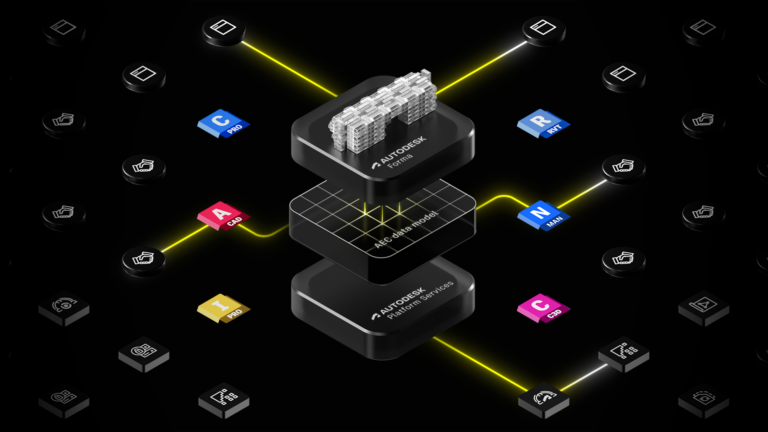
To accomplish that, teams need shared access to current data. Design, cost, and scope information should live in one place, so everyone is working from the same version of the truth. Solutions like Autodesk Forma for Preconstruction bring estimating, takeoffs, and bid management together, helping teams stay connected instead of juggling disconnected tools. 

From there, workflows need to stay connected across phases. Instead of passing files from one team to the next, work should carry through from design to estimating to procurement without losing context. Early involvement from estimating and procurement becomes much easier when the system supports it. 

Just as important, changes need to flow. When updates happen, they should flow across the project automatically, not get stuck in static files or outdated exports. 

And finally, teams need clarity. Clear ownership still matters, but it should come with shared visibility so everyone understands how decisions impact the bigger picture. That’s what turns alignment from a goal into something teams can actually execute on. 

Actional takeaways 

Reducing risk and improving outcomes comes down to how well teams align early. Here are steps you can take to move in that direction. 

  • Bring estimating and procurement into design discussions earlier 
  • Reduce reliance on static handoffs like emailed PDFs and markups 
  • Standardize how design changes flow into estimates 
  • Create feedback loops instead of linear handoffs 
  • Evaluate whether current workflows enable collaboration or reinforce silos 

Final words 

Preconstruction is only getting more complex. Projects are moving faster, margins are tighter, and there’s less room for error. 

When workflows stay disconnected, risk compounds quickly. But when design, estimating, and procurement are aligned from the start, teams can make better decisions, protect budgets, and keep projects on track. 

If you’re looking to connect your workflows and reduce risk upfront, explore Autodesk Forma for Preconstruction and see how a more integrated approach can level up your precon game. A
Jeff Gerardi

Jeff Gerardi is the general manager of preconstruction technology at Autodesk. In his role at Autodesk, Jeff oversees the vision and strategy of Autodesk’s preconstruction portfolio of products. He is involved in the development, marketing and driving the success of these products. Prior to Autodesk, Jeff founded ProEst Estimating which was acquired by Autodesk in late 2021. Under Jeff’s leadership, ProEst grew into a thriving, cutting edge SAAS technology firm that served thousands of contractors across the globe. Born into a family of business owners, Jeff has long had an entrepreneurial spirit which helped this company’s growth and success. Jeff is based in San Diego with his wife and three children. They are all avid athletes always looking for life’s next adventure.