Project delivery methods set the stage for construction jobs because they dictate how everyone works together from day one. As such, choosing the right delivery method can make all the difference between a smooth build and a stressful one.
In a market where, according to the Design-Build Institute of America (DBIA), design-build is projected to represent nearly half of U.S. construction spending through 2024-2028, owners are looking for delivery methods that move fast without locking in risk too early.
If you’re the type who values open communication and flexibility, then progressive design-build (PDB) could be a good fit. Unlike traditional design-build methods, PDB brings the owner in early to shape solutions together.
In this article, we’ll explore how progressive design-build works and why it’s gaining traction.
Table of contents:
Progressive design-build is a project delivery method in which a single entity is responsible for both design and construction, so the owner has a single contract for both phases. With this setup, the design-build team is on the same page from the start, allowing them to make informed decisions together.
A foundational component of PDB, progressive design means the project’s design evolves in phases and is influenced by input from the owner, designer, and builder. So, instead of locking in plans upfront, teams refine the design together as budgets, goals, and constraints become clearer.
Picture this: an owner shares project goals, the designer sketches early concepts, and the builder weighs in on cost and constructability. In doing so, the team can shape the project as they go along, so there are fewer surprises down the line.
Flexibility is one of the biggest advantages of progressive design-build. Because design happens in phases, teams can adjust plans as new information comes to light without throwing off the schedule. Early collaboration means changes are discussed and approved quickly, keeping progress steady while still allowing room for innovation and improvement along the way.
In order for progressive design-build to work, you need a strong team that’s aligned from the start.
That’s why qualifications-based selection (QBS) is a key part of making progressive design-build work. Instead of choosing teams based on the lowest bid, owners select partners based on expertise, experience, and alignment with project goals.
This approach sets up the project for success. When teams share the same values and vision, it’s easier to solve problems together and move forward with a collaborative approach.
It’s helpful to compare different delivery methods to see which approach best fits your project’s goals, risk tolerance, and timeline. Here’s how progressive design-build stacks up with other delivery methods.
| Progressive Design-Build (PDB) | Traditional Design-Build (DB) | Construction Manager at Risk (CMAR) | |
| Contract Structure | Single contract covering design and construction | Single contract covering design and construction | Separate contracts between owner-designer and owner-contractor |
| Collaboration Timing | Continuous collaboration throughout design and construction | Collaboration begins after design is mostly complete | Collaboration during design, but coordination limited by separate contracts |
| Scope and Pricing | Scope and pricing evolve progressively with team input | Scope and pricing are locked in early | Pricing is set after design development, often with a Guaranteed Maximum Price (GMP) |
| Flexibility | High—teams refine design and budget together | Low—changes often require formal change orders | Moderate—changes can be made but require separate approvals |
| Owner Involvement | High—owner works closely with design-build team throughout | Moderate—owner involvement decreases after design phase | High—owner coordinates between separate contracts |
| Decision-Making | Streamlined and collaborative | Centralized but less flexible | Slower due to multiple contract approvals |
| Change Management | Real-time adjustments to scope and cost | Change orders required for mid-design changes | Revisions require approvals across contracts |
| Key Advantage | Continuous collaboration and adaptability | Efficiency and simplicity once scope is fixed | Cost control with some collaboration |
| Key Limitation | Requires strong communication and trust, as well as a potentially longer preconstruction phase | Limited flexibility after pricing is locked | Coordination friction between separate contracts |
Traditional design-build typically locks in scope and price earlier in the process. That can be efficient, but it can mean you have less flexibility in case priorities shift later on. Progressive design-build, on the other hand, keeps collaboration open during design development. The owner and design-build team work side by side to refine scope, pricing, and solutions before committing to final costs, improving reliability.
For instance, if an owner decides mid-design to upgrade materials, a PDB team can adjust scope and pricing together. If it were a traditional design-build setup, the team might need to issue change orders to accommodate the shift.
Construction Manager at Risk (CMAR) allows for collaboration between the owner, designer, and contractor, but those entities still operate under separate contracts (owner-designer and owner-contractor). Progressive design-build streamlines this with a single contract that unites the design and construction teams under one roof. This structure fosters stronger alignment, quicker decision-making, and smoother transitions from design to construction without the handoff friction that can occur in CMAR.
So, in a CMAR setup, design revisions might require separate approvals across contracts, slowing progress. In PDB, the integrated team can review and approve changes in real time, keeping the project moving efficiently and reducing “in between” risk for the owner.
Progressive design-build is a great fit for projects that are complex, time-sensitive, or evolving in scope. If you need flexibility to refine design and budget as you go, PDB helps you do that without losing momentum.
It’s also ideal when collaboration and transparency are priorities. Because PDB brings all key players to the table, teams can make informed decisions and manage change accordingly.
Progressive design-build isn’t just a new label for an old process. It's redefining how teams work together. Consider the following.
In traditional delivery models, design and construction often happen in separate phases: the designer finishes, then the builder steps in. That segmented workflow can result in misalignments and gaps in responsibility.
With PDB, collaboration happens continuously. The owner, designer, and builder are engaged early and stay engaged together throughout design and construction. This ongoing teamwork lets the group identify and solve issues before they become costly problems.
With fixed-plan delivery methods, you lock in scope, budget, and schedule at the beginning of the job. If something changes, you wind up issuing change orders.
PDB flips that: the design evolves iteratively, with the team refining scope, cost, and schedule together as clarity grows.
In more traditional models, the risks often sit with the owner or the contractor alone. In PDB, risks are shared among the integrated team. Shared responsibility gives everyone the incentive to collaborate and collectively do what’s best.
Given that progressive design-build is quite a shift from more traditional delivery models, PDB contracts also have some distinctions compared to other methods.
In a PDB setup, the design and construction teams work under one agreement, forming a single entity responsible for project delivery. This means everyone shares accountability for quality, budget, and timeline. The contract typically includes:
During the early phases of PDB, the team works under a preconstruction services agreement to develop the design, estimate costs, and identify potential risks. Once the design reaches an agreed-upon level of detail, the parties establish a Guaranteed Maximum Price (GMP) or lump sum amount.
This pricing model gives the owner cost certainty while still having room for flexibility during the design stage.
In PDB, the design-build entity is responsible for coordinating all design, engineering, and construction activities. Key roles typically include:
PDB contracts often include provisions that formalize collaboration. These can include shared risk and reward structures, open-book accounting, and regular coordination meetings.
If disputes come up, they’re usually handled through early resolution methods like partnering sessions or mediation.
Even though progressive design-build is becoming more popular, it’s still often misunderstood. Here are a few common myths and the truth behind them.
While both traditional and progressive design-build use a single contract, PDB is more collaborative. Traditional design-build usually locks in scope and price early, so teams have less room for change. PDB, on the other hand, lets the design evolve in partnership with the owner, which means teams have more flexibility as they go through the process and risk is better defined.
At first glance, the collaborative preconstruction phase can look like an extra cost. In reality, PDB often saves money by reducing rework, minimizing change orders, and catching potential issues early. Because transparency and collaboration are built into the process, there are fewer financial surprises once construction begins.
Quite the opposite. In PDB, owners are deeply involved throughout the design process. Decisions are made in real time with input from all parties, and owners gain greater influence and visibility into how their project takes shape.
While PDB shines in complex or fast-track jobs, smaller projects could also benefit from this delivery method, especially projects with uncertain site conditions or evolving stakeholder needs. If teamwork and flexibility are a priority, even simple projects can reap the advantages of PDB.
We know that PDB is gaining traction. Let’s take a closer look at the benefits that make PDB stand out.
In PDB, everyone—owner, designer, and builder—works together from day one. This structure breaks down silos and builds trust across teams. Decisions are made collaboratively, and it’s easier to identify potential challenges early. All of that results in smoother projects and faster execution down the line.
Other delivery methods finalize scope and pricing early, but PDB takes a different approach. It lets design and cost evolve together, so teams can test ideas, evaluate materials, and adjust scope without triggering lengthy change orders.
It’s one of the reasons PDB can be an excellent choice for projects that face shifting requirements or unexpected site conditions.
With a single contract covering design and construction, responsibilities are shared across the team. Everyone has a vested interest in achieving quality results within budget and on time. This shared accountability reduces finger-pointing that often occurs under more fragmented delivery models.
Early collaboration naturally leads to better cost control and shorter timelines. Since the builder is engaged from the beginning, issues such as constructability and materials can be tackled before the design is finalized. This proactive approach minimizes rework and reduces costly surprises down the line.
Ultimately, PDB delivers stronger outcomes for everyone involved. Owners gain visibility into how design choices affect cost and schedule. Designers and builders work with clear expectations and fewer roadblocks. Together, they can deliver projects that meet performance goals while maintaining transparency and trust throughout the process.
What does PDB look like in practice? Here's what typically happens when teams choose progressive design-build.
The PDB process starts with design development, where the owner, designer, and builder work closely to define project goals, scope, and budget. This is the stage where teams collaboratively explore options and refine the design.
Once the owner approves the design and cost proposal, the team moves into the construction phase. Because the same team handles both stages, there’s no learning curve or handoff issues, and the transition feels seamless.
Every stakeholder plays a distinct yet interconnected role:
Early alignment is vital in PDB delivery. Teams invest time upfront to align on scope, priorities, and risk management. In doing so, they can avoid downstream conflicts and ensure decisions support both design intent and constructability.
Effective project management in PDB relies on transparency and real-time collaboration. Many teams use cloud-based construction management tools to track design changes, budgets, and schedules in one place. Regular coordination meetings, open-book cost tracking, and clear documentation help maintain accountability and visibility.
PDB is big on open communication and teamwork between stakeholders. Here’s how to achieve that with progressive design-build.
Trust starts with openness. Teams should share information early and often, particularly when it comes to:
When people know they can speak up without finger-pointing, collaboration flows easily. Transparency builds confidence among all parties, which keeps everyone focused on solving problems instead of assigning blame.
Schedule recurring meetings to review progress, align on decisions, and flag any issues before they grow. Also, it’s best to use shared digital platforms so everyone has access to the latest documents. These touchpoints not only improve visibility but also ensure teams stay proactive rather than reactive throughout the project.
Program managers coordinate communication, ensure decisions move forward, and keep the project aligned with its goals. The best program managers anticipate challenges, facilitate collaboration, and help balance priorities between cost, schedule, and design quality. With someone dedicated to steering the process, teams can focus on doing their best work.
Encourage group discussions that consider the perspective of all stakeholders. Also, be sure to document decisions and lessons learned so knowledge doesn’t get lost between phases or team members. When the project hits pricing milestones (30/50/70/90% - varies by owner), the team should be aligned on what is included and why.
Every construction project comes with risks, including budget changes, design challenges, and schedule delays. Here’s how PDB helps you better navigate risks.
In PDB, risk management starts long before construction begins. Because the owner, designer, and builder collaborate from the get-go, potential risks are surfaced early during design development.
Teams discuss “what if” scenarios together; they review design decisions, material availability, and site conditions to anticipate challenges. This upfront planning helps everyone understand where risks lie and how to address them proactively rather than reactively.
Unlike traditional delivery models, where risks fall heavily on one party, PDB promotes a shared-risk, shared-reward framework. The unified contract creates joint accountability for budget, scope, and schedule. Everyone benefits when the project performs well, which encourages the team to solve problems together instead of assigning blame.
PDB teams use several strategies to stay ahead of common risks:
Risk management doesn’t stop once construction begins. PDB teams hold regular check-ins to review project performance and adjust plans as needed. Risk registers should be living tools–reviewed at each milestone–so decisions reflect current realities as opposed to outdated assumptions. Teams keep communication open and have a continuous feedback loop, so they can respond quickly and keep the project on track.
Delivering high-quality outcomes is one of the primary goals of progressive design-build. Because the entire team works together from concept to completion, quality is built into every decision. From defining clear benchmarks to maintaining consistent feedback loops, PDB gives teams the structure and communication needed to uphold high standards throughout the project.
Quality starts with alignment. Early in the process, the owner, designer, and builder work together to establish what “quality” means for the project. That could include performance expectations, review cycles, materials, finishes, or sustainability goals.
When these benchmarks are set collaboratively, everyone understands what success looks like before construction begins. It gives folks a shared definition, which then helps prevent misunderstandings and disputes later down the line.
Verification doesn’t wait until the end of the job. In PDB, teams conduct quality checks throughout both the design and construction phases.
During design, peer reviews, constructability assessments, and coordination meetings catch inconsistencies early.
Then, during construction, inspections, material testing, and progress evaluations ensure work meets agreed-upon standards.
These verification steps create accountability while giving the owner confidence that the project is on track.
PDB projects rely on open communication to keep quality high. Regular check-ins and review meetings give the team opportunities to flag issues, review performance, and make adjustments. When something goes right—or wrong—it’s discussed openly so everyone can learn from it. These feedback loops not only improve the current project but also strengthen how teams approach future work.
PDB naturally fosters a culture of accountability and encourages teams to execute to a high standard. With progressive project delivery, everyone is on the same team, so each stakeholder bears responsibility for the final outcome, not just their individual contribution.
All of that fosters transparency, trust, and shared pride in craftsmanship. And it’s this collective commitment to excellence that sets successful PDB projects apart.
In addition to keeping stakeholders on the same page regarding design, PDB also helps teams stay financially aligned. Consider the following.
Budgeting in PDB is an ongoing conversation, and not a one-time event. The owner, designer, and builder work together to define cost parameters and explore design options that align with those goals. They share cost information early and often, so teams are able to make informed trade-offs and keep the project financially sound from concept to completion.
To keep budgets on track, PDB teams rely on real-time cost tracking and forecasting tools. Teams often trach cost in real time using shared estimating logs, buyout status dashboards, and scenario comparisons (base vs. alternatives). These systems allow everyone to see how expenses evolve as the design takes shape. Regular reviews help identify potential overruns before they happen, giving the team a chance to adjust materials, methods, or scope to stay within limits.
Scope changes are inevitable in construction, but in PDB, they don’t have to disrupt the entire plan. Again, collaboration continues throughout design and construction, allowing adjustments to be evaluated as the project progresses.
This lets teams weigh the cost and impact of each change before moving forward. With clear communication and joint decision-making, scope adjustments become manageable instead of costly surprises.
In PDB, the owner isn’t left waiting for updates; they’re part of every major financial decision. From early budgeting to cost reconciliation, the owner sees how dollars are allocated and can influence trade-offs as priorities shift. This level of visibility and participation gives owners confidence that their investment is being managed responsibly.
Even with its collaborative approach, progressive design-build isn’t without its challenges. Projects can still face shifting scopes, changing priorities, and the occasional misalignment among stakeholders. The good news is that PDB is designed to handle these issues more effectively than most delivery models.
Scope creep is one of the biggest risks in any construction project. In PDB, the best way to manage it is through transparency and structured decision-making. When new ideas or changes arise, the team discusses the potential impact on cost, schedule, and resources before making a move and logs each decision for historical reference.
And if you have regular alignment meetings, everyone on the team can raise issues as the project evolves.
The success of PDB often comes down to who’s at the table. Experienced teams understand how to balance collaboration with accountability. They know when to raise concerns and how to resolve them without slowing progress. Clear communication keeps that balance intact.
Additionally, using shared tools and dashboards helps everyone see where things stand at any given time.
Unexpected challenges—such as supply chain issues, site conditions, or design revisions—can derail projects if teams aren’t adaptable. PDB’s phased structure gives teams the flexibility to adjust plans quickly without losing momentum.
The tight integration of design and construction paves the way for more agility: team members can pivot and find practical solutions together.
One of PDB’s greatest strengths is that it creates space for innovation. When all stakeholders feel heard and empowered to contribute ideas, creative problem-solving becomes second nature. Teams can explore new materials, methods, or technologies with less risk, knowing they’ll evaluate impacts collaboratively. This adaptability not only helps overcome immediate challenges but also drives better long-term outcomes. Think: faster, smarter, and more resilient projects.
The success of PDB hinges on how well teams collaborate. This is where having the right tech can give you a leg up.
Building Information Modeling (BIM) allows teams to visualize designs in detail before construction starts. It helps identify conflicts, test design options, and understand how changes affect cost and schedule. Cloud-based collaboration tools and project management platforms keep everyone on the same page, giving real-time access to drawings, updates, and communications. This level of visibility helps teams spot issues early and keep workflows moving smoothly.
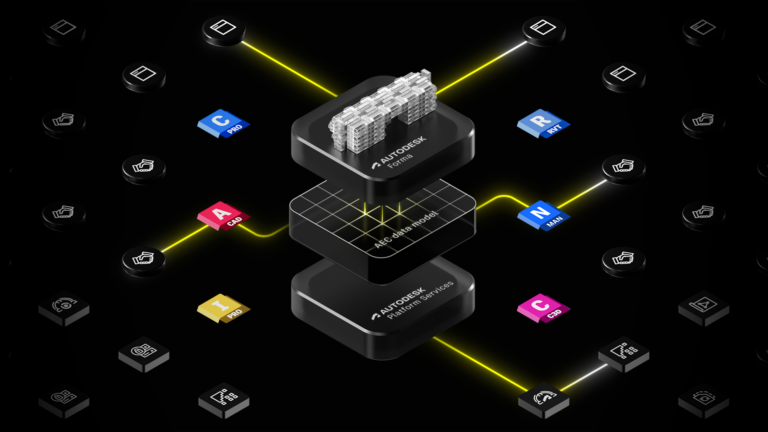
Solutions like Autodesk Forma (formerly Autodesk Construction Cloud) can bring all project data—design files, models, and communications—into one connected environment, with field-to-office visibility.
It allows teams to coordinate across disciplines, manage documents, and track progress in real time. Owners can monitor milestones, while designers and builders can work on design updates without version confusion.
All of that can pave the way for close collaboration and ultimately, successful project execution. Since PDB requires teams to stay on the same page throughout the project, a platform like Forma helps maintain that alignment at every stage.
PDB is evolving fast, and several trends are pointing toward how it will shape the next wave of construction and infrastructure projects.
The use of PDB is on the rise, and this trend isn’t showing signs of slowing down.
Data from the American Council of Engineering Companies (ACEC) shows that 76% of engineering firm leaders have been part of PDB projects, and the majority have achieved great results. ACEC's survey indicates that 88% of respondents reported increased project volumes and 81% noted rising construction values.
As more owners in transportation, water and wastewater, aviation, and public-building markets adopt PDB, the method is becoming a mainstream delivery option rather than an outlier.
With sustainable construction a higher priority and modular builds gaining traction, PDB offers the structure to bring these elements together. With design and build teams involved early, owners can embed modular systems, prefabrication, and sustainable construction materials right from the concept phase. That early alignment means fewer retrofit surprises and more opportunity to meet sustainability targets while controlling cost and schedule.
Modular construction fits the PDB model well because design evolution and build readiness happen in parallel, enabling the team to optimize factory work and site assembly together rather than sequentially.
Procurement and regulation are catching up to the PDB trend. Some jurisdictions are adapting their rules to explicitly allow early-engagement contracting and performance-based delivery models. For example, New York passed legislation enabling greater use of PDB and other alternative delivery methods to speed up capital projects.
AIA introduced progressive design-build forms (e.g., A141® PDB-2024), and ConsensusDocs announced a dedicated progressive design-build agreement (ConsensusDocs 411) with phased terminology, multiple GMPs, and clear off-ramps.
As regulations evolve, owners and contractors gain more flexibility, and the barrier to entry for PDB lowers. This means we can expect broader adoption across public-sector work, mixed-use developments, and private projects.
Progressive design-build is changing the way projects come to life. When teams collaborate early and stay aligned, projects run smoothly, costs stay predictable, and innovation thrives. As more owners and builders adopt this approach, PDB is proving to be not just another delivery method, but a smarter way to build.