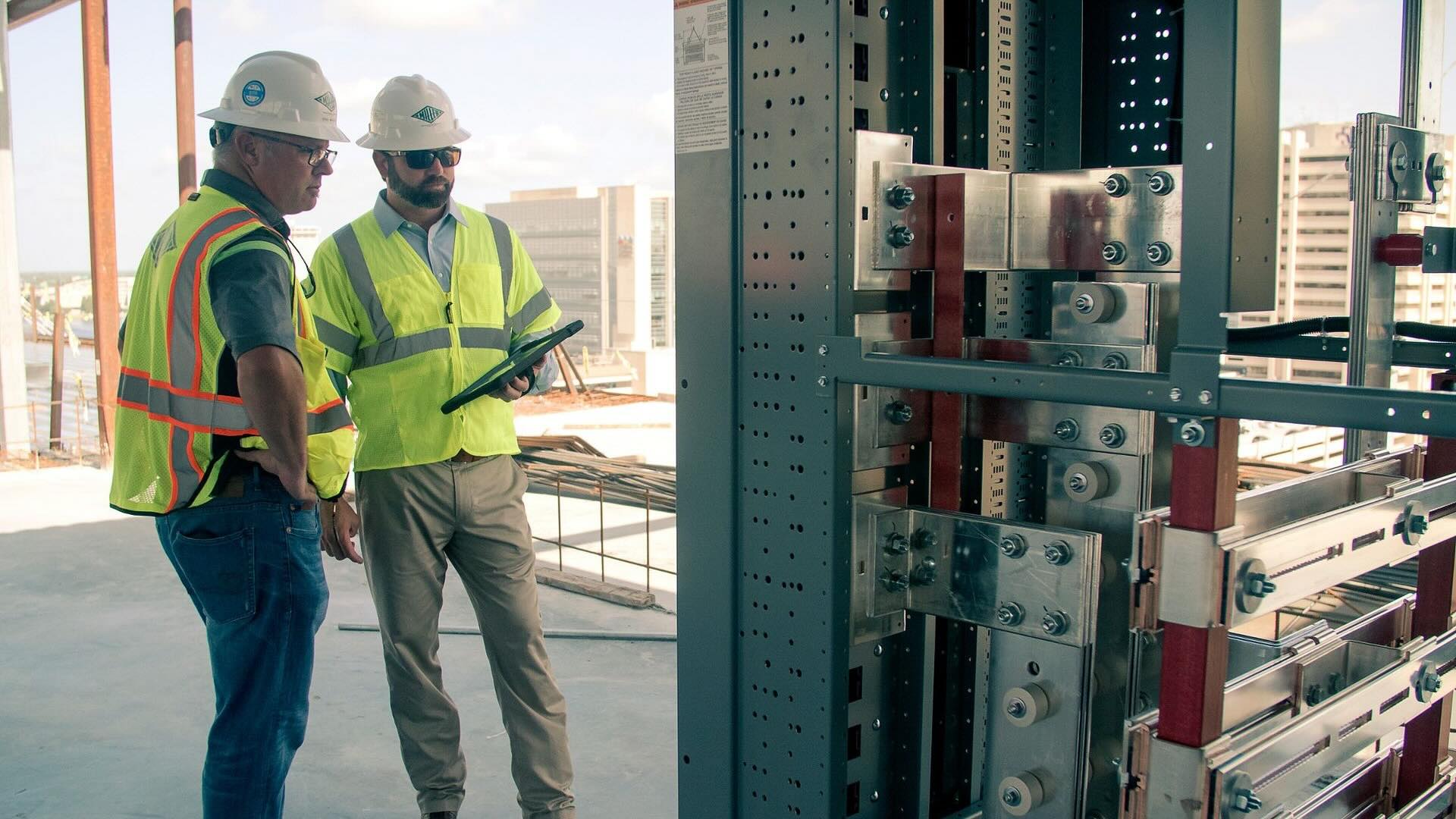
Electrical estimators are the go-to folks for accurately forecasting costs in construction projects with complex electrical systems. Projects like commercial buildings, healthcare facilities, industrial plants, and multifamily developments need skilled estimators to ensure designs are priced correctly and budgets stay on track.
As construction becomes more complex, skilled estimators remain in high demand; Zippia estimates that there are over 80,000 electrical estimators in the U.S.
In this article, we'll walk through what the job of an electrical estimator entails, the skills you'll need, and how to kick-start a successful career in estimating. Let's get started.
TABLE OF CONTENTS:
An electrical estimator calculates and forecasts the costs associated with a project's electrical system. They estimate a range of costs, including materials (wire, conduit, fixtures, panels, etc.), labor (crew hours and wages), equipment, subcontracts, and permitting, all while factoring in waste and overhead.
Electrical estimators do everything from analyzing plans and project documents to forecasting timelines and contingencies. Their main goal is to turn technical drawings into a comprehensive financial proposal. That way, teams can bid with confidence and execute the project within budget.
They dig into project documents to create estimates that reflect real labor, materials, and equipment needs. This often means comparing supplier pricing, reviewing historical data, and understanding how design decisions affect costs. Their work helps the team avoid underbidding and protects the project from surprises later on.
Estimators spend a lot of time studying plans and specs upfront. They look for scope gaps, unclear notes, and anything that might affect pricing or scheduling.
A good estimator doesn't work in a bubble. They coordinate with various stakeholders to keep estimates aligned with field reality.
From code requirements to material shortages, electrical work comes with plenty of variables. With that, estimators flag risks early and adjust pricing when needed.
Electrical estimating can be highly technical, so having the right mix of education, formal training, and hands-on experience gives you an advantage. Here's what most employers look for:
A degree isn't required everywhere, but it helps. Programs in engineering or construction give you a background in electrical theory, building systems, and project workflows. You learn how plans come together, how crews operate on-site, and what it takes to keep a project on budget.
Many estimators say this baseline knowledge makes it easier to understand drawings, communicate with engineers, and create stronger, more accurate estimates.
Earning a certification can set you apart, especially if you're newer to estimating. A CPE shows employers that you understand construction estimating principles and industry standards. The process teaches you how to build consistent workflows, which then enables you to review drawings with more confidence and follow best practices. Some companies even prefer or require certification for senior estimating roles.
Many estimators start as electricians, apprentices, or helpers before moving into the office. If you come from this background, you can better understand what crews actually need to get the job done. It also makes your estimates more realistic because you've seen the work happen in real time.
What makes a good estimator? It's a combination of technical know-how, people skills, and sharp thinking. Consider the following:
Estimators work with numbers all day, so solid math skills make the job much smoother. You'll calculate load requirements, material quantities, labor hours, and costs while comparing multiple options to find the most realistic path forward. You don't need to be a mathematician, but you should feel comfortable working through calculations.
A small oversight in the plans can lead to a big miss in the estimate. The best estimators slow down enough to spot scope gaps and inconsistencies in drawings. They double-check assumptions and make sure everything is accounted for.
Modern estimating is done with digital tools, so being comfortable with software is a must. Solutions like Forma Estimate (formerly Autodesk Estimate) and Forma Takeoff (formerly Autodesk Takeoff), for instance, help you speed up takeoffs and keep estimates organized, so knowing your way around these tools will make your life easier.
Estimators interact with project managers, engineers, suppliers, and clients. You'll ask questions, explain your reasoning, and walk people through your numbers. Strong communication helps prevent misunderstandings and keeps everyone aligned on what the estimate includes and what it doesn't. It also builds trust with the people counting on your work.
You need to understand how electrical systems are designed and installed, how crews work on-site, and what drives cost. When you can link the design to labor needs, installation methods, code requirements, and material choices, your estimates become far more accurate and reliable.
A solid foundation in electrical concepts helps you understand how systems actually work and why certain design choices impact cost, labor, and installation.
The National Electrical Code (NEC), aka NFPA 70, provides the standards for safely installing electrical and wiring equipment.
Estimators need to understand the NEC because it shapes everything from conductor sizing to installation methods. Knowing the code helps you spot compliance issues early and price work correctly.
It also provides a clear framework for evaluating design decisions and ensuring the estimate reflects safe, code-compliant installations. Staying familiar with state and local standards strengthens your ability to build accurate, dependable estimates.
You'll spend a lot of time reviewing floor plans, riser diagrams, and specifications. Being well-versed on how to read these documents lets you determine exactly what needs to be priced.
Strong plan-reading skills also help you ask better questions and anticipate what the field crew will need before work begins.
Accurate pricing depends on knowing what materials and equipment are available, how they perform, and what they cost. Estimators who maintain strong relationships with suppliers can obtain current pricing, lead-time updates, and insights into product alternatives. This knowledge helps you build realistic estimates and choose the best value without compromising performance or code requirements.
Estimators don't just price electrical work; they also understand how projects come together on-site. Here are some of the areas and components to keep in mind as you build your expertise:
Understanding how a project is sequenced helps you build estimates that match real jobsite conditions. You should know things like:
Understanding the above helps you price labor more accurately and plan accordingly. When you know the bigger picture, your estimates become more reliable and easier for the team to execute.
Every project uses a different mix of materials and building approaches, and these choices can change the cost and timeline dramatically. Estimators who understand wood framing, steel construction, concrete systems, and modular methods can better predict labor needs and installation challenges.
Knowing material options also makes it easier to compare pricing, evaluate alternatives, and identify where value engineering might make sense. This insight allows you to deliver estimates that fit both budget goals and project requirements.
Clear coordination is a big part of successful estimating. You'll often ask architects about design clarifications, confirm technical details with engineers, or discuss schedule impacts with general contractors. These conversations help fill in gaps that aren't obvious in the plans. They also ensure your estimate reflects what the team actually intends to build. When you collaborate early, you reduce the risk of surprises later in the bid or during construction.
The construction industry evolves quickly, and staying current helps you produce smarter, more competitive estimates. Whether it's new electrical technologies, updated codes, shifts in material pricing, or advances in digital tools, these changes affect how you price and plan work.
Following trends also helps you spot opportunities for efficiency, sustainability, or prefabrication. When you keep learning and adapting, you bring more value to your team and stay ahead in your career.
Estimating is becoming increasingly digital—and no, we're not just referring to Excel sheets. While spreadsheets are still commonly used, today's estimators are getting more tech-savvy. These are some of the tools you should familiarize yourself with.
Forma Estimate and ProEst offer two excellent options for building accurate, connected estimates without relying on spreadsheets or manual takeoffs.
Forma Estimate is the next evolution of estimating inside Autodesk Forma. Forma Estimate connects your 2D and 3D takeoff quantities directly to the estimate, streamlining the preconstruction workflow. The goal is to help teams estimate faster, collaborate more effectively, and reduce manual data handoffs.
ProEst gives you an all-in-one cloud estimating platform that brings cost databases, digital takeoffs, bid-day analysis, reporting, and even CRM tools into one place. It helps you cut down on repetitive work and keep all estimate data in a centralized, searchable hub. With ProEst, teams can collaborate in real time and access estimates from anywhere, which helps improve accuracy across preconstruction.
Project management tools play a significant role in how estimators stay connected to the rest of the team.
Platforms like Forma Build bring documents, workflows, and communication into one place, so you don't have to jump between emails, spreadsheets, and shared drives. You can track updates in real time, review drawings as they change, and make sure your estimates stay aligned with the latest project information. These tools also make handoffs smoother by giving project managers, supers, and field teams clear visibility into what was priced and why. When everyone works from the same source of truth, it's easier to reduce rework, avoid surprises, and keep the project moving forward.
Electrical estimators can grow in their careers when they build strong technical skills and stay connected to what's happening in the field. Here are some of the ways your career can progress.
Entry-level estimating roles can open the door to higher-level estimator positions like senior or lead estimator roles. Some grow into a director or department head position, where they look after the entire preconstruction department.
As you gain more experience, you'll take on larger projects, lead bid strategies, and mentor junior estimators.
Many estimators choose to specialize as they advance. You might focus on industrial projects, large commercial builds, data centers, healthcare facilities, or public infrastructure. Specializing helps you develop deeper knowledge of specific systems, materials, and cost drivers, which can make you the go-to expert inside your company. You can also explore value engineering, where you help clients find cost-effective design alternatives without sacrificing performance. These specializations often lead to higher-level roles, more complex projects, and stronger earning potential.
Some professionals move into construction project management, where their estimating background helps them control budgets and guide teams through each phase of construction. Others step into operations or business development, using their cost knowledge to shape proposals and win more work. If you enjoy leadership and strategy, there's plenty of room to move up.
The job market for electrical estimators is strong, thanks to steady demand across construction, engineering, and manufacturing. As projects grow more complex and schedules get tighter, companies need people who can build accurate estimates and keep budgets on track. You'll find openings in electrical contracting firms, general contractors, design-build companies, and specialty engineering teams.
As for compensation, electrical estimators can expect to earn up to $148,000 a year, according to data from ZipRecruiter. The recruitment site also states that electrical estimators earn an average of $95,315 a year or $46 per hour.
Staying on top of learning and development enables you to keep your skills sharp. These are the steps you can take to ensure you continue growing throughout your estimating career.
Programs from trade schools, community colleges, or industry groups walk you through takeoffs, construction cost databases, and software tools in a practical way. Consider looking into electrical estimating certifications from trade schools. There's also specialized industry training, such as NECA's estimating courses.
Developing your skills and knowledge in software estimating can also be beneficial. At Autodesk, we offer a construction estimating course that covers 2D and 3D takeoff workflows. It's a solid way to stay current with how modern estimating teams work.
Certifications can give you an edge, especially if you want to stand out in a competitive job market. Organizations like the American Society of Professional Estimators (ASPE) offer programs that deepen your knowledge of cost analysis, quantity takeoffs, and best practices. Earning credentials shows employers you're committed to your craft and ready to take on larger, more complex projects. It's also a great way to strengthen your estimating fundamentals if you're new to the field.
Connecting with other estimators helps you stay in the loop about new tools, material trends, and pricing shifts. You can join local industry groups, attend trade events, or participate in online communities where professionals share insights and advice. These relationships can lead to mentorship opportunities, job leads, or practical tips you won't always find in a training course.
The future looks strong for electrical estimators as construction grows in areas like infrastructure, green energy, and AI-powered data centers. These projects come with tight timelines and complex electrical needs, making skilled estimators even more essential for keeping costs under control.
Adapting to new project requirements will be part of the job, and the people who thrive will be those who communicate clearly, pay attention to the details, and stay fluent in modern construction tech.
All this to say that electrical estimating is a career with real impact, shaping how projects get built from day one. And if you stay curious, keep learning, and lean into technology, you’ll be well-positioned to grow your career in this high-demand field.