Situated east of Manchester, the A57 Link Road project stands as a crucial route connecting local communities and acting as a lifeline for the North of England. For decades, this route has been defined by heavy congestion, prompting the development of a bypass project designed to alleviate traffic and improve journey reliability.
The project is highly complex, with a 130m underpass being built on a challenging geotechnical fault line, where engineers must contend with artesian water pressure and ambitious carbon reduction targets, demanding innovative solutions. These physical challenges are mirrored by a significant digital obstacle: maintaining the integrity of the data that underpins every aspect of the construction process.
Commissioned by National Highways on behalf of Balfour Beatty, this project is serving as a catalyst for moving away from traditional design and engineering methods toward a high-fidelity digital model where data serves as the foundation for every decision.
Historically, engineering teams have relied on drawings and specifications that were easy to interpret but difficult to coordinate at scale. As the industry shifts toward digital twins, the reliance on data tagged within 3D models has increased exponentially. On the A57, Balfour Beatty needed to verify thousands of rows of asset data exported into spreadsheets, which presented an opportunity to optimise the process to reduce the risks of errors creeping in. Without a digital-first approach, inaccuracies can lead to significant downstream delays and procurement issues.
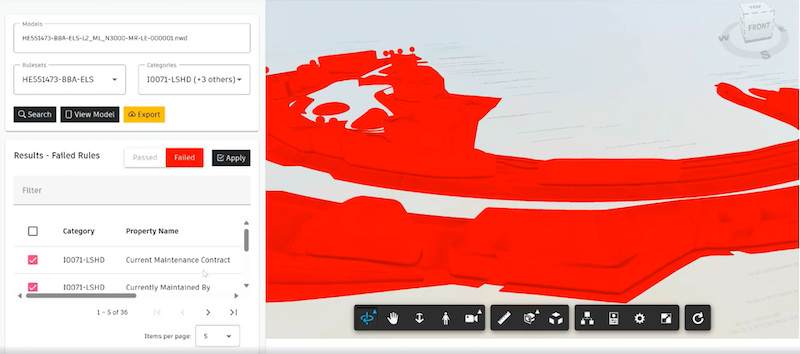
To resolve the complexities of manual spreadsheet reviews, Balfour Beatty is collaborating with Autodesk through a custom data validation tool and integration with Autodesk Forma, formerly Autodesk Construction Cloud. This automated system allows the team to set specific rules for every asset, ensuring that properties like length, coordinates and naming conventions are present and correctly formatted. By exporting data directly from the 3D model into the validation tool, the team is identifying missing or inaccurate information in seconds rather than days.
“We’re able to automate a process that used to take much longer,” says Chris Kennedy, Head of Engineering in Highways at Balfour Beatty. “The data validation tool enables us to maintain high standards of accuracy while ensuring the information remains fully coordinated with our procurement and costing.”
The digital strategy on the A57 extends far beyond the office. Balfour Beatty is integrating Master Data Management requirements directly into quality management checklists within Forma Build, part of Autodesk Forma. As engineers complete tasks on-site, such as installing a piling rig or a fencing section, they’re adding as-built data directly into the platform. This information is linked to specific asset codes in the model, creating a live record of progress.
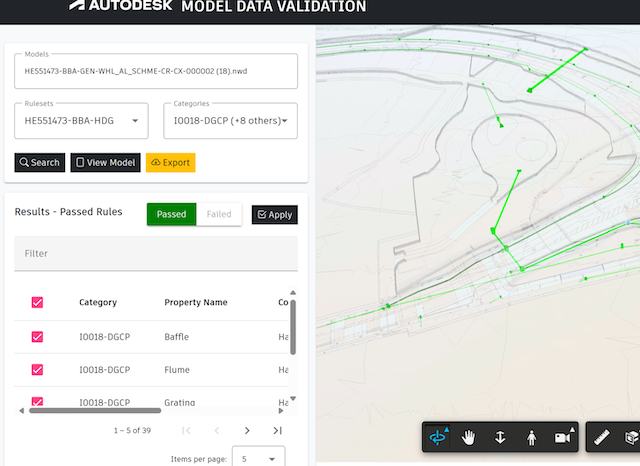
“The activity is completed and the Master Data Management as-built data is collected within the checklist,” says Sara Abed, Digital Lead at Balfour Beatty. “This allows us to maintain a live, completed model throughout the delivery phase rather than spending months at the end of the project gathering fragmented information.”
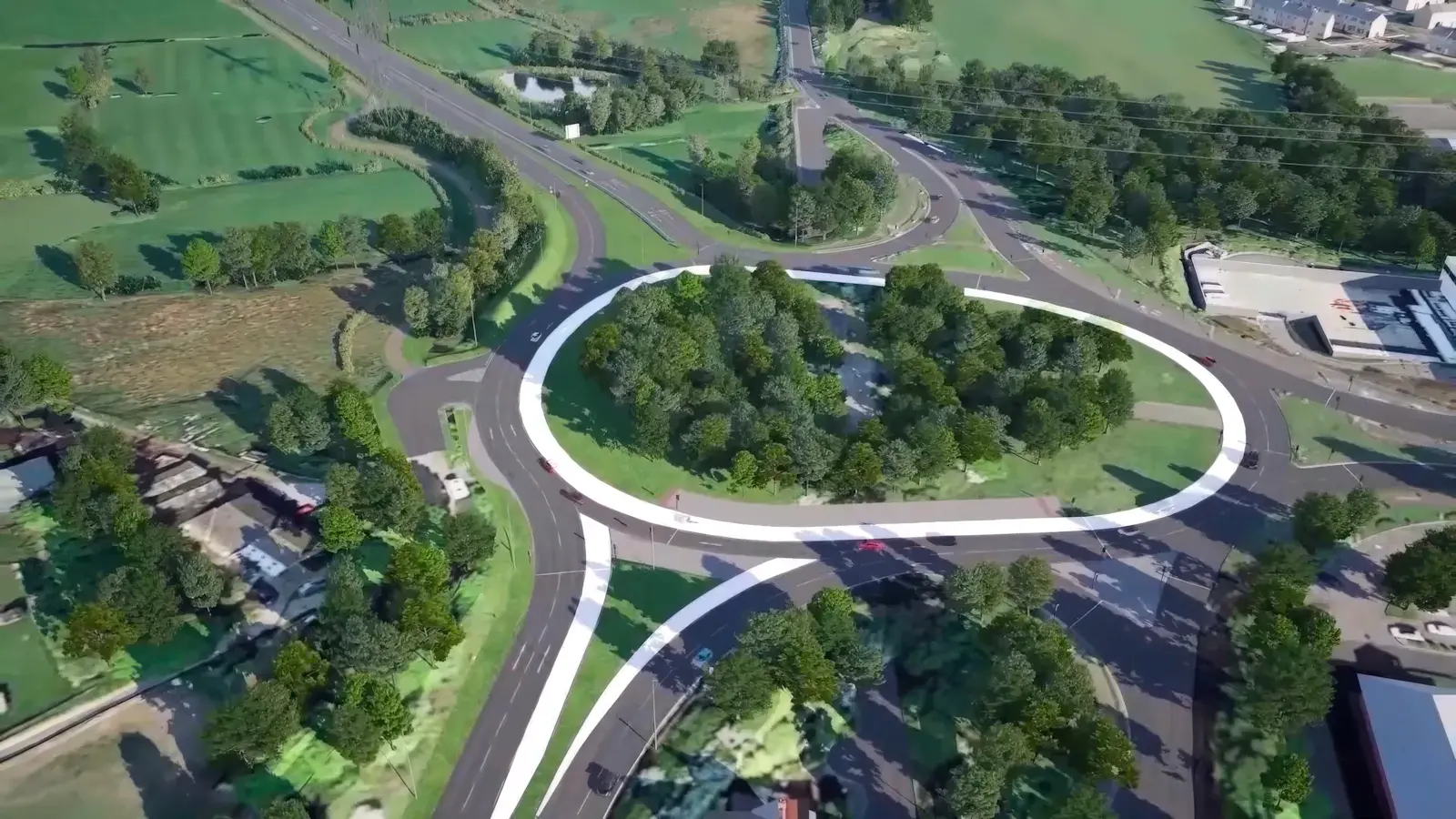
By centralising all information within a common data environment, Balfour Beatty is transforming how stakeholders interact with the project. Now, 3D models serve as the primary reference points, enabling designers, contractors and National Highways to visualise clashes that would be invisible on 2D drawings. This transparency is building confidence among stakeholders and the public alike. The team is using Autodesk InfraWorks and Twinmotion to create immersive visualisations for public engagement events, helping residents see exactly how the new infrastructure will look and function within their local environment.
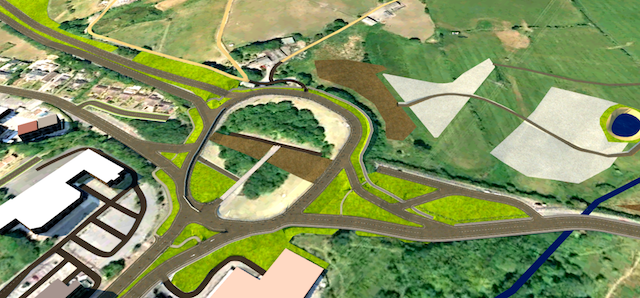
The shift to a standardised, digital-first approach is delivering measurable gains in both speed and accuracy. Balfour Beatty is seeing a significant reduction in requests for information caused by inaccurate data, while the time required for design assurance has been cut from weeks to a few clicks.
“The goal is to establish a system where our teams follow a structured process that naturally captures the necessary data,” concludes Chris. “Autodesk Forma gives us the ability to check data quality while ensuring we have exactly what we need for a smooth handover to the client’s asset management systems.”