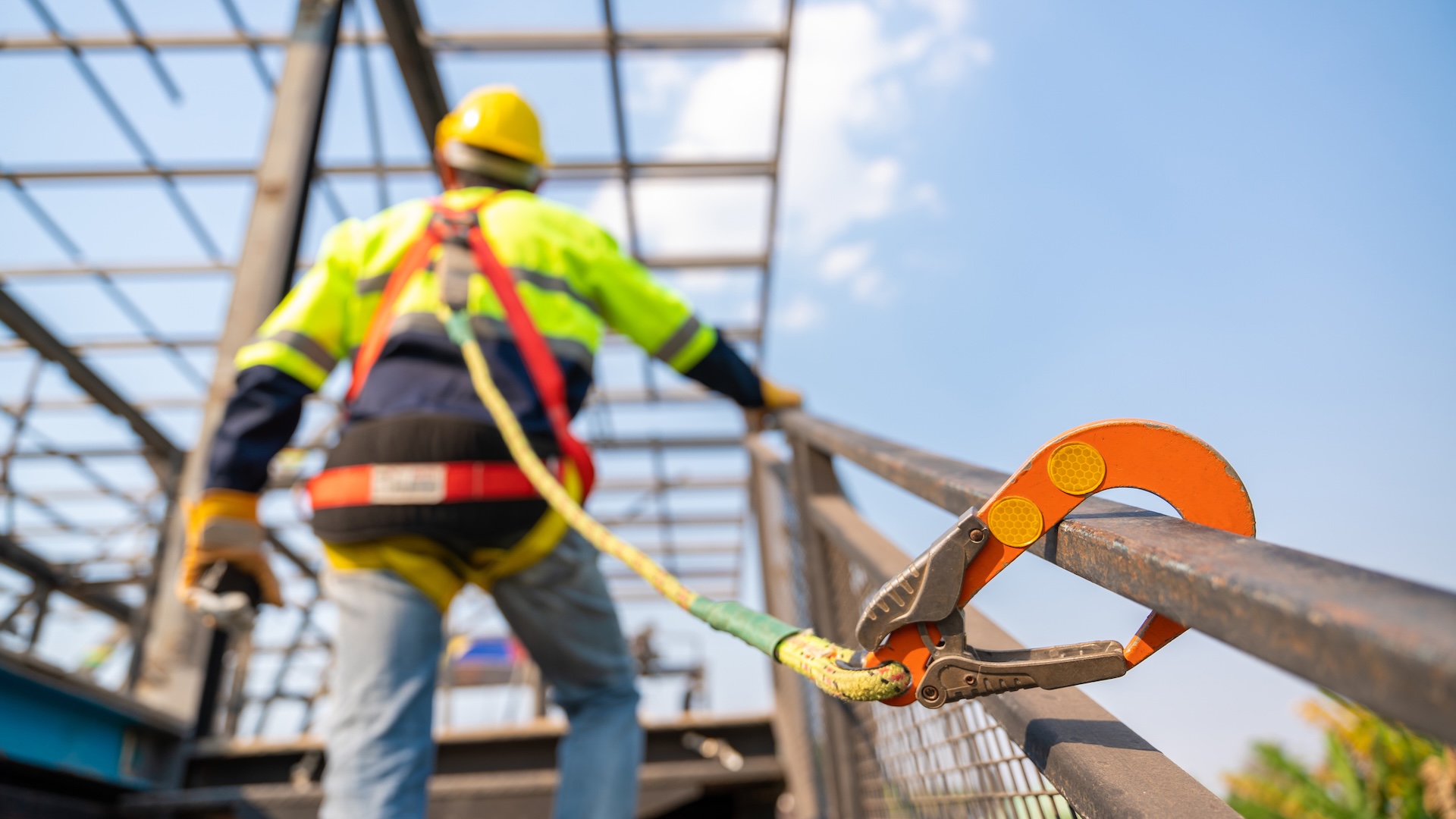
Construction is an incredibly vibrant and innovative industry, but one thing we must grapple with is the fact that jobsites can be highly hazardous. According to the Bureau of Labor Statistics, construction and extraction occupations accounted for 1,055 fatal work injuries in 2023—making up 20% of all workplace deaths. Falls, slips, and trips were the leading causes of these fatalities.
With numbers like these, having a construction safety site plan isn't optional—it's an essential component of a comprehensive construction safety program. In this article, we'll walk you through how to create one that protects your crew and keeps projects on track.
Table of contents:
A construction site safety is a thorough document that details safety processes on a specific project or site. Whether it's specific details on the site itself, equipment and gear requirements, or audit, inspection, and construction reporting details, construction safety plan highlights all needed actions to identify and report any on-going safety concerns as well as proactively prevent any future safety hazards. This document may be created by construction safety managers or other site or project personnel overseeing critical safety programs.
A construction safety site plan is a foundational element that will keep your crews working efficiently and away from harm. Here's why a construction safety site plan is so important.
From working at heights to handling heavy equipment, construction crews face serious risks every day. A clear safety plan includes hazard assessment so you can implement the proper precautions and foster a safety-first mindset on-site.
Federal and local authorities enforce safety regulations that companies must follow. OSHA mandates that employers maintain a safe workplace, and a comprehensive construction site safety plan is a key part of fulfilling that duty. Failing to comply could lead to citations, fines, or worse—serious injuries.
When everyone knows the rules, work runs smoother. Safety plans establish protocols for emergencies, outline safe workflows, and reduces the chance of incidents that cause work stoppages or rework.
Not only do accidents hurt workers, they can also damage your company's reputation, lead to lawsuits, and inflate insurance premiums. A proactive safety plan shows clients and partners that you take your responsibilities seriously.
What exactly should you include in your construction safety site plan? Here are the must-have components to include.
A clear, detailed site layout helps project managers, superintendents, and subcontractors understand how the site is organized and where risks may exist. Think of this as your map to a safer, more efficient jobsite.
As such, it's helpful to:
The first step to preventing incidents is knowing where and how they might occur. Your construction safety plan should proactively identify potential hazards and assign risk levels to each.
Be sure to:
A safety plan is only as good as your team's understanding of it. Make sure every worker knows the protocols and where to go for answers. Here's how to do that:
No one wants an emergency on their hands, but these things happen, and teams must be prepared. With that in mind, you must have an emergency response plan that spells out exactly what to do and who's responsible for certain situations.
From hard hats to harnesses, PPE is a frontline defense against injuries. Your plan should clearly outline what gear is required, when, and how to use it correctly. Consider the following:
Consistent safety reviews help you spot minor issues before they become serious. Your plan should include a schedule and process for conducting construction site inspections and audits.
Here's what that could look like:
We've talked about the fundamentals of construction safety site plans; now let's look at the steps involved in creating them.
The first step in developing a construction safety site plan is to thoroughly review and understand your contract to identify any specific safety requirements or regulations stipulated by the client or governing bodies. Pay close attention to clauses related to safety standards, compliance, and insurance.
This foundational step ensures that your safety plan aligns with contractual obligations and sets the stage for all subsequent safety measures. Contract comprehension also helps you anticipate potential legal and financial implications. If something is ambiguous, collaborate with legal advisors to clarify and to ensure that all safety protocols are contractually sound.
Every jobsite is unique, and your safety plan should reflect that. Start with a thorough walkthrough to understand the layout, existing conditions, and project scope. Pay attention to terrain, nearby utilities, public areas, environmental concerns, and logistical limitations.
You should also take note of high-traffic areas and equipment zones to minimize the risk of collisions and congestion.
Also, don't forget to identify any confined spaces or elevation changes so that appropriate safety measures—like fall protection or ventilation—can be put in place.
Finally, document site-specific risks that could impact safety planning. That way, you can tailor your procedures to the site's unique challenges and prevent accidents before they happen.
Next, pinpoint all possible construction safety risks associated with the site and the work being done. Use input from field teams, past incident reports, and OSHA checklists to ensure nothing slips through the cracks.
Consider physical, chemical, and environmental hazards like:
In addition, look at routine tasks and one-off activities then create mitigation plans for each to ensure your crew is protected at every project stage.
Once hazards are identified, create clear procedures to mitigate them. Think of this as your playbook for keeping the team safe while staying productive. Outline safe work practices for each job activity. At this step, you should involve supervisors and experienced crew members to ensure procedures are practical, effective, and aligned with real-world workflows.
It's crucial to articulate the hierarchy of controls within your procedures. This hierarchy spans five levels: Elimination, Substitution, Engineering Controls, Administrative Controls, and Personal Protective Equipment (PPE). By integrating PPE requirements and equipment guidelines, alongside establishing robust emergency protocols and communication channels, you'll build a comprehensive framework that efficiently safeguards your team.
Read more: Start With A Good Catch: Scaling Up Safety
Safety is a team effort, and everyone needs to know their role in your safety site plan. So, designate key personnel to oversee inspections, enforce rules, and lead safety training.
You may want to assign a site safety officer who can monitor daily operations, ensure protocol compliance, and serve as the point person for any safety-related concerns.
For best results, clarify reporting lines and escalation processes so that issues are addressed quickly, and accountability is never in question.
Even the best safety plan falls flat without proper training. Make sure your entire team understands the policies, knows what's expected, and feels comfortable speaking up. Here's a quick checklist to ensure everyone is in the loop with construction site safety training:
Safety isn't a one-and-done activity. When you put your plan into action, keep a close eye on how it performs, then adjust accordingly. Some of the steps you can take at this stage include tracking incidents and near-misses as well as surveying or talking to the team to get their feedback.
Continuous improvement is essential to keeping and evolving a robust safety culture that can scale. Strive to foster an environment where safety is ingrained in everyday practices and remains at the forefront of all project activities. Doing this will not only enhance the well-being of your workforce, but it will also drive productivity and operational excellence in the long term.
Keeping your jobsite (and crews) safe requires consistent effort and a willingness to adapt. Here are some proven ways to keep safety at the forefront every day.
As projects evolve and new team members come on board, ongoing training can reinforce safe work habits and introduce updated procedures. Hosting regular training, refresher courses, and on-the-job coaching ensures your crew stays informed and aligned.
These initiatives also create space for real-time feedback and discussion points so safety concerns don't go unaddressed.
Monitoring incidents, near-misses, and safety observations allows you to spot trends early and make informed adjustments. Regular audits and inspections are key to catching potential issues before they escalate. Always communicate repeat observations and all incidents so crews know what to look out for and how to address them as they come about.
And when improvements are needed, act quickly. Tweak processes, update procedures, and keep your plan dynamic. Safety isn't static; it's something you fine-tune project after project.
Clear, two-way communication is one of the most powerful safety tools on any jobsite. Your crew needs to know what's expected of them—and feel safe speaking up when something's not right.
So, use pre-shift meetings to reinforce priorities, signage to highlight risks, and mobile tools to share updates on the go. Make sure to involve them in the planning process so they can feel included in the process and are held accountable as the project and tasks progress.
Just as importantly, create a culture where workers feel heard. When feedback flows freely, safety becomes second nature rather than an afterthought.
From wearable sensors that detect fatigue to mobile apps that streamline reporting, tech and construction safety management software makes it easier to monitor site conditions and respond faster to risks. Drones and 3D site scans can help assess hazards in hard-to-reach areas, while digital checklists and dashboards keep compliance on track. Even simple tools like instant messaging platforms or cloud-based document sharing can enhance coordination across teams. All this to say that embracing technology doesn't just improve safety—it helps you scale it.
Even with the best intentions, maintaining a safe construction site comes with challenges. From tight budgets to team buy-in, overcoming these obstacles is key to building a truly effective safety culture.
Some team members may see safety protocols as unnecessary red tape, especially when under pressure to hit deadlines. The key is showing how safety supports—not slows—productivity. Involve workers early, explain the "why" behind each policy, and celebrate safety wins to build buy-in over time.
For example, demonstrating how a proper fall protection system not only prevents injuries but also reduces downtime from incident investigations can help teams see the direct link between safety measures and staying on schedule.
Rushed or inconsistent training puts everyone at risk. Every worker, regardless of experience level, needs a clear understanding of safety procedures from day one. Investing in structured onboarding and ongoing education ensures your team knows what to do before stepping onto the site.
Miscommunication can lead to costly mistakes or serious injuries. Clear, verbal and written messaging is essential for safety. Always lead by example and encourage open dialogue, use plain language, and make information accessible through signage, digital tools, and daily check-ins.
When budgets tighten, ensure safety is NOT on the chopping block. Unsafe sites lead to costly delays, insurance hikes, and legal issues. Position safety as a value driver, not just a cost center, and look for smart, scalable ways to protect your team without breaking the bank.
A safe construction site doesn't happen by accident. Rather, it's the result of thoughtful construction planning, clear communication, and daily commitment. That's why it's so important to develop a strong construction safety site plan and continuously improve it.
And always remember that when it comes to safety, you're not just checking a box—you're protecting your crew, strengthening your reputation, and setting your projects up for long-term success.
Looking to level up construction safety on the jobsite? Autodesk's Safety Management Toolkit offers construction safety plan templates and guides you can use to safeguard your teams and workplaces.