Effective construction management is no longer just about clipboards and spreadsheets. The best jobsites today run on data, automation, and real-time collaboration.
Needless to say, all of that requires modern technology. In order to deliver their best work, teams must be equipped with tools that empower them to work smarter, move faster, and make data-driven decisions.
What exactly are these tools? In this article, we dive into some of the most impactful technologies that construction managers should consider.
Modern construction technologies are table stakes for firms that want to grow and stay competitive. Manual and analog processes introduce a host of challenges, including:
Construction management technology not only helps you sidestep these issues, but it also opens the door to smarter workflows and better resource management.
Consider the following.
Cloud-based dashboards and mobile apps give project managers instant access to jobsite data—from budgets to schedules to labor hours—enabling quicker decisions and fewer surprises.
Digital scheduling tools eliminate manual entry so teams can ensure everyone is working from the same up-to-date plan. Additionally, there are now AI-powered tools that can analyze past performance and real-time inputs to generate more accurate timelines. This helps teams allocate resources efficiently and avoid delays.
Digital platforms centralize updates, RFIs, and documentation, reducing back-and-forth and ensuring everyone—from the office to the field—is on the same page.
Modern hardware technology for construction management like cameras, wearables, and sensors can monitor site conditions in real-time and alert teams to potential risks. Plus, technology helps track safety compliance, log incidents, and flag hazards early, making it easier to prevent accidents.
Integrated software enables you to manage budgets, forecast expenses, and track changes in real-time. That way, you're better equipped to prevent cost overruns and keep project financials on track.
Modern platforms bring together architects, engineers, subcontractors, and clients in one digital space, streamlining workflows and improving coordination across every phase of the project.
What construction management technologies should you invest in? While jobsite setup and needs vary, these are some of the most impactful tools you can bring to the field.
At its most fundamental level, building information modeling is a digital model of the project you want to build. But when used to its full potential, BIM is so much more than that.
Beyond being just a 3D model, BIM is a collaborative process that brings your entire project team onto the same page.
It enables detailed visualization, clash detection, and real-time updates, which helps reduce design errors and rework.

In preconstruction, BIM streamlines planning and helps you make faster, more informed decisions. Teams can virtually explore the project, identify potential conflicts, and coordinate across disciplines long before setting foot on-site.
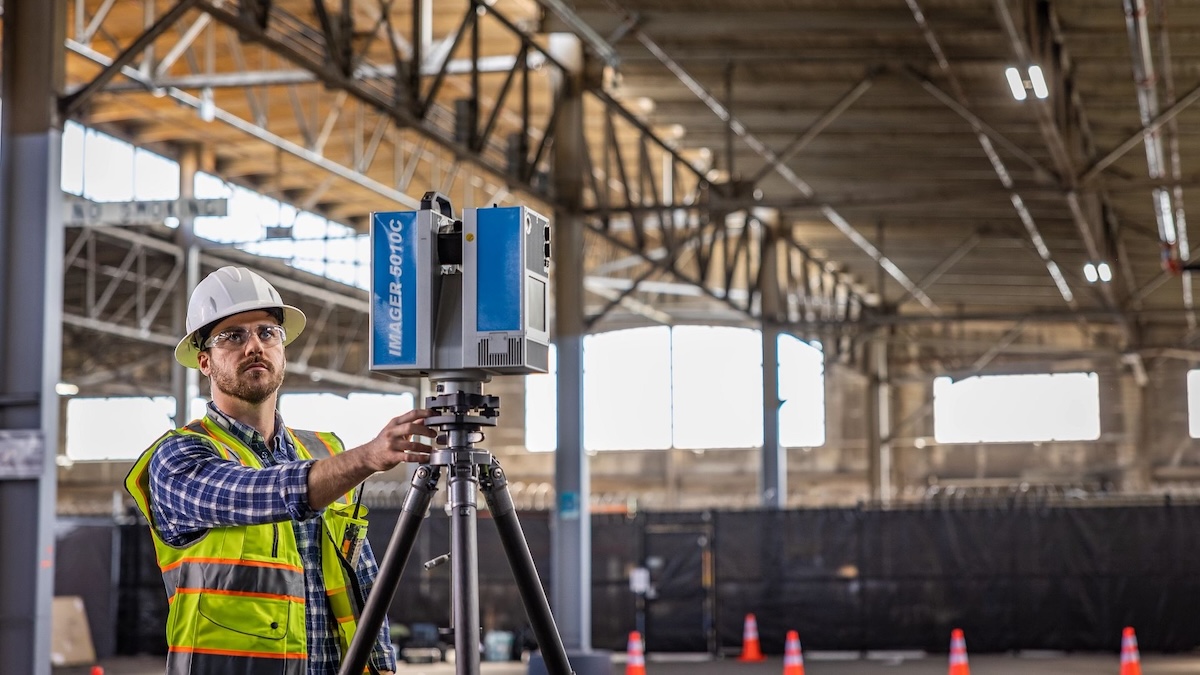
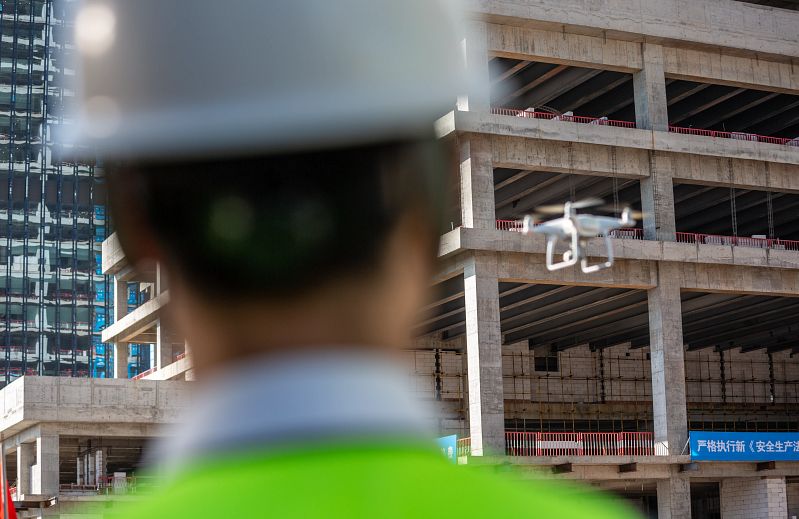
What used to require hours of manual labor can now be done faster—and often safer—with the help of drones and robotics. These technologies are transforming how work gets done on the jobsite.
Drones are beneficial for tasks that used to be time-consuming or hazardous. They make site surveying faster and more precise, capturing detailed topographical data in a fraction of the time. Project managers also rely on drones for real-time progress monitoring and to conduct inspections in hard-to-reach or potentially dangerous areas, without putting workers at risk.
Meanwhile, robots help automate repetitive or high-risk tasks such as bricklaying, concrete pouring, and demolition. With robotics, such tasks can be done faster and with more consistency. Robots can also help make these jobs safer by keeping the crew out of harm's way in unstable environments.
Thanks to mobile apps and cloud platforms, teams can access and update project data from anywhere—whether they're in the trailer, on the jobsite, or on the go. Crews can review construction drawings, submit RFIs, or flag issues instantly, keeping workflows moving without the usual bottlenecks.
Why is this a game-changer? Simple: access to up-to-date information in the field means faster decision-making, fewer errors, and less rework.
Just as importantly, cloud-based document control ensures that everyone is working from the latest version, so there's less chance of confusion and miscommunication.

AI and ML bring data-driven intelligence to the jobsite so teams can work more proactively and efficiently.
AI and ML can analyze vast amounts of data to help teams work smarter. They're being used for predictive maintenance on equipment, risk assessment to flag potential issues early, and schedule optimization that adjusts plans based on real-time variables. The result? More accurate forecasting, better planning, and fewer delays.
Additionally, AI helps identify safety risks before they become incidents and ensures resources like labor and equipment are deployed where they'll have the most impact.
Read more: Top 2025 AI Construction Trends: According to the Experts
When it comes to construction management, having different technology devices on the jobsite "talk" to each other can do wonders for resource management, safety, and more.
With IoT and smart sensors, construction teams gain real-time insights into everything from equipment usage to environmental conditions.
Sensors monitor equipment performance to predict maintenance needs, track the location of tools and materials, and detect unsafe conditions—such as temperature spikes or poor air quality—so teams can respond quickly.
Beyond the jobsite, IoT also plays a role in improving building performance. Smart systems can track and optimize energy consumption, enabling contractors to deliver more sustainable and cost-efficient projects.
The best part? All this data is collected in real time, giving you a clearer picture of what's happening on-site at any given time.
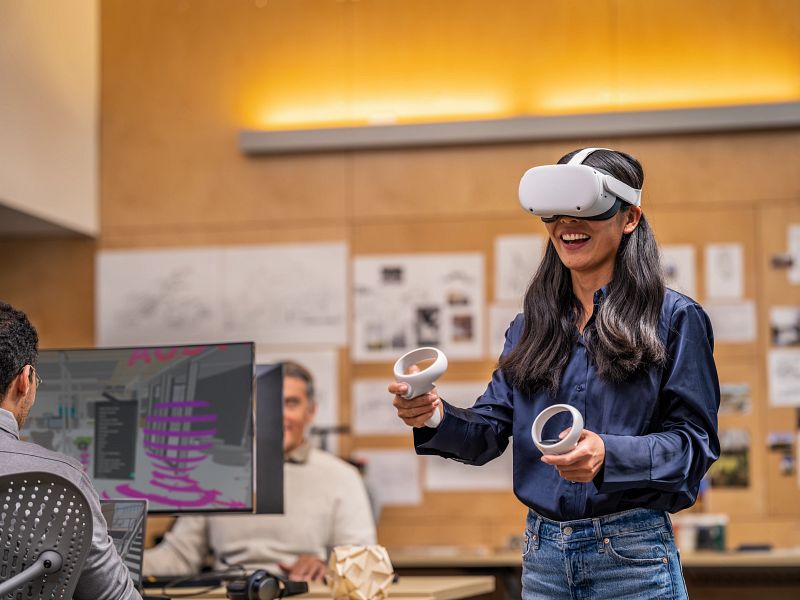
Virtual and augmented reality used to be considered futuristic. But today, they're practical tools that are making construction safer, faster, and more efficient.
VR is being used for immersive safety training, giving workers the opportunity to experience real jobsite scenarios in a risk-free environment. It's also a powerful tool for design visualization, and they help stakeholders walk through a project before it's built.
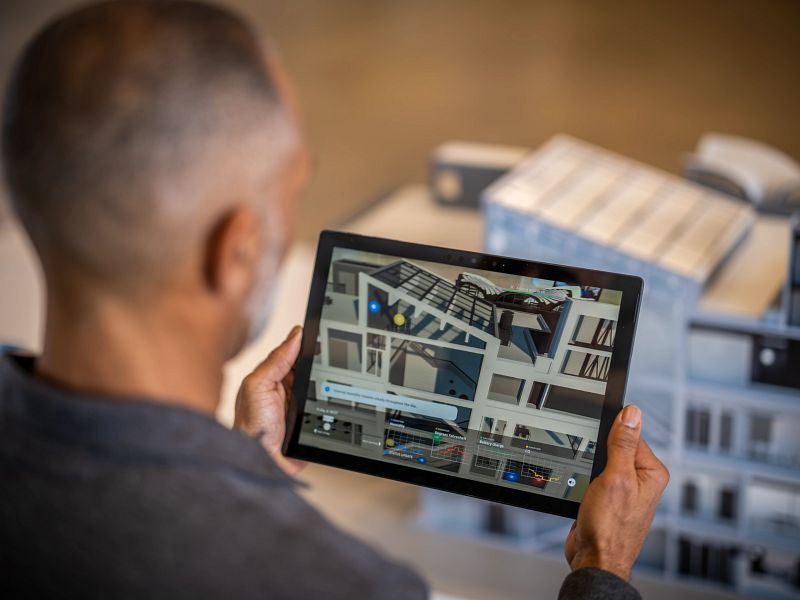
AR, on the other hand, overlays digital information onto the physical world. Think: viewing structural layouts through a tablet while standing on-site, or seeing installation instructions projected over actual materials. This type of real-time guidance helps teams catch errors before they happen and ensures tasks are executed properly.
Whether it's reviewing a virtual model with a client or guiding field crews with step-by-step overlays, VR and AR are bridging the gap between plans and reality in construction.
3D printing is starting to make a real impact in construction. Forward-thinking firms are utilizing it to produce building components, such as walls, panels, and structural supports, with incredible speed and precision. In some cases, entire small-scale structures are being 3D printed directly on-site, drastically reducing labor needs and material waste.
Modular construction is also gaining traction, especially when paired with digital design and advanced manufacturing. By fabricating components off-site in a controlled environment, teams are able to build faster and more consistently—regardless of weather or jobsite constraints. Modules are then transported and assembled on location, significantly cutting down project timelines.
Both technologies prioritize efficiency and sustainability. They reduce material waste, minimize on-site disruptions, and allow for better quality control. As digital tools continue to evolve, 3D printing and modular construction are set to play an even bigger role in shaping the future of how we build.
Construction sites come with risk, but modern safety technology helps teams stay ahead of it. Wearable tech like smart helmets, vests, and biometric monitors can track worker location, movement, and even vital signs, so teams are alerted when something's off.
These tools can detect signs of fatigue, monitor environmental conditions, and notify supervisors if a worker enters a restricted zone or is at risk of injury. Combined with site sensors and mobile apps, construction safety managers can quickly identify trends and address potential hazards before they escalate.
The goal isn't just to react when something goes wrong—it's to proactively prevent incidents and build a stronger culture of safety in construction. With the right technology in place, teams can feel more confident on-site, knowing that they're supported by systems designed to protect them.
The construction industry is evolving fast, and those who embrace modern technology will be best positioned to lead the way. From boosting safety to streamlining workflows, the right tools can transform how projects are managed and delivered.
When you invest in innovation today, you're not just solving current challenges—you're building a brighter, more resilient future for your team and your business.