Design innovation is most powerful when it serves people—and few stories illustrate that more clearly than this one.
As part of Autodesk’s Design & Make It Real program, the Make It Home affordable housing challenge invited students to reimagine how design and construction can strengthen communities through creative, inclusive, and data-driven housing solutions.
This Student + Mentor Spotlights series highlights those emerging voices during Construction Inclusion Week and Careers in Construction Month, pairing them with mentors and industry leaders who share their belief that design is both a human and a technological act.
In this story, Shriya Nedumaran, a high school student from San Jose, California, joins Joshua Dobbs, New England Patriots quarterback and aerospace engineer, and Sidharth Haksar, Autodesk’s Vice President and Head of Construction Strategy & Partnerships, for a conversation that bridges empathy, education, and innovation.
Together, they reflect on what it means to build with intention and how the next generation is not only mastering emerging tools and workflows like modular design, simulation, and digital fabrication, but also asking deeper questions about equity, belonging, and community resilience.
Shriya’s award-winning project, Reclaiming 7th Street – Reconfigurable Housing for Equity and Prosperity, embodies that vision: blending architectural excellence with social purpose to restore pride and opportunity to West Oakland’s historic cultural corridor.
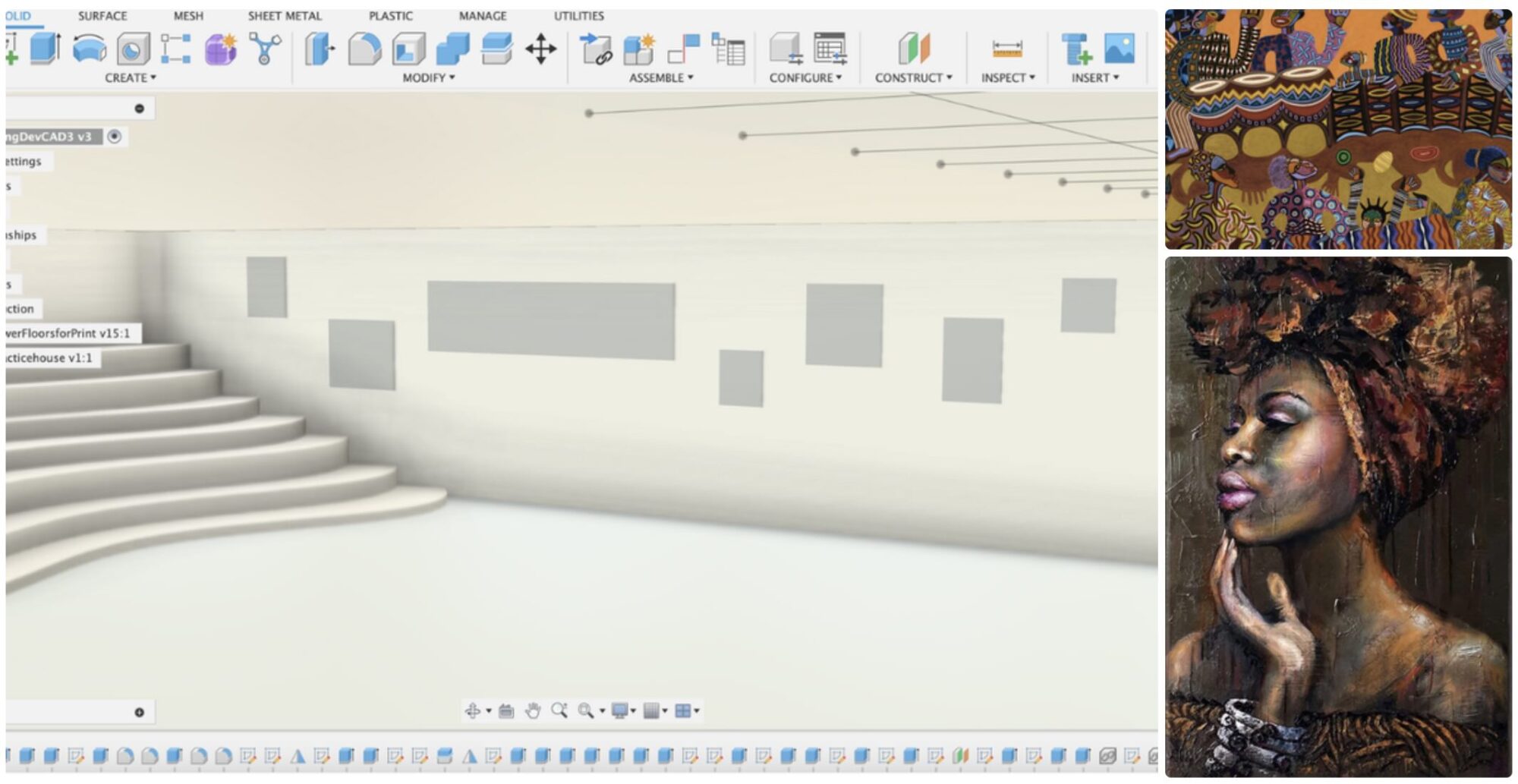
Shriya’s project reimagines West Oakland’s historic 7th Street—once a thriving center of Black culture, music, and activism—as a community-powered housing development that restores dignity, opportunity, and local pride.
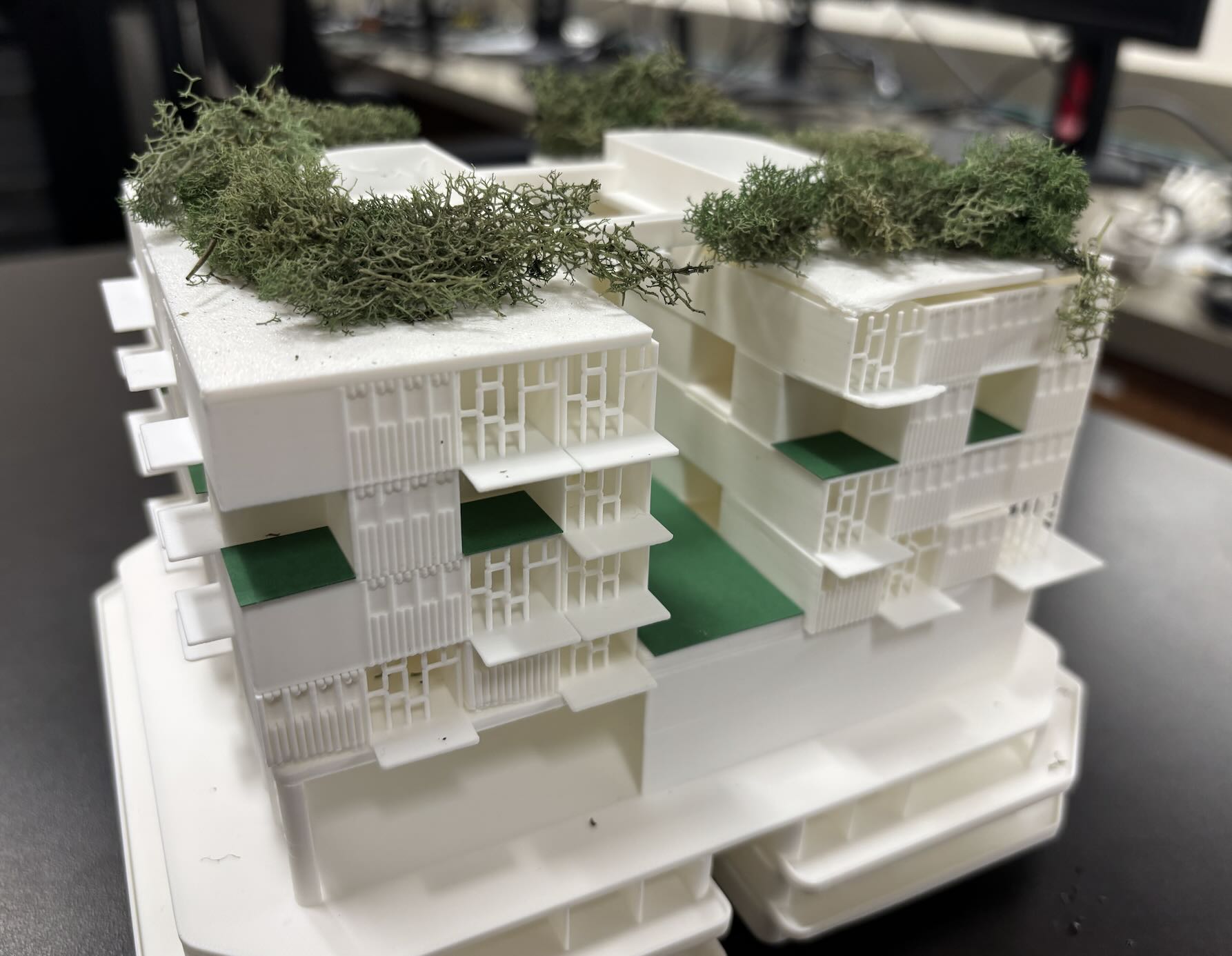
Her design blends social justice with engineering innovation: modular “home cubes” that adapt to residents’ changing needs, commercial spaces for local entrepreneurs, a community floor that celebrates jazz heritage, and built-in sustainability through vertical gardens, greywater systems, and discreet wind turbines.
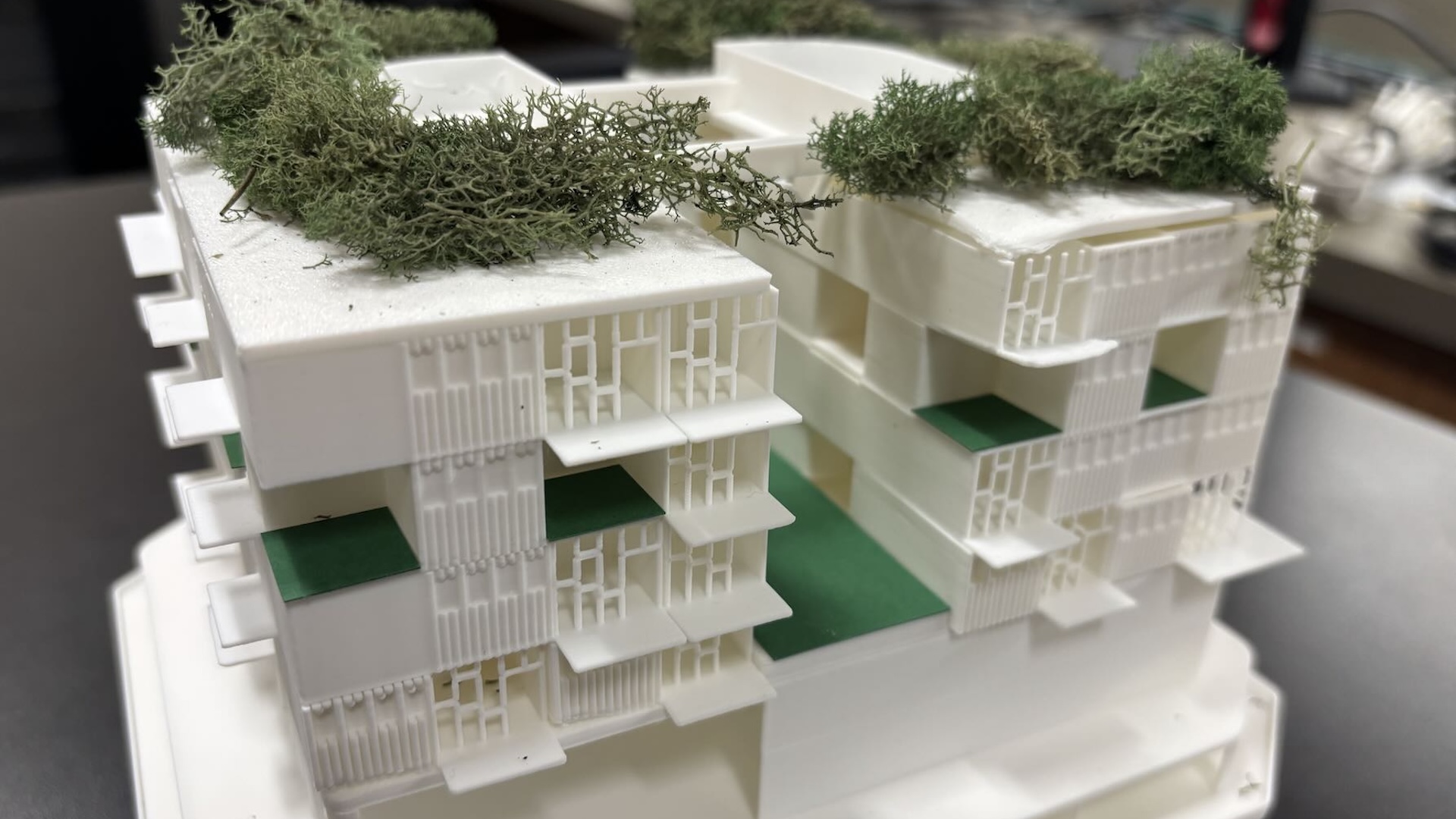
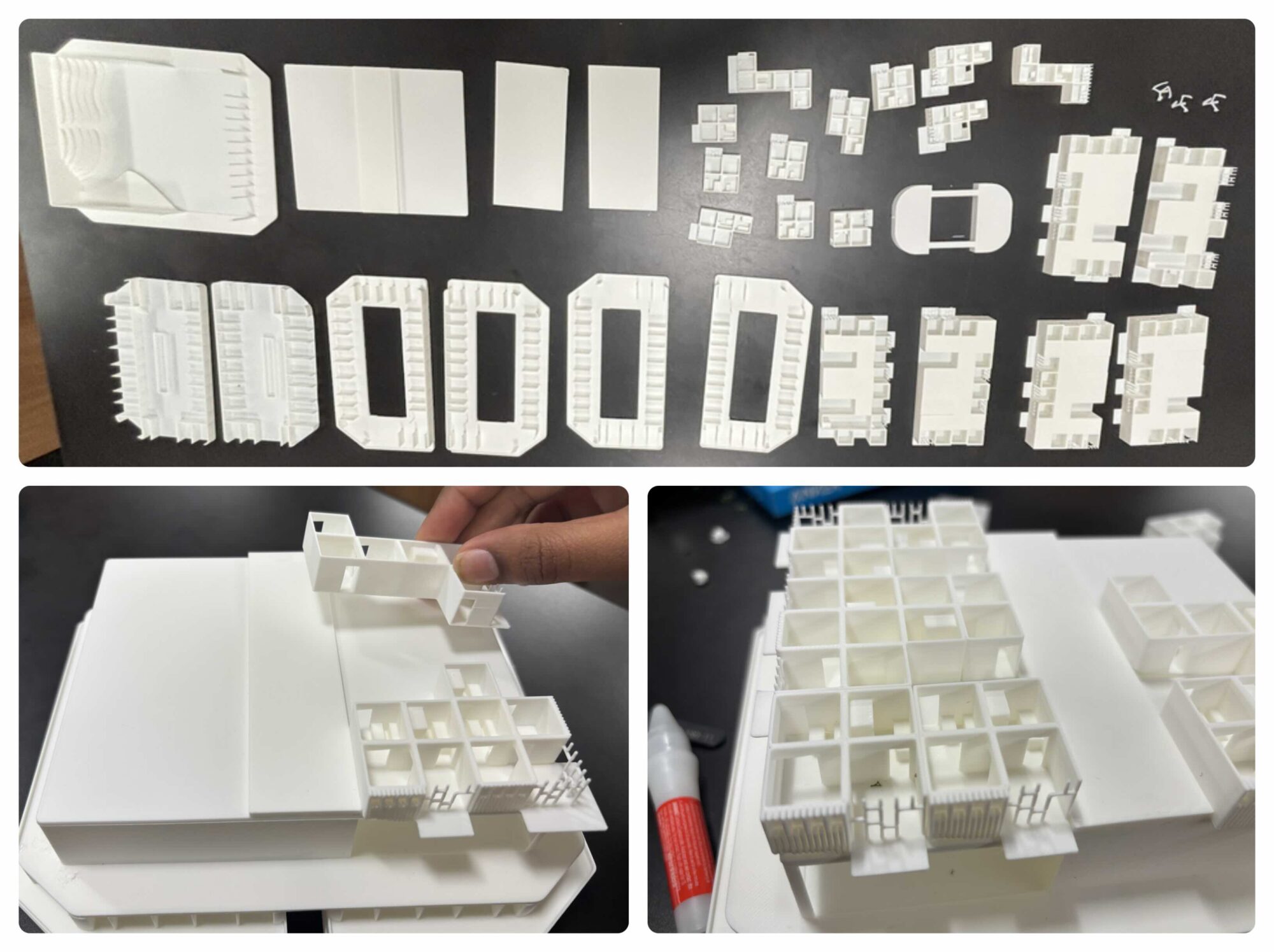
She won the Grand Prize for Best Physical Prototype for building a highly detailed, 3D-printed scale model that demonstrated not only form and aesthetics, but also constructability, modular reconfiguration, and real-world assembly logic. Her prototype made the design tangible, showing exactly how the housing units could stack, connect, and evolve over time.
As both an NFL quarterback and an aerospace engineering graduate who externed with NASA, Josh Dobbs has built a career on bridging worlds people don’t often see together: sports and STEM.
So when Josh joined Autodesk’s Make It Home affordable housing challenge as a judge, he was excited to see students doing the same type of divergent thinking—bringing together culture, engineering, equity, and sustainability to tackle one of the most urgent issues of our time.
Reclaiming 7th Street – Reconfigurable Housing for Equity and Prosperity
Student Designer: Shriya Nedumaran
Project Site: West Oakland, California
As a judge, I was incredibly impressed by Shriya’s depth and vision. It can be difficult to create a design that blends architectural innovation with social purpose. Yet, Shriya was able to successfully create a modular housing concept that reimagined what community resilience and equity can look like in the built environment. This work reflects both technical skill and a genuine understanding of how one design can transform a neighborhood.
As Vice President and Head of Construction Strategy & Partnerships at Autodesk, Sid Haksar focuses on how technology, data, and human creativity converge to shape the next era of construction. His approach, grounded in both optimism and pragmatism, reflects Autodesk’s belief that innovation succeeds when it’s both ethical and human-powered.
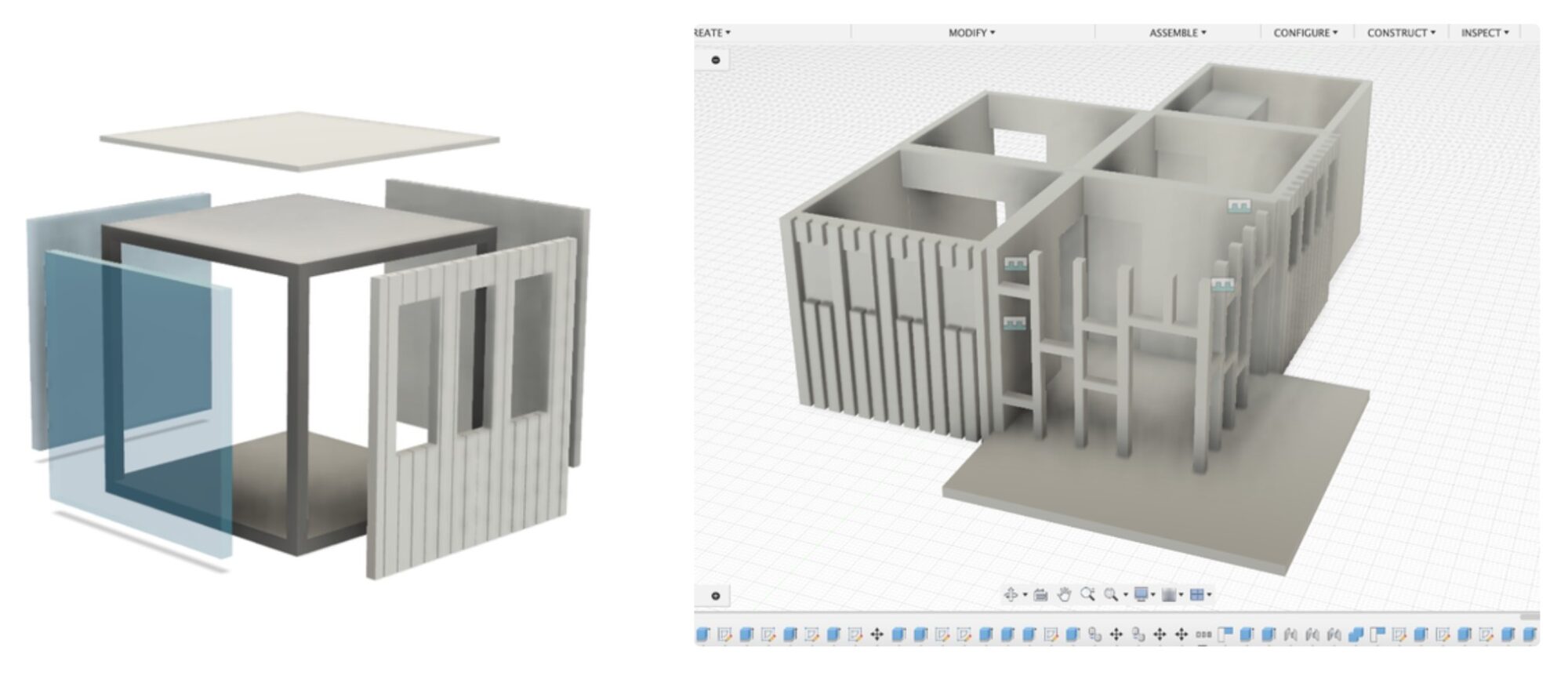
What stands out about Shriya’s project is her ability to merge systems thinking with social empathy. The precision of her modular design demonstrates how data-driven tools and digital fabrication can serve not just efficiency, but equity. In a sense, she’s prototyping what the next generation of the construction ecosystem could look like—one that can be both automated and deeply human.
In construction, we often talk about productivity, automation, and AI transformation. But Shriya’s design reminds us that innovation is not defined by technology alone—it’s defined by intention. She uses digital tools not as ends, but as means to rebuild culture, belonging, and resilience. That’s exactly the kind of mindset that will allow the industry to deliver on the promise of both sustainability and social progress.
When she entered the Make It Home challenge, Shriya was a junior at Leigh High School in San Jose, California. Inspired by summers spent with family in Oakland, she witnessed how 7th Street’s rich history of Black culture and activism had been disrupted by displacement and disinvestment. Through design, she set out to reclaim the neighborhood’s heritage and imagine housing as a platform for equity, economic opportunity, and community pride.
Shriya was also a winner of Autodesk’s Design & Make Champion Award at the National STEM Festival for her project: Redefining Neonatal Survival with Power-Independent Incubators.
From the very beginning, humans have built their lives around each other. This sense of belonging has always been at the heart of what it means to be human. Likewise, it’s at the heart of my project. When I spent the summer with my aunt, I felt that same heartbeat of community in Oakland, except I also saw how fractured it had become. On 7th Street, a place once rich with culture, jazz, and activism, the story now feels interrupted by freeways, rail lines, and displacement. Walking down the street, I’d see high-rise towers on one block and tents on the next. That contrast stuck with me. Really digging deeper into the history of 7th Street, I saw how it was once affected by structural inequality and institutional racism. This contrast inspired me to think beyond just architecture and engineering, but also to think deeply about the people. About intersectionality. About how race, income, and access overlap to shape who gets to stay and who gets left behind. My project is about weaving all of these factors together and honoring the history that once brought 7th Street to life.
Beyond providing affordable housing, I wanted this project to bring back pride, opportunity, and culture to 7th Street. Housing on its own can give people a place to live, but it doesn’t always give them a reason to stay. By adding commercial spaces for local entrepreneurs, I aimed to support economic independence and keep money circulating within the community. By including gardens, markets, and communal spaces, I wanted to create places where neighbors could connect, celebrate, and feel safe. Most importantly, I designed this project to honor history and push back against displacement. 7th Street was once a hotspot for jazz clubs, restaurants, and activism, and I wanted to make space for those traditions again. Adding a communal floor to the development created a designated area for these things to take place and for the community itself to thrive.
Furthermore, another big idea was sustainability. It’s hard for everyday people to consider their environmental impact when they’re preoccupied with other issues. I integrated sustainability directly into the development, making it automatic for residents (microgardening, greywater practices, etc.)
Social challenges will always exist in our world. But this project taught me that designers and engineers have power over them. On 7th Street in Oakland, I saw how past design decisions, like freeway construction, created displacement and fractured communities. That showed me that architecture isn’t neutral; it can either harm or heal. Architects and engineers hold the responsibility to ask not just how something is built, but who it is built for. They have the chance to repair harm, restore culture, and create spaces where people feel seen and supported. Even small choices, like leaving room for jazz, gardens, or local businesses, can ripple outward and help rebuild trust in a community.
Shriya’s project captures a truth that both Joshua Dobbs and Sidharth Haksar recognize: the future of construction depends on people who think systemically—who can merge creativity, empathy, and engineering to build not just better structures, but stronger societies. Over the past two weeks, we have celebrated students like Shriya whose designs show how bright the future of the AECO industry can be when students are invited to help shape it.
Read previous stories in this series.
But the work doesn’t end here.
Because communities everywhere are grappling with other urgent issues: displacement, disruption, disaster—and the need to rebuild not just buildings, but lives.
That’s why the next chapter of Autodesk’s Design & Make It Real program asks a deep question: How can design and construction help us heal?
In Autodesk’s upcoming Make It Heal film series, New England Patriots quarterback and aerospace engineer Joshua Dobbs explores what community means in a world of rising extremes—and how the next generation is responding with resilience, empathy, and groundbreaking innovation.
From nature-inspired spaces to trauma-informed design, from circular materials to digital fabrication, students are leading the way.
Watch the teaser with Josh and Sid, and stay tuned for the official launch of the new Autodesk Design & Make It Real program.