Fostering a sense of community around the construction sector is sometimes overlooked, but it's one of the most powerful levers for lasting impact.
Strong community ties don't just benefit local economies; they create deeper purpose for project teams and help shape spaces that serve the people who use them.
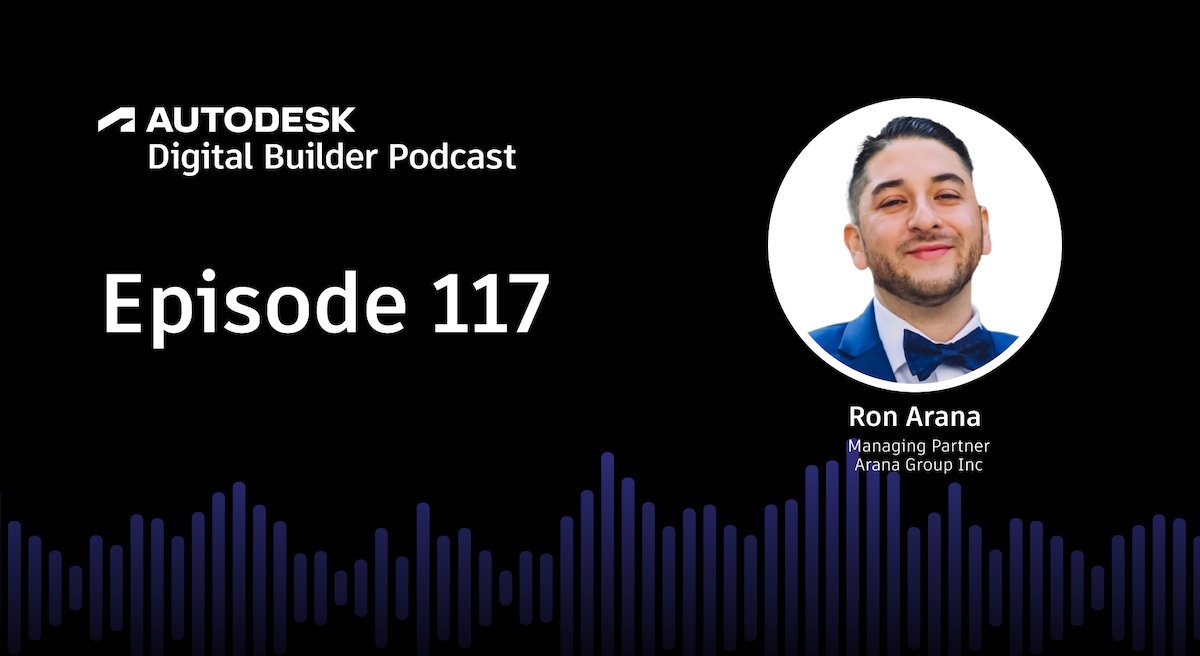
So, what does it really mean to build with community in mind? In this episode of Digital Builder, I catch up with Ron Arana, Managing Partner at Arana Group. We unpack how Ron embeds community impact into Arana's projects, partnerships, and even his personal mission.
We discuss:
As a general contractor (GC) that specializes in public works, tenant improvements, and building upgrades, Arana Group is big on community-building, and the team ensures that every project strengthens its ties to the neighborhoods it serves.
According to Ron, "We definitely integrate community into our projects in many ways. We work with a lot of subcontractors and suppliers locally, building relationships with them and advertising upcoming projects."
With that approach, the firm not only delivers on project outcomes, but it also creates opportunities for local businesses.
Here's a look at some of the notable, community-driven projects that Arana Group has completed across the Bay Area.
One initiative is the revitalization of Hunters Point Building 101, a former Navy administration building that has since evolved into one of the largest artist spaces in the U.S.
"The project scope was essentially to build these artists a common gallery space where they can showcase their work," explains Ron.
The team upgraded the building's restrooms, improved life safety systems, and made exterior enhancements—all while navigating input from multiple city, state, and federal agencies.
The nature of the project required not only technical expertise but also a thoughtful approach to stakeholder engagement and local hiring.
"There were certain goals that we had to meet with local subcontracting requirements, and we aimed to exceed them, which we did. We had a great outreach, having conversations with a lot of local vendors, leveraging relationships that we had, and doing several walkthroughs."
Ron continues, "And then there was also an aspect of workforce development. The project provided an opportunity to bring in fresh team members who could learn more about the construction process."
There's also a project for Family Connections, a nonprofit organization serving children and families in San Francisco.
The job involved building a secondary headquarters in the Excelsior District, which is near where Ron and his brother grew up.
"There was that special connection," he explains. "But we also had a very special relationship with the owner and the architect. Plus, there was funding coming in from the mayor's office."
"Then of course, the final user—underserved kids—would benefit tremendously from it. So, there was that extra layer that everybody took in the back of their mind."
What started as an outdated church building was transformed into a vibrant, 5,000-square-foot space tailored to support local youth. "We kept the shell of the building, we gutted out the interior, and we worked hand in hand with a great architecture firm in the city," Ron shares.
The result? A space that not only met community needs, but was built with a shared sense of pride, purpose, and proximity.
As a GC that sources services and materials from local businesses in the Bay Area, Ron acknowledges that working with smaller vendors and subs means being intentional and staying plugged into the community.
"Arana Group had the advantage because we're pretty involved in the local business enterprise (LBE) community. We know many subcontractors, vendors, and suppliers that perform a wide range of scopes of work, from metals to glass to framing. And yes, in the Bay Area, we do have a large pool [of potential partners]."
That said, it's not just about availability—it's about mindset and trust.
"I always tell people that just because a business is small doesn't mean it's bad. Some of these small mom and pops can operate even better than a mid-size or larger subcontractor."
Ron continues, "We're about giving opportunities to smaller firms. This offers benefits from both a business standpoint and the general ecosystem. That's because these businesses give back and they operate in the city, so they're spending their money here and hiring locally."
Community-centric projects must benefit… well, the community. And for Ron, achieving this starts with something deceptively straightforward: listening.
"It comes down to listening. Early on, we listen to stakeholders, community members, and end users. We take in what they say and implement it throughout the building process."
It sounds simple, but listening to the building's users truly makes a difference, says Ron.
"As basic as it sounds, taking notes through the course has led us to build these successful projects."
Ron is incredibly active in a range of organizations beyond his day-to-day projects, including Rebuilding Together San Francisco, the SF Latino & Black Builders Association, and the Olympic Club Foundation. He also serves on boards, participates in grant committees, and contributes to national business accelerators.
For Ron, staying involved isn't just good for business—it's deeply fulfilling and amplifies the positive impact construction can have on communities.
Actively taking part in various organizations and initiatives enables Ron to pay it forward.
"There's a lot of industry expertise and people that just bring so much. There's also such a diverse demographic in ages, and I see this as a way of the next generation about what's out there and how they can make a difference."
He adds that mentoring younger folks has become one of his passions. Ron strives to build awareness about the construction industry, exposing them to career paths and opportunities they might not have otherwise considered.
If you've made it this far and are feeling inspired to kick-start community-centric activities at your firm, here are some of Ron's recommendations for getting started.
Start with research, he says.
"There are a lot of ways to get involved, whether it be through volunteer work, whether it be through engaging with some of these nonprofits, or just getting your team and your company involved in a turkey day feed. Starting small can lead you to the path you want to build."
Ron also advises firms to be clear about what they're hoping to achieve.
"Ultimately, it's also about what you want to do, what you want to give back, and how you want to do it. Do you want more local engagement? Do you want to be more embedded in community projects?"
Whether it starts with one volunteer day or a company-wide initiative, what matters most is showing up with intention and staying consistent.
Digital Builder is hosted by me, Eric Thomas. Remember, new episodes of Digital Builder go live every week. Listen to the Digital Builder Podcast on: