
Stereolithography (SLA): Using light and heat to build tomorrow’s world
Stereolithography (SLA): Using light and heat to build tomorrow’s world
 Stereolithography (SLA) is a popular form of 3D printing.
What is stereolithography?
What is stereolithography?
Design preparation
Design preparation
Resin preparation
Resin preparation
Layer-by-layer printing
Layer-by-layer printing
Platform movement
Platform movement
Post-processing
Post-processing
Final product
Final product
Simplify complex processes
Simplify complex processes
Reduce post-manufacture work
Reduce post-manufacture work
Enable on-demand flexibility
Enable on-demand flexibility
 CAD/CAM software like Autodesk Fusion lets you design, prep, and print SLA projects from within the same program.
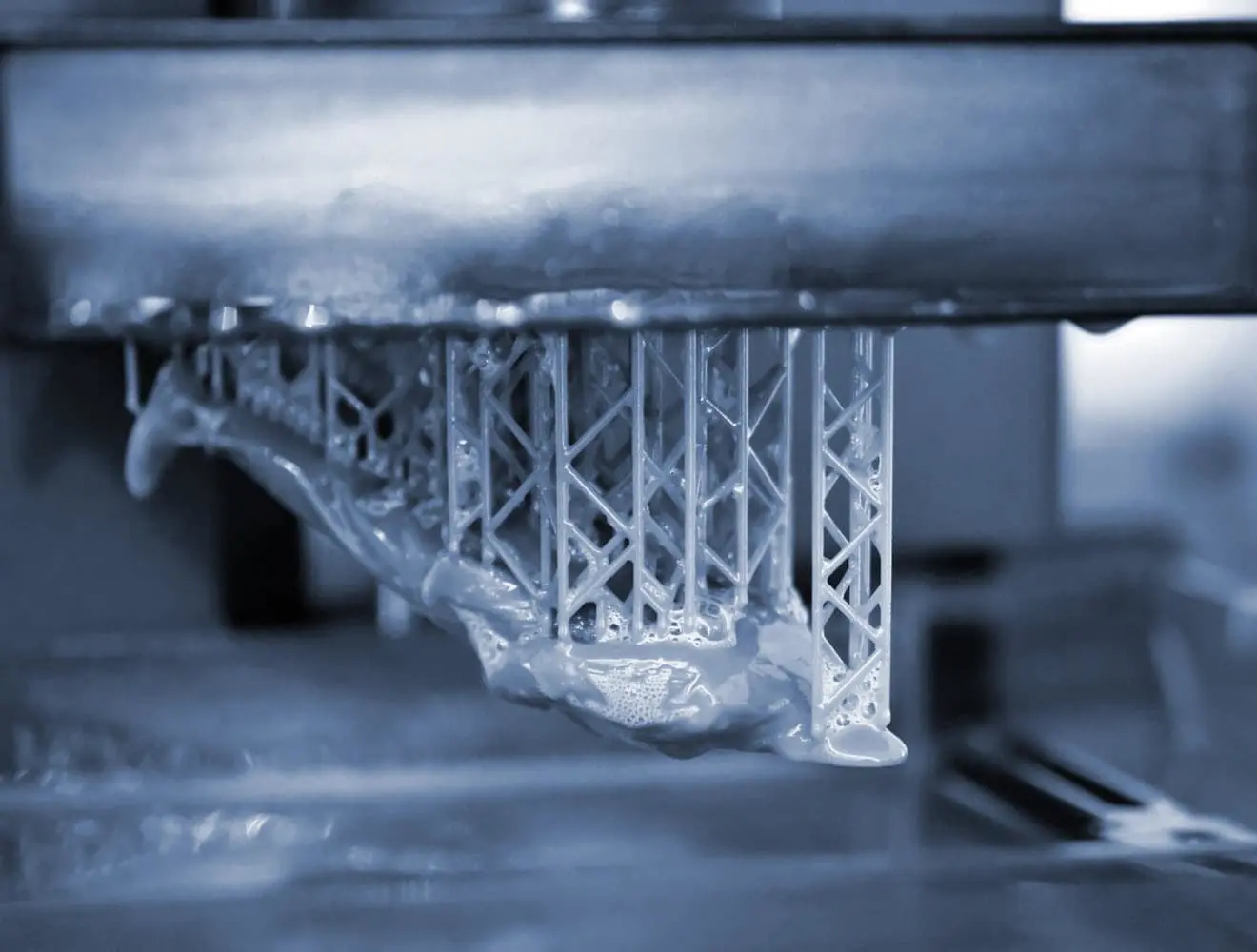
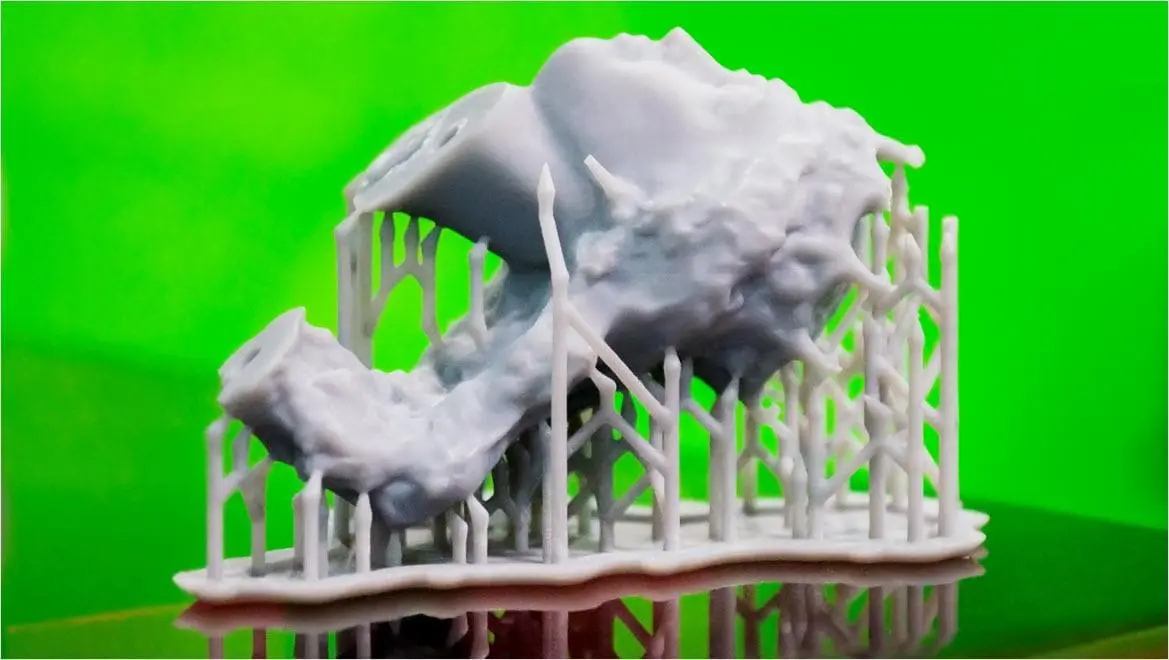
 SLA printing uses liquid resins that harden when exposed to UV light.
How is stereolithography different from other processes?
How is stereolithography different from other processes?
 Stereolithographys speed and versatility make it ideal for rapid prototyping.
Stereolithography for prototyping
Stereolithography for prototyping
 SLA is commonly used for manufacturing patient-specific medical and dental devices like this mold used to create a dental aligner.
Industries that use stereolithograpy
Industries that use stereolithograpy


 Different 3D printing processes are suited to different end products.
Stereolithography vs. FDM
Stereolithography vs. FDM
Early beginnings
Early beginnings
Stereolithography and sustainability
Stereolithography and sustainability
What is the difference between stereolithography and 3D printing?
Stereolithography (SLA) is a form of 3D printing. It’s the photochemical process in which a beam of UV light selectively cures an area of liquid resin, hardening it into polymers. In the modern additive manufacturing era, stereolithography describes both the 3D printing process and the device that uses it.
What is stereolithography used for?
Stereolithography is used to create 3D-printed objects in smaller consumer or prosumer 3D-printing devices, usually with polymer (plastic). A laser or projector generates a beam of light that is aimed at an area of thermoplastic resin, curing it into a harder, polymer-based form. This makes it uniquely suited to creating small, unique objects made of polymers (rubber or plastic).
What's the difference between SLA and SLS?
SLA is used interchangeably with stereolithography, which is the method of shining a focused beam of light on a thermoplastic resin to cure it to a state of hardness.
Although SLS (selective laser sintering), another additive manufacturing technology, builds material up one layer at a time like stereolithography/SLA, the raw material in SLS comes in the form of a powdered polymer. A high-powered laser then fuses powder particles together on the print surface, gradually building up the structure.
Is SLA resin stronger than PLA?
SLA/stereolithography resin comes in a tank or bottle in liquid form. PLA, or polylactic acid, is a raw 3D-printing material that comes in a spool of solid plastic thread or filament.
The outcomes from SLA resin can be brittle compared to PLA, which is often slightly softer and more flexible. It’s stronger per unit of mass than SLA resin but is not suited to complex or detailed designs.
While researching the various process methods and materials to be used for your parts, review the material data sheets to understand whether that material can work for your intended use. Additional in-house testing may also be needed to confirm the manufacturing method works as needed.
What are standard stereolithography file formats?
Standard file formats used in stereolithography (SLA) include:
STL (Standard Tessellation Language or Stereolithography): The most common file format for SLA and other 3D printing technologies. It represents 3D models as a collection of triangles, defining the surface geometry of the object.
OBJ (Object File): A popular format that can include detailed information about the object's geometry, texture, and color. While not as common as STL in SLA, it's supported by many 3D printing software tools.
3MF (3D Manufacturing Format): A newer format designed to be more efficient and versatile than STL. It includes additional information such as color, material, and metadata.
What is stereolithography 3D printing?
Stereolithography (SLA) printing is an additive manufacturing process where a laser cures and solidifies layers of liquid photopolymer resin to create a 3D object. The laser traces the cross-sectional pattern of the design on the resin's surface, hardening it layer by layer.
What are the most popular stereolithography (SLA) printers?
Some of the most popular stereolithography (SLA) printers include:
Formlabs Form 4: Known for its high quality and reliability.
Peopoly Phenom: This printer offers a large build volume and uses MSLA (Masked SLA) technology.
Anycubic Photon Mono X: A popular choice for hobbyists and professionals alike, this printer is known for its affordability and ability to produce high-quality prints.
What are the advantages of SLA?
SLA printing offers high precision, smooth surface finishes, and the ability to create intricate details, making it ideal for prototyping, medical models, and complex components.
How do you ensure quality print with SLA?
Ensuring print quality involves proper calibration of the printer, choosing the right resin for the application, and following recommended post-processing procedures.
What are the advantages of SLA printing?
SLA printing offers high precision, smooth surface finishes, and the ability to create intricate details, making it ideal for prototyping, medical models, and complex components.