Urban planning and design: Transforming communities
Urban planning and design: Transforming communities
 Urban design and planning work together to maximize a citys space and infrastructure.
What is urban design?
What is urban design?
 Autodesk Formas noise analysis provides early insights into noise conditions that impact urban communities. Image courtesy of Vantaa municipality.
Urban planning versus urban design
Urban planning versus urban design

What is the role of urban design in planning?
Urban landscape design is one part of urban planning—a significant part. Urban design takes the broader idea of an urban plan and applies more concrete examples to the renderings.
Urban design provides models of how buildings will look, where public spaces can be positioned, and how the landscapes will work together. An urban design lays out vital infrastructure like streets in relation to transportation hubs and connects residential areas to parks. Design makes real how an environment or community would work, play, and live in a new development or redevelopment.
Is urban planning the same as architecture?
Urban planning is not the same as architecture. Urban planning takes a higher-level view of development, focusing on neighborhoods, zoning, building codes, and regulations.
Architecture is far more granular, focusing on a specific building, home, or block. Architects can use the parameters an urban plan establishes to create spaces that fulfill a customer’s needs while also meeting the expectations of the community’s or city’s broader plan.
How is urban design different from architecture?
Urban design focuses on how a particular urban space, or the spaces between urban buildings and elements, will look. Architecture emphasizes the appearance of one building, home, or commercial development.
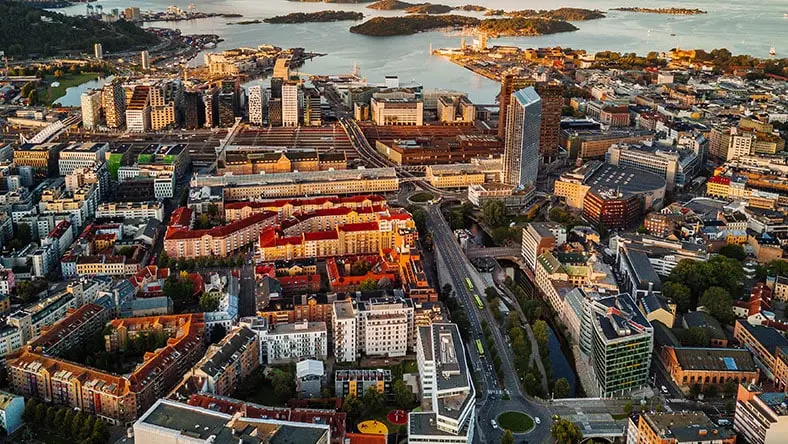
In the hierarchy of urban landscape design, urban planning is the view from the air, a macro look at what will happen in the community. The urban design is ground level, with a real-world view of the streets, blocks, and neighborhoods. Architecture is micro, a close-up look at one specific project that will fit into its surroundings.
What are the elements of urban design?
What are the elements of urban planning?
In urban planning, the primary elements for consideration are:
neighborhoods
public utility services
public amenities
business development areas
open spaces
road networks and connections to existing infrastructure
communications access