Concrete design software: Crafting structures that last
Concrete design software: Crafting structures that last
What is concrete design?
What is concrete design?
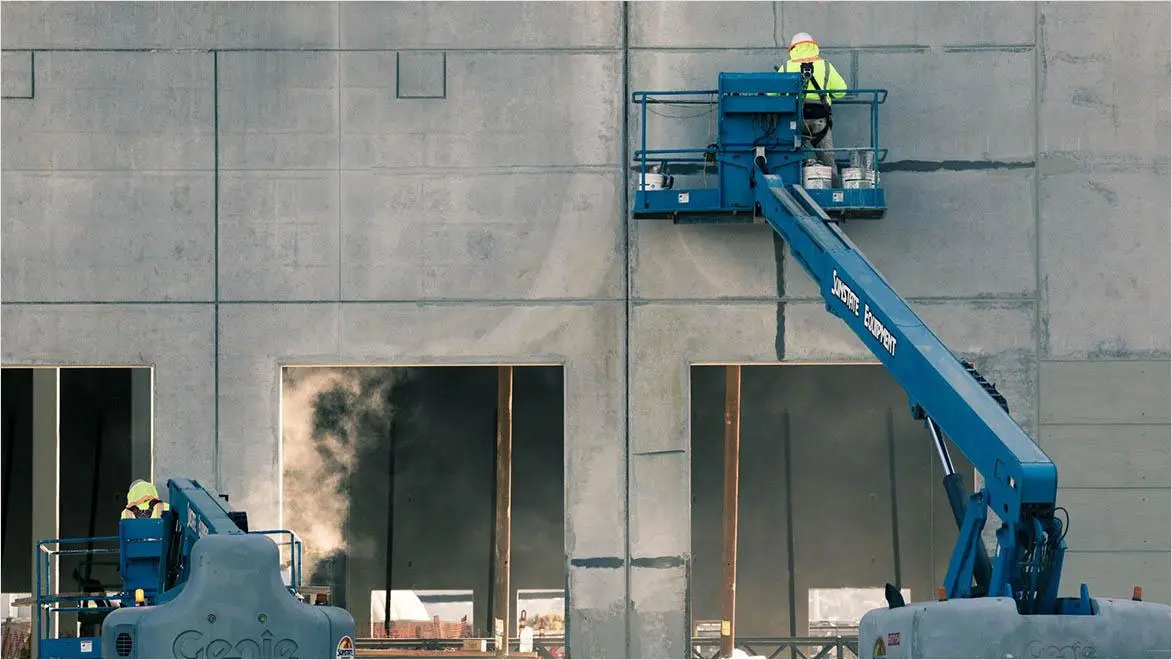
 Concrete is an exceptionally strong and versatile construction material. Image courtesy of Gate Precast.
Building the future with reinforced concrete
Building the future with reinforced concrete


What are three methods of design for reinforced concrete?
In reinforced concrete design, the Working Stress Method (WSM) assesses the safety of structures by comparing calculated stresses within concrete and steel to allowable limits, assuming elastic behavior within certain bounds. The Ultimate Strength Method (also known as Load and Resistance Factor Design, or LRFD) considers applied loads and the resistance capacity of materials such as concrete and steel to ensure safe designs. The Limit State Method (LSM) focuses on two key limit states: serviceability and ultimate strength, ensuring that reinforced concrete designs remain functional, durable, and safe under all expected loads and conditions.
What types of concrete mixtures are there?
Concrete mixtures come in various types to meet specific construction needs. Normal-strength concrete (NSC) is standard for most projects while high-strength concrete (HSC) offers increased strength. Ultra-high performance concrete (UHPC) excels in strength and durability. Self-consolidating concrete (SCC) flows without vibration, and fiber-reinforced concrete (FRC) resists cracking. Lightweight concrete is low density; high-density concrete is heavy. Shotcrete is pneumatically applied; pervious concrete is porous for drainage; and roller-compacted concrete (RCC) suits pavements. Shrinkage-compensating concrete minimizes cracks; colored concrete provides aesthetic options; and specialty mixes such as shrinkage-compensating and colored concrete cater to specific concrete design project needs.
What are the requirements for concrete mix design?
Common concrete mix design requirements include the desired strength, durability, workability, and exposure conditions. Engineers must factor in the properties of aggregates, the type and content of cement, the water-cement ratio, and the inclusion of chemical admixtures to achieve the desired concrete properties. Proportions of these components are optimized to meet project specifications while ensuring cost-effectiveness and maintaining workability. Quality control measures, including material testing and trial mixes, are integral to ensuring the concrete design mix meets project requirements. Concrete design software can help you make short work of these calculations and reports.