Mechatronics
Mechatronics
What is mechatronics?
What is mechatronics?
Why is mechatronics important?
Why is mechatronics important?
The role of a mechatronics engineer
The role of a mechatronics engineer
Mechanical systems
Mechanical systems
Electronic systems
Electronic systems
Control systems
Control systems
Computer systems
Computer systems
Sensors and actuators
Sensors and actuators
Software development
Software development
Increased precision
Increased precision
Enhanced efficiency
Enhanced efficiency
Improved flexibility
Improved flexibility
Advanced automation
Advanced automation






The role of Autodesk Fusion in mechatronics
The role of Autodesk Fusion in mechatronics
Introduction
Introduction
How does mechatronics benefit modern engineering?
Mechatronics enhances modern engineering by enabling the development of sophisticated systems that are more precise, efficient, and versatile. It improves automation and control in various applications, from manufacturing to consumer electronics. By combining mechanical and electronic systems, mechatronics facilitates the creation of intelligent products with advanced capabilities and adaptability.
What role does Autodesk Fusion play in mechatronics?
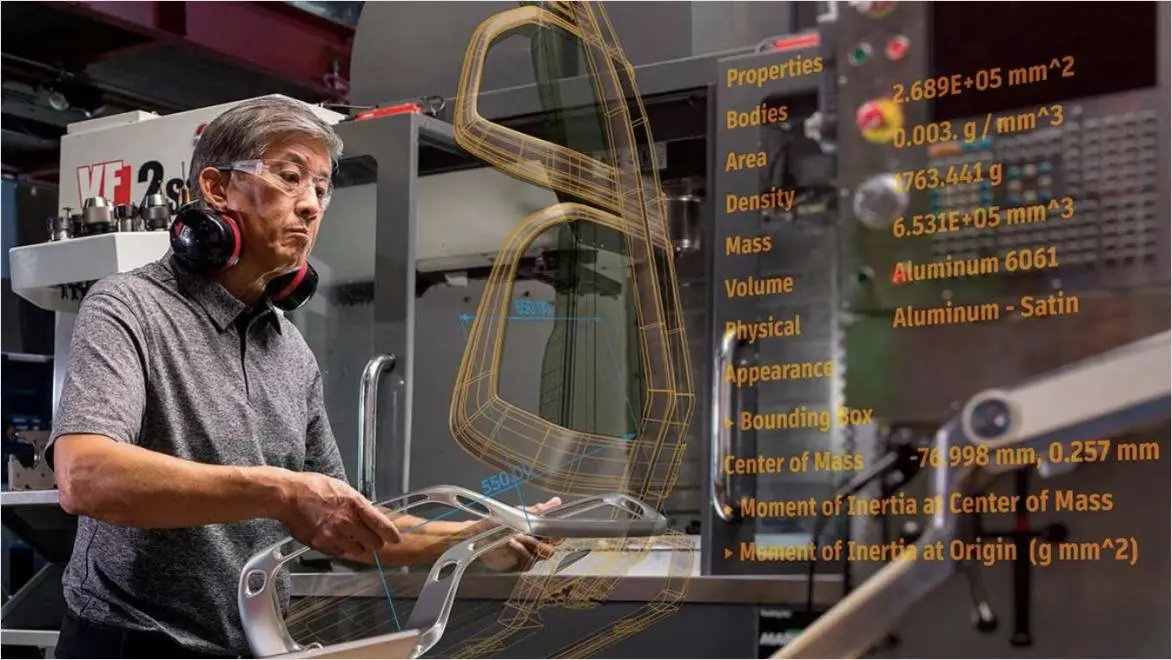
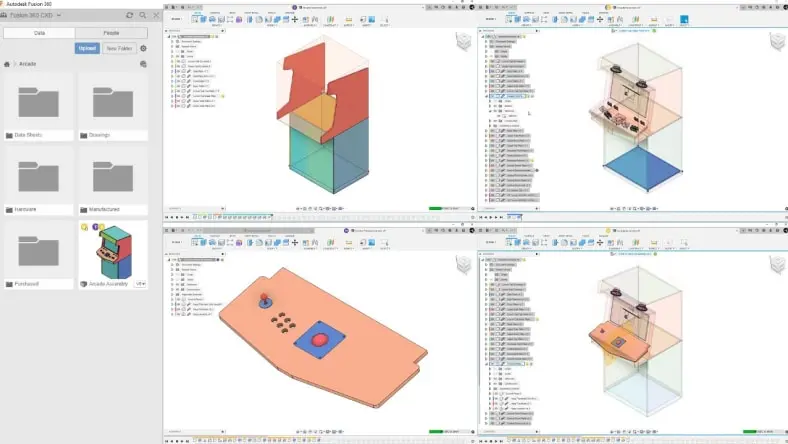
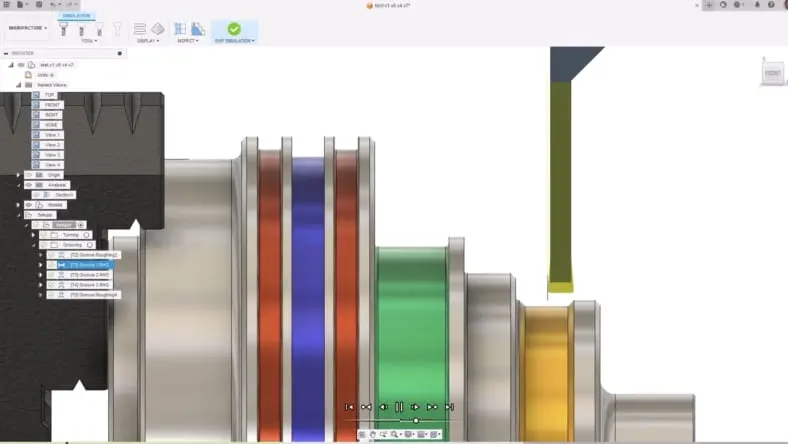
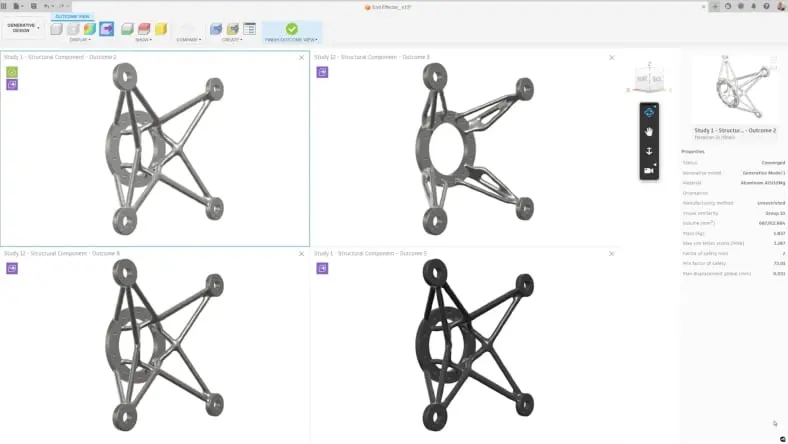
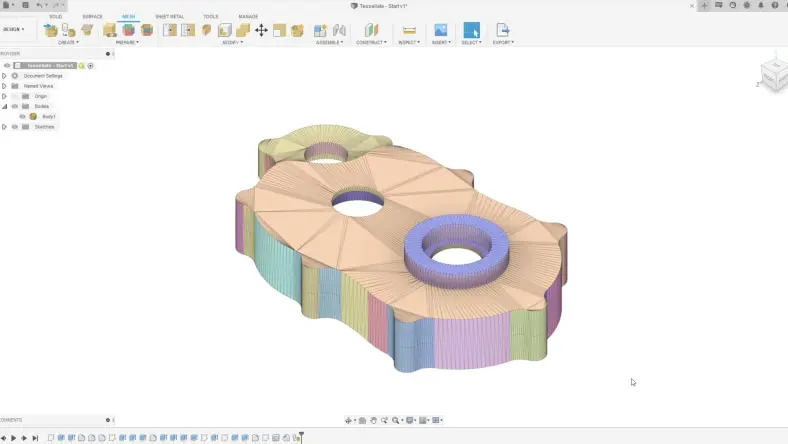
Autodesk Fusion is a powerful tool in mechatronics, providing integrated solutions for 3D design, simulation, and manufacturing. It allows engineers to model mechanical components, simulate their behavior, and analyze how they interact with electronic systems. Fusion’s capabilities streamline the design process, optimize performance, and ensure that mechatronic systems function effectively.
How can Autodesk Fusion’s parametric modeling benefit mechatronic designs?
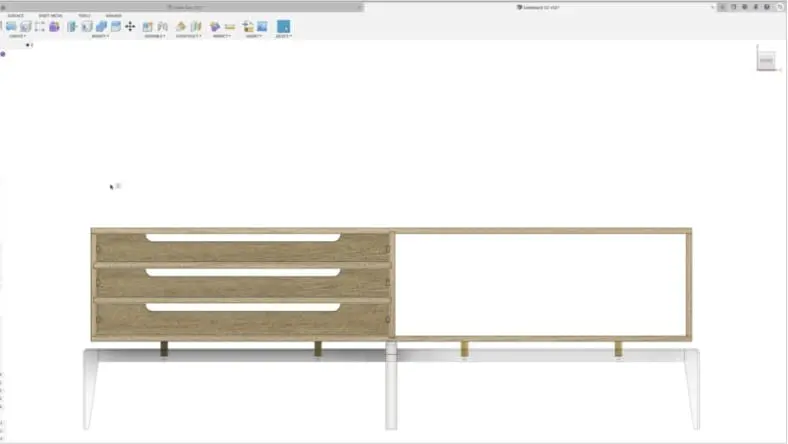
Fusion’s parametric modeling allows engineers to define relationships and constraints between design elements, which is crucial for mechatronic systems. It enables iterative design adjustments and ensures coherence throughout the development process. For instance, in a robotic arm design, parametric modeling helps adjust joint angles and link lengths to optimize performance while maintaining structural integrity.
What simulation features in Autodesk Fusion are useful for mechatronics?
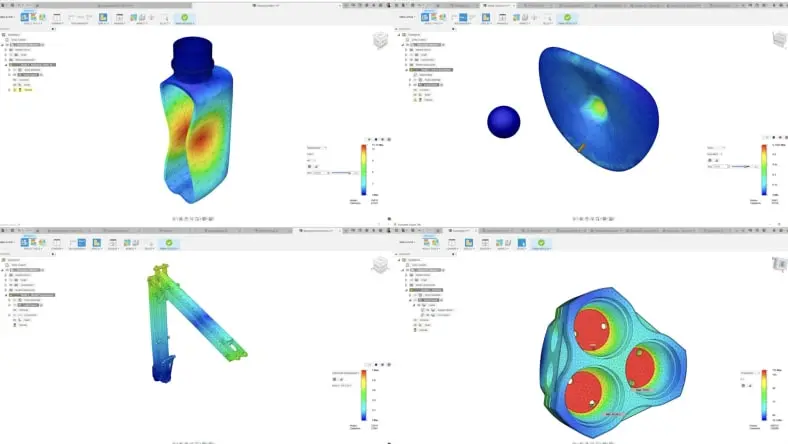
Autodesk Fusion offers several simulation features beneficial for mechatronics, including:
Finite Element Analysis (FEA): Analyzes stress, deformation, and performance of mechanical components.
Computational Fluid Dynamics (CFD): Evaluates fluid flow and heat transfer in systems.
Motion Simulation: Assesses the kinematics and dynamics of moving parts.
These tools help engineers validate designs, optimize performance, and ensure reliability in mechatronic systems.
How does Autodesk Fusion support the integration of electronic components in mechatronics?
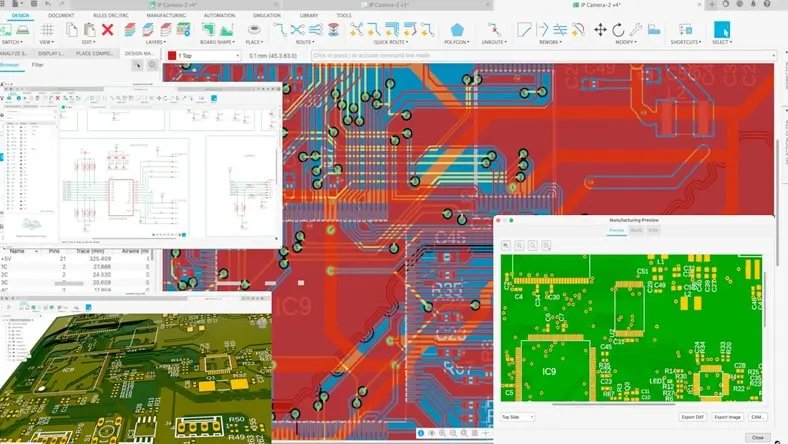
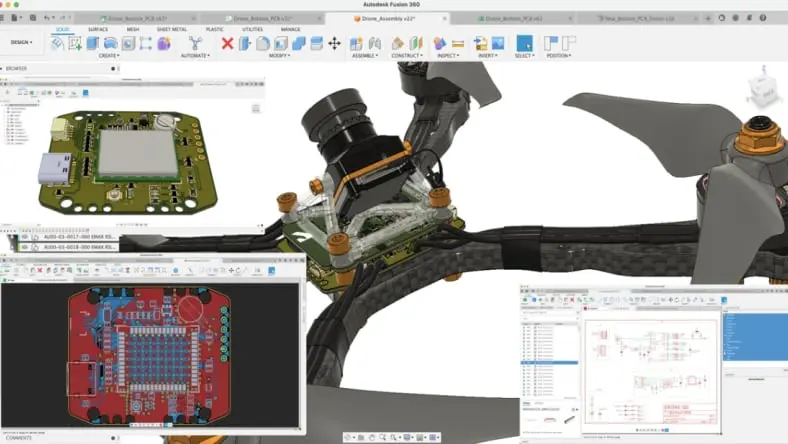
Fusion supports the integration of electronic components through its PCB (Printed Circuit Board) design capabilities and electrical simulation tools. Engineers can design and simulate electronic circuits alongside mechanical components, ensuring seamless integration. This capability is crucial for developing systems where electronic and mechanical parts must work together harmoniously.
What are career opportunities in mechatronics
Mechatronics engineers have a wide range of career opportunities in various industries, including:
Automotive Engineering: Mechatronics engineers can work in the automotive industry, designing and developing advanced safety features and performance systems. Their expertise is crucial for the development of electric vehicles, autonomous driving technologies, and smart infotainment systems.
Robotics: Mechatronics engineers can work in the robotics industry, designing and developing industrial and service robots. Their skills are essential for creating robots that can perform complex tasks with high precision and reliability.
Aerospace: Mechatronics engineers can work in the aerospace industry, designing and developing advanced flight control systems and UAVs. Their contributions enhance the safety, efficiency, and performance of aerospace technologies.
Medical Devices: Mechatronics engineers can work in the medical device industry, designing and developing advanced medical devices such as surgical robots and diagnostic equipment. Their innovations improve patient care and enable new medical procedures.
Project Management: Mechatronics engineers can work in project management, overseeing the design and development of complex systems and ensuring that projects are completed on time and within budget. Their interdisciplinary knowledge makes them well-suited for coordinating diverse engineering teams.
Mechatronics engineers can also work in research and development, designing and developing new technologies and products. They can also work in academia, teaching and conducting research in mechatronics and related fields. The diverse skill set of mechatronics engineers opens up numerous career paths, allowing them to contribute to a wide range of industries and technological advancements.
How does Autodesk Fusion assist with the development of mechatronic systems involving robotics?
Autodesk Fusion aids in the development of robotic systems by providing tools for precise 3D modeling, motion simulation, and mechanical analysis. Engineers can design robotic arms, joints, and actuators, and simulate their movements and interactions. Fusion's parametric modeling allows for easy adjustments and optimization of robotic components to achieve desired performance and functionality.
How does Autodesk Fusion enhance collaboration in mechatronic projects?
Autodesk Fusion enhances collaboration through its cloud-based platform, which allows multiple users to work on the same project simultaneously. Features such as real-time data sharing, version control, and collaborative review tools enable teams to communicate effectively, share feedback, and make design changes collaboratively, streamlining the development process.
What is control engineering?
Control engineering is a critical component of mechatronics that involves the design and development of control systems that regulate mechatronic devices. Control engineers use a variety of techniques, including feedback control, feedforward control, and model predictive control, to design control systems that ensure smooth operation of mechanical and electronic components. By implementing these control strategies, engineers can achieve precise regulation of system behavior, optimize performance, and enhance the reliability of mechatronic devices. Control engineering is essential for applications ranging from industrial automation to autonomous vehicles, where accurate and responsive control is paramount.